
Roofing Manufacturers
Install, repair, and maintain commercial roofing systems in New Haven, CT with materials selected for the existing assembly and project scope.
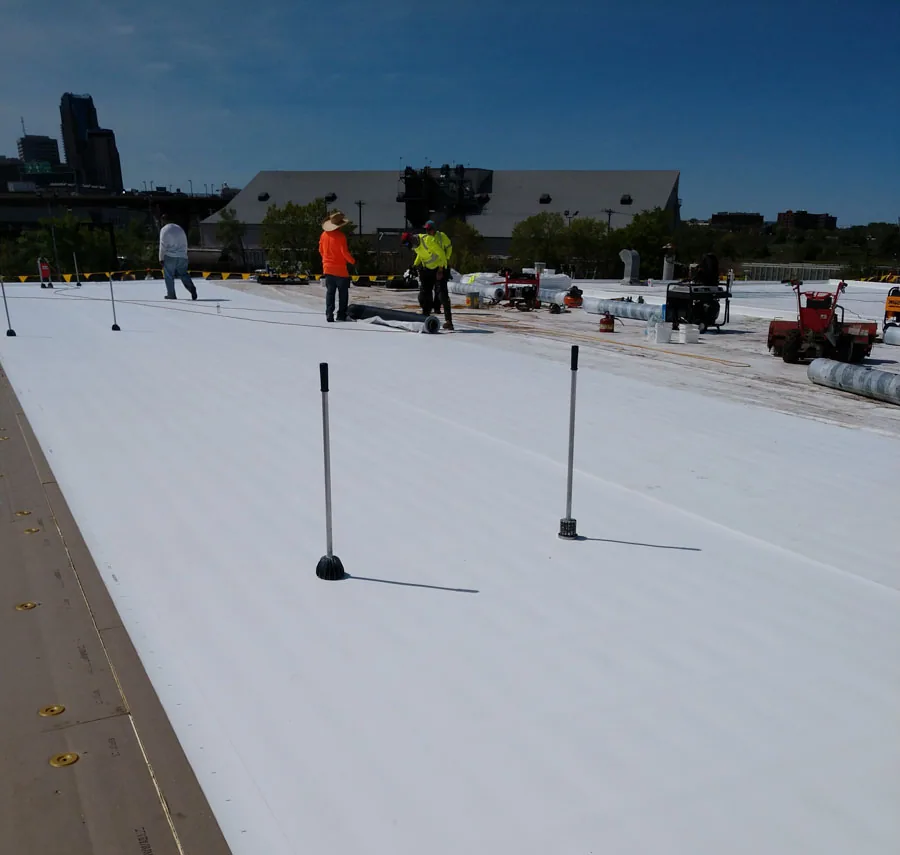
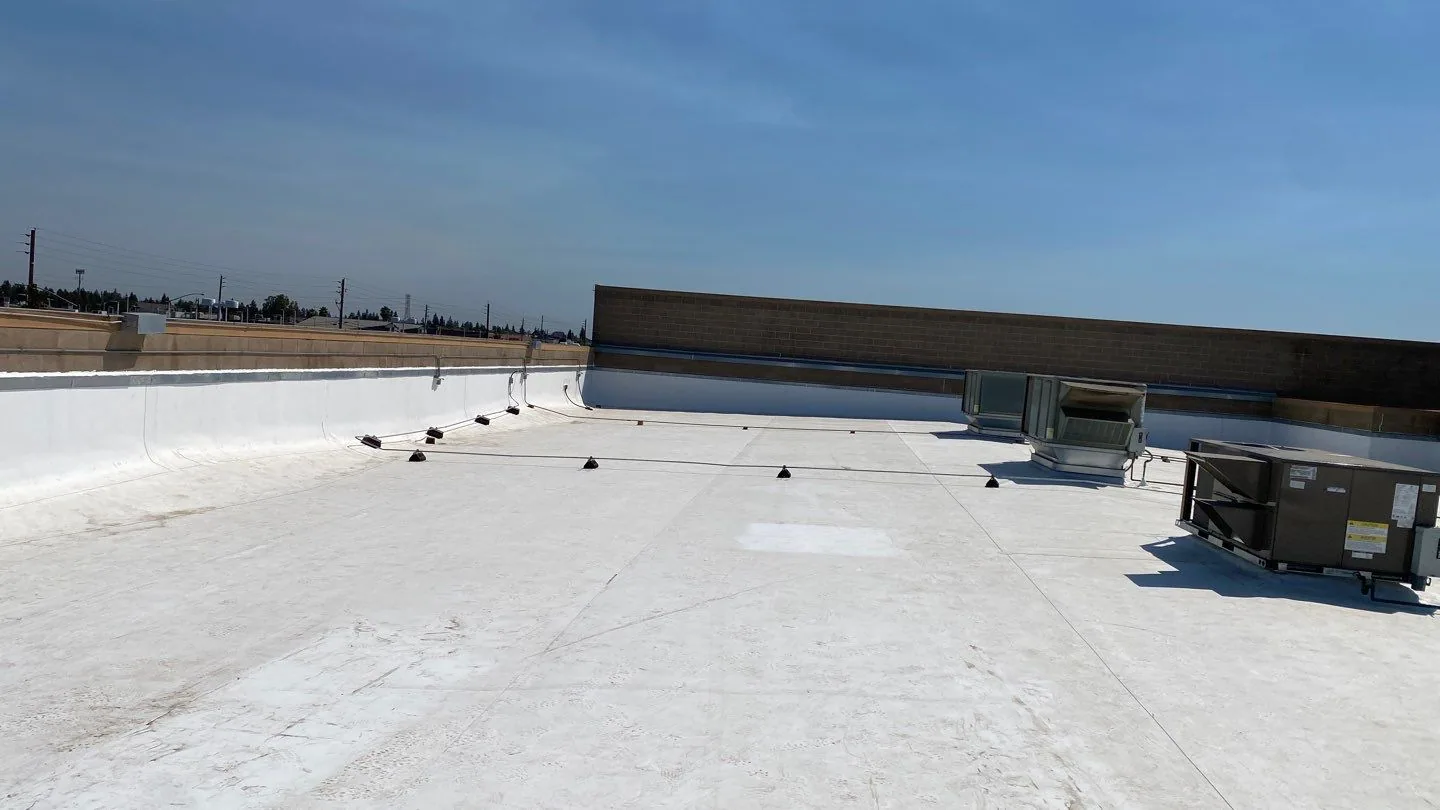
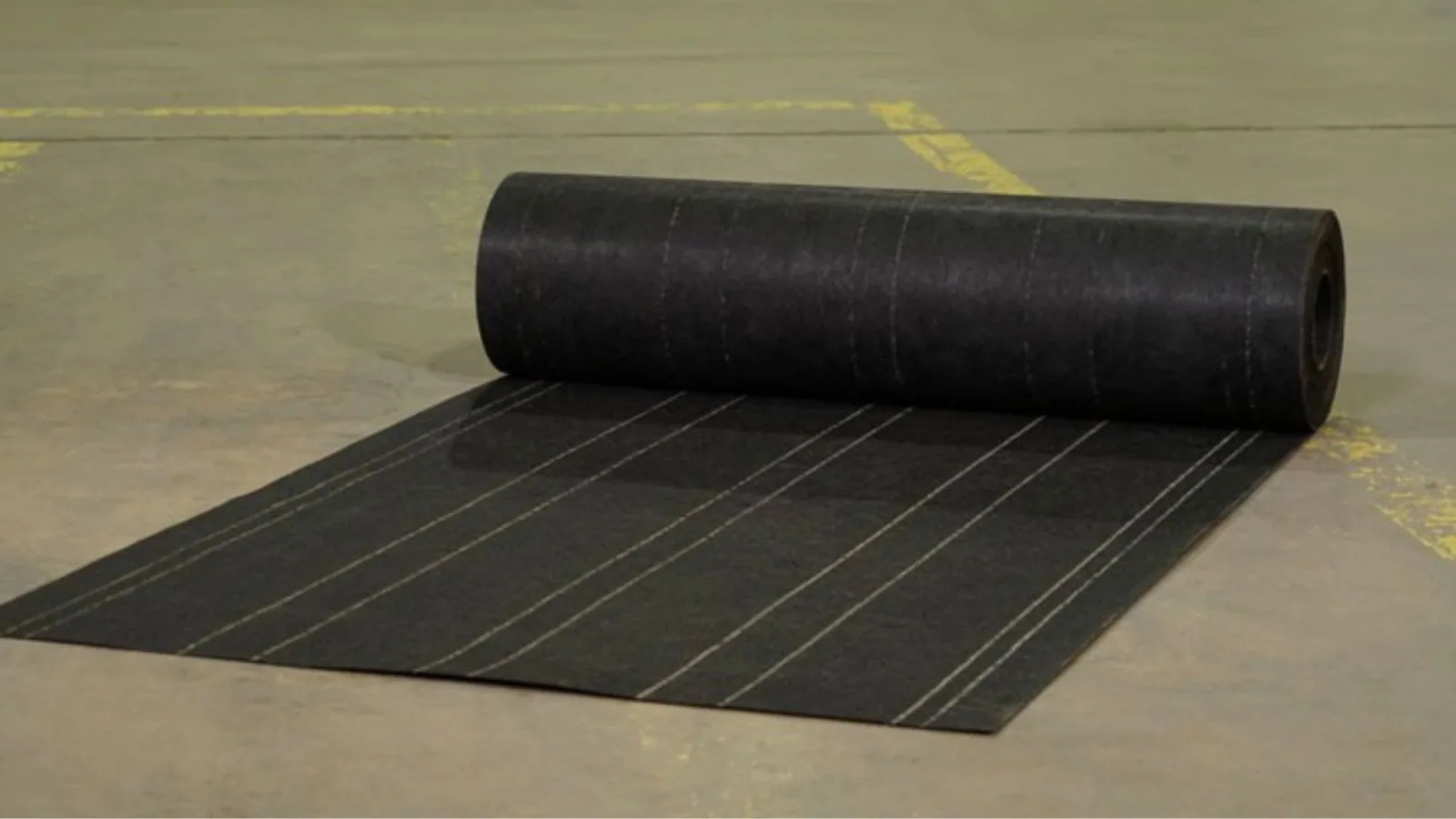
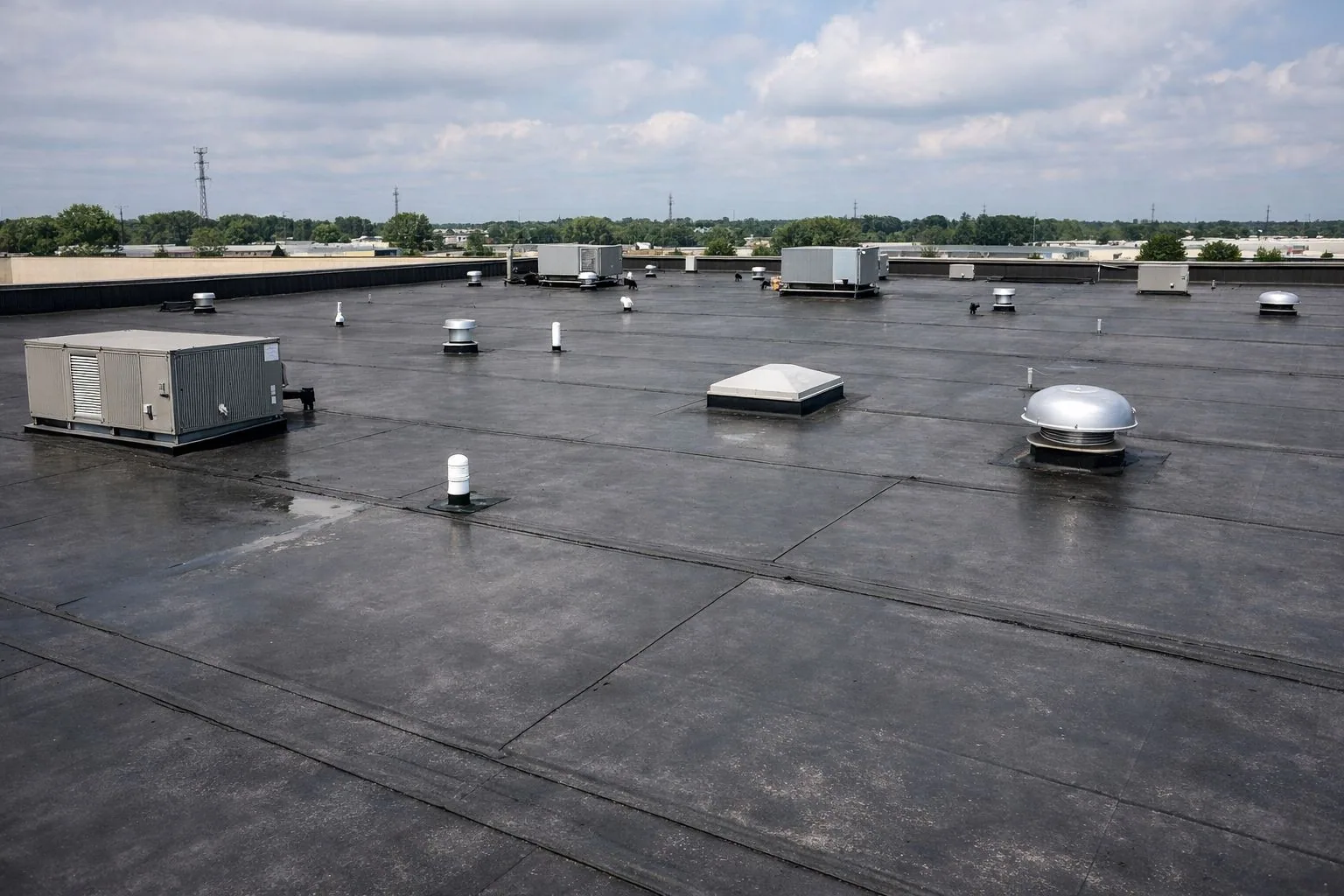
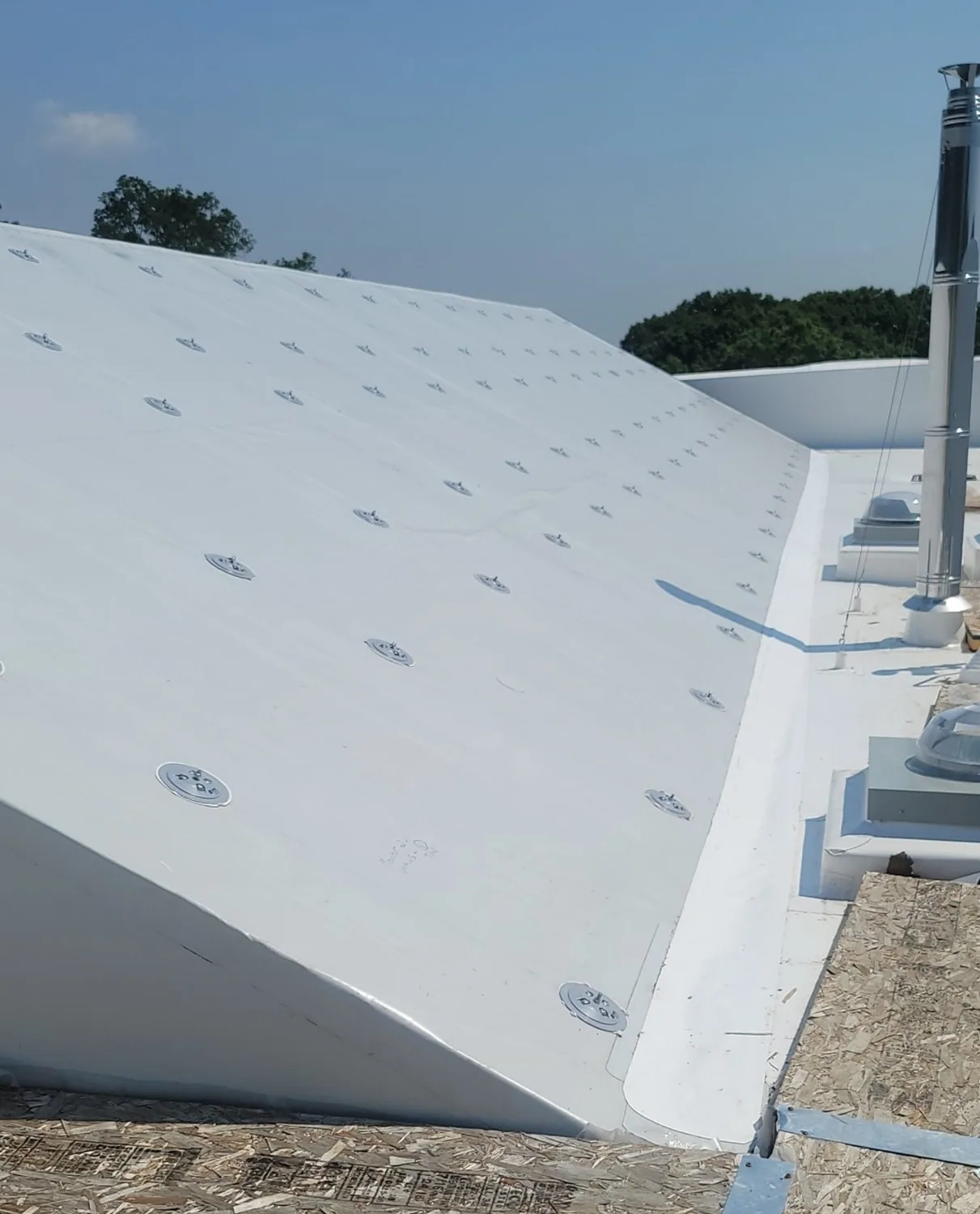
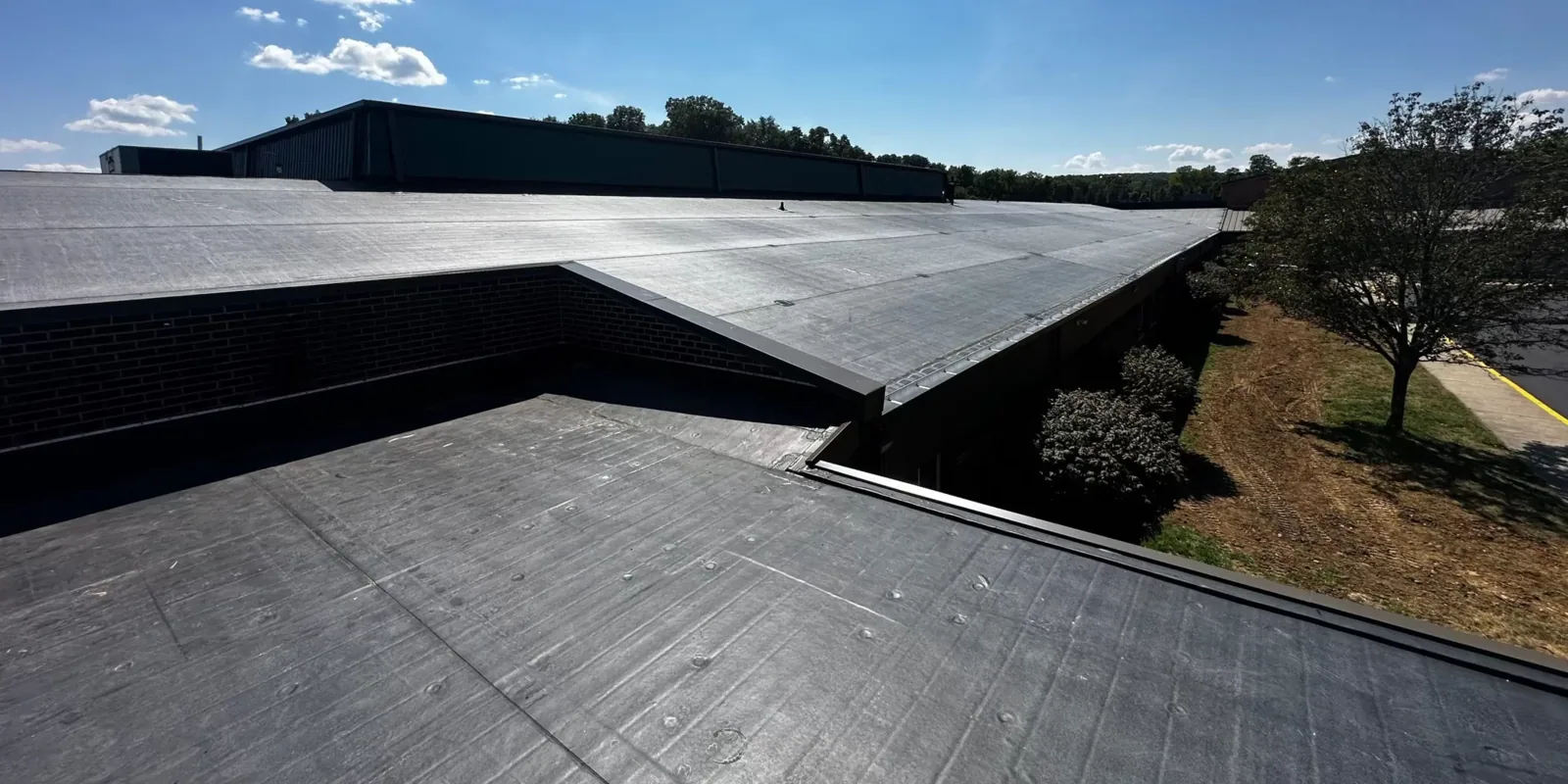
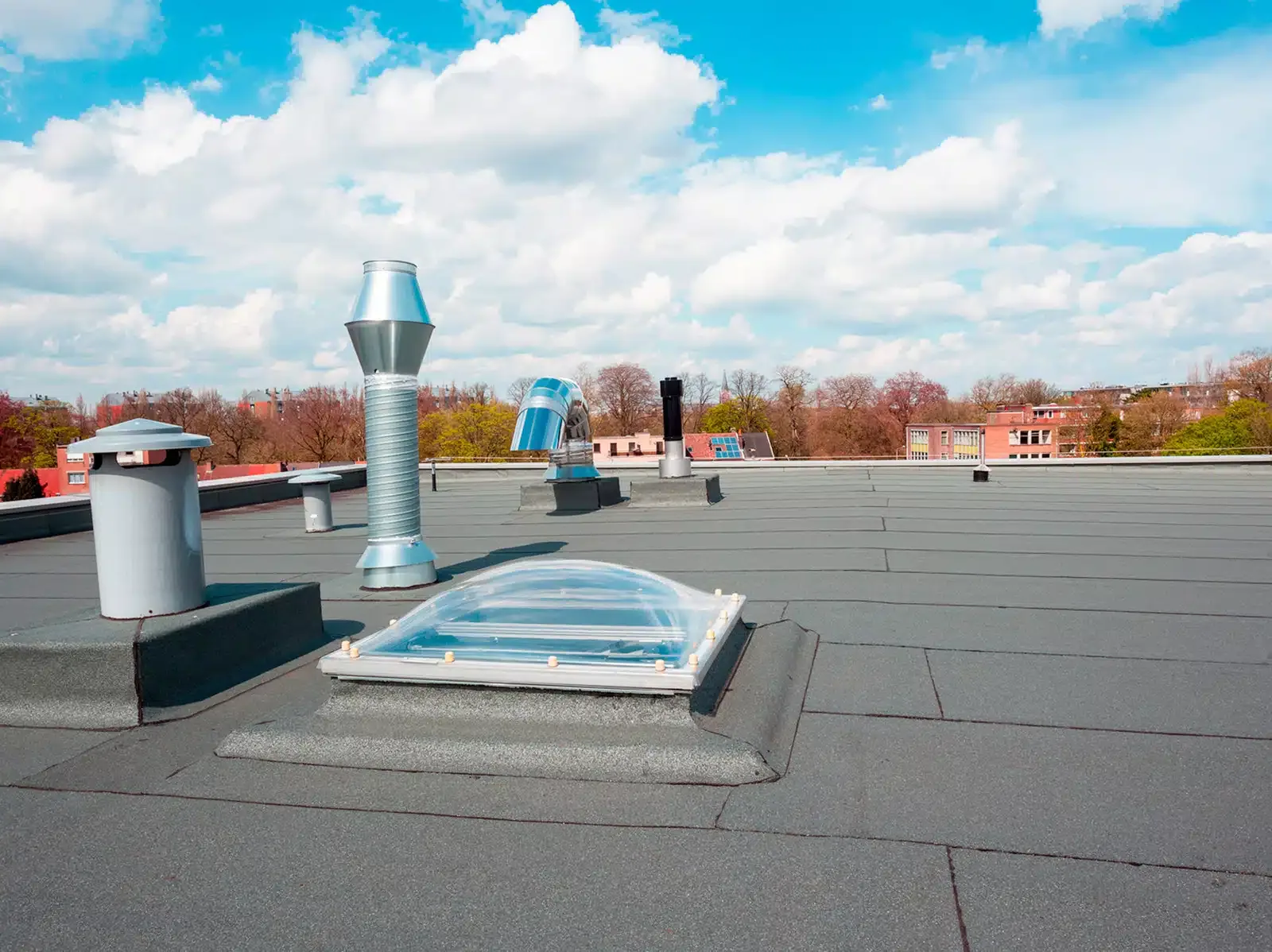
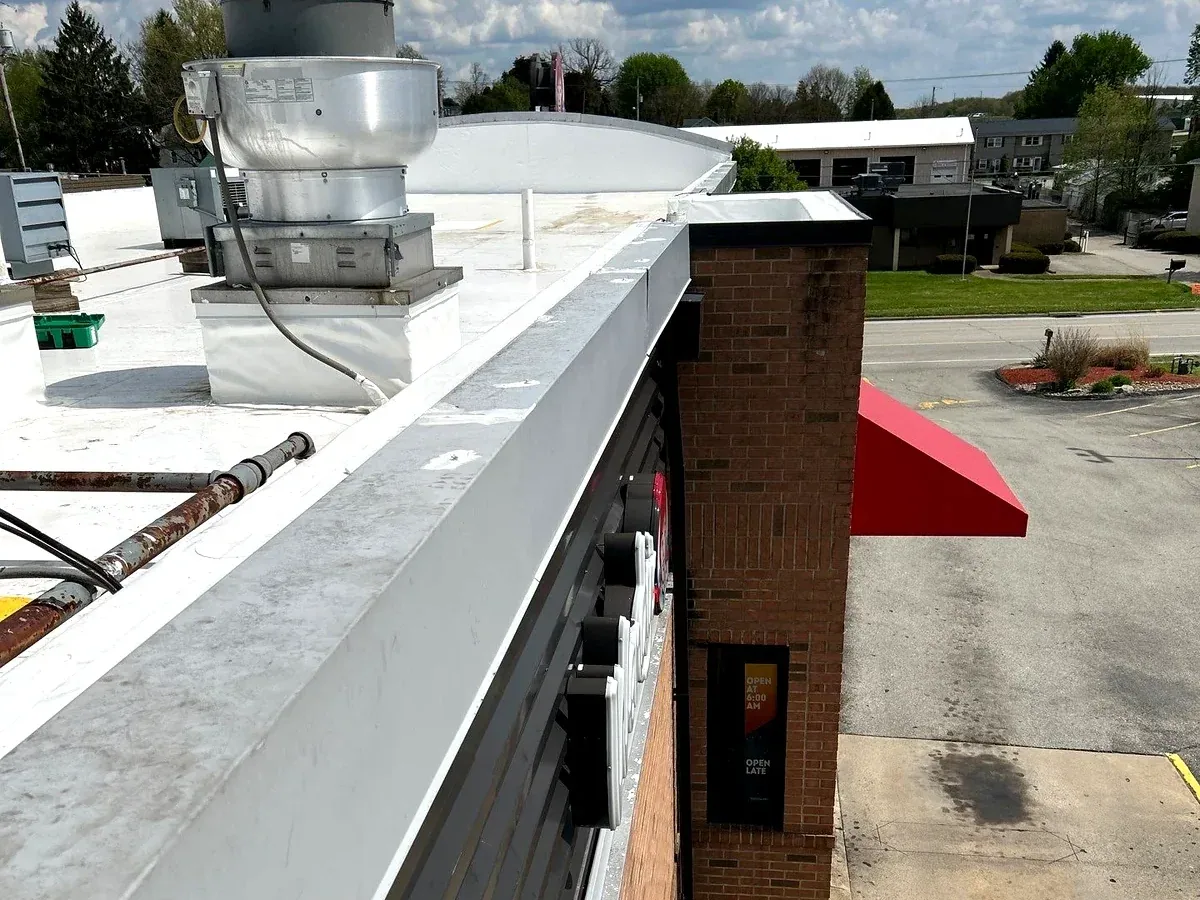
System documentation matters when a roof repair must tie into an existing membrane or metal assembly. In New Haven, freeze-thaw conditions make seam, flashing, and drainage details worth recording alongside the product and installation history. We review available submittals, identify the installed system, and prepare repair or replacement scopes that fit the roof rather than assuming materials from a label alone.
Use the documents with the roof
Product data, warranty papers, closeout records, and prior invoices can identify the membrane and its approved repair materials. We compare those records with exposed edges, seams, and penetrations. For Carlisle SynTec systems or GAF assemblies, the project scope still follows the installed product, substrate, and detail. A roof inspection documents visible condition before material is selected.
Match the repair to the assembly
Surface preparation, patch shape, weld settings, primer, and tie-in width depend on the system and the condition of the existing roof. A Holcim Elevate assembly and a Johns Manville system may call for different products and procedures. We record the material used and the area repaired so future maintenance does not rely on memory.
Plan renewal with compatible details
When replacement is under consideration, we inspect the deck, insulation, attachment, drainage, and roof transitions before comparing specified options. Sika Sarnafil membranes and Versico systems are evaluated against project requirements, substrate, access, and phasing. We describe the system and scope in the proposal, including perimeter and penetration details that affect long-term service.
Keep system information usable
Closeout records should identify the installed materials, roof areas, preparation, photographs, and maintenance items. Soprema assemblies and Duro-Last systems each need a clear product record for later repairs. A roof asset file can preserve that information for future project teams. New Haven and West Haven sites should retain separate assembly histories even when reviewed together.
Material availability and lead time can affect a repair window or replacement sequence. We confirm the required product and accessory package against the actual system and current project specifications, then record any procurement assumption in the schedule. Field conditions may require a documented adjustment before the work is closed.
Questions Owners Ask
Do manufacturer documents determine the repair scope?
They help identify compatible materials and written requirements. We inspect the roof condition and define preparation, tie-ins, and limits for the actual repair area.
What if the installed product cannot be identified?
We document visible system features, review available closeout information, and identify any test or manufacturer confirmation needed before ordering materials. The proposal keeps unknowns visible.
Can a repair use a different manufacturer material?
Compatibility must be established for the existing membrane, substrate, and repair method. We state the selected materials and preparation in the scope before work proceeds.
Which closeout information should the owner retain?
Keep product data, installation areas, photographs, repair records, and the maintenance or warranty documents supplied for the project. Tie each record to the roof zone it describes.