Industries We Serve
Coordinate commercial roofing across New Haven, CT industries with clear scopes for occupied buildings, production areas, offices, and portfolios.
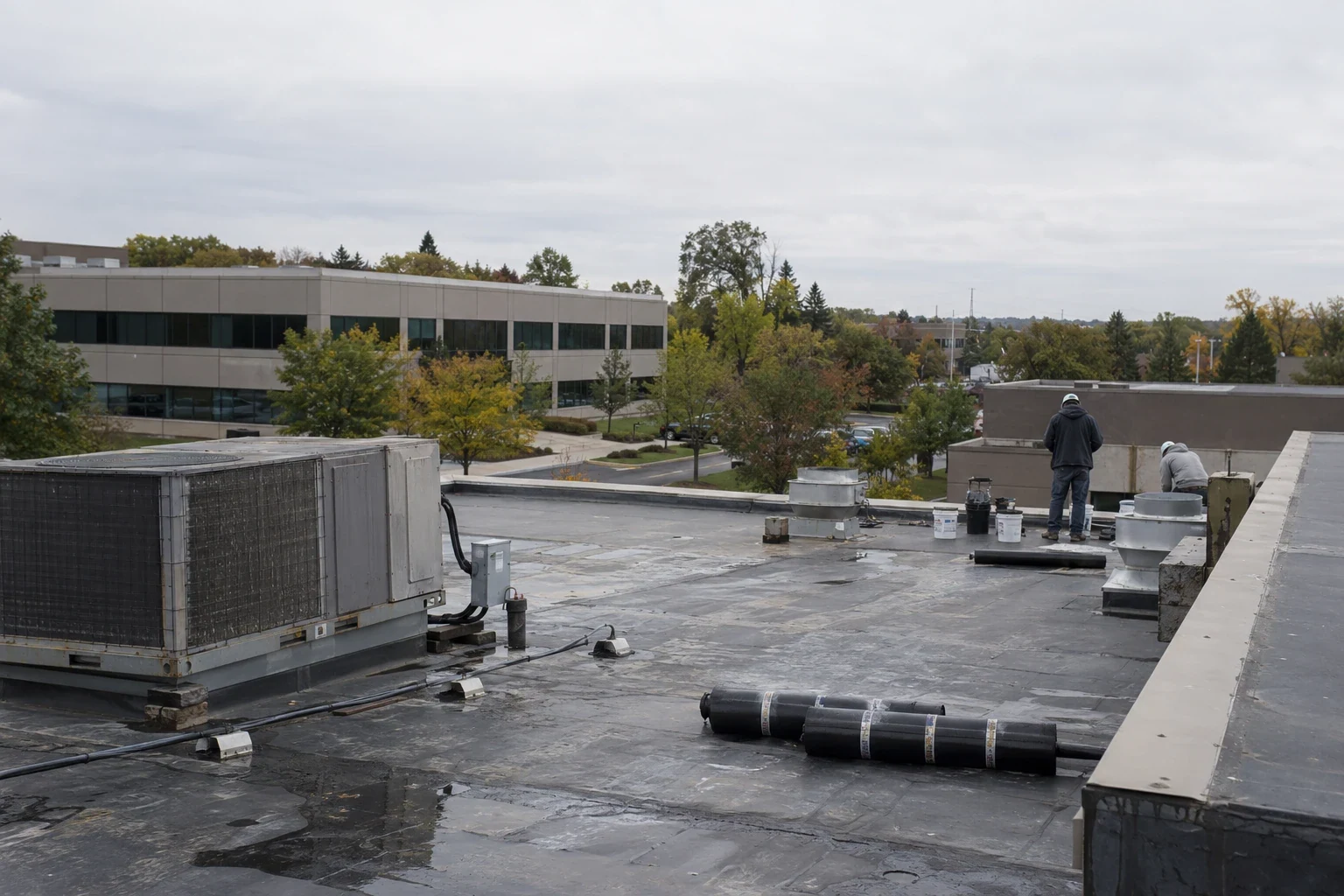
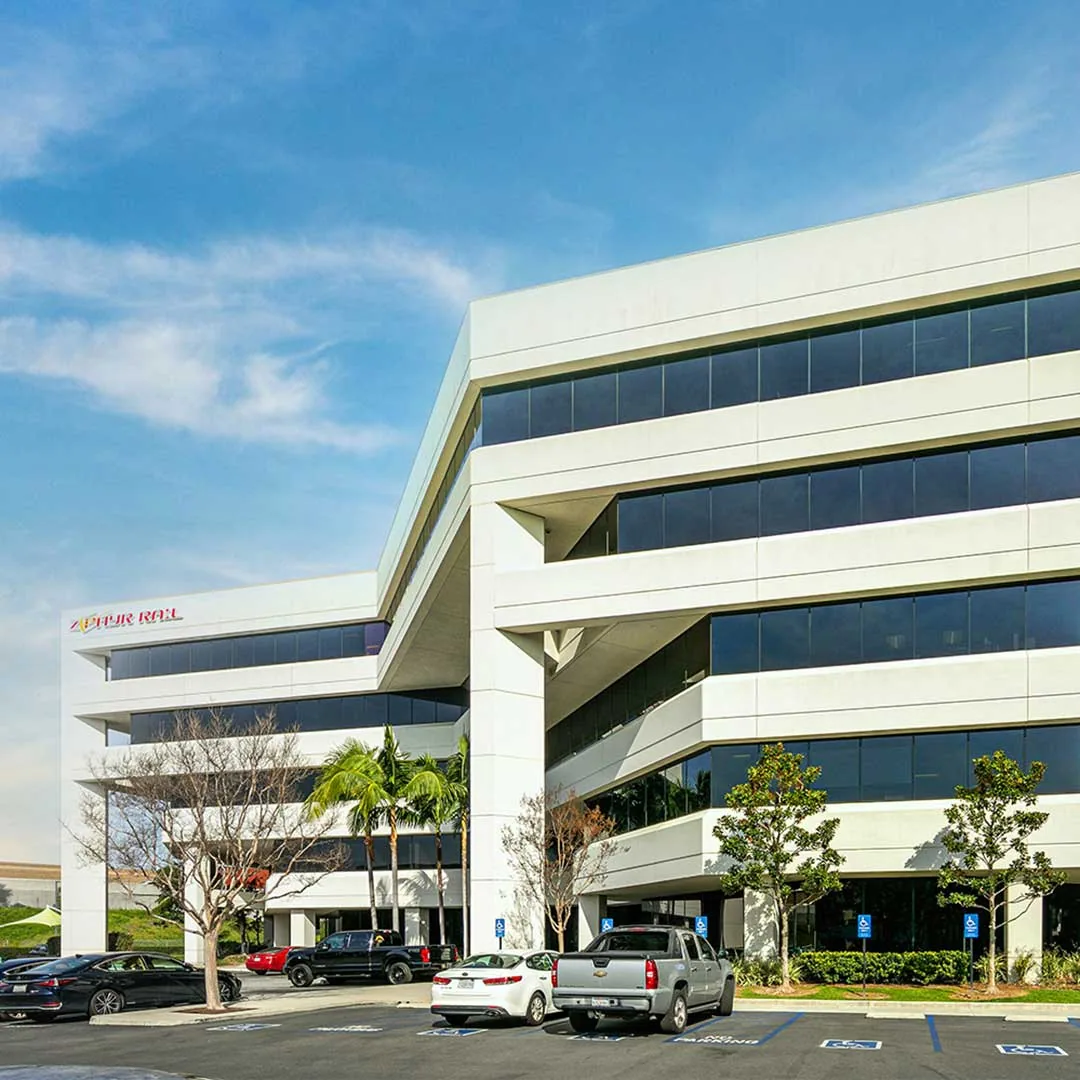
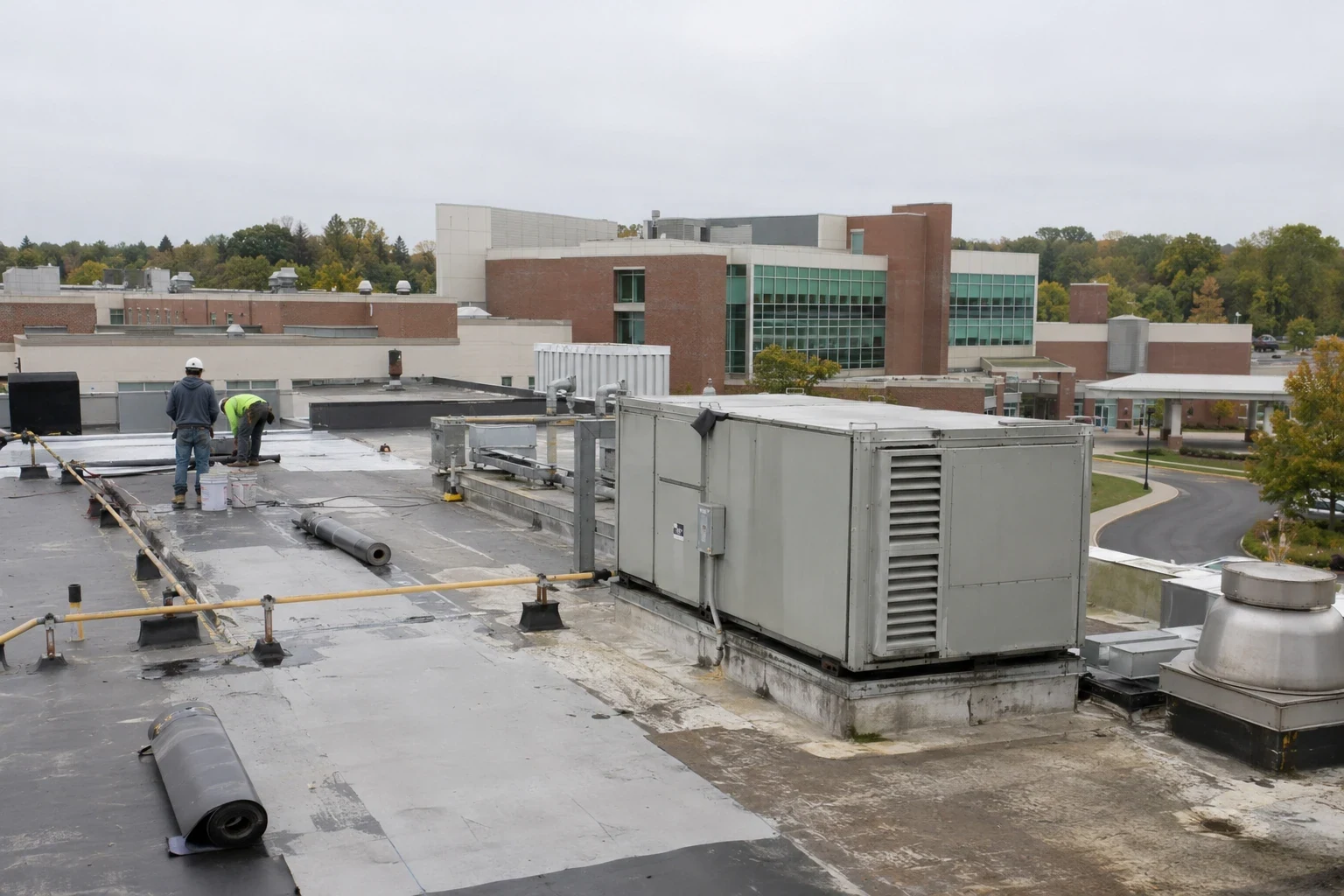
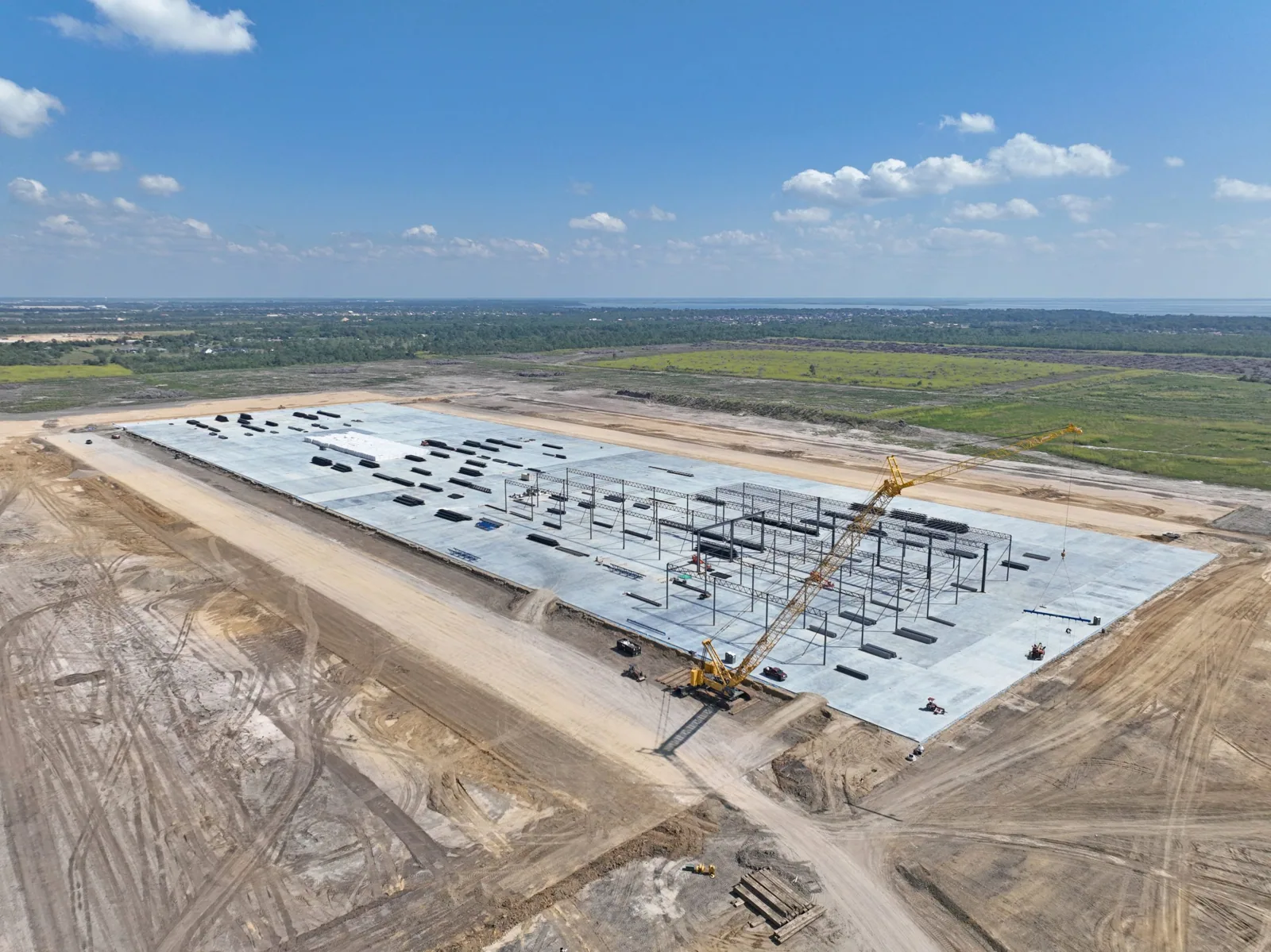
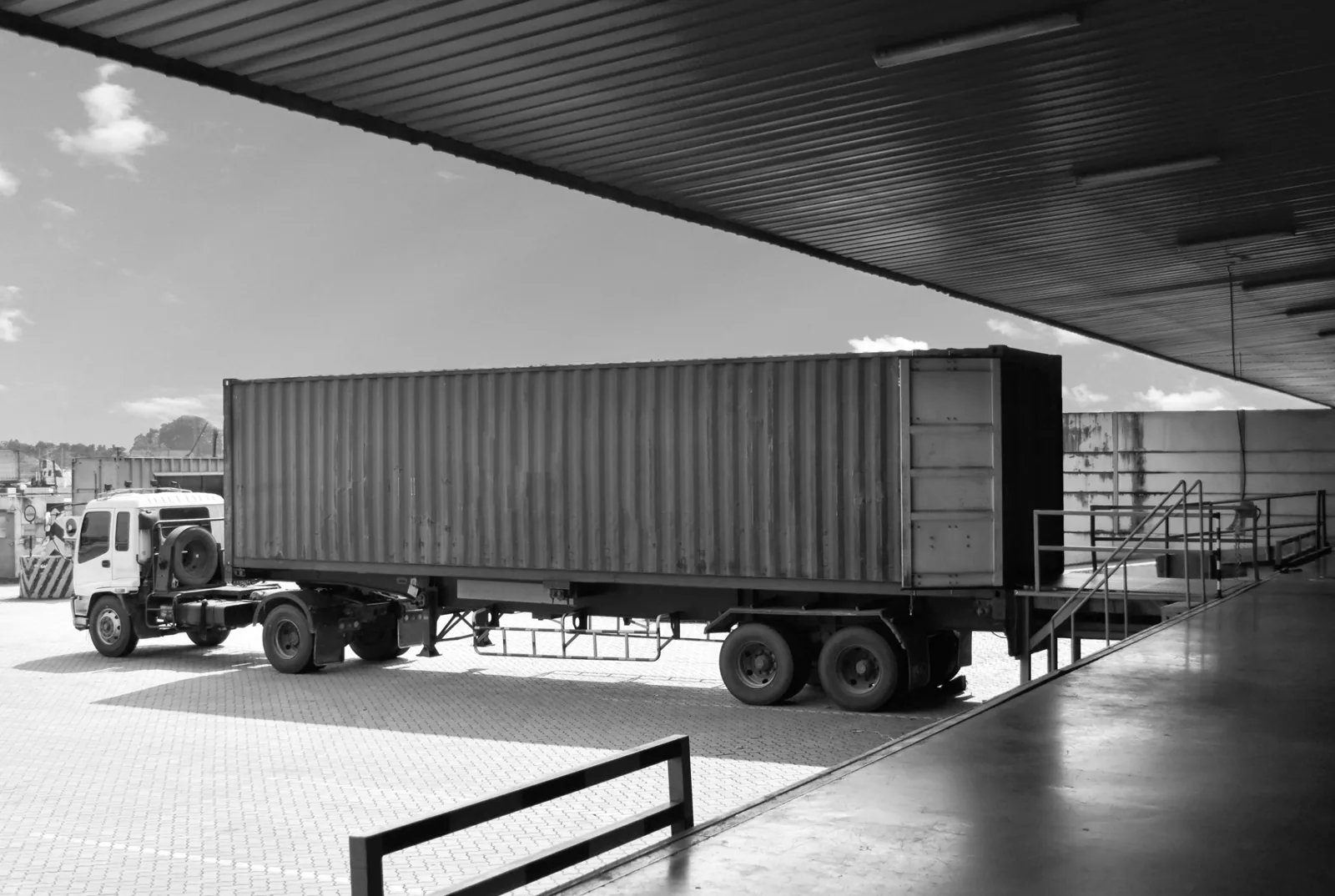
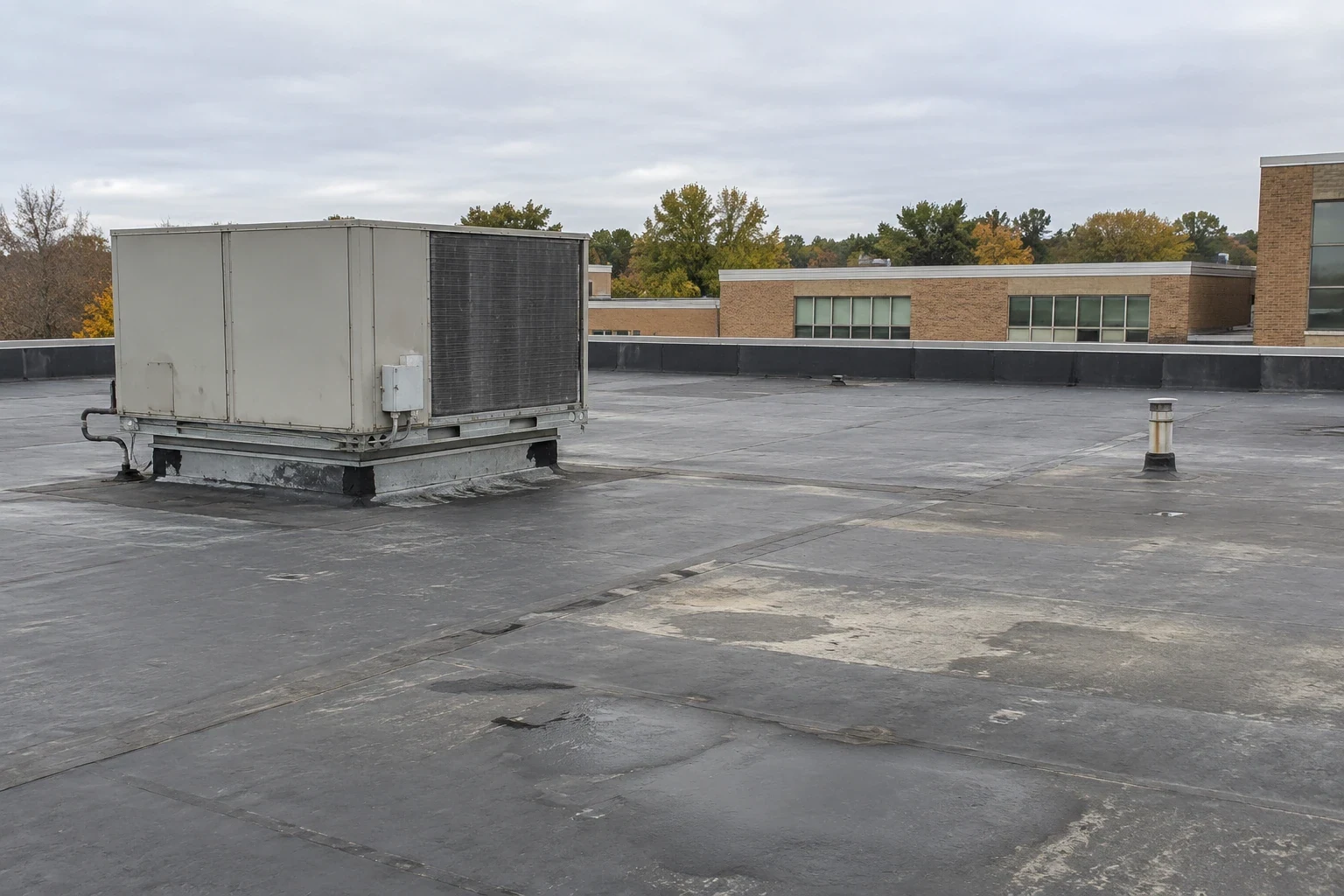
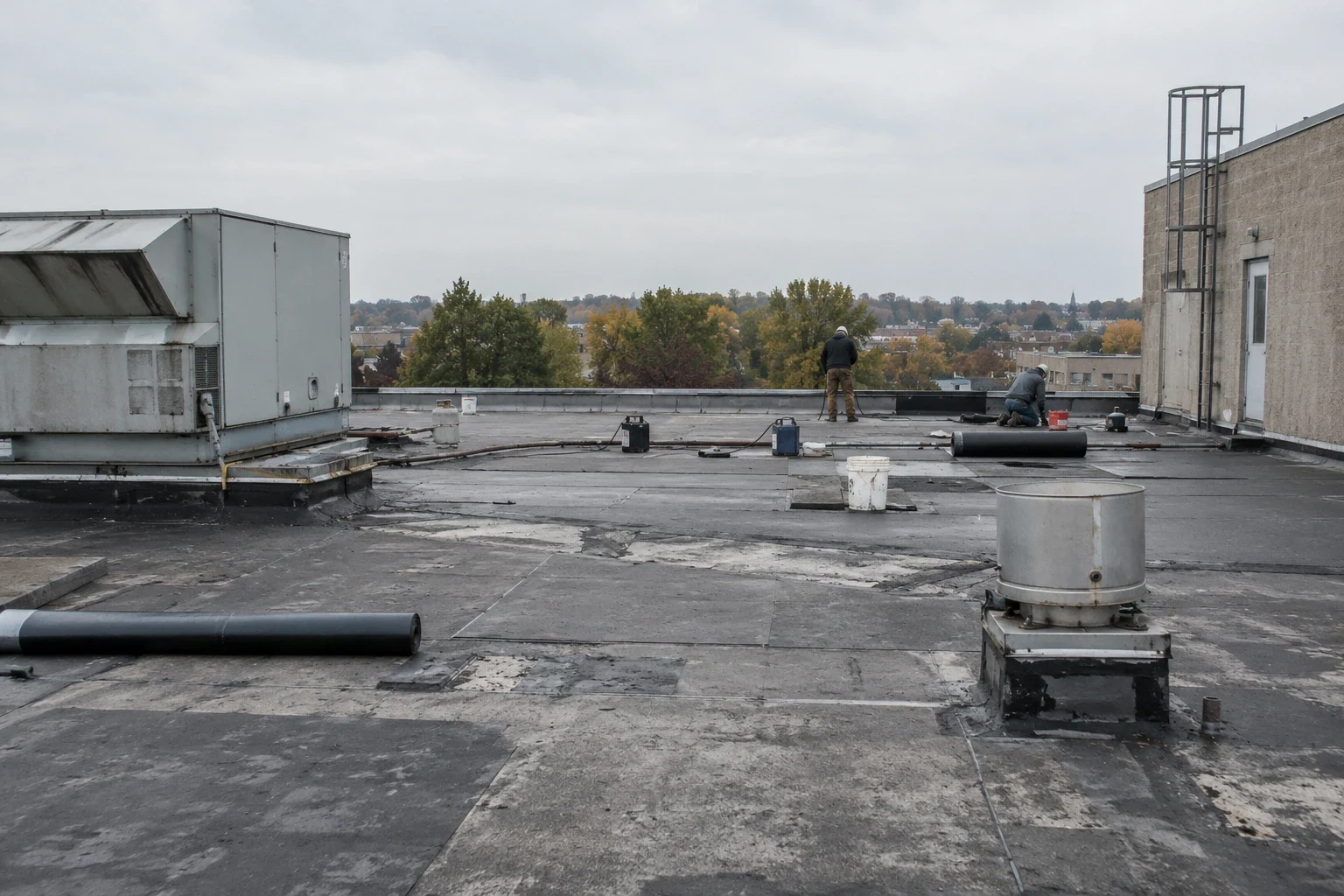
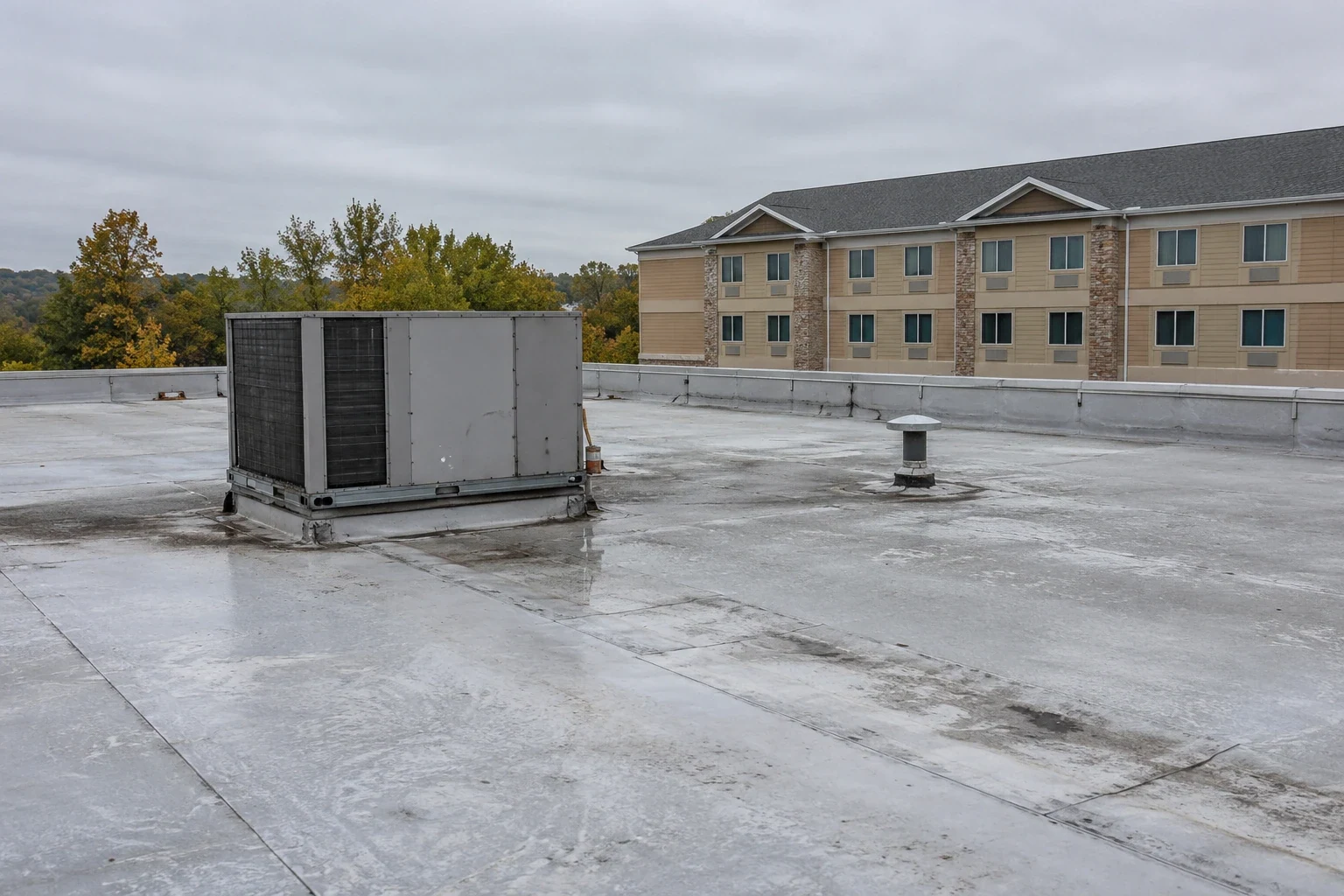
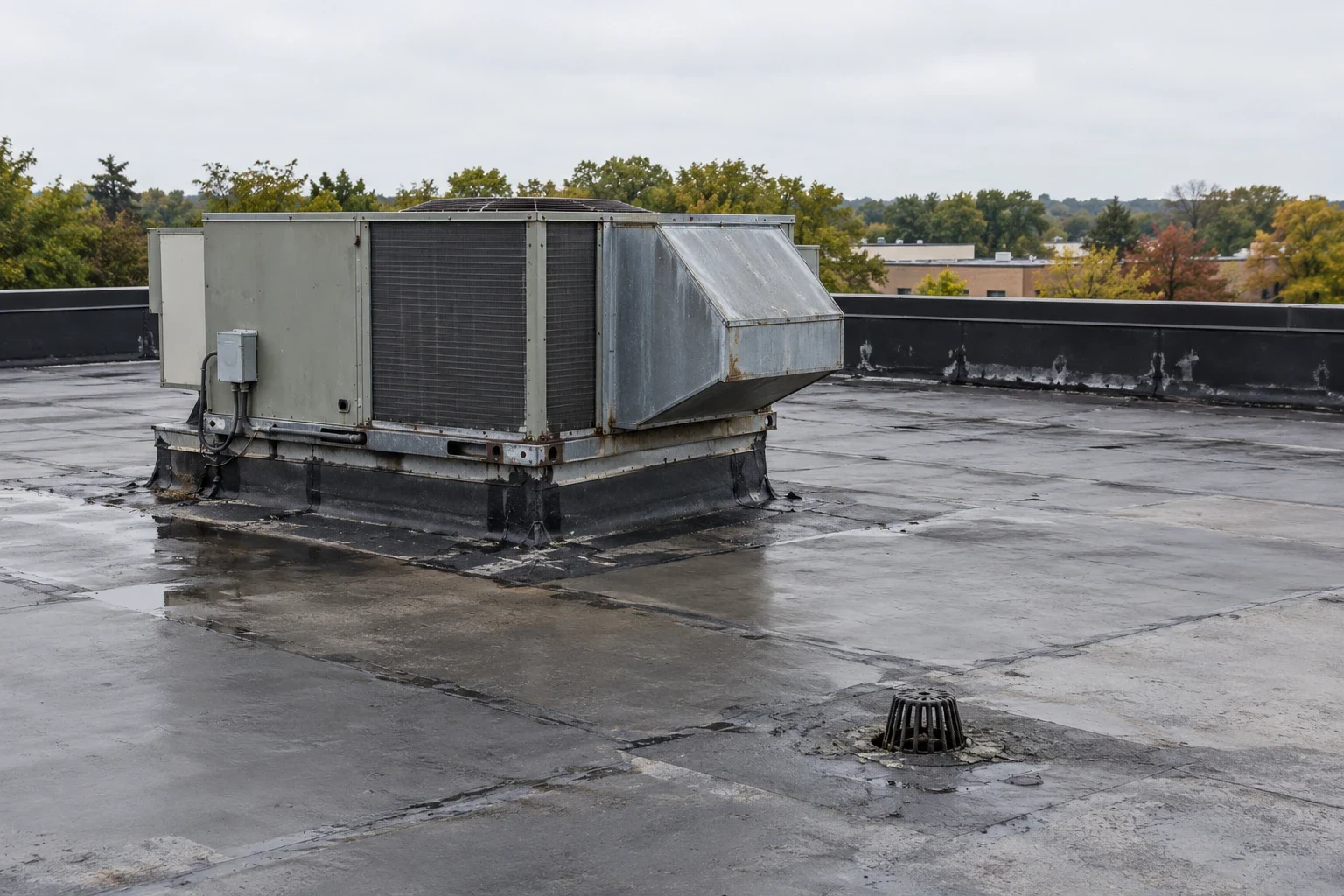
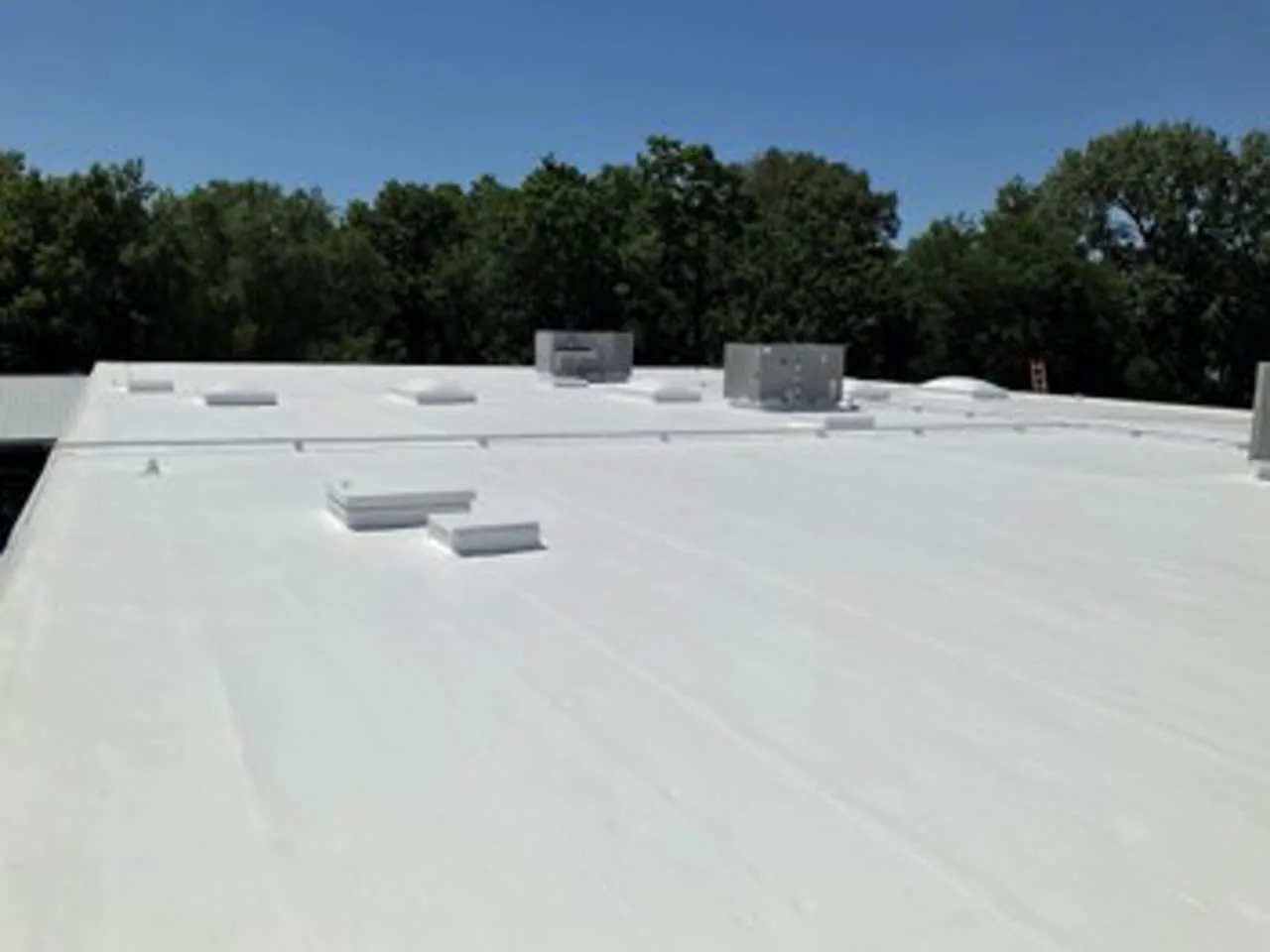
New Haven's health, education, business-service, and manufacturing sectors place different demands on a commercial roof project. A leak over an active room, production area, or office has its own access and protection needs. We document the roof condition and the operating constraint together, giving a general contractor a scope that can be priced and phased without losing the building's use in the discussion.
Coordinate the building team
Facilities staff, tenants, safety leads, and construction managers may all hold a piece of the work plan. We establish a site contact, approved entry, lift location, delivery period, and interior protection before scheduling. A general contractor roof scope should state those assumptions clearly. For owners managing several sites, property management teams can keep building records and decisions aligned.
Track exposure at the detail
Winter freeze-thaw conditions and occasional severe coastal wind make drainage, terminations, and edges useful inspection priorities around New Haven. We examine seams, curbs, drains, walls, and perimeter metal, then record what needs repair or further investigation. A wind damage review can document displaced components, while a roof inspection records broader wear and drainage conditions.
When high winds are reported along the coast, we still inspect each roof for its own evidence: lifted metal, displaced edge components, open seams, or water entry. A dated photo record helps the project team separate storm response from maintenance work already planned.
Protect production and service
Manufacturing and healthcare operations may depend on equipment, ventilation, clean interior spaces, or controlled access. We identify roof work that could affect those conditions, then phase noisy or disruptive tasks around an agreed window. Manufacturing properties may also need coordination around deliveries and production changes. The proposal separates confirmed repair work from contingencies tied to concealed substrate conditions.
Keep portfolio decisions comparable
When multiple operating groups submit roof concerns, dated photos and consistent area labels help distinguish urgency from project size. We record the reported leak, inspection finding, repair recommendation, and remaining uncertainty for each zone. A roof asset register can preserve that history for capital reviews. Work near North Haven can be mapped separately while keeping common reporting fields for the wider program.
Questions Owners Ask
How can roofing proceed without disrupting operations?
We agree on access, work hours, interior safeguards, and delivery steps with the site team. Roof zones can be sequenced so the project record and daily plan show which areas are active.
What should a portfolio manager receive after inspection?
A dated report with roof-area labels, photos, observed conditions, recommended work, and unresolved questions. That makes it possible to compare sites while retaining each building’s specific history.
Can a roofing plan include future capital work?
Yes. We separate immediate water control from planned renewal and rank the remaining needs by observed condition, access, and timing. That gives the owner a basis for budgeting each roof area.
Which New Haven conditions belong in planning?
Freeze-thaw exposure and coastal wind inform attention to drainage and edges. We still confirm the roof’s actual assembly and condition at the property before defining repair or replacement work.