
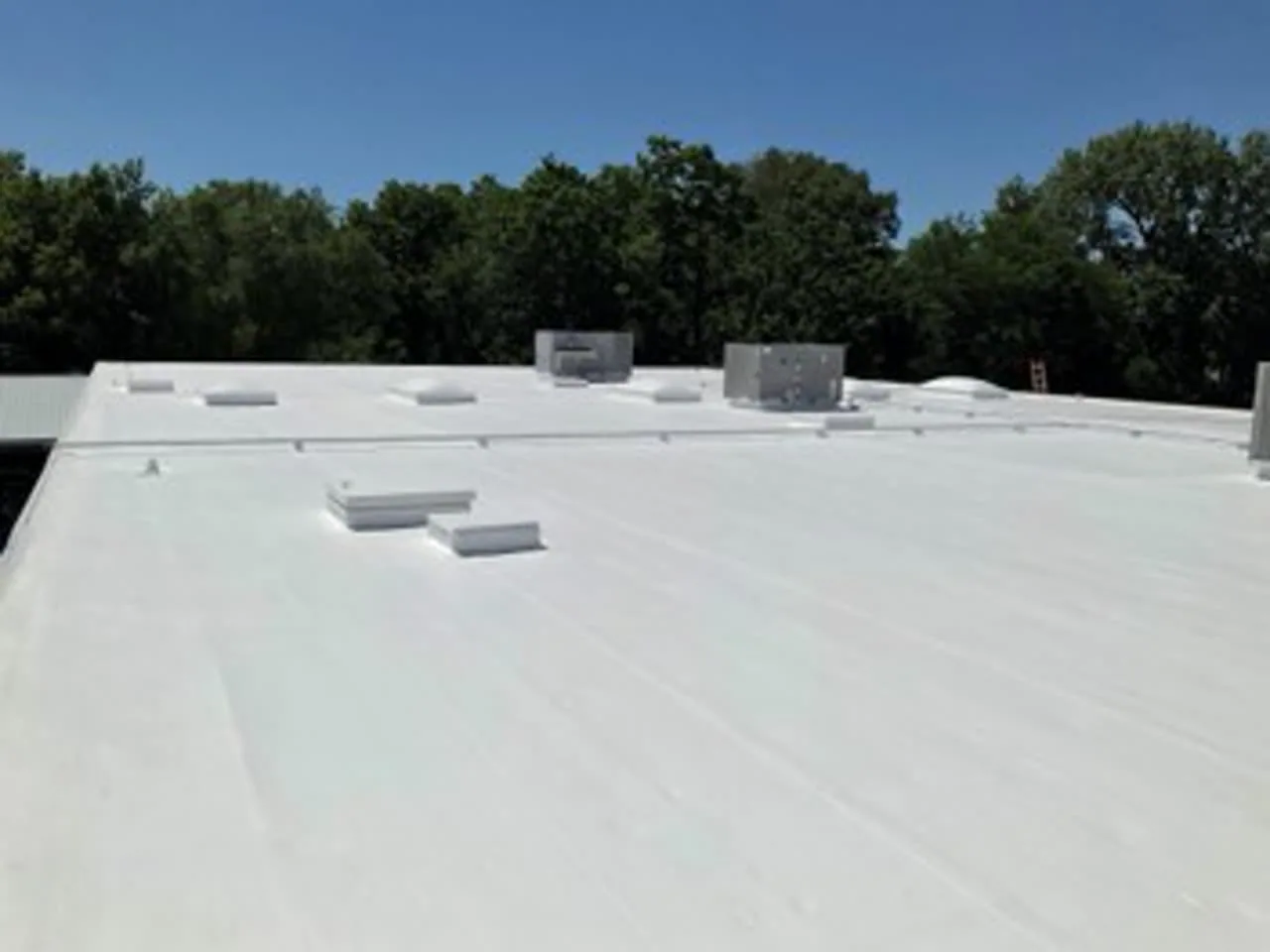
Modified Bitumen Roofing in New Haven, CT
Modified Bitumen Roofing
Plan modified bitumen roof repair or replacement in New Haven with ply, flashing, drainage, and phasing details aligned with project conditions.
Several bonded plies give modified bitumen roofs a layered way to manage water in New Haven, CT. The assembly still depends on sound laps, flashing, drainage, and a base that can carry the selected system. We inspect the existing roof history and visible conditions before defining repair or replacement limits. A general contractor can compare a focused correction with a broader scope when the bid states which layers remain, which are removed, and how each transition will be rebuilt.
New Haven's winter climate includes repeated freezing nights, so water movement and edge details deserve attention during planning. The local building mix includes health, education, manufacturing, and business services, where access and occupied hours can affect how the work is sequenced. We connect those constraints to the roof scope rather than treating plies as a stand-alone product choice.
Ply build-up and surface condition
Modified bitumen is assembled in layers with reinforcing materials and asphaltic compounds. The selected product may be applied with heat, adhesive, or another approved method, so the project specification should state the intended process. We review the base sheet, interply bond, cap sheet, surfacing, and edges for splits, blisters, open laps, exposed reinforcement, or repairs that have lost adhesion.
A small surface crack can have a different scope from a separated ply that admits water below the cap sheet. We record the visible condition and, where needed, open a test area to understand the layers beneath. The findings show whether a localized repair can tie into sound material or if the roof needs more extensive removal. Where a portion remains viable, a recover assessment can compare added material with the existing layer count and drainage clearance.
The specification should also distinguish SBS and APP products and state whether a base, interply, and cap sheet are included. That description affects how the crew prepares the surface, handles laps, and closes details at the end of a shift. We check whether the existing assembly uses a compatible method and record any interface where a new layer meets older material. A bid that only names modified bitumen leaves the general contractor without enough detail to compare the layer build-up.
When another roof system is under consideration, we compare the repair threshold, removal assumptions, and drainage height rather than ranking materials in the abstract. A built-up roof assembly has its own ply and surfacing requirements, while TPO uses welded single-ply seams. The selection should match the approved design and the substrate that examination confirms.

Drainage and freeze-thaw exposure
New Haven's climate normal records over one hundred nights each year at or below freezing. Repeated freeze and thaw makes it useful to check low areas, drain bowls, scuppers, and the laps near standing water. We follow the roof's drainage path and record whether the surface sheds water toward an open outlet or holds it against a seam or flashing return.
Drainage corrections can involve more than removing debris. The slope, sump, drain connection, and surrounding plies may all affect how water leaves the roof. We distinguish a maintenance item from a damaged component and identify whether a test opening is needed to verify moisture below the surface. A drainage scope can price the outlet separately, while a moisture survey can guide samples where wet insulation would change the repair boundary.
Application choices and trade control
Installation method affects staging, worker access, and protection of the space below. Heat-applied systems require controls for the work area and combustible materials; adhesive-applied details need suitable conditions and the specified preparation. We coordinate the installation method with the general contractor and other trades before the first roll is placed, then keep a daily closure plan for open edges.
At walls, curbs, pipes, and equipment supports, flashing should be compatible with the field sheets and tied into a secure termination. We inspect corners and penetrations as separate details because a sound field surface cannot compensate for an open transition. If old metal or curb geometry prevents a reliable turn-up, that correction belongs in the bid. The interface with coping and edge metal should be defined so the crew does not leave the perimeter to a later, uncoordinated visit.
Coastal wind and perimeter decisions
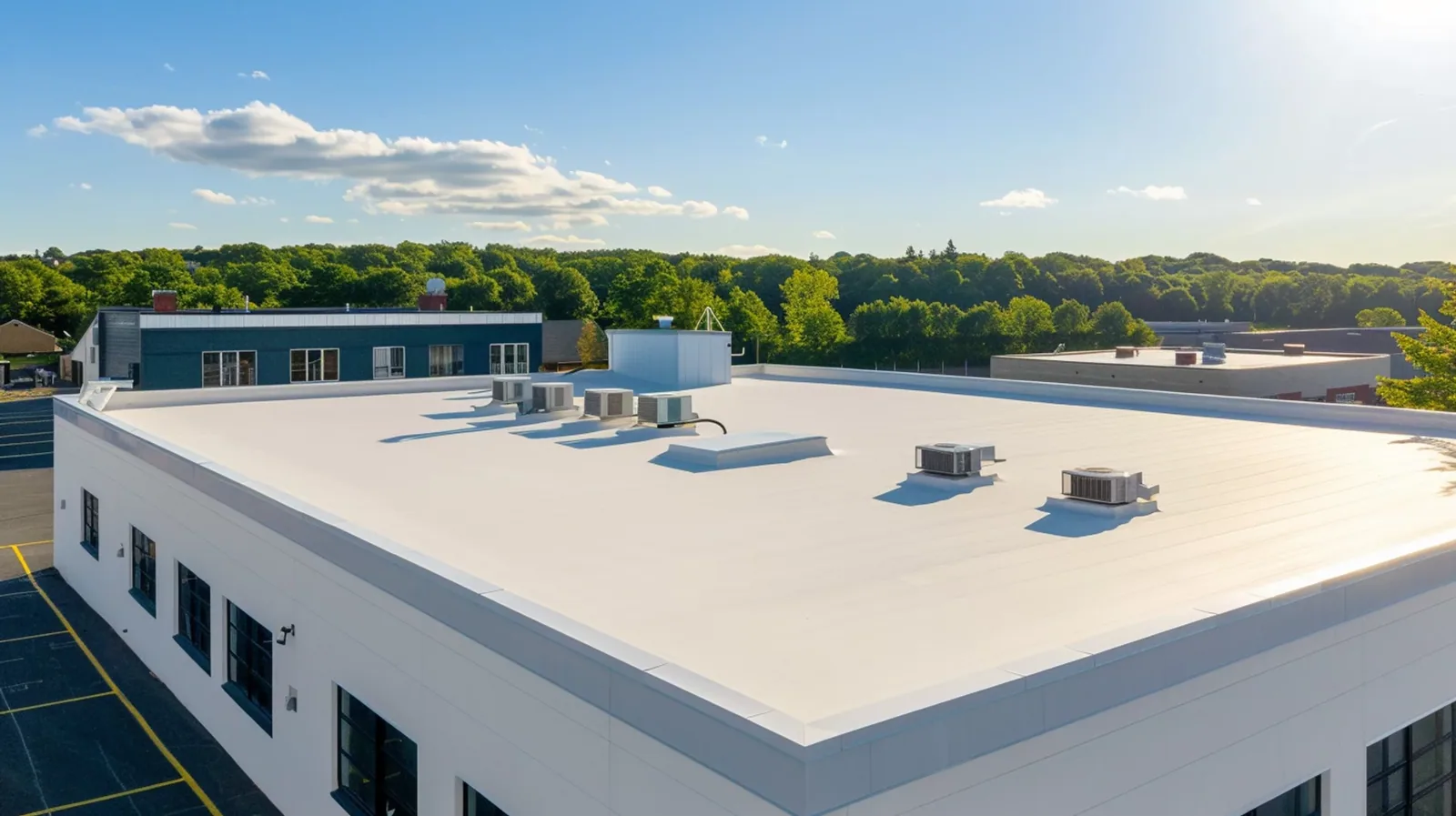
A regional coastal storm can make edge conditions a priority without setting a repair scope for an individual building. During Sandy, a severe gust was recorded in Madison, within New Haven County. For a modified bitumen roof, we check perimeter attachment, corners, flashing returns, and any surface material that has shifted, then document what the property actually shows.
Milford's commercial mix includes retail, healthcare, distribution, warehousing, and manufacturing. Those uses can create different constraints for lift access, deliveries, and work zones beneath the roof. We identify which entrances or loading paths must remain clear, then set the order of work around those requirements. A wind-related inspection can inform the repair list when movement is observed, but the proposed ply and edge work follows the examination, not the storm label.
Bid comparison and closeout
A complete modified bitumen proposal identifies removal depth, new plies, surfacing, insulation assumptions, flashings, drains, perimeter metal, and temporary protection. It should separate measured conditions from allowances for concealed deck or moisture findings. That lets a general contractor compare quantities and phasing instead of reconciling different assumptions after the roof is opened.
Closeout photographs should identify each repaired or replaced zone, the completed transitions, and any limitation that remains. We record the roof section and material so future inspections can compare the same area. Those details can carry into later maintenance and capital timing. For work in New Haven, bring prior repair invoices, drawings, bid scopes, and access limits to a scope review. We will identify which condition affects the price, sequence, or next inspection. The record also states which exposed plies were inspected and where the next review should begin. We also retain the phase boundary and temporary closure details for the next contractor visit. That keeps the closeout tied to the planned sequence.
Questions Owners Ask
How can I tell whether modified bitumen needs a patch or removal?
We inspect the cap sheet, laps, underlying plies, moisture, and deck condition. A localized defect in sound material may support repair; broad separation or wet layers can change the removal boundary. The report explains which findings support the recommended scope.
Does the application method change the project plan?
Heat, adhesive, and other approved application methods have different preparation and safety controls. We state the selected process and coordinate it with staging, occupied areas, and nearby trades. Open edges also need a defined temporary closure at the end of each work period.
What should be checked after a New Haven winter?
Drainage paths, low areas, laps, flashings, and edge terminations are useful priorities after repeated freezing. We compare them with leak reports and prior repairs, then identify a repair or monitoring step tied to the observed condition.
Can modified bitumen be recovered instead of removed?
Existing layer count, moisture, deck strength, attachment, and drain height determine if a recover can be considered. We identify conditions that can remain and areas that need opening, then make those assumptions visible in the bid.
Which items commonly change a modified bitumen bid?
Removal depth, wet insulation, deck repairs, flashing transitions, surfacing, and access can change cost and duration. We separate confirmed quantities from concealed conditions and state any trade coordination or phasing limits before mobilization.