

Roof Systems
Review low-slope and metal roof systems in New Haven, CT, with installation, repair, drainage, and maintenance choices tied to the existing assembly.
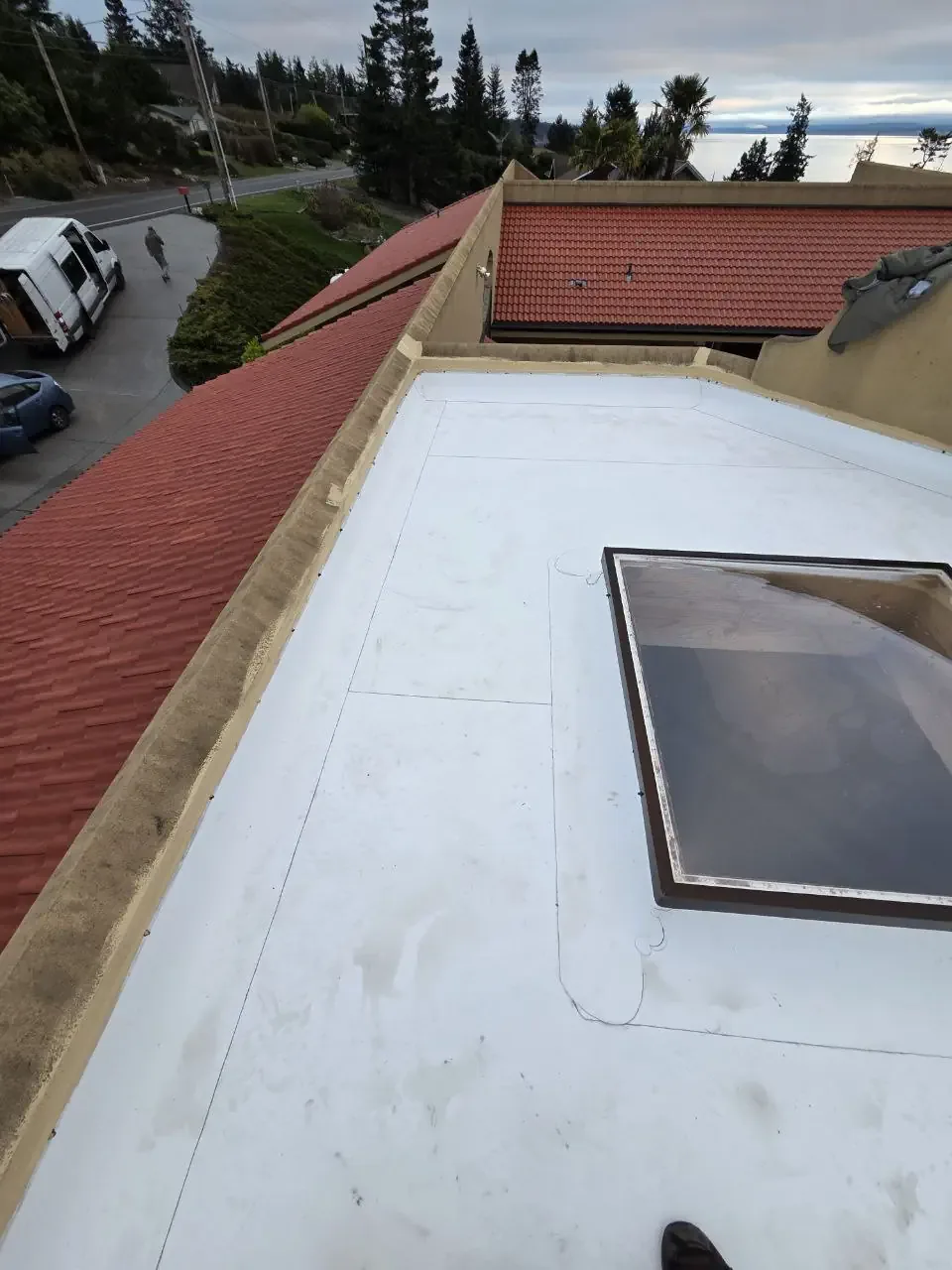
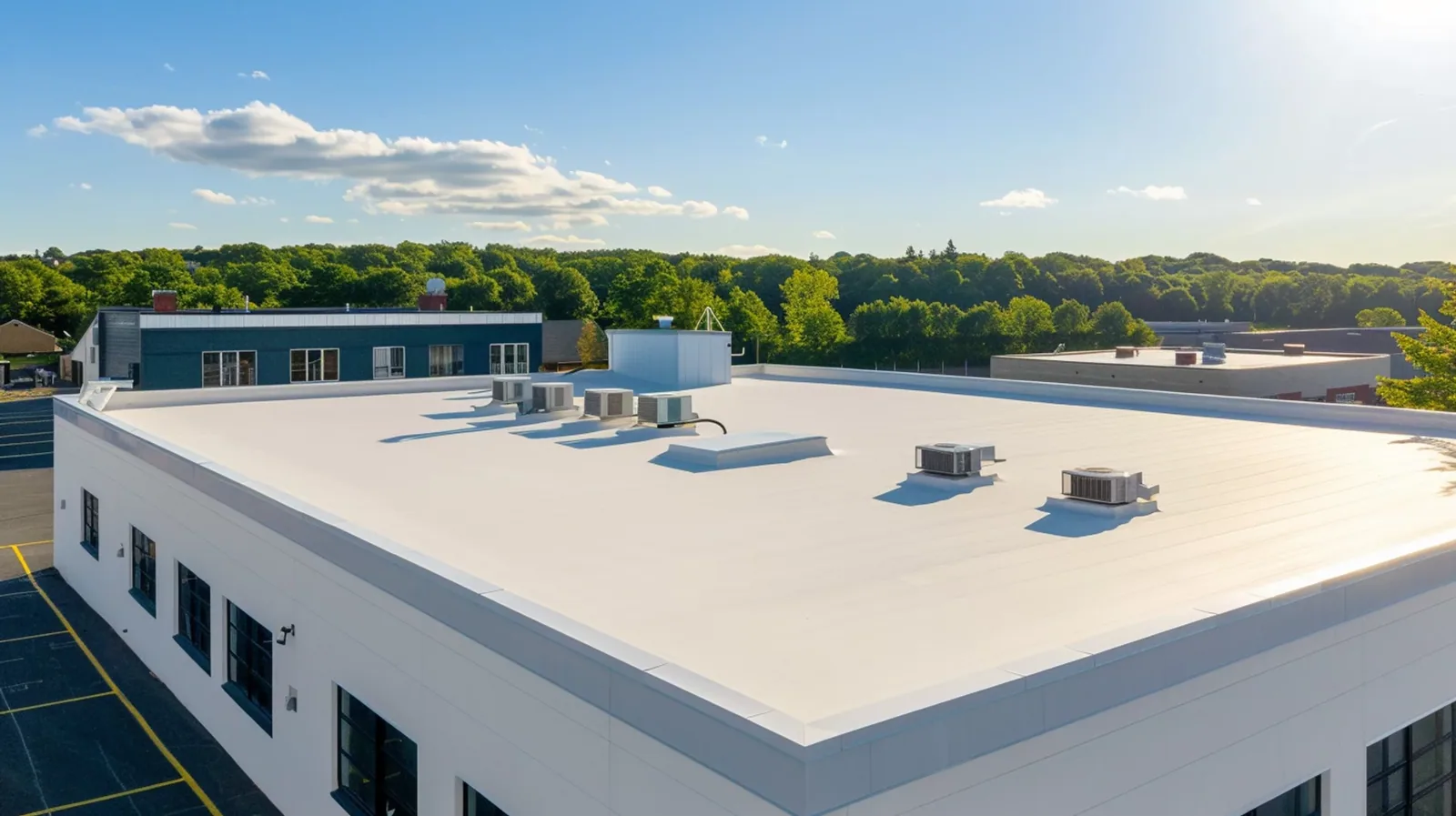
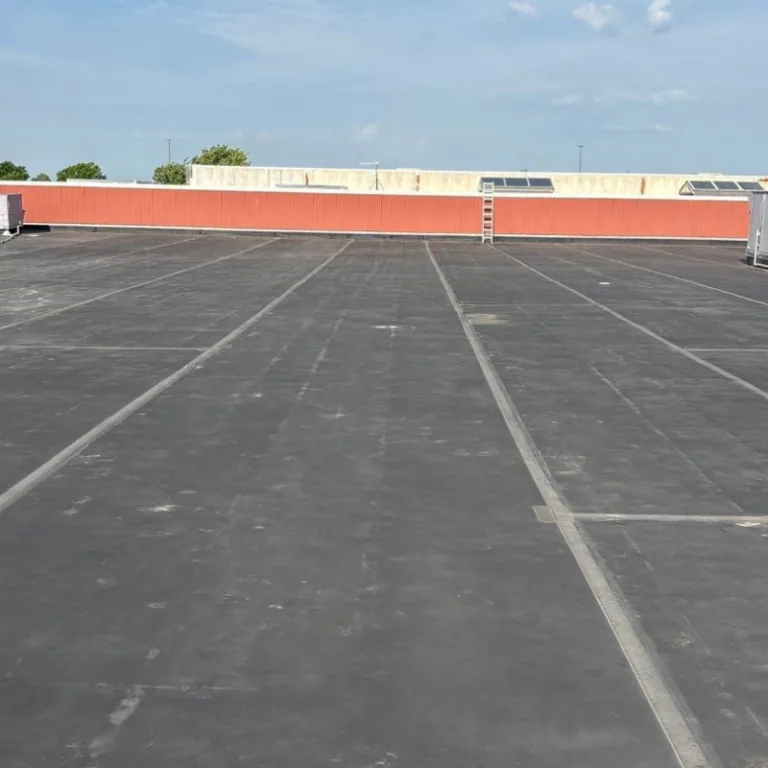
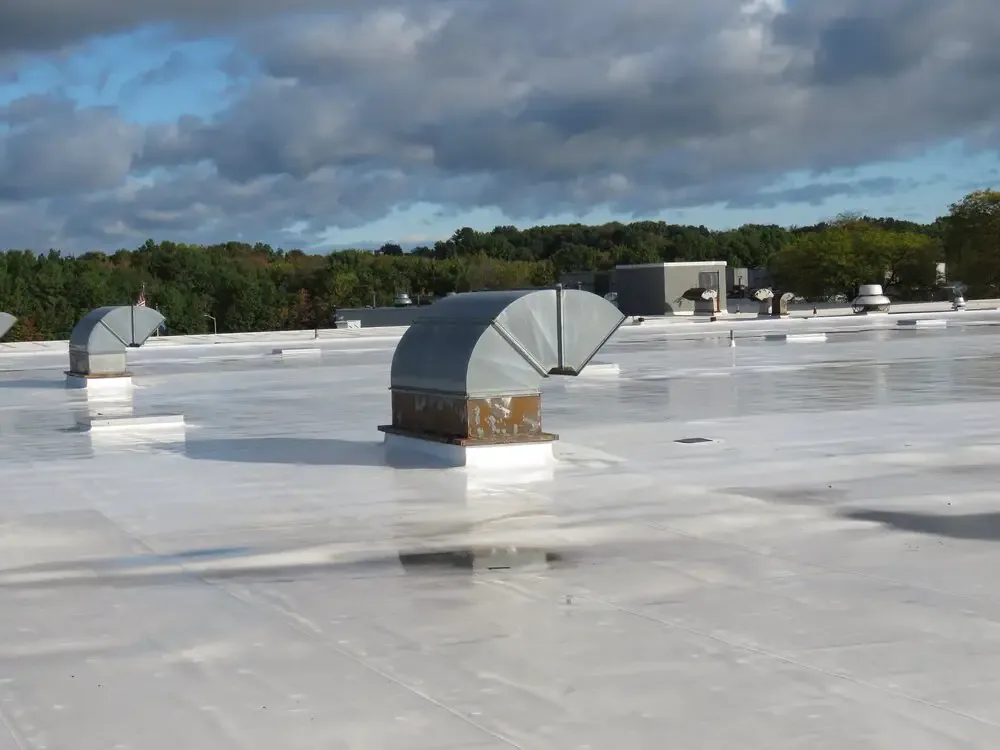
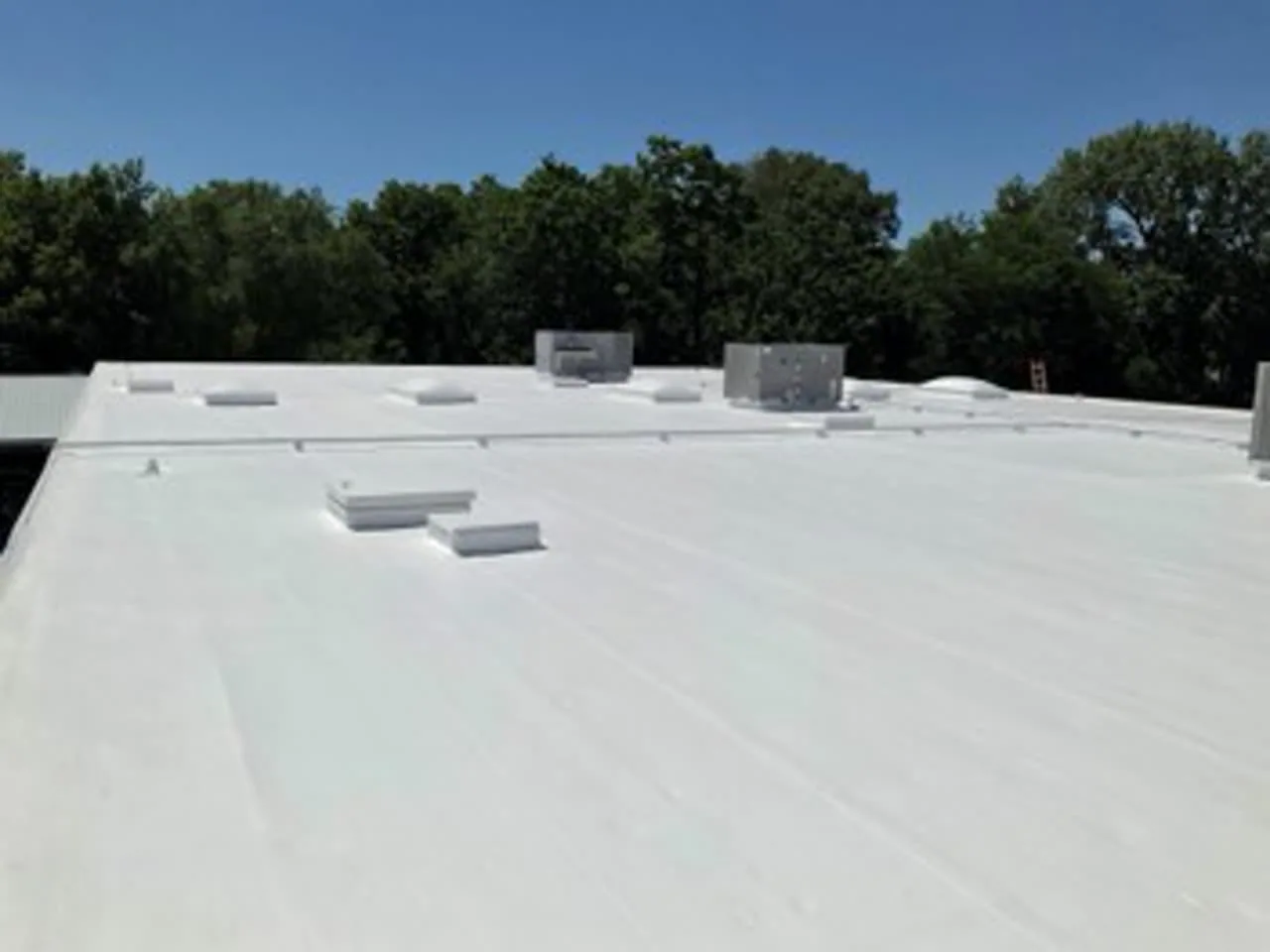
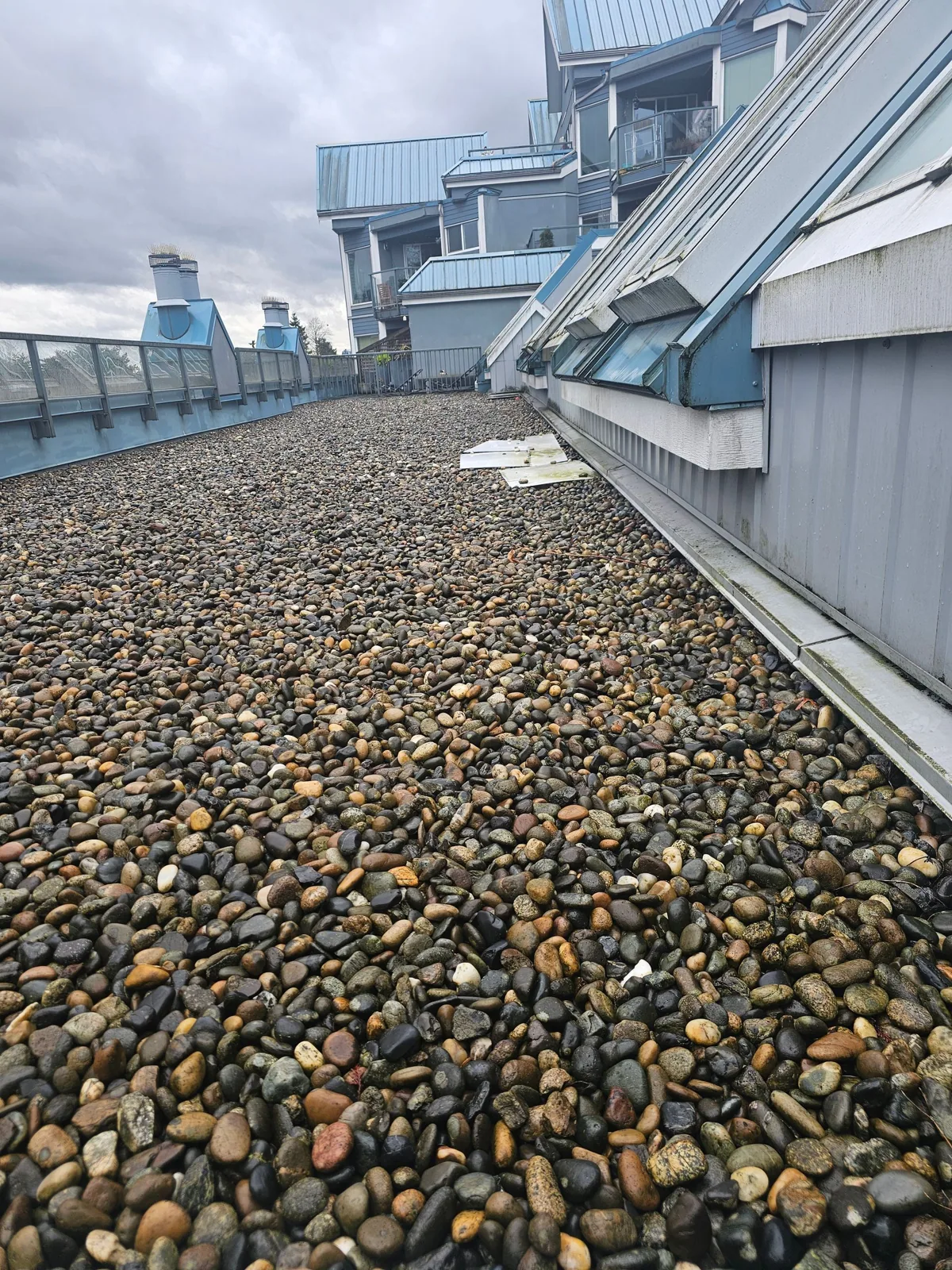
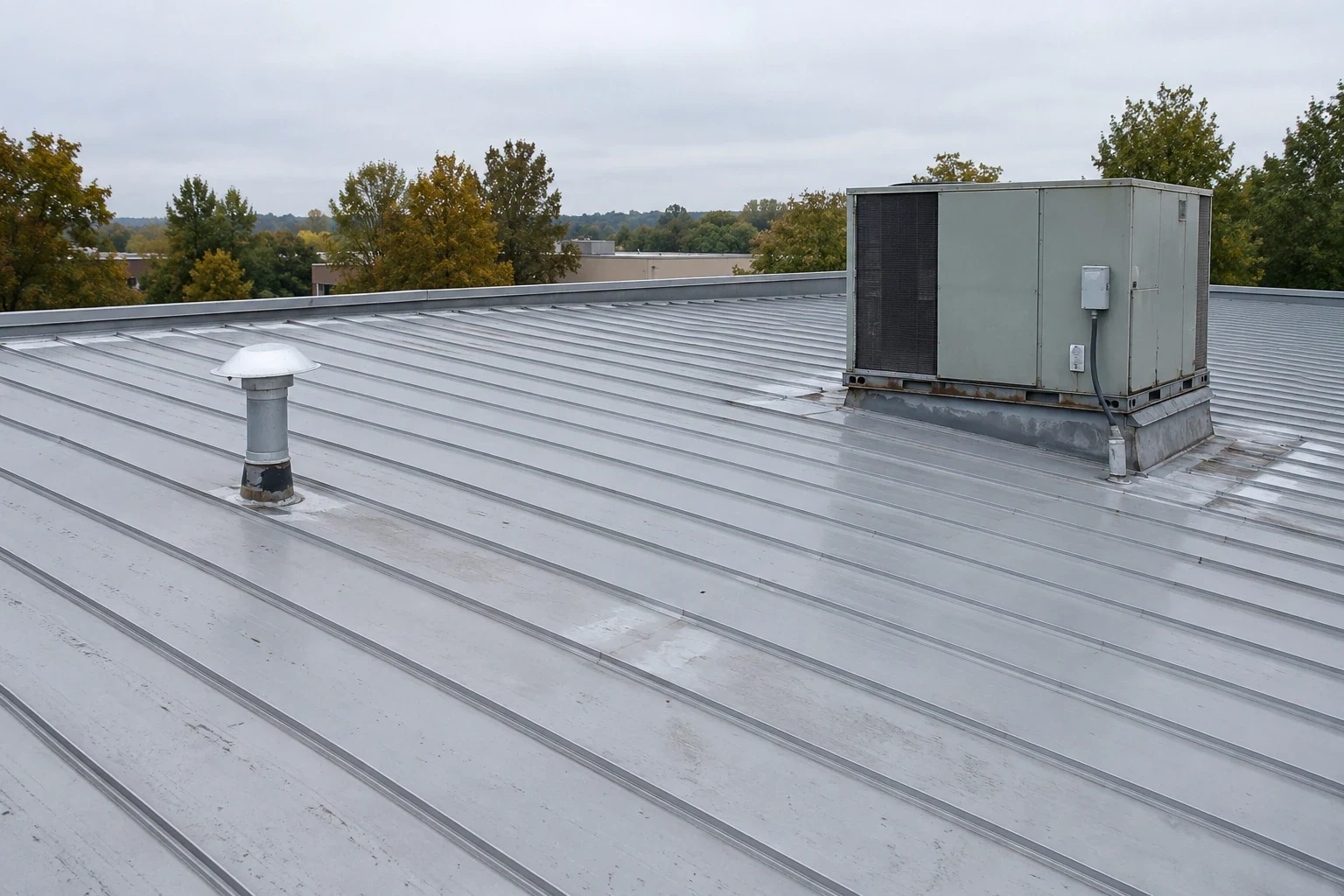
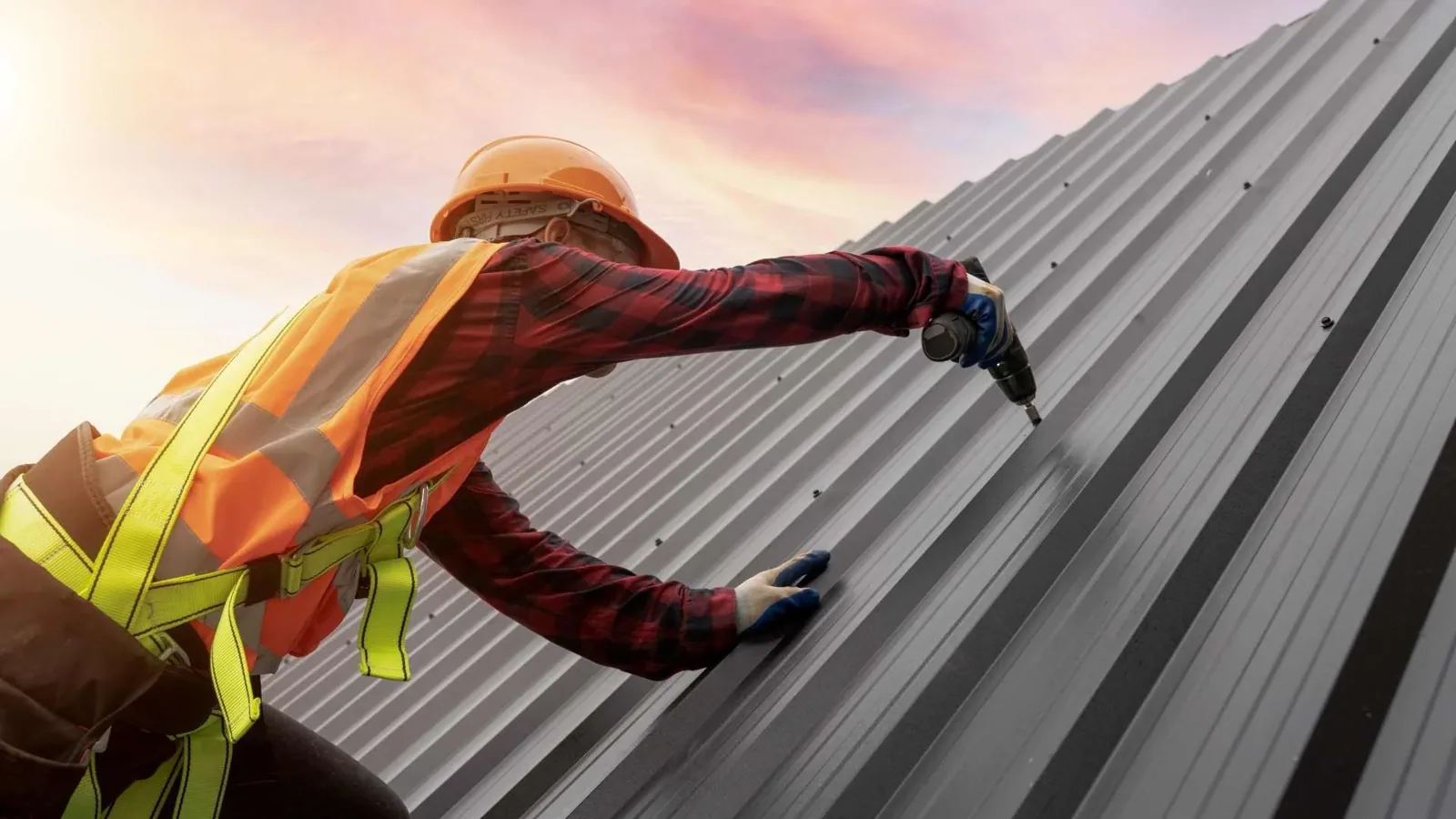
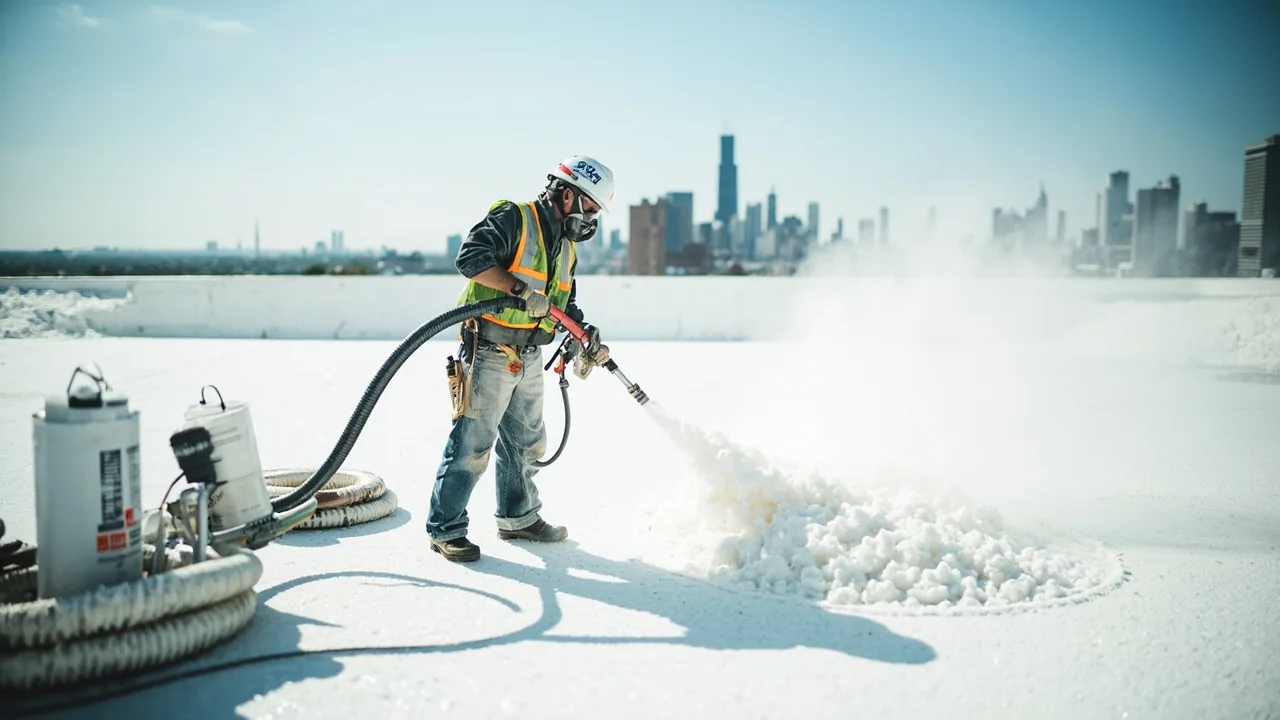
Winter freezing and coastal wind in New Haven put roof edges, seams, and drainage details under changing demands. The assembly on the building sets the available repair or replacement options. We identify the membrane or metal system, its attachment, insulation, transitions, and repairs before recommending a scope. That detail helps a general contractor compare compatible materials and avoid carrying assumptions from a different roof zone.
Identify the assembly first
System names alone do not describe the roof. We check the membrane surface, seams, fasteners, cover board, insulation, and perimeter details, then compare visible conditions with available plans and closeout records. A TPO roof and an EPDM assembly each need different seam and repair methods. For flexible single-ply work, a PVC system also requires material compatibility at patches and penetrations.
Water path and substrate condition
Water can travel beneath a membrane, so a ceiling mark does not define the roof repair boundary. We trace the route from the reported interior area across slopes, drains, seams, and wall transitions. If insulation may hold moisture, infrared moisture mapping can point to areas for confirmation. The written scope separates confirmed deterioration from areas that still need opening or testing.
Metal and multi-ply assemblies
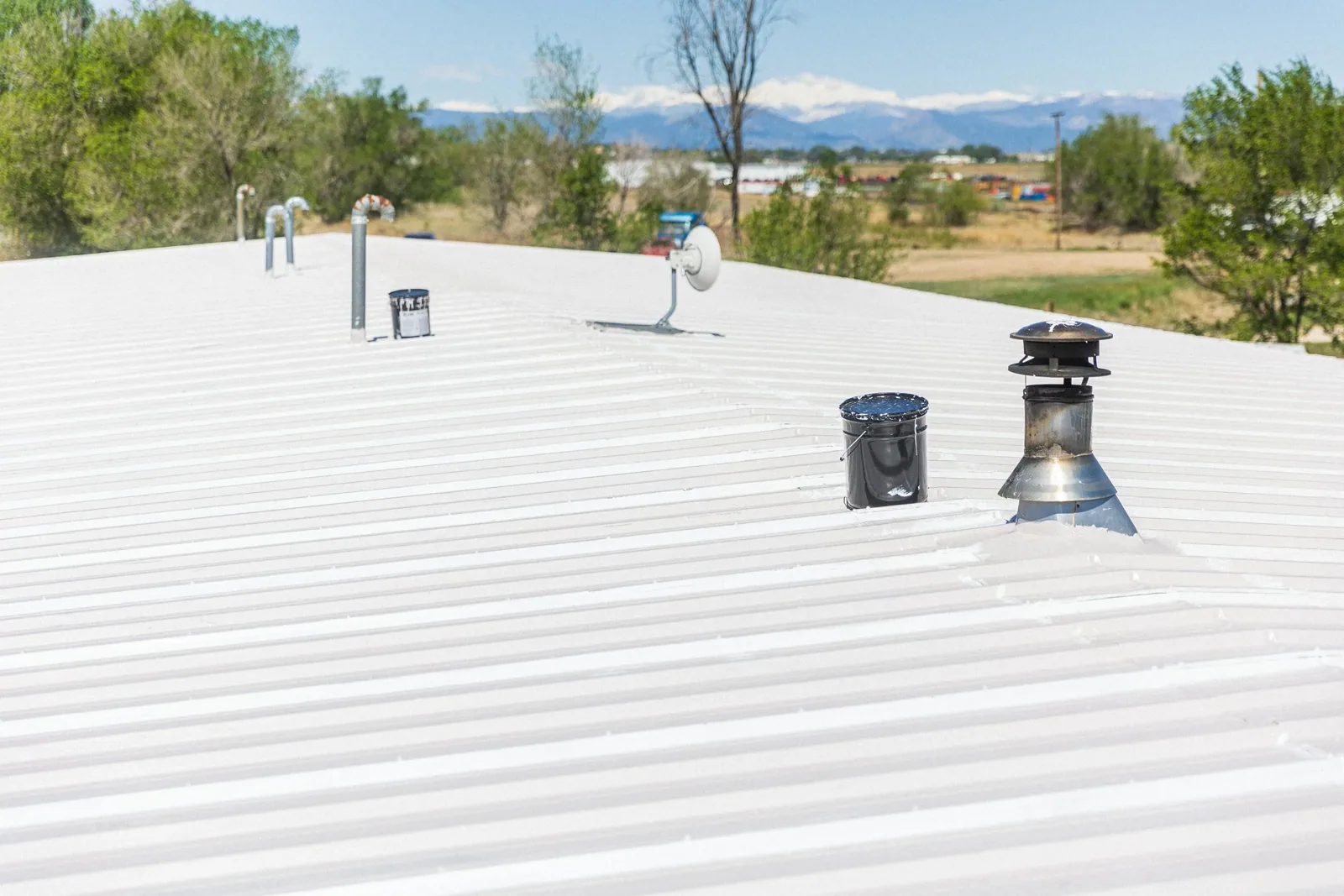
Standing seam panels, older metal roofs, built-up plies, and modified bitumen each have distinct movement and repair details. A standing seam system needs attention to clips, seams, penetrations, and panel movement. For a modified bitumen roof, we evaluate surfacing, laps, base flashings, and transitions to adjoining materials. The system choice must fit deck conditions, slope, drainage, and the building's maintenance plan.
A material choice with a job to do
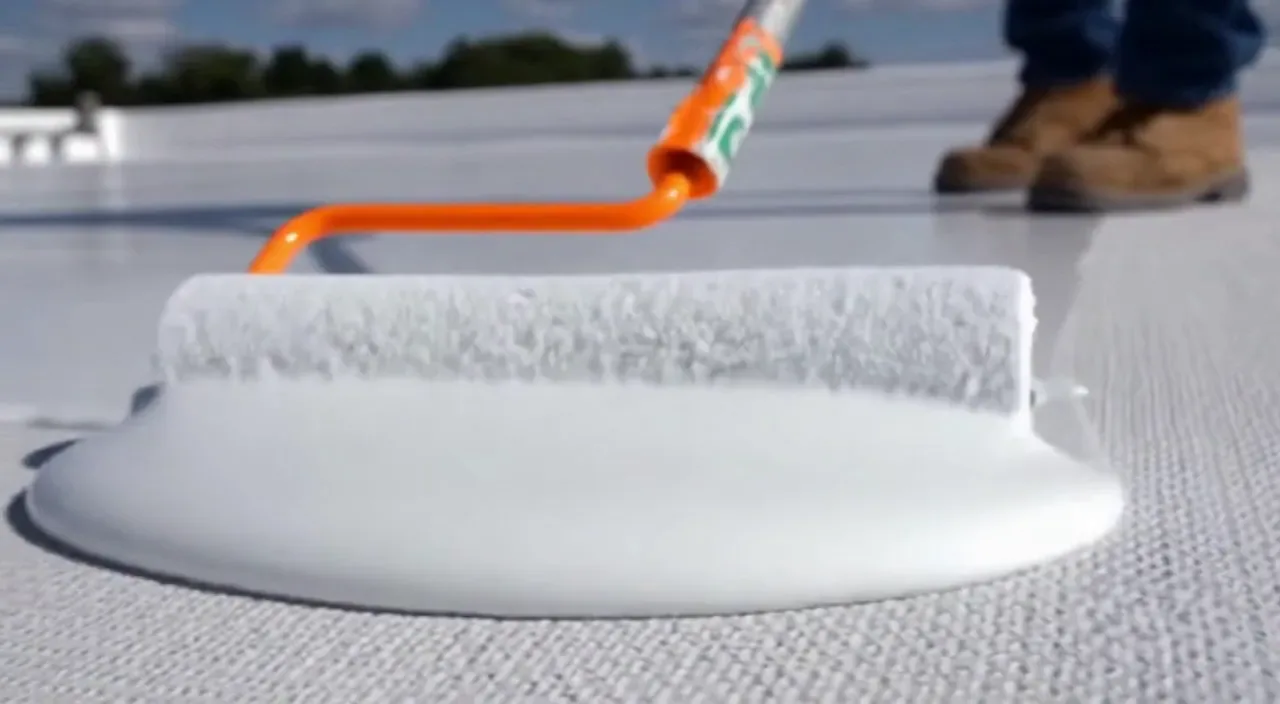
We compare system options by substrate, attachment, drainage, traffic, repair access, and project phasing. A silicone coating may suit a prepared surface that passes adhesion and moisture checks; it does not remove the need to correct failed details. New Haven's freeze-thaw cycle makes positive drainage and durable transitions useful priorities. Our West Haven service area brings the same inspection discipline to nearby commercial properties.
Questions Owners Ask
Can a new membrane go over the existing roof?
We first check moisture, attachment, deck condition, height limits, and applicable project requirements. If those conditions support a recover, the proposal states preparation and tie-in details; otherwise we outline removal and replacement.
How do you confirm which roof system is installed?
We examine exposed edges, seams, fasteners, penetrations, plans, and closeout records. Where documentation is incomplete, we record what is visible and identify any test opening needed before material selection.
What makes a coating suitable for an existing roof?
The substrate must be sound, dry enough for the specified system, clean, and compatible with the coating. We evaluate adhesion and correct open seams, wet areas, and failed flashing before treating the field.
Does a roof system determine its maintenance needs?
It informs inspection points, repair materials, and drainage review. The actual schedule also reflects roof condition, access, equipment, use, and written warranty requirements.