
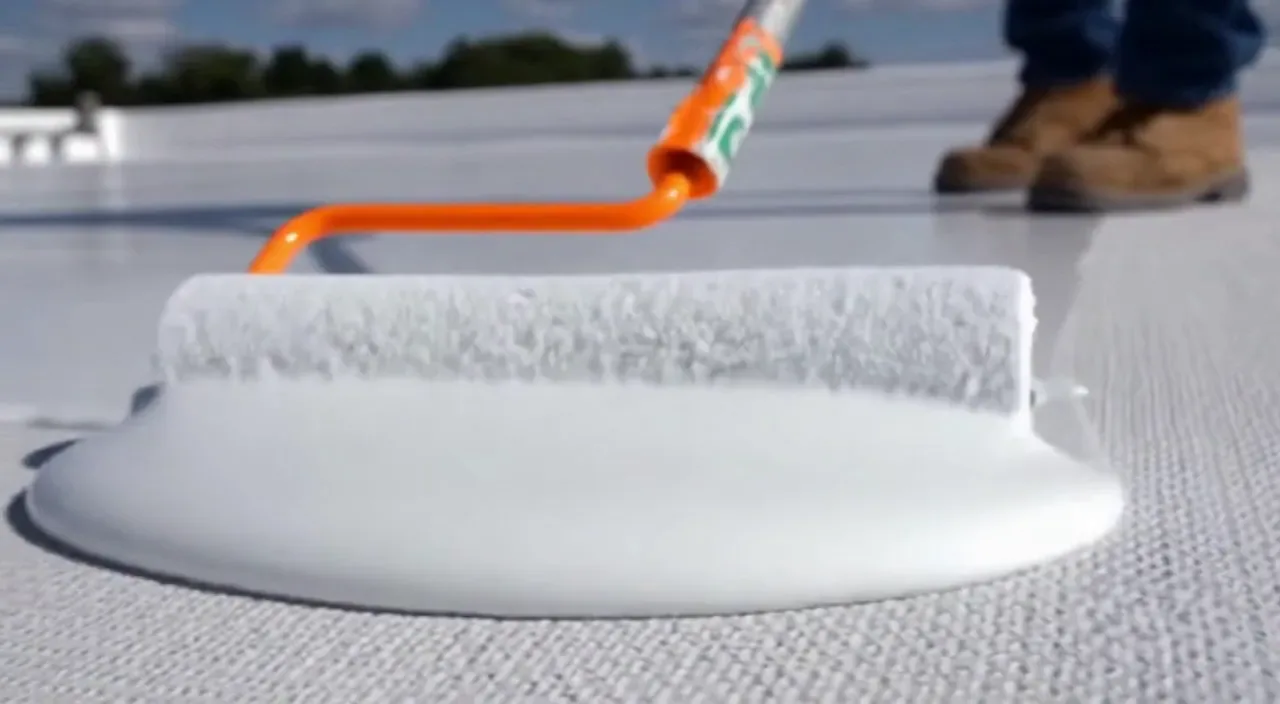
Silicone Roof Coatings in New Haven, CT
Silicone Roof Coatings
Review silicone coating restoration in New Haven with adhesion, drainage, flashing, and substrate findings prepared for bid comparison and phasing.
Moisture that remains at a low point can make coating condition harder to judge in New Haven, CT. A silicone roof coating may renew a compatible existing surface, but it cannot correct wet insulation, a weak deck, or an open flashing transition by itself. We examine the roof history, drainage, adhesion, and substrate before setting repair limits. The resulting scope tells the general contractor what needs cleaning, correction, testing, or replacement before the coating is applied.
New Haven's winter normal includes repeated freezing nights, so drains and terminations belong in the same review as the coating field. Milford has commercial activity across healthcare, distribution, warehousing, manufacturing, and other services. We connect local access and building operation to a workable sequence, while the roof examination establishes the actual application area.
Existing coating and substrate
A coating scope begins with what is already on the roof. We identify the surface type where possible, inspect for cracking, erosion, blisters, ponding, loose material, and exposed substrate, and record areas where adhesion is uncertain. If coatings from different generations overlap, we note those boundaries before a new system is selected.
Cleaning and preparation affect adhesion and quantity. The proposal should say what debris, loose coating, or deteriorated material will be removed and whether a test patch is needed. We do not price an entire roof from a small area that may not represent other sections. Where the existing material cannot support the selected product, a restoration scope may need localized repair or broader removal before coating work proceeds. An acrylic coating has different application conditions and should be compared on its own system requirements.
Silicone coating is not a substitute for every restoration method. A project with foam may need repairs to the foam profile and a compatible protective layer, while another roof may require sheet membrane or full removal. We document the current assembly before comparing options and avoid treating a coating thickness as a cure for drainage or deck concerns. For a roof with spray foam, the proposed scope should show the coating product and the foam repairs as separate tasks. A spray foam system has its own substrate and surface-protection requirements.

Drainage before coating
New Haven's freeze-thaw pattern makes low areas and drainage outlets important to resolve before coating work. We trace the water path to drains, scuppers, gutters, and roof edges, then sort each low point by cause, including collected debris, a failed outlet, or a change in roof pitch. The coating schedule should not conceal a drain problem that remains open after completion.
At a drain bowl or scupper, we inspect the surrounding flashing, surface height, and outlet clearance. If work must change the flow path, we include that correction in the bid and identify the trade responsible for any related metal or plumbing detail. A drain repair can be separated from the coating quantity, while a targeted moisture survey can guide testing where wet materials would change the repair boundary.
Flashing, seams, and coating limits
Penetrations, curbs, wall terminations, and edges need compatible flashing details. We inspect existing reinforcement, sealant, metal, and transition layers, then mark the items that need correction before the field coating is installed. A coating may be part of the finished detail, but it should not be used to bridge a loose termination or conceal an opening.
Wind history around the coast makes perimeter review worthwhile. A severe gust was measured in Madison during Sandy, within New Haven County. We examine the property for visible movement, edge separation, and exposed substrate, then define any corrective work supported by those observations. The coating itself should stop at a detail designed to remain secure. A perimeter metal scope can align edge replacement with the coating sequence so one trade does not cover an unfinished termination.
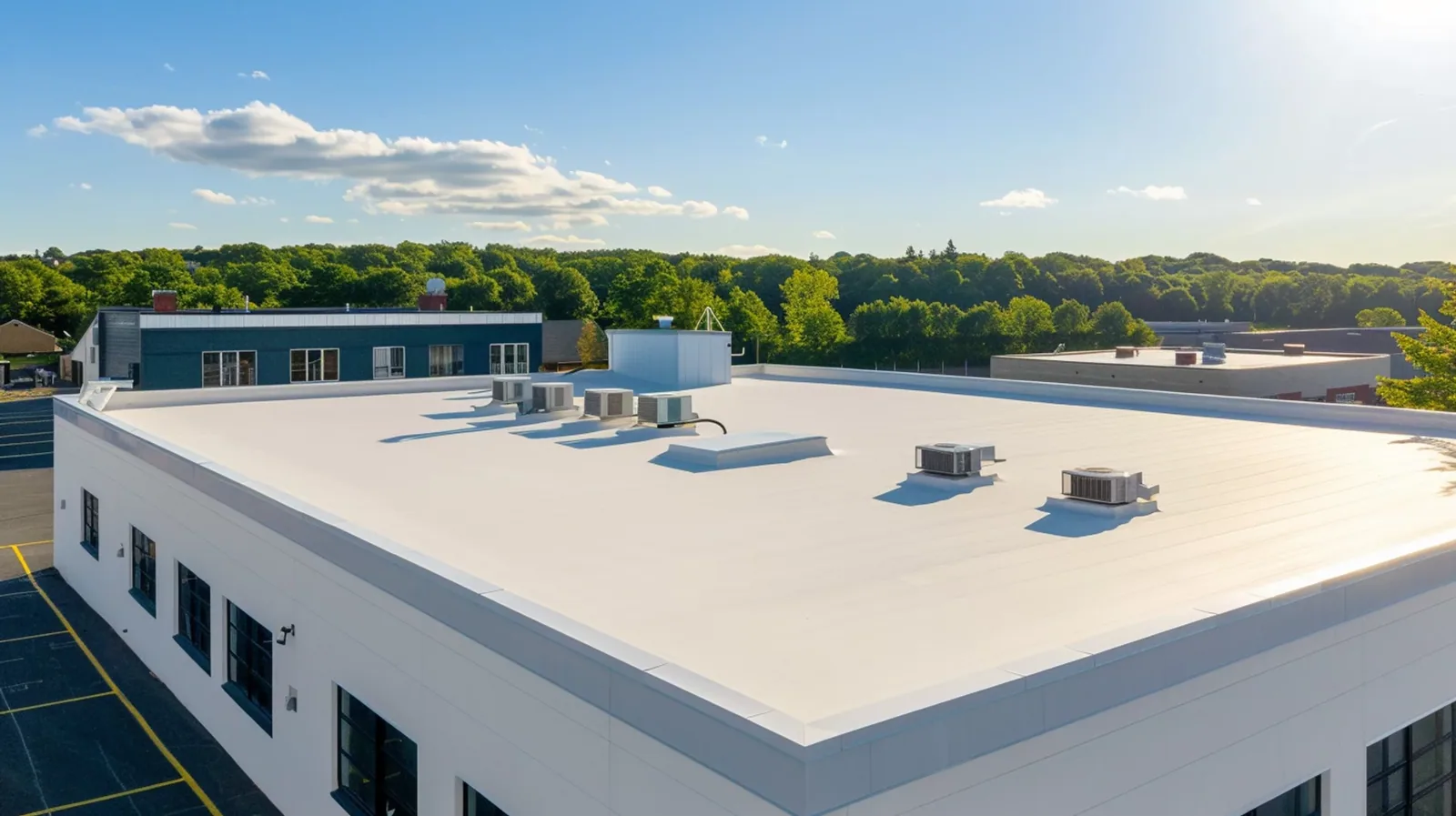
Application conditions and phasing
Coating work depends on surface preparation, weather window, and the amount of roof that can be closed before conditions change. We identify the daily work area, cure requirements, and temporary protection needed at open edges or tie-ins. Rooftop equipment and occupied space below may limit where materials can be staged or where the crew can work at once.
In New Haven and Branford, health, manufacturing, and research uses may require coordination with equipment service, deliveries, or restricted work areas. We confirm access rules and the person who can release the roof zone before mobilization. If a repair or flashing crew must complete work first, the phase plan states that dependency and prevents coating from being applied over an unfinished detail. A condition inspection can document the surface and open work before the application date.
Daily limits should be visible in the phasing plan. We confirm whether surface cleaning or primer requires a separate shift, where the crew will leave each tie-in, and how materials will be kept out of drains. If building operations restrict lift access or require an escort, that can change the area completed during one planned mobilization. A defined sequence lets the general contractor coordinate other trades and communicate which roof zones remain closed until inspection is complete.
Closeout and future inspection
The closeout record identifies the coating system applied, preparation limits, repaired details, and areas left outside the scope. Photos should show the field and the connections at curbs, drains, and edges. We also note where a future inspection should check adhesion or renewed ponding so maintenance staff can compare conditions over time.
New Haven buildings may have several roof elevations or additions, and each should remain traceable in the maintenance record. We label the zones, note any remaining substrate question, and state whether a follow-up test is needed. The condition record can connect that information with the next budget review. For work in New Haven, bring prior coating records, leak history, plans, and access limits to a scope review before bids assume a uniform surface.
Questions Owners Ask
Can silicone coating go over any existing commercial roof?
The existing surface, adhesion, moisture, drainage, and compatibility need to be reviewed first. We identify areas for preparation or testing and state what must be repaired before coating. The bid should name the accepted substrate and any areas excluded from application.
What does a coating adhesion test tell the project team?
A test patch can show whether the proposed coating bonds to the prepared surface under the tested conditions. We record its location and result, then use it to resolve a product or preparation question. Other roof zones may still need separate examination if their surfaces differ.
Does New Haven winter weather affect coating maintenance?
Freeze-thaw exposure makes drains, terminations, ponding areas, and coating edges useful review points. We compare current observations with the maintenance record and set repairs from the conditions found. Climate sets priorities, while the field assessment defines the work.
Should drainage repairs be completed before silicone coating?
Any confirmed outlet, slope, or flashing correction should be coordinated before the surrounding surface is coated. We map the water path and include the required drainage work in the project sequence. That prevents the finish scope from leaving an unresolved condition beneath it.
What changes the cost or schedule of a silicone restoration?
Surface preparation, test areas, coating quantity, repairs, access, cure periods, and occupied-space controls can change the bid. We separate those tasks and state which other trade must finish first. The general contractor can then compare proposals using the same assumptions.