
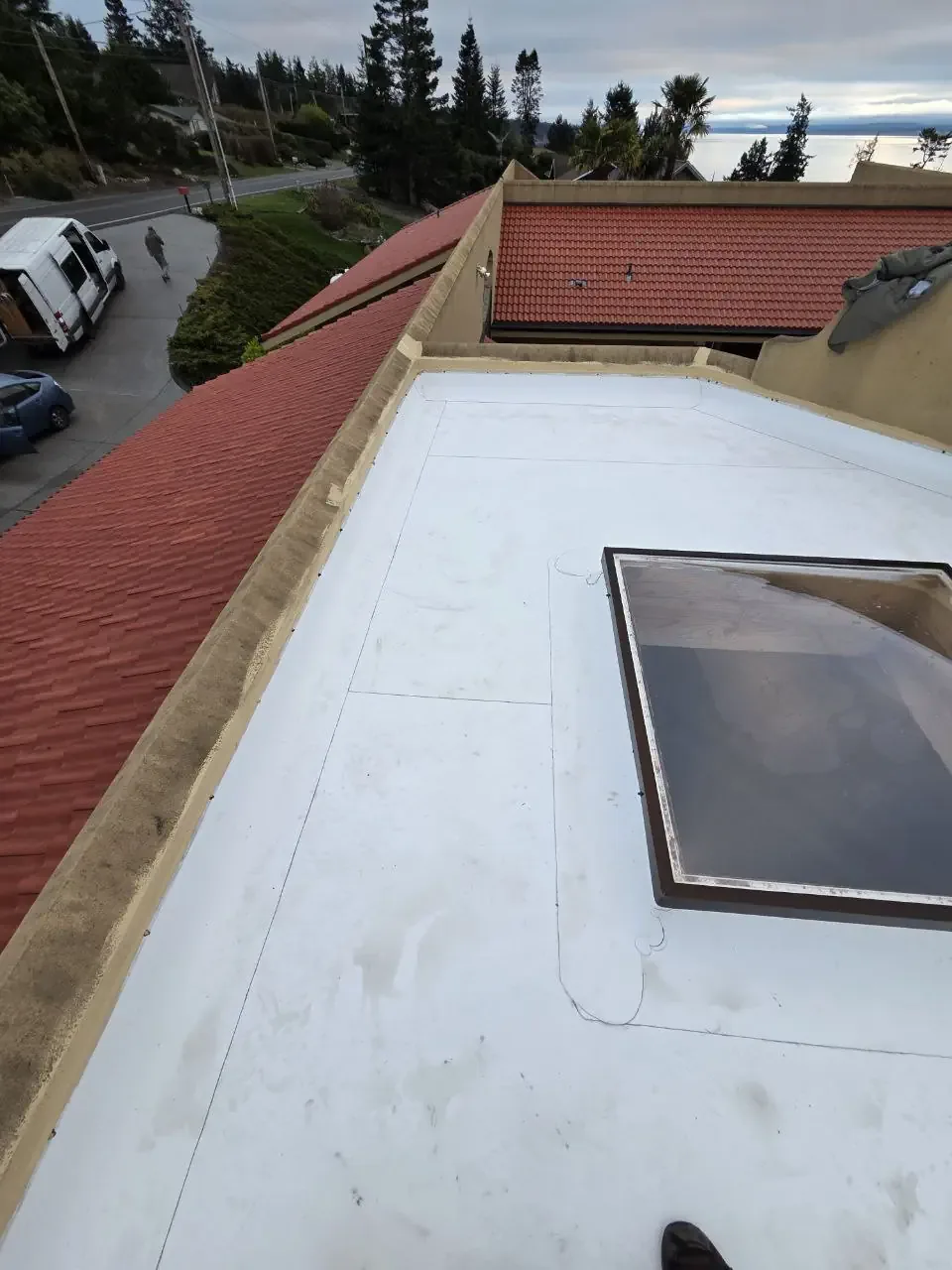
TPO Roofing in New Haven, CT
TPO Roofing
Plan TPO installation, repair, or replacement in New Haven with seam checks, drainage review, and phasing tied to building access and roof history.
Repeated freezing nights put the New Haven, CT roof assembly through a drainage and movement cycle. A TPO system has to keep its seams, flashings, and perimeter details connected as water moves toward drains and temperatures change. We review the roof history and current assembly before pricing installation, repair, recover, or replacement. The decision record should show what remains serviceable, where a detail needs correction, and which condition changes the construction sequence.
For a general contractor comparing bids, membrane selection is only one part of scope alignment. Substrate preparation, insulation, attachment, rooftop equipment, edge metal, and access each affect labor and phasing. We document those conditions with photographs and tie the proposed TPO work to the building's actual constraints instead of assuming the membrane alone defines the job.
Water movement and seam exposure
New Haven's long winter freeze period makes drainage path and seam condition useful inspection priorities. Water that remains at a low point can freeze, thaw, and expose a weak lap or flashing termination to repeated movement. A municipal climate record for the city counts more than one hundred nights a year at or below freezing, so drain bowls, scuppers, and transitions deserve review when a TPO scope is assembled.
The field walk starts at the reported leak or ponding area, then follows slopes, seams, curb flashings, penetrations, and perimeter edges. We note whether water is entering through a welded lap, a puncture, a loose termination, or an adjacent component. If moisture may extend beneath the sheet, we identify a test area before a repair boundary is priced. A moisture survey can help locate areas for confirmation, while drainage work addresses a verified outlet or surrounding detail.
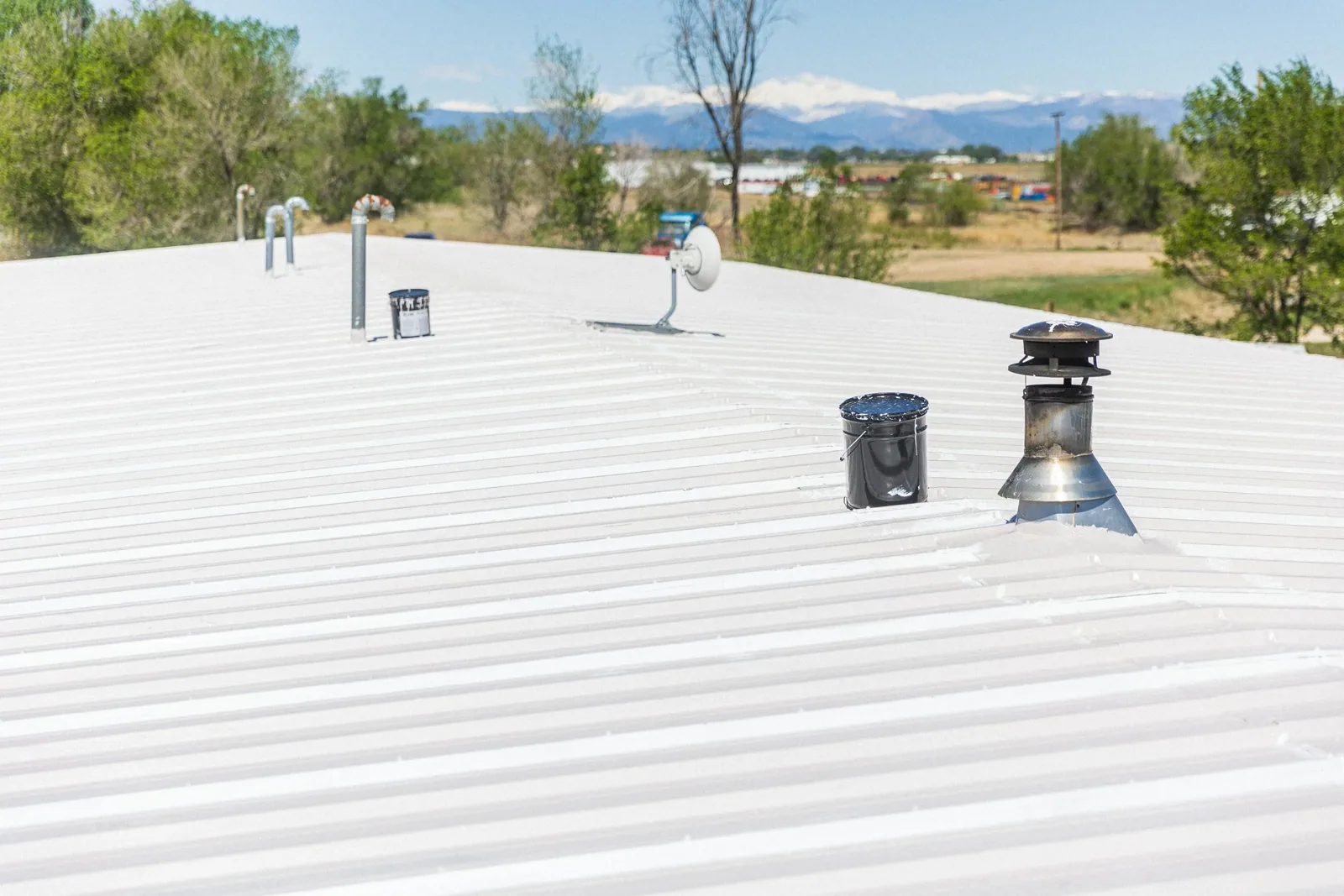
Seams, patches, and field repairs
A TPO seam depends on clean surfaces, suitable welding conditions, and a continuous bond across the lap. We examine the seam width and adjacent sheet for contamination, wrinkles, or edge lift before deciding whether a localized repair can hold. A patch should extend onto sound material and be shaped so it does not create a new pocket for water or debris.
At a repair, we record the existing membrane condition and the preparation needed to make a compatible tie-in. Repeated opening along one run can point to a broader attachment or substrate question, so the closeout should identify what was corrected and what remains under observation. A seam repair scope is useful when the failure is localized. If the roof history shows several separated defects, a planned repair visit can group work by access window and avoid reopening the same roof zone for each small item.
Insulation, attachment, and edges
The membrane sits within an assembly, and the layers below it determine how the roof can be fastened and drained. We review deck condition, insulation layout, cover board, perimeter restraint, and the available records before selecting attachment details. Existing penetrations and rooftop units may require sequencing with mechanical trades, especially where equipment access cannot be interrupted during the roofing shift.
Coastal wind exposure adds a reason to examine edge metal, corners, and terminations during scope development. Madison, in New Haven County, recorded a severe gust during Sandy. That regional event supports careful review of edge restraint; the work on a particular property still follows its observed conditions and design requirements. Where the perimeter detail needs rebuilding, we include cleats, fasteners, corners, and tie-ins in the bid rather than leaving them as an undefined allowance. The assembly review can also compare PVC membrane and EPDM alternatives when project requirements point beyond TPO.

Work windows and bid alignment
New Haven includes health, education, business-service, and manufacturing uses, while West Haven has manufacturing and medical research activity. Those operating patterns can make access windows, noise limits, and equipment coordination part of the roof price. We confirm which areas can be released, how materials reach the roof, and what temporary tie-ins are required at the end of each shift.
A bid comparison is clearer when each contractor prices the same removal limits, insulation assumptions, edge details, drain corrections, and closeout documents. We separate confirmed quantities from concealed conditions that may need review after tear-off. If the building must stay in service, we state the phase boundaries, temporary protection, and trade coordination that could change duration. A larger scope can be compared with full replacement or recover work against the roof record and capital timing, not an assumed TPO life span.
Condition records after installation
Once the membrane is installed or repaired, the maintenance record should identify sheet type, seam locations, flashing details, drain areas, and any components left in place. Photos make later inspection more useful when they show both the close detail and its position on the roof plan. We include repair limits and any remaining access restriction so the next crew can distinguish completed work from open conditions.
After winter weather or a coastal storm, an owner can compare new observations with the baseline rather than infer the cause from timing alone. That condition record can carry the work into maintenance and capital reviews. For a project in New Haven or Hamden, bring prior leak notes, bid scopes, drawings, and access rules to a scope review. We will identify which seam, edge, or drainage item affects the next decision and what evidence should be resolved before mobilization.
The record should also retain membrane product type, installation limits, and the locations of drains or penetrations that were adjusted. If a follow-up visit finds a new opening near the repaired seam, the prior photographs help distinguish fresh movement from the original condition. We can then price the added work as a separate item instead of carrying an unclear allowance into the next phase.
Questions Owners Ask
What conditions make a TPO seam repairable?
A repair is more supportable when the sheet around the opening is stable, cleanable, and able to accept a welded patch. We check nearby seams and attachment before setting the boundary. If the membrane or insulation is wet beyond the visible area, testing may be needed before the repair is sized.
Can a new TPO layer go over the existing roof?
Layer count, attachment, moisture, deck condition, and applicable code determine whether a recover can be considered. We map those conditions and identify any area that must be removed before another layer is designed. The bid should show which materials remain and how added thickness changes drains and edges.
How does New Haven winter weather affect TPO planning?
Freezing nights make drainage and terminations worth reviewing before work is priced. We look for water paths, low areas, open seams, and edge details, then tie findings to the actual roof. A local climate pattern sets priorities, while field evidence sets the repair boundary.
What changes a TPO replacement bid?
Removal depth, wet insulation, deck repairs, attachment design, rooftop equipment, and perimeter metal can shift the scope. We separate observed work from allowances for concealed conditions and state the access window or trade coordination that affects phasing. That gives the general contractor a useful basis for comparing bids.
Can TPO work proceed while a New Haven building is occupied?
A phased sequence can keep unaffected areas in service when safe access and temporary tie-ins are available. We plan around tenants, equipment, deliveries, and interior protection, then identify any period when a roof zone must stay clear. The building's operating schedule is part of the work plan, not an afterthought.