Warehouse Roofing in New Haven, CT
Warehouse Roofing
Plan warehouse roof repair, replacement, or maintenance in New Haven with drainage, loading access, inventory protection, and schedule needs in view.
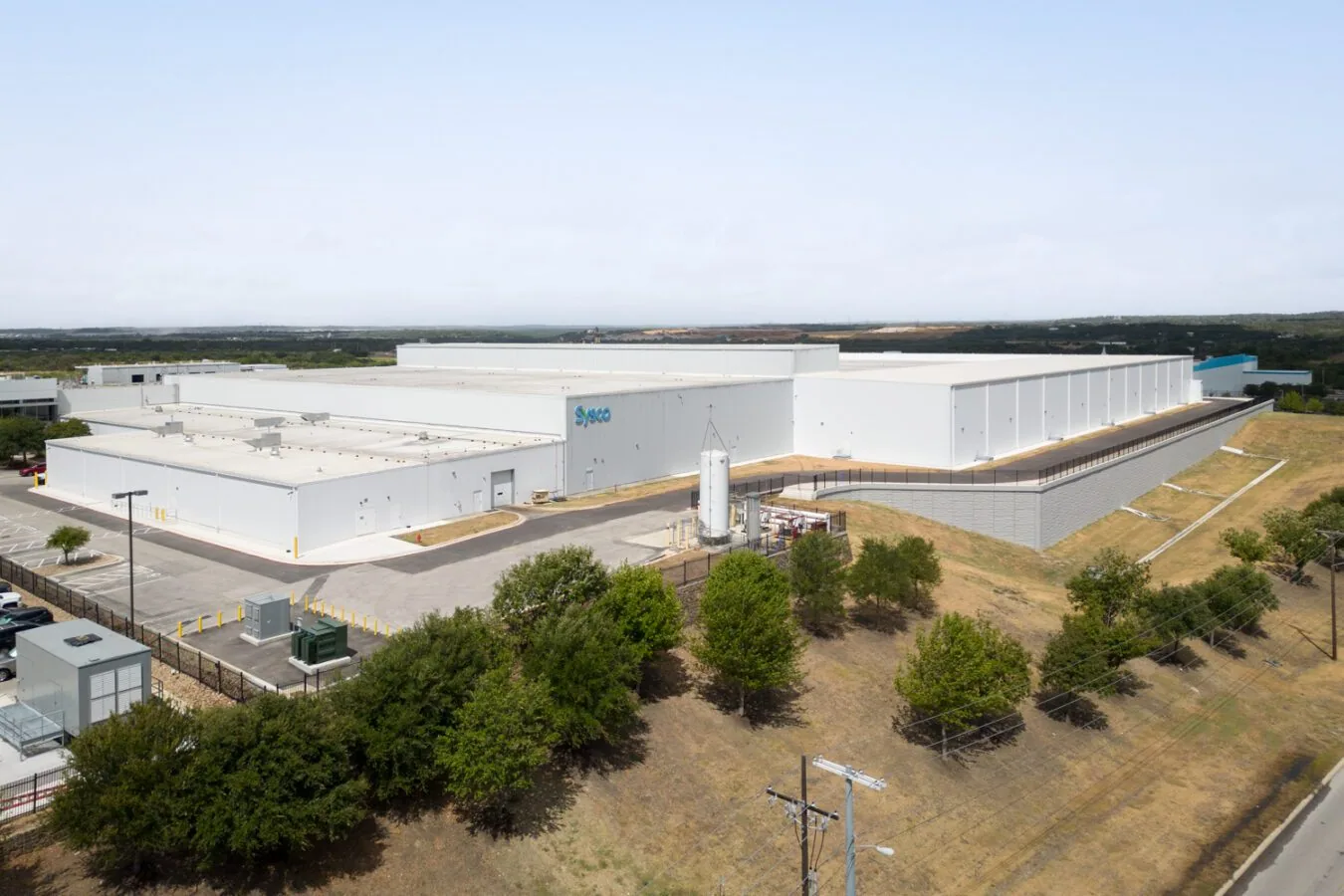
Freeze-thaw exposure makes a warehouse roof's drainage path part of the operating plan. In New Haven, winter water can test drains, seams, curb flashings, and perimeter transitions while inventory remains below. We document the assembly and reported conditions before setting a repair boundary or replacement allowance. The general contractor gets a scope that connects each roof area to loading access, protection needs, and the time available for work.
The local building mix extends beyond the city line. East Haven's warehousing and distribution activity and Hamden's metal, cable, and concrete-related industries put loading access, rooftop equipment, and production hours into nearby roof scopes. We treat each property as its own roof record, then plan material movement, staging, and daily closeout around its actual operations.
The roof above stored goods
A leak may travel along a deck flute or insulation joint before it appears on a warehouse ceiling. We start with the reported location, then inspect the roof area above and the path water could follow. Seams, penetrations, drains, scuppers, roof-to-wall transitions, and prior patches receive attention because each can change the repair limit. Photos connect the visible condition to a roof plan instead of leaving the owner with a note that says only where water was noticed.
We also compare current observations with prior repair records and any survey results. A stained ceiling does not tell us whether moisture is isolated or spread beneath the membrane. Where the assembly needs confirmation, we identify suitable test locations before pricing broad removal. An inspection and condition record gives the project team a basis for comparing immediate repair with planned work.
Roof layout matters because a long drainage path can collect debris and water away from the leak. We note slope changes, blocked outlets, and areas where equipment or stored materials limit access. This helps determine whether the first visit should address an active defect, clear a restriction, or establish a condition baseline.
Drainage and perimeter control
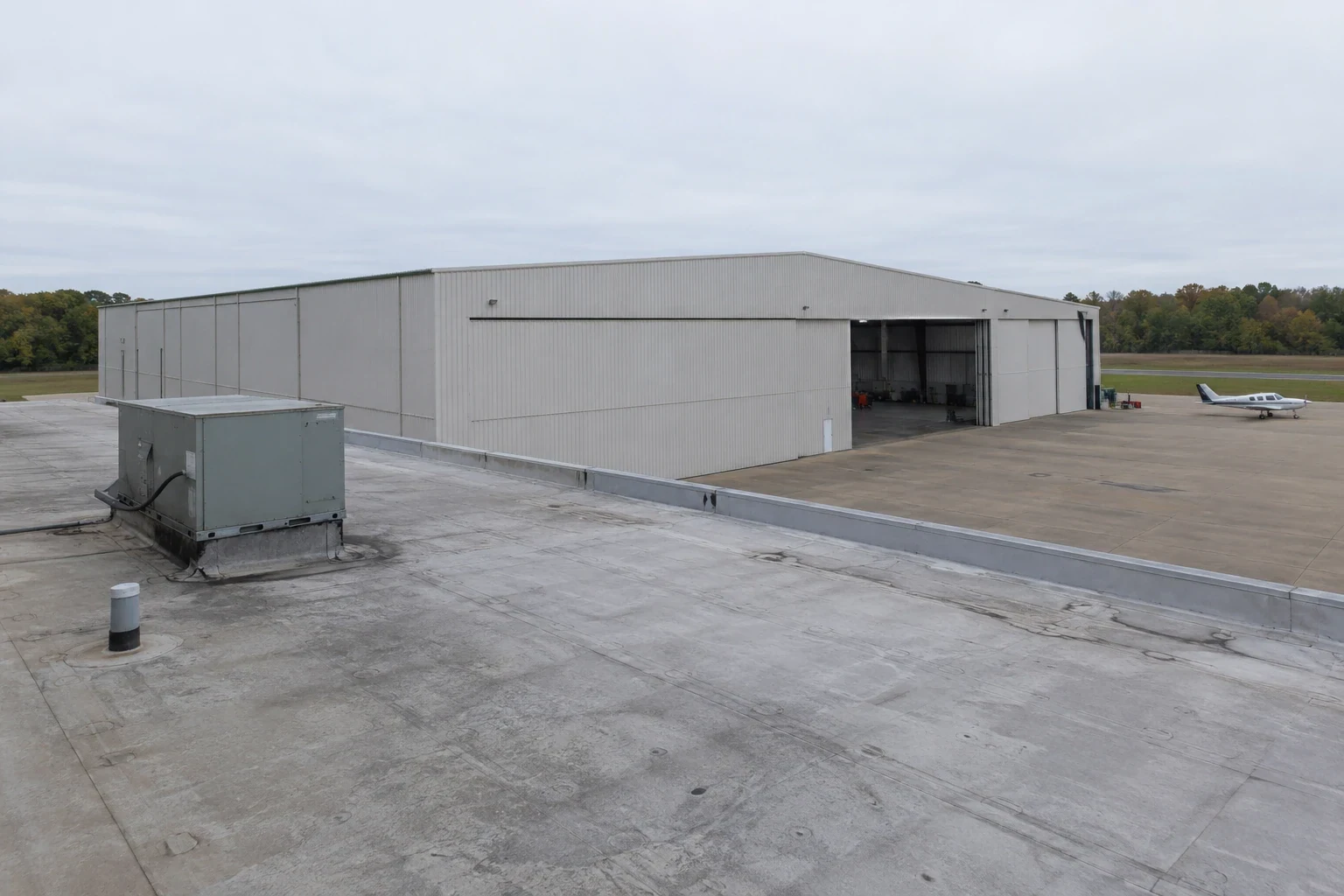
Drain performance is an operating issue as much as a roof detail. In New Haven, freezing conditions make standing water and winter drainage worth reviewing before the next maintenance cycle. We check drain bowls, strainers, scupper openings, overflow provisions, and the surface around each outlet. The repair scope may call for clearing, rebuilding a detail, correcting a local low area, or coordinating with other trades; the observed roof determines which action belongs in the bid.
At the perimeter, metal edges and terminations must hold the roof layers together through changing weather. We look for loose cleats, open laps, sealant failure, and movement at parapets or wall transitions. After wind-driven rain, we check perimeter metal, open laps, and wall transitions for movement or water entry before setting a repair boundary. A focused drain and scupper repair can be priced separately when the remaining roof field is sound.
The warehouse's inventory plan affects temporary protection. We identify interior areas that cannot take water, roof zones that can be isolated, and where a daily tie-in must close before a shift ends. If removal exposes wet insulation or damaged deck, we record the condition and request a decision before extending work. The owner can then evaluate its effect on budget and timing.
Choosing a repair or replacement
A membrane name does not settle the warehouse scope. The deck, existing layers, attachment, insulation, drainage, penetrations, and edge details all influence whether repair, recover, or tear-off fits. We identify the existing assembly and compare it with the proposed work, including any compatibility limits at patches and transitions. If moisture or weak attachment extends beyond one defect, a surface repair can leave the underlying condition untouched.
A planned repair package can group separated defects by access window when the roof remains serviceable. If the condition record points toward full renewal, we outline removal limits, substrate assumptions, insulation work, and temporary protection in a replacement bid. A recover is considered only after layer count, moisture, deck condition, drainage elevations, and applicable requirements are reviewed. We avoid pricing alternatives that quietly assume different conditions.
New Haven's commercial mix includes manufacturing, health, education, and business services; warehouse scopes depend on loading patterns and roof access. East Haven's commercial activity includes wholesale distribution, warehousing, and electronic components; Hamden includes computer products and fabricated metals. Those uses make access and production continuity relevant to the sequence, but they do not establish the construction or condition of a particular roof. We use the field record to define the assembly and coordinate the work with the building's own schedule.
Keeping loading areas usable
Roof deliveries can compete with receiving, truck movement, and employee entrances. Before mobilization, we map unloading, roof access, and ground zones that must stay available. The team can compare crane or hoist time with busy periods and set an access window. If a delivery route crosses a protected inventory area, we identify another handling plan before the crew arrives.
Daily production depends on what can be opened and closed safely in one shift. We sequence tear-off, installation, flashing, and temporary tie-ins so the exposed area remains limited. Weather changes can interrupt the plan, so we establish end-of-day protection and a closeout decision. For an occupied warehouse, a phased roof plan can preserve selected operations while separating work zones and deliveries.
When contractors share the roof, curbs, vents, conduit, and mechanical penetrations need a coordinated sequence. We confirm trade ownership and when equipment can be shut down or moved. For work spanning North Haven and Branford, we keep delivery routes, roof-zone limits, and closeout photos separate for each property.
Records for the next decision
A warehouse roof file should preserve the assembly, repair limits, drainage observations, photos, and open maintenance items. We note which areas were repaired, which conditions were tested, and what remains outside the contracted scope. The owner can use that record to compare the next inspection with the work already completed instead of reconstructing the history from invoices and ceiling stains. Clear closeout also supports bid review when capital work is considered in a later season.
For a facility in New Haven, we can review the existing reports, leak history, loading schedule, and proposed roof limits with the general contractor. If work is being compared across a portfolio, distribution buildings and manufacturing properties may share access questions while requiring different interior protection. Bring the roof plan and operating constraints to a capital timing review; we will identify which condition changes the sequence and what should be resolved before pricing.

Questions Owners Ask
How do you trace a leak that appears far from the roof opening?
We begin at the reported interior area and inspect the roof above it, then follow seams, deck direction, slope, and drainage paths. Photos and test locations help separate the point of entry from the point where water became visible. The repair boundary follows confirmed conditions, not the stain alone.
What should a warehouse roof bid say about inventory protection?
The proposal should identify work zones, temporary tie-ins, interior areas requiring protection, delivery routes, and the daily closeout plan. We document those limits with the roof scope so the owner can compare the same operating assumptions across bids. Concealed conditions should remain a defined review point.
When is a recover worth considering for a warehouse?
Existing layer count, moisture, deck condition, attachment, drainage elevations, and applicable requirements determine whether a recover can be evaluated. We inspect those items and identify any area requiring removal. The bid should state which layers remain and how the added assembly changes drains and edges.
Can loading continue during roof replacement?
Loading can remain available in phases when the work area, material handling, and temporary protection are coordinated with receiving hours. We map deliveries and roof access before setting the sequence. A changed weather window or concealed repair can alter the phase boundary, so the project team needs a clear approval path.
Which New Haven area conditions belong in warehouse maintenance?
Freeze-thaw exposure, drainage, and coastal wind deserve attention alongside the roof's own repair history. A warehouse inspection records the drains, penetrations, loading-side access, and repair history that affect the next maintenance window. These local patterns help frame access needs; examination establishes the work at an individual property.