
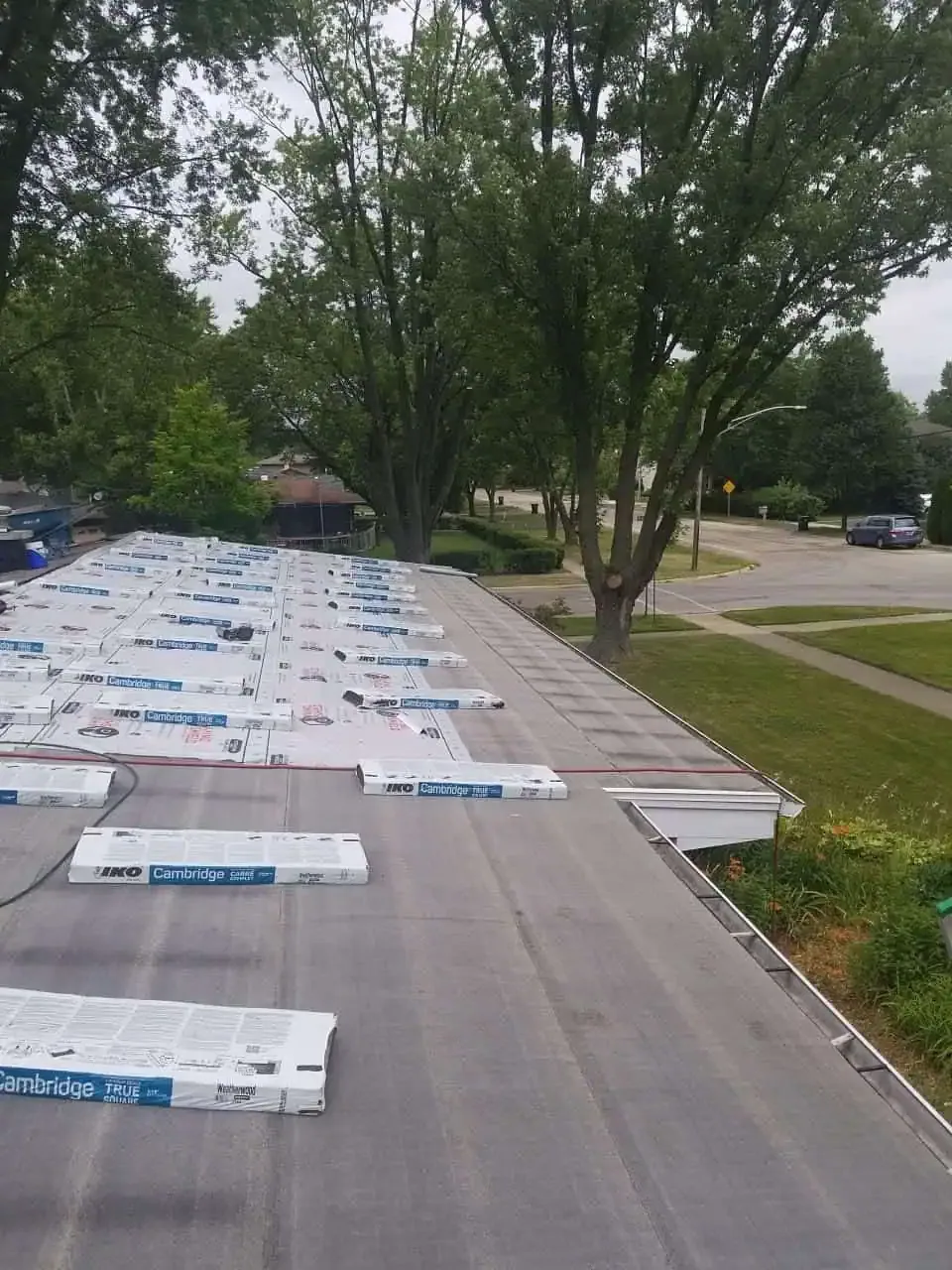
Emergency Commercial Roof Repair in New Haven, CT
Emergency Commercial Roof Repair
Get 24-hour commercial roof emergency response in New Haven for active leaks, storm openings, tarping, dry-in, and a documented permanent repair plan.
Madison's Sandy record includes a severe coastal wind gust, a useful reminder that a roof opening can become a building protection issue quickly. Urgent roof calls in New Haven reach us through the night, on weekends, and during holidays. We coordinate access, document the exposed area, and identify what protection the current conditions allow. The first objective is to limit additional damage and give the owner a documented next step.
Emergency service begins with the site's access and the immediate conditions. We coordinate with the building operator or general contractor, confirm a safe route, identify affected rooms, and determine whether temporary protection can be installed. Tarping and dry-in stabilize the situation; they are not described as permanent membrane repairs unless the roof detail is actually corrected and inspected.
First checks at the building
We need the location of active water, what changed, and whether operations or equipment are affected. The facility contact can show the interior area while the roofing crew examines the corresponding roof zone and nearby details. We look for displaced metal, open seams, punctures, damaged flashings, blocked outlets, and other conditions consistent with the reported event.
Water may travel below the membrane, so the stain alone does not define the repair area. We document the interior report, trace the possible route, and identify where the roof is accessible. If ceiling access, power, or tenant activity creates a safety limit, we coordinate that control before opening or moving materials. That information determines whether a first response can address the roof directly or needs an interior protection step first.
New Haven serves healthcare, education, manufacturing, and business-service properties, each with different operating constraints. At healthcare and institutional properties in New Haven and West Haven, we coordinate room use and safe access with the building contact. The West Haven service area is part of the regional response plan.
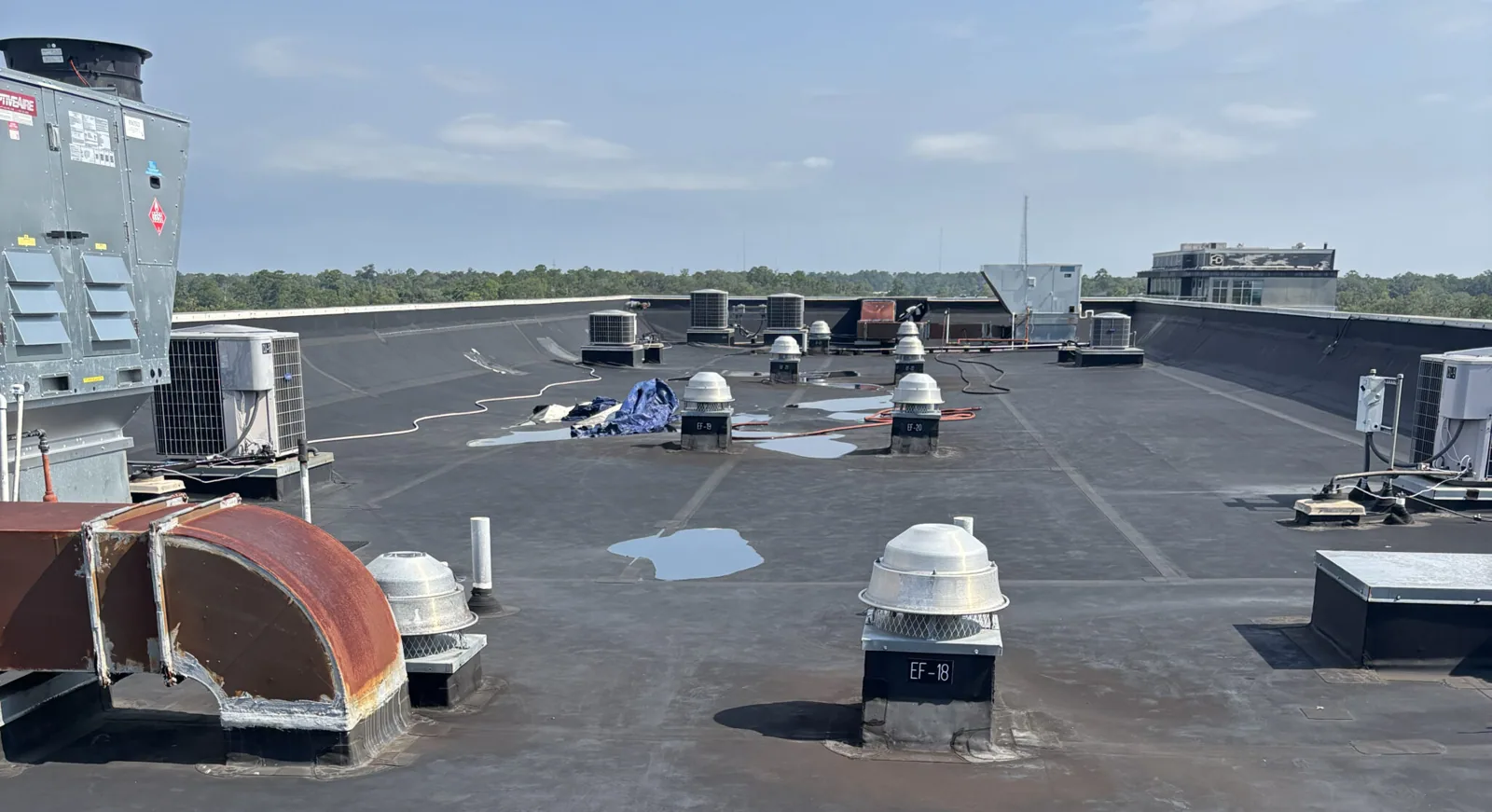
Tarping and dry-in
A temporary cover must be attached to a surface that can hold it and arranged to move water away from the opening. We check the exposed edge, locate sound attachment points, and protect the transition where the cover meets the existing roof. Loose material, roof equipment, and nearby drains also need attention so the temporary measure does not block water or become a wind hazard.
Sometimes the best immediate work is inside. We help isolate an affected area, protect equipment or inventory, and coordinate water removal when that is part of the site response. The report notes what the crew could safely reach and what remains exposed. If a roof area is wet or conditions do not allow permanent welding or bonding, we state what drying or weather window is needed next.
Temporary protection has a defined purpose and follow-up point. We record its placement, photograph the roof and interior condition, and schedule the return needed for permanent work. The active leak repair then addresses the membrane, seam, flashing, or drain detail that allowed water to enter.
Coastal conditions and safe work windows
Madison recorded an 85 mph gust during Sandy on October 29, 2012. Sandy’s track posed a worst-case storm-surge scenario for coastal Connecticut, so a response plan accounts for perimeter security, secure material staging, and drainage protection. We check current roof conditions and the live weather window before choosing a safe response method.
New Haven's winter climate includes frequent freezing. Ice, snow, and cold surfaces can affect access, the ability to prepare a patch area, and the way water drains during a temporary closure. We check the roof conditions before moving tools or applying materials, and we keep the owner informed when an immediate dry-in is the responsible work for that shift.
For properties near the harborfront or lower coastal areas, a response plan also needs to keep paths and equipment clear as water changes. The condition record notes whether temporary drainage controls were installed and which details should be rechecked. If wind or water is still moving through the work area, we pause the permanent detail until the roof can be safely prepared.
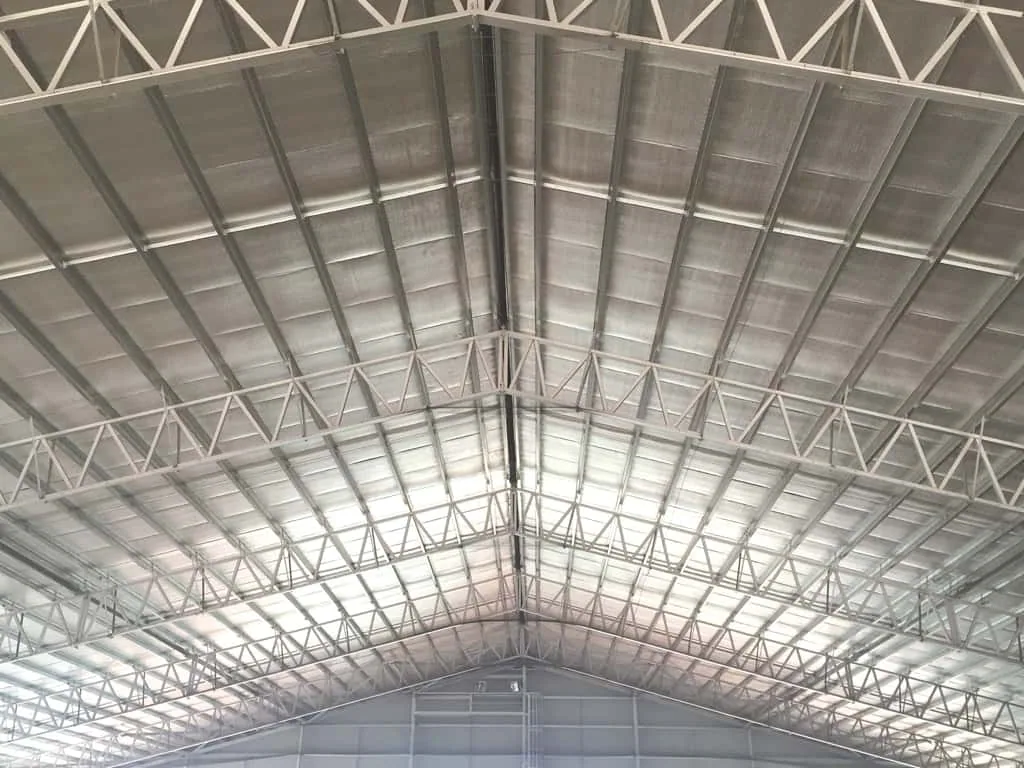
Access, people, and operating hours
An urgent repair still has to fit the building's access rules. We coordinate roof hatch or ladder access, escorts where required, loading, restricted rooms, and any fire or electrical clearances. When the building remains open, we define where occupants can pass and how noisy work or interior protection affects scheduled activities. The project contact should know who will confirm access when the response moves from the first visit to permanent work.
For a medical, school, production, or office building, the opening may affect different rooms or services. We coordinate with operations before moving equipment or closing access, then record any area that could not be reached. That avoids reporting a complete repair where only a safe portion was handled and keeps the follow-up scope tied to the actual work limits.
New Haven, West Haven, and Branford include health, education, medical research, and manufacturing uses across their commercial mix. These regional building uses make occupied-area coordination relevant, while the property contact sets the actual access and operating requirements. A phased occupied-building plan can guide any larger permanent work that follows the emergency response.
From first protection to permanent scope
After the immediate condition is contained, we review the roof with the event notes and repair history. We identify the likely entry detail, check adjacent membrane and flashing, and document any moisture or substrate question that needs confirmation. A permanent proposal then states the repair boundary, the materials, access needs, and whether additional testing is needed before work begins.
If the event affected a wider roof area, we can compare localized repair with a hands-on condition review or a broader planned repair scope. The record separates the temporary tarp or dry-in from permanent work, including date, location, and follow-up requirements. Owners and general contractors can use that distinction when reviewing invoices, insurance documentation, or capital timing.
Bring photographs, roof plans, prior repair notes, tenant or access restrictions, and the current site contact to the first call. We will coordinate an emergency response, protect the building where conditions allow, and write down the next action. A records-first response review also helps the team line up approval and access for the permanent repair visit.
Questions Owners Ask
What determines the first response to an active commercial roof leak?
Emergency response is available after hours, on weekends, and during holidays. Timing for a safe roof visit depends on access, current weather, and site requirements. We confirm those conditions with the site contact and determine whether temporary dry-in is suitable.
Does a tarp count as a permanent roof repair?
A tarp or dry-in is temporary protection with a recorded location and follow-up point. Permanent work requires preparation and repair of the membrane or detail that opened. We report which work was completed so the owner can distinguish containment from correction.
What should the building operator do while the crew is on the way?
Protect people first and move equipment or inventory away from active water when it is safe. Note the affected rooms, roof access route, and any operating restriction. We will coordinate the interior contact and roof examination after arrival.
Can emergency repairs be made during snow, wind, or rain?
Current roof conditions govern which work can be done safely. We may contain water inside or secure a temporary cover while postponing a permanent weld or adhesive repair until the surface and weather allow preparation. The record states what remains open.
What records are useful after a storm response?
Photographs, the reported time and location, temporary protection details, access limits, and the permanent repair proposal keep the response traceable. We connect the record to the roof history so a later inspection can compare the same area and verify the completed detail.