
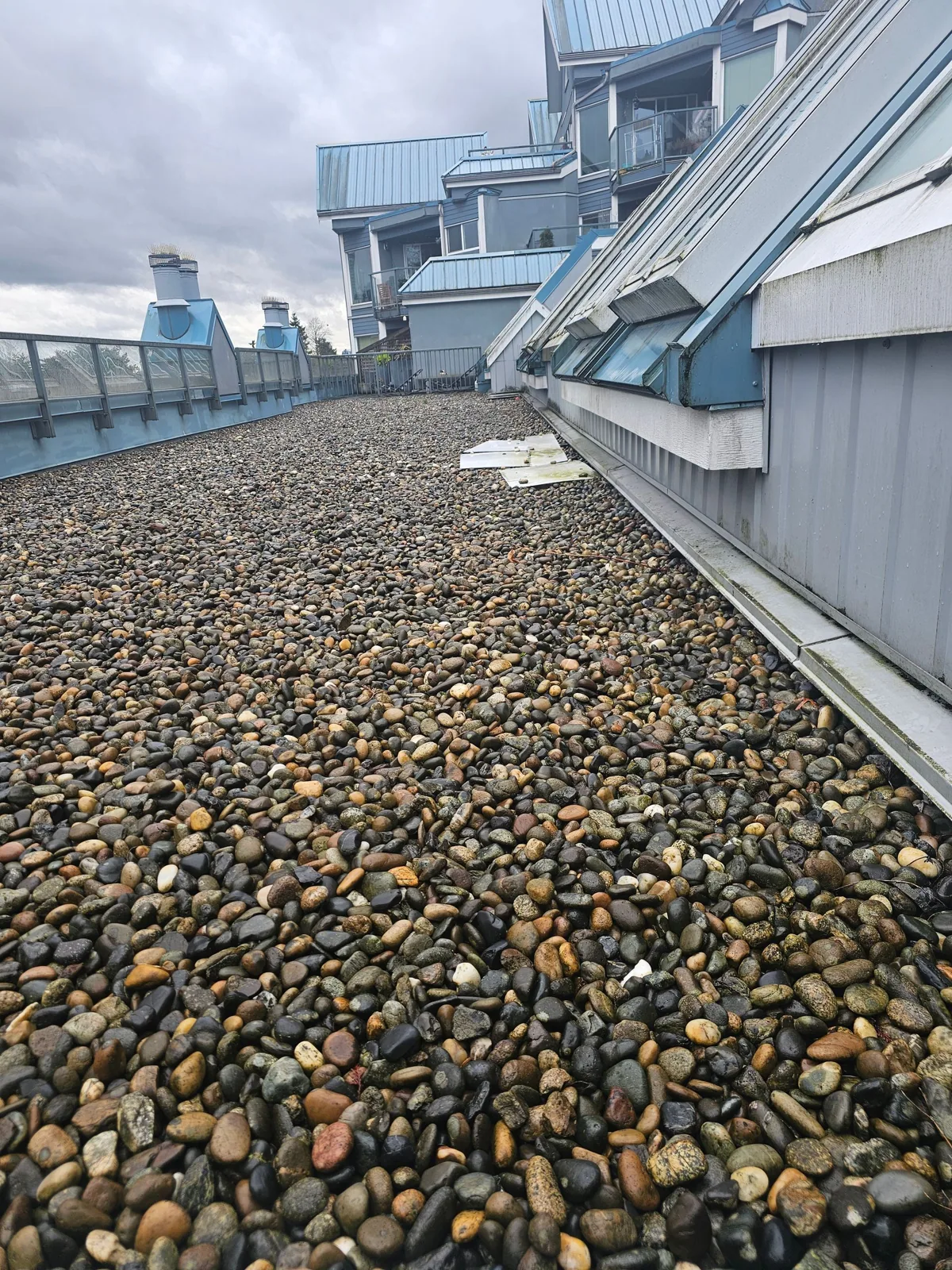
Built-Up Roofing in New Haven, CT
Built-Up Roofing
Plan built-up roof repair or replacement in New Haven with ply, surfacing, drainage, and phasing details documented for bid comparison.
Snow, meltwater, and repeated freezing put the drainage path on a built-up roof scope in New Haven, CT. A BUR assembly uses multiple plies and asphaltic bitumen, often with a surfacing layer, so the condition at the surface is only one part of the decision. We review the roof history, drainage, visible plies, and access constraints before setting a repair or replacement boundary. That record helps a general contractor compare a localized correction with full removal.
New Haven's winter climate includes frequent freezing nights, making outlets, low areas, and terminations useful inspection points. North Haven's commercial mix includes distribution, warehousing, steel fabrication, medical equipment, and manufacturing. Those uses can affect equipment access and phasing, while the particular roof examination determines what work is needed at each property.
Plies and surfacing condition
Built-up roofs rely on multiple bonded layers. We examine the cap sheet or surfacing, interply bond, base sheet, flashing, and edge termination for splits, blisters, exposed reinforcement, or separation. Gravel or other surfacing can protect the roof but may also obscure the condition beneath it, so we note what is visible and where a test opening would answer a scope question.
A repaired surface should connect to sound material and preserve the drainage path. We identify whether a leak is associated with a blister, open lap, puncture, wall transition, or drain connection, then map the work limit. If the defect sits within a broader moisture area, a moisture survey or test cut can help determine how much material must be removed. For a defined opening, a repair visit can establish the ply and flashing work without treating every visible imperfection as a full roof failure.
Surfacing removal can affect both the sequence and the debris plan. We identify where aggregate or cap material must be cleared, how the exposed area will be protected, and what condition will be checked before new plies cover it. If a localized repair leaves the surrounding surfacing in place, the boundary should be defined so loose material does not contaminate the prepared area. These details help the contractor plan a work zone that can close at the end of the shift.
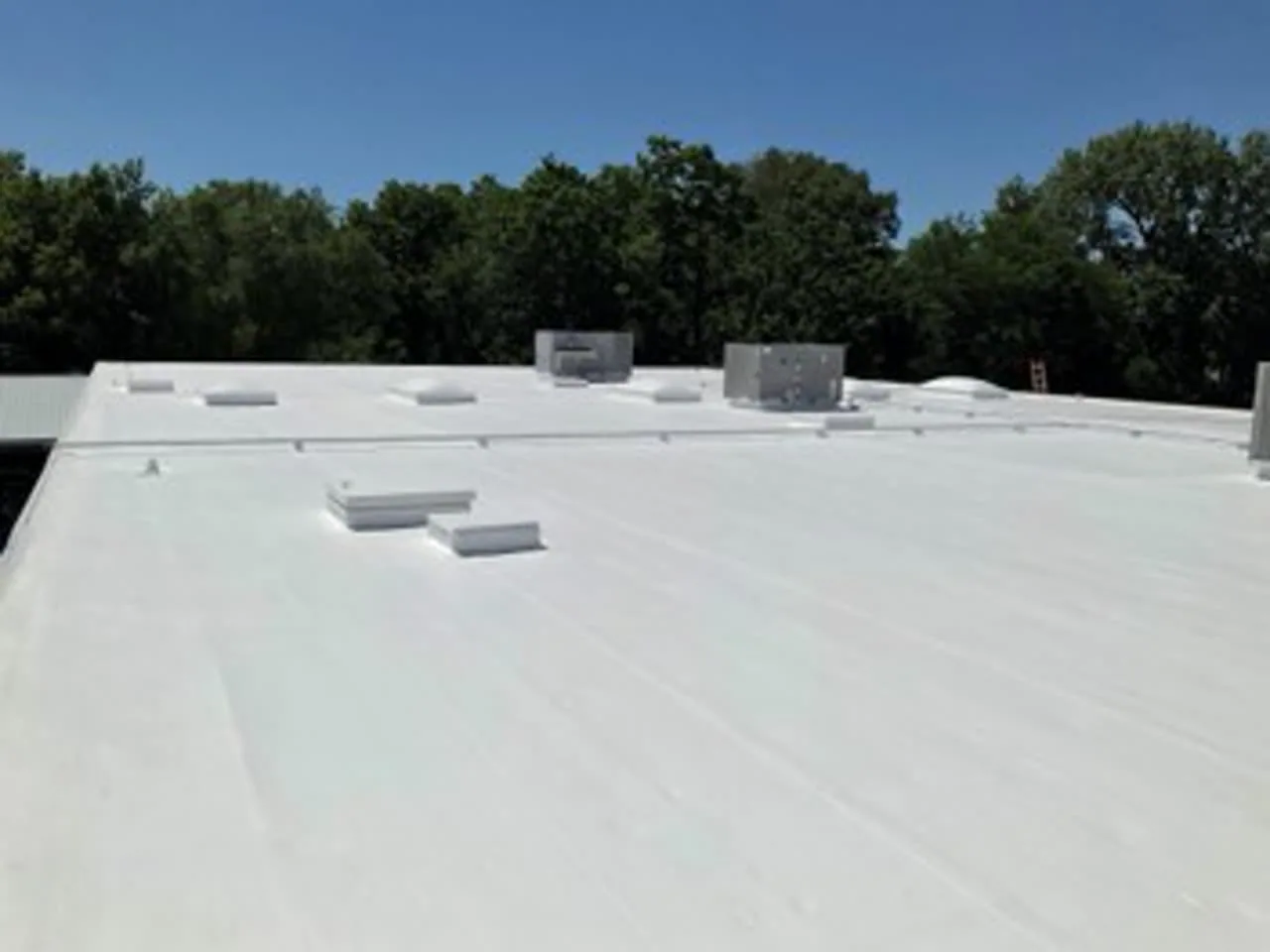
Water paths through a multi-ply roof
New Haven's freeze-thaw cycle makes standing water and slow drainage important conditions to record. We trace slope toward drains, scuppers, and gutters, then check whether surface irregularities or blocked outlets keep water near a seam. Water may travel between plies before appearing indoors, so the ceiling mark and the roof opening do not always share a location.
The investigation starts with leak reports, prior patches, and roof plans, then follows the likely path across the assembly. We identify low points, penetrations, equipment supports, and transitions that could admit water. If the deck or insulation may be wet, we mark test locations before the repair boundary is priced. A drainage correction can be separated from ply repair, while a ponding-water scope can address a confirmed condition that goes beyond routine debris removal.
A later inspection should be able to identify whether a repair remains intact and whether water still reaches the same outlet. We label roof zones consistently, photograph the close detail, and note any surfacing that limits visibility. That information lets the next contractor compare the new condition with the earlier bid assumptions and plan access without reopening unrelated sections during a later project phase.
Surfacing and installation controls
Surfacing and application method affect both installation and maintenance. The specification should say whether the proposed assembly uses a smooth cap, mineral surface, or aggregate and identify the selected ply sequence. We coordinate material staging, kettle or adhesive controls where applicable, protection below, and daily closure of open work areas. The general contractor needs a sequence that accounts for other trades and occupied space.
At parapets, curbs, pipes, and equipment bases, flashing must tie into the field plies and terminate against a stable surface. We record metal condition and adjacent penetrations, then include required changes in the bid rather than calling them incidental. If the project replaces only part of a roof, the tie-in between old and new work should be shown on a roof plan. modified bitumen and TPO have different layer and seam details, so the interface should be priced as a designed transition.
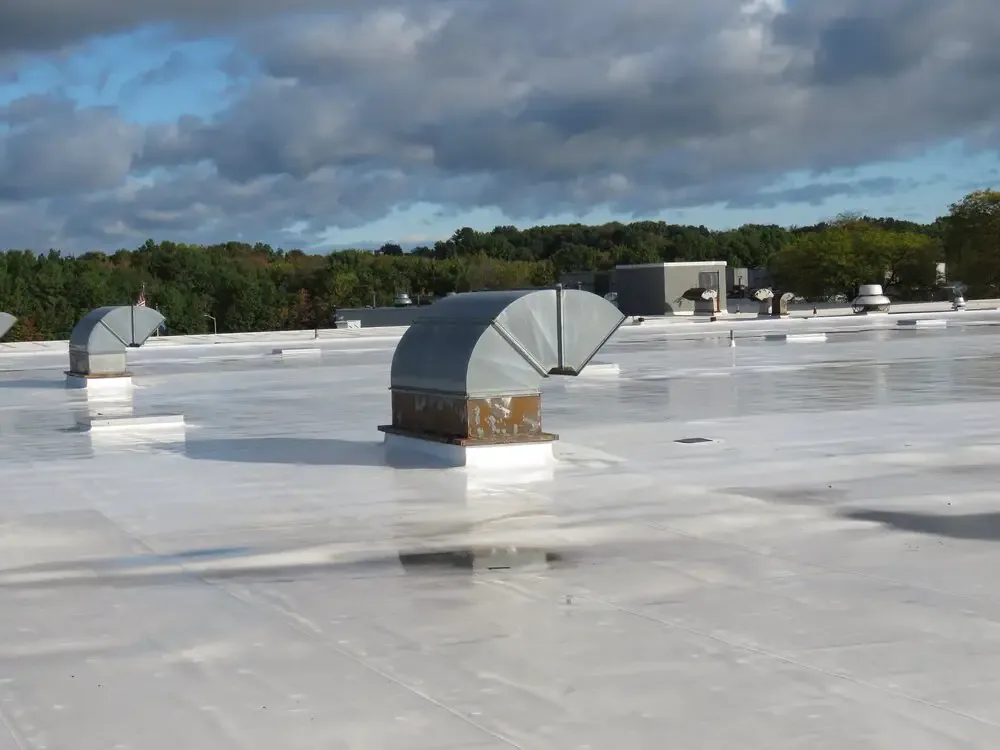
Perimeter review in coastal weather
New Haven's coastal storm history makes perimeter restraint and exposed flashing practical inspection priorities. Madison, within New Haven County, recorded a severe gust during Sandy. We check corners, edge metal, fasteners, and termination details for observable movement, then tie any repair recommendation to the roof in front of us.
Wind and water can affect different parts of a BUR system. A displaced edge may require metal correction, while an open ply or flashing return may call for a compatible asphaltic repair. We separate these conditions in the scope so the contractor can assign each detail and avoid a single allowance covering unrelated work. Where the roof record shows multiple areas of concern, a condition inspection can document priorities before the project moves into bid review.
Removal limits and bid alignment
A replacement proposal should state surfacing removal, ply count assumptions, insulation work, deck review, flashings, drains, perimeter metal, and temporary protection. Concealed conditions can change after removal, so we distinguish known quantities from allowances and identify the review point when the roof is open. That gives the general contractor a basis for comparing cost drivers and scheduling decisions.
For an occupied property in New Haven, access routes, material staging, and interior protection can affect the daily phase. We set work limits, note where temporary tie-ins close each shift, and coordinate which roof zones remain available to mechanical or maintenance trades. A condition report can retain photos and layer observations for future budgeting. Bring leak history, plans, previous scopes, and access requirements to a BUR scope review before comparing proposals.
Questions Owners Ask
Can a built-up roof be repaired without replacing every ply?
A localized repair may be possible when surrounding plies and the deck remain sound. We inspect the layers, moisture, surfacing, and adjacent details, then show the repair boundary. If deterioration or wet material extends further, the removal limit may need to expand.
What does gravel or mineral surfacing change during an inspection?
Surfacing can conceal the cap layer and make a targeted opening useful before pricing. We record what is visible, identify areas for closer review, and distinguish loose debris from a roof condition. The proposed work should state how surfacing will be removed and restored.
Does a New Haven winter make ponding more serious on a BUR roof?
Repeated freezing makes drainage and low points useful review areas. We trace where water stands, inspect nearby plies and outlets, and determine whether maintenance or a repair is supported. The roof's current condition sets the corrective scope.
How do you compare a BUR repair with a recover?
We compare existing layer count, moisture, attachment, deck condition, drainage height, and the proposed new assembly. The report identifies material that can remain and areas needing removal. Those facts show whether an overlay is feasible or full replacement is more supportable.
What details belong in a BUR replacement bid?
Ply sequence, surfacing, insulation, deck assumptions, flashings, drains, edges, access, and concealed-condition allowances should be visible. We also state how open work is protected between shifts. That helps the contractor compare proposals on equivalent limits and phasing.