
Commercial Roofing for Logistics and 3PL Operators in New Haven, CT
Logistics and 3PL Operators
Plan logistics roof work in New Haven around dock schedules, inventory protection, drainage, and phased access with clear operating assumptions.
A dock schedule can change faster than a roof estimate, so work zones need to fit the operating plan. New Haven's winter freezes make drainage and perimeter details useful checks before a maintenance or replacement phase. We document the roof condition, map material movement, and state which receiving areas stay active. The owner can then compare repair limits and schedule assumptions without pricing an all-at-once shutdown the site cannot support.
East Haven has wholesale and warehouse operations, while North Haven combines distribution with machinery and steel work. Branford's mix includes manufacturing and freight-dependent activity. For each logistics property, confirm dock routes, staging, and roof access with the site contact. We inspect the actual roof and build the sequence from the operator's routes, shift calendar, and interior protection needs.
Protecting dock flow and inventory
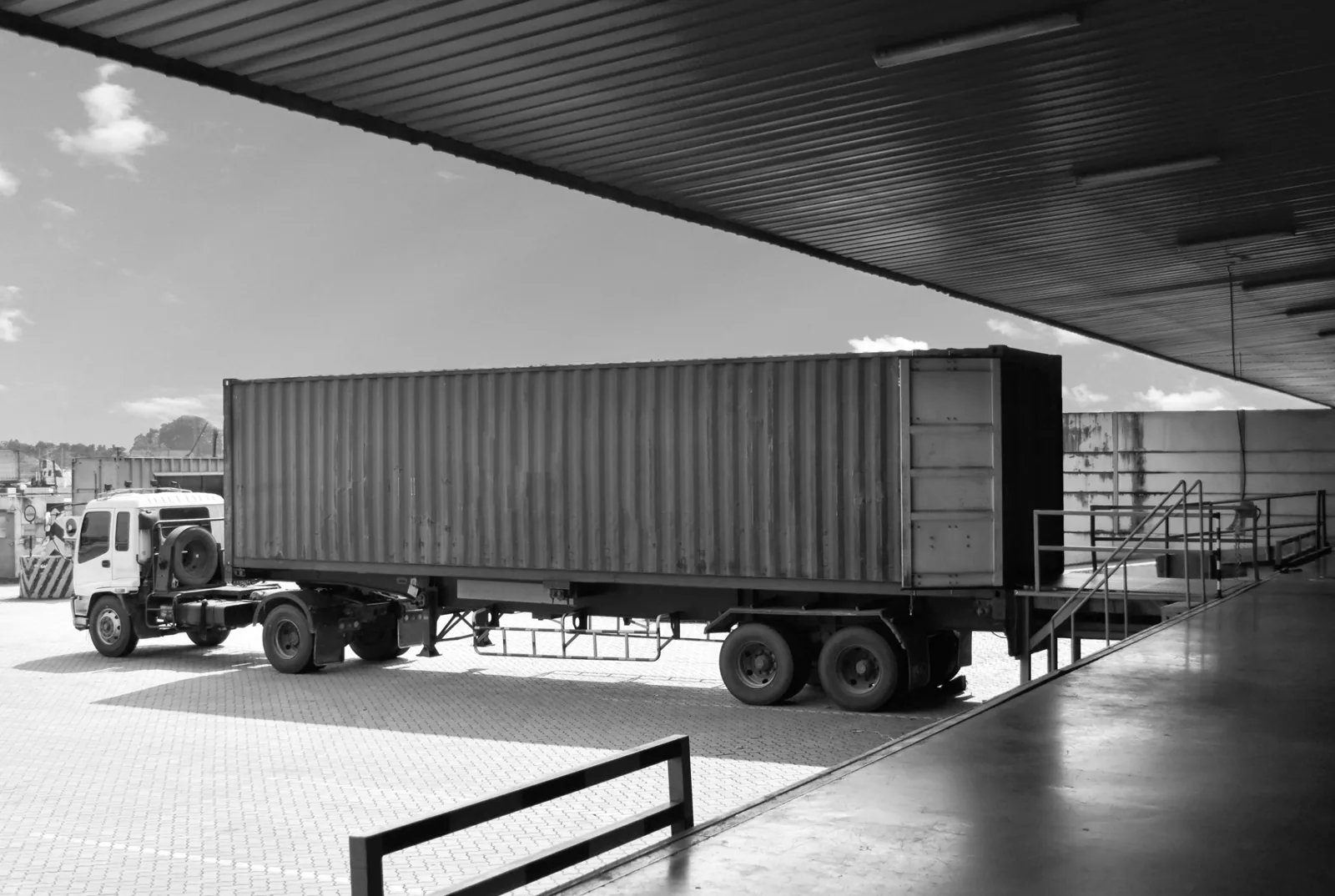
Roof access may cross trailer lanes, employee doors, or the path used by lift equipment. We map the delivery approach, staging area, roof entry, and debris route before setting a start time. If a lane must be reserved, the work plan names the period and alternate path. This gives dispatch and site management a chance to preserve planned arrivals rather than resolve a conflict after materials reach the property.
Inside the building, we identify high-value or water-sensitive storage beneath the proposed work area and agree on protection with operations. A roof opening is limited to the area the crew can secure by shift end. The plan should include a daily tie-in check and a contact for any added scope if the deck or insulation differs from the visible condition. A phased reroof sequence can separate receiving zones and keep selected routes in service.
East Haven and North Haven have reported warehousing or distribution activity, but each operator's flow is specific. We note peak periods, temperature-controlled areas when present, and access limits from the site team. A realistic production rate depends on the work area and the path for roofing materials, not on an assumed open dock.
Following water across long roof areas
A ceiling drip may appear far from the roof entry because water follows deck flutes or insulation joints. We use the reported location as a starting point, then inspect seams, penetrations, low points, drains, and transitions along the likely path. A roof inspection records the condition on a plan and keeps each observation tied to the correct bay or work zone.
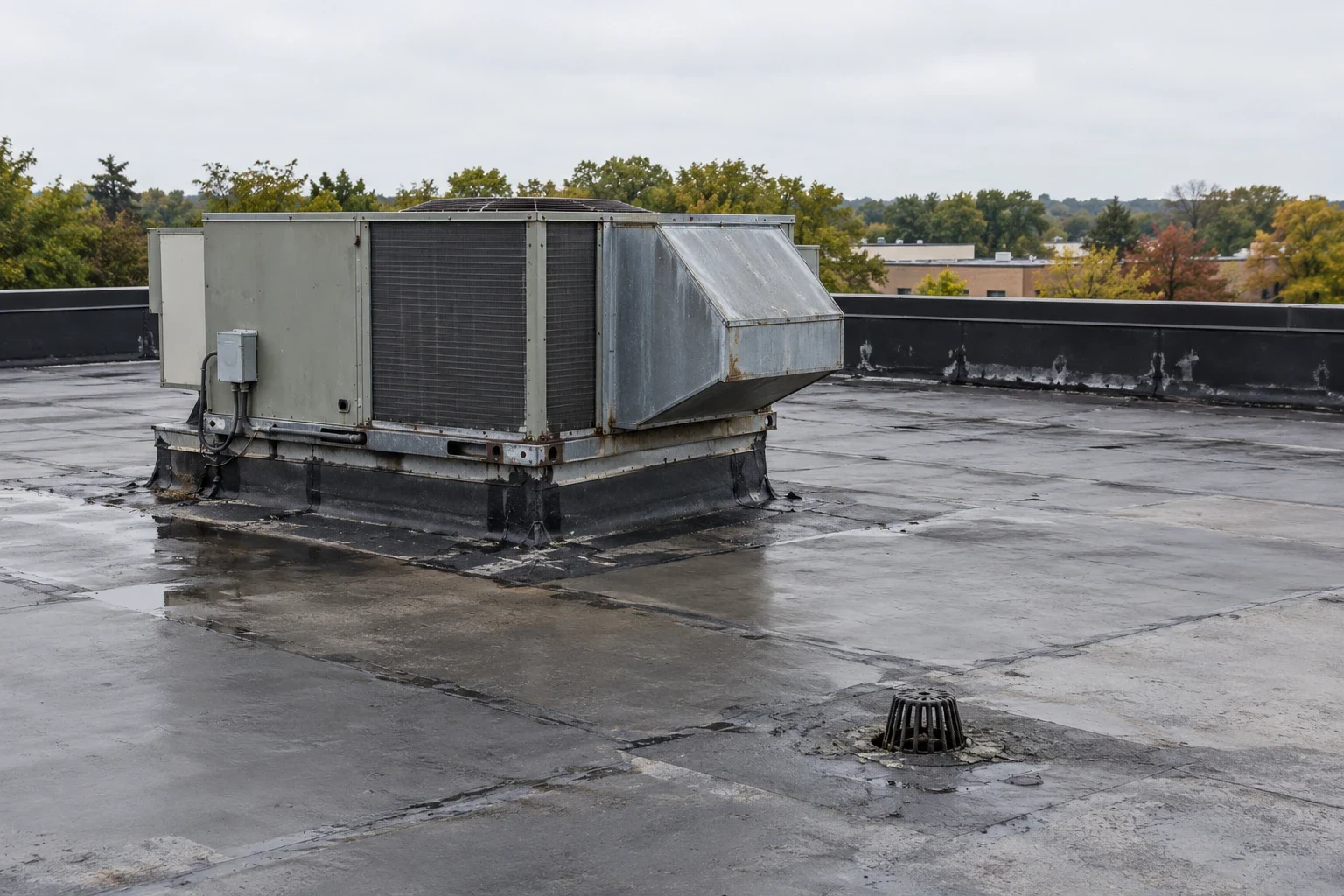
New Haven's winter freeze-thaw exposure makes blocked drains and standing water worth reviewing before cold weather. We check bowls, strainers, overflow paths, and the surface feeding each outlet. If a drain is clear but water remains, slope or insulation geometry may need a separate test. The drainage repair scope should identify the outlet and its contributing area rather than include a broad roof allowance.
Coastal storms can also prompt an edge review. We inspect coping, perimeter metal, fasteners, and terminations where wind exposure can stress a detail. A regional weather report does not define the repair quantity. Photos and Diligence Notes show what is open, what remains sound, and where temporary protection should precede permanent work.
Equipment and trade sequencing
Roof-mounted exhaust, ventilation, piping, and support lines can intersect routes used by maintenance staff. We map curbs and penetrations, then confirm which systems must stay active and which trade can authorize a move. If the operator plans conveyor or mechanical work at the same time, those scopes should be compared before a roof area is opened. Late equipment changes can affect flashing and closeout.
We inspect support pads, service paths, and areas where foot traffic wears the membrane. A curb and support review can define the roofing interface while leaving equipment service with its assigned contractor. If a proposed lift changes curb dimensions, we price that detail before final membrane closure. The roof plan should preserve service clearance without blocking a drain or overloading a walk path.
Several tenants or logistics clients may use one building, each with a different notice process. We identify the property contact who can resolve access restrictions and the site contact who controls daily operations. That avoids a general contractor carrying one tenant's hours across every zone. The estimate states which approvals are needed before crews arrive.
Repair or renewal by operating phase
A focused repair can fit between shifts when the defect is isolated and surrounding materials remain serviceable. We document the seam, flashing, drain, or puncture and define the repair boundary. A planned repair visit can group nearby items while keeping separate quantities for each work area. The owner can compare temporary stabilization with a permanent repair on the same record.
If wet insulation, repeated openings, or weak attachment extend beyond one zone, replacement may be more appropriate. The proposal should show removal limits, substrate assumptions, drains, edge metal, equipment, interior protection, and temporary tie-ins. A recover is not priced until existing layers, moisture, attachment, deck, drainage height, and applicable requirements are reviewed. We identify each assumption that could alter quantities.
Scheduling may align with a lower-volume period or planned maintenance outage. We can compare work zones and identify which lanes need closure, where a crane can stage, and how material deliveries affect throughput. A capital timing review can separate a known near-term repair from a wider renewal that requires additional testing or approval.
Closeout for the next shift
At closeout, we list the areas completed, materials used, photographs, drain observations, and items left for follow-up. The roof plan ties each entry to a location that operations staff can recognize. If a route or work zone remains under observation, the record identifies the check and timing. That gives the next shift a clear update without asking dispatch to interpret a roofing invoice.
For logistics roofing in New Haven, bring dock calendars, site access rules, inventory limits, roof plans, and repair history. A manufacturing operation may share production windows, while a property manager can coordinate notice across multiple occupants. We will keep each phase connected to the building's actual use and roof condition.
Maintenance visits can compare low areas, drains, edge details, and repeat leak locations with prior photos. If an opening recurs, we review its relation to earlier work before changing the repair boundary. This record lets the operator choose stabilization, testing, or capital work without disrupting unaffected loading areas by default.
Questions Owners Ask
Can dock operations continue during a roof project?
A phased plan can keep selected lanes operating when staging, lifts, debris removal, and daily roof closure are mapped in advance. The site team identifies peak periods and alternate routes. We state any short interruption so dispatch can adjust arrivals before crews set up.
How do you protect stored inventory from roof work?
We map the planned opening to the storage below and agree on interior protection with operations. The estimate states which zones are included and when the crew will close the roof each day. Any concealed condition that expands the work requires a defined approval before the area is enlarged.
What should a logistics roof bid say about access?
It should show delivery routes, staging, roof entry, crane or hoist assumptions, debris handling, and any restricted dock period. We also identify who approves an access change. Those details let the operator compare the same throughput assumptions across proposals.
How should a long-running leak be investigated?
We start with the reported interior bay and trace the likely path across slope, seams, penetrations, and drainage. The entry point may differ from the drip location. A plan reference and photos help distinguish one opening from several defects before a repair quantity is set.
Which local industrial areas inform New Haven logistics roofing?
East Haven and North Haven support warehouse and distribution work; Branford also serves businesses whose operations depend on freight. New Haven's winter freezing also makes drainage a useful maintenance item. These local business patterns help frame regional operations; a site inspection establishes the roof scope.