Commercial Roofing for Manufacturers in New Haven, CT
Manufacturers
Plan manufacturing roof repairs in New Haven with production access, rooftop equipment coordination, drainage, and clear outage assumptions.
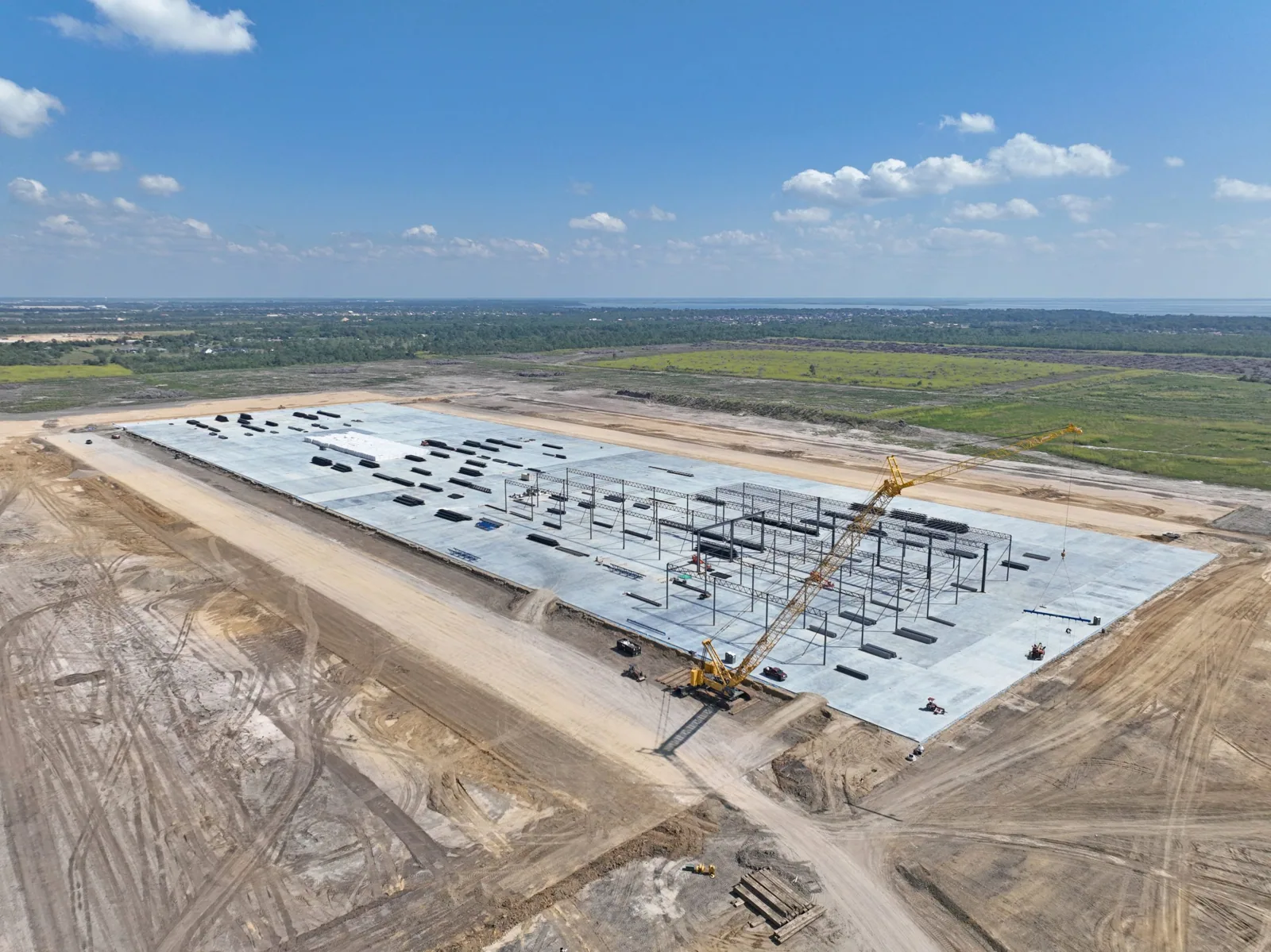
A roof phase over an active production area has to account for material handling, equipment, and the shift calendar. New Haven's freeze-thaw cycle makes drains and exposed terminations useful points to review before a shutdown is scheduled. We inspect the assembly, locate reported conditions, and build a work sequence around the areas the plant can release. The bid should identify temporary protection, production restrictions, and the decision point if concealed material changes the scope.
North Haven's business base includes machinery, steel fabrication, chemicals, and distribution; East Haven has electronic components, warehousing, and welding activity. Hamden also includes fabricated metals and wire or cable uses, making roof access and trade coordination relevant across the market. We confirm each site's production requirements, roof assembly, and access conditions from its records and field review.
Production windows and roof boundaries
Before mobilization, we identify lines, storage, receiving, and support areas beneath the roof zone. The plant contact can flag operations that cannot pause, routes used for forklifts, and areas where dust or water protection needs added planning. We then set the work boundary and sequence by shift or building zone. A short production window can change crew size, material staging, and the portion of roof opened each day.
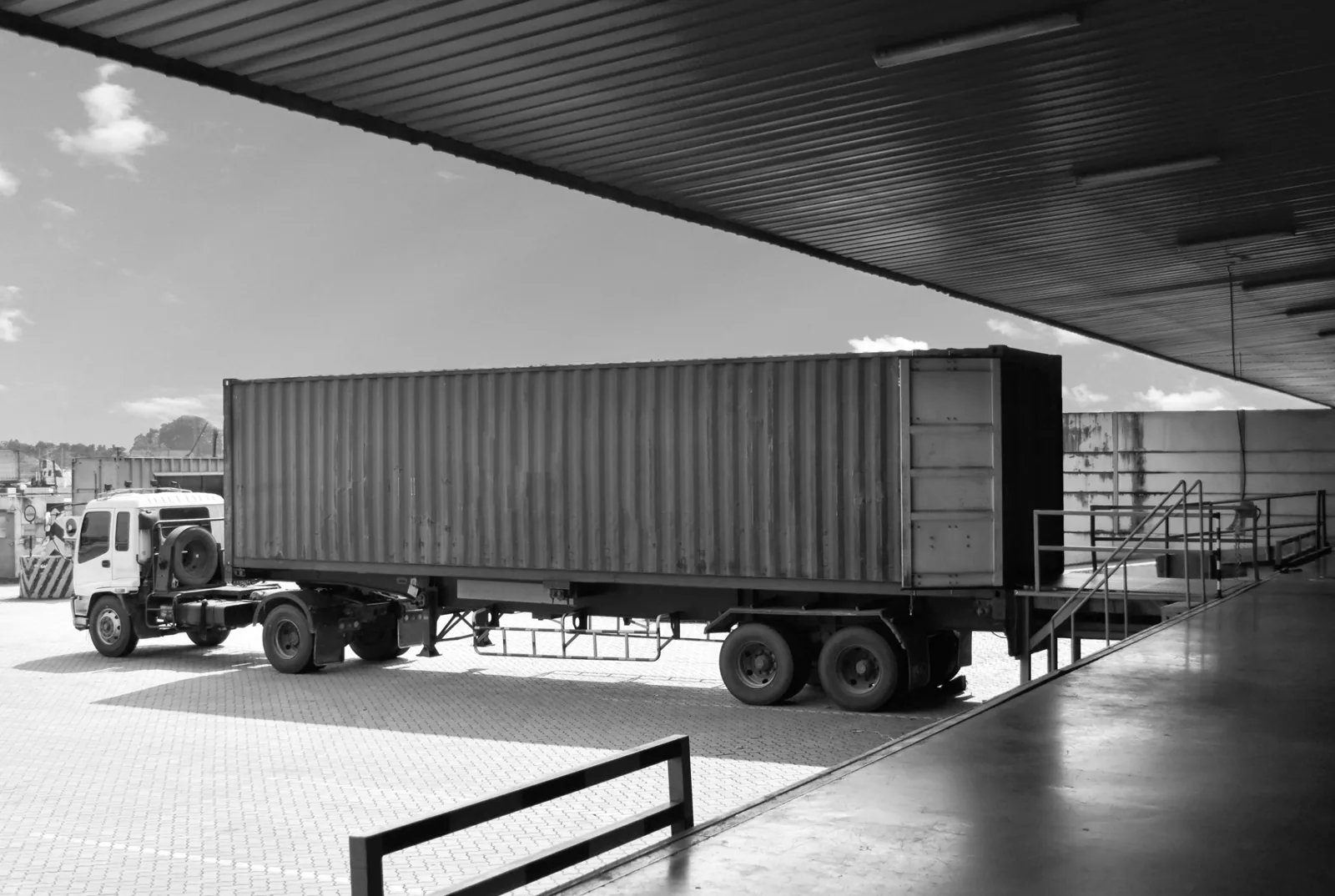
Material lifts may compete with shipments or operator access. We plan the delivery route, staging, and debris removal with the plant schedule, then list any temporary restriction in the bid. If a roof opening must be secured at shift change, the daily closeout plan should state who checks and releases it. A phased building reroof can keep selected production areas separate from active work when the assembly and layout allow it.
North Haven combines distribution with fabrication, while East Haven's production base includes electronic components and warehousing. These uses suggest different access pressures, not identical operating hours. We record the actual route and shift limits for the property so the general contractor can price the planned sequence instead of assuming open access.
Roof penetrations and mechanical interfaces
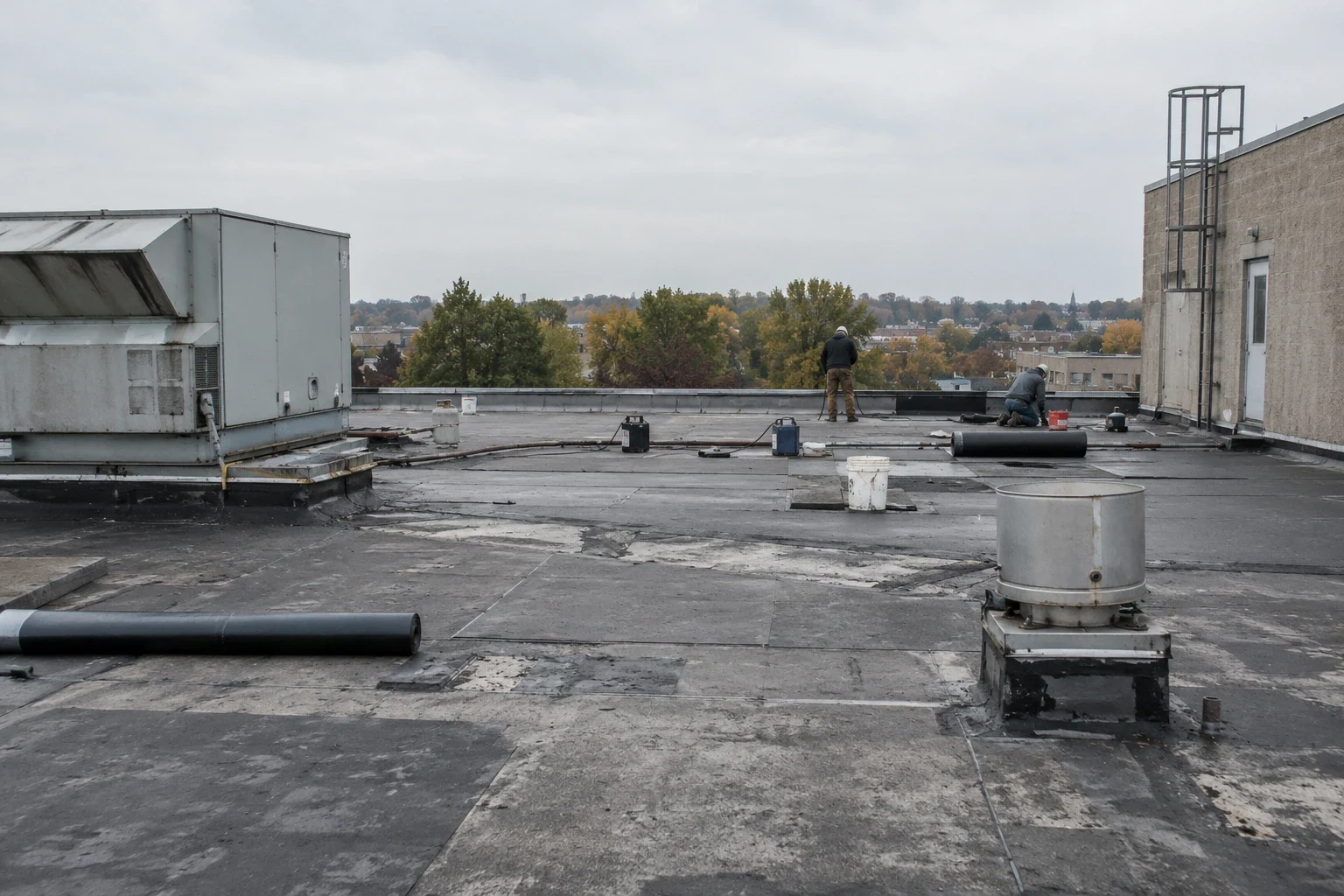
Exhaust, ventilation, process piping, conduit, and rooftop units create interruptions in the membrane field. We map each penetration and curb, examine flashing for movement or separation, and note which equipment must remain operating. If a unit needs to be moved, the mechanical contractor and production manager should agree on the outage before roofing closes the detail. The estimate separates equipment work from the roofing interface.
Service routes can wear membrane at predictable crossings. We inspect support pads and walk paths, looking for abrasion, trapped debris, or blocked drainage. A curb and support scope can identify roof work without transferring responsibility for the machine. Photos tied to a roof plan help the plant team preserve service clearances after installation.
Where water enters near a penetration, we follow the membrane, slope, and nearby seams before setting a limit. A ceiling stain or process interruption is a report to investigate, not the roof diagnosis. If testing is needed, we identify its location and what result would change the repair quantity. That keeps downtime and roofing scope tied to observable evidence.
Drainage and edge details in cold weather
New Haven's freezing winter days make outlet performance and low areas worth checking before water can remain against a detail. We inspect drains, scuppers, overflows, and the route from each roof basin. A blocked outlet calls for a different action than an insufficient slope or compressed insulation. The report identifies what was found and whether a correction requires roofing, plumbing, or another trade.
At parapets and edges, we examine coping joints, metal laps, fasteners, and membrane terminations. Coastal wind events add reason to include exposed corners in an inspection after severe weather, but the condition record determines whether repair is needed. The drainage service can address a defined outlet issue; a larger slope correction requires its own measured scope.
Production sites may have runoff paths near dock doors or exterior staging. We note the discharge point and any area where temporary work could affect material movement. If ice or ponding is reported, we document the location, weather timing, and roof conditions observed. That gives operations a practical next action without assuming every winter event indicates membrane failure.
Repair packages and capital renewal
A localized seam, curb, or edge repair may be appropriate when surrounding materials remain serviceable. We list the repair area, compatible material, test result, and any condition left for follow-up. A planned repair package can combine nearby items when one access window covers them. The owner can compare the repair cost and production interruption against a wider replacement scope.
When the condition record points to broad moisture, repeated opening, weak attachment, or deteriorated insulation, we outline a replacement comparison. It should state removal limits, substrate assumptions, insulation, drainage, edge metal, rooftop equipment, protection, and daily tie-ins. A second-layer assembly requires review of current plies, moisture, deck, fastening, drainage height, and applicable requirements. A replacement proposal should identify what is confirmed and which test or opening remains.
Capital timing may align with a planned maintenance stop, equipment upgrade, or plant shutdown. We can sequence roofing and other trades when each party's scope and approval contact are clear. If the production window moves, we record which activities need rescheduling and how the open roof remains protected.
Roof history for plant maintenance
Closeout records should show repaired locations, photos, materials, drain observations, and items requiring future review. We mark the area on a roof plan and identify any access restriction or equipment handoff. The plant can connect this information with maintenance work orders and production calendars. If another contractor later services a unit, the roof record helps show which flashing detail must remain protected.
For manufacturing roofing in New Haven, bring roof plans, shift schedules, production restrictions, equipment lists, and leak history to the initial review. logistics operators may share loading constraints, while general contractors can coordinate related trades. We will tie the work sequence to the actual building and outage window.
Periodic maintenance can compare outlet function, seams, curbs, and exposed edges with earlier photos. We note what was inspected and what remained inaccessible, then identify any question that merits testing before capital work is planned. That record can reduce repeated investigation and preserve the basis for a later bid decision.
Questions Owners Ask
Can roof replacement fit between production shifts?
The available window, material handling route, roof assembly, and required tie-in set the daily quantity. We plan by zone and state what area needs to be released. A concealed condition may affect duration, so the approval contact and protection plan should be settled before work begins.
How do you avoid disrupting equipment operation?
We map curbs, lines, service routes, and shutdown limits with the facility team before pricing. If a unit needs to move, the responsible mechanical trade and outage are identified. The roofing scope then includes the correct flashing sequence and avoids making an operating assumption on the plant's behalf.
What should a manufacturing roof inspection include?
The record should locate seams, drains, penetrations, edge details, prior repairs, and access limits. We relate each observation to the work area below and note whether additional testing is needed. That gives operations and capital teams a shared basis for sequencing repairs.
When is a roof repair preferable to replacement?
A repair may fit when a defect is localized and adjacent materials remain stable. Broad moisture, recurring failures, or weak attachment can support a larger evaluation. We compare field findings with roof history and describe what testing is needed before recommending a broader quantity.
Which nearby industry facts help frame New Haven plant roofing?
Steel fabrication, machinery, and distribution are part of North Haven's economy; East Haven has warehousing, electronic components, and welding work. New Haven's winter freezing also makes drainage a useful review point. These nearby industries shape local operations, while the plant's condition and schedule set the scope.