

Roof Damage Repair
Respond to commercial roof damage in New Haven, CT with evidence, temporary protection, repair scopes, and a documented closeout records.
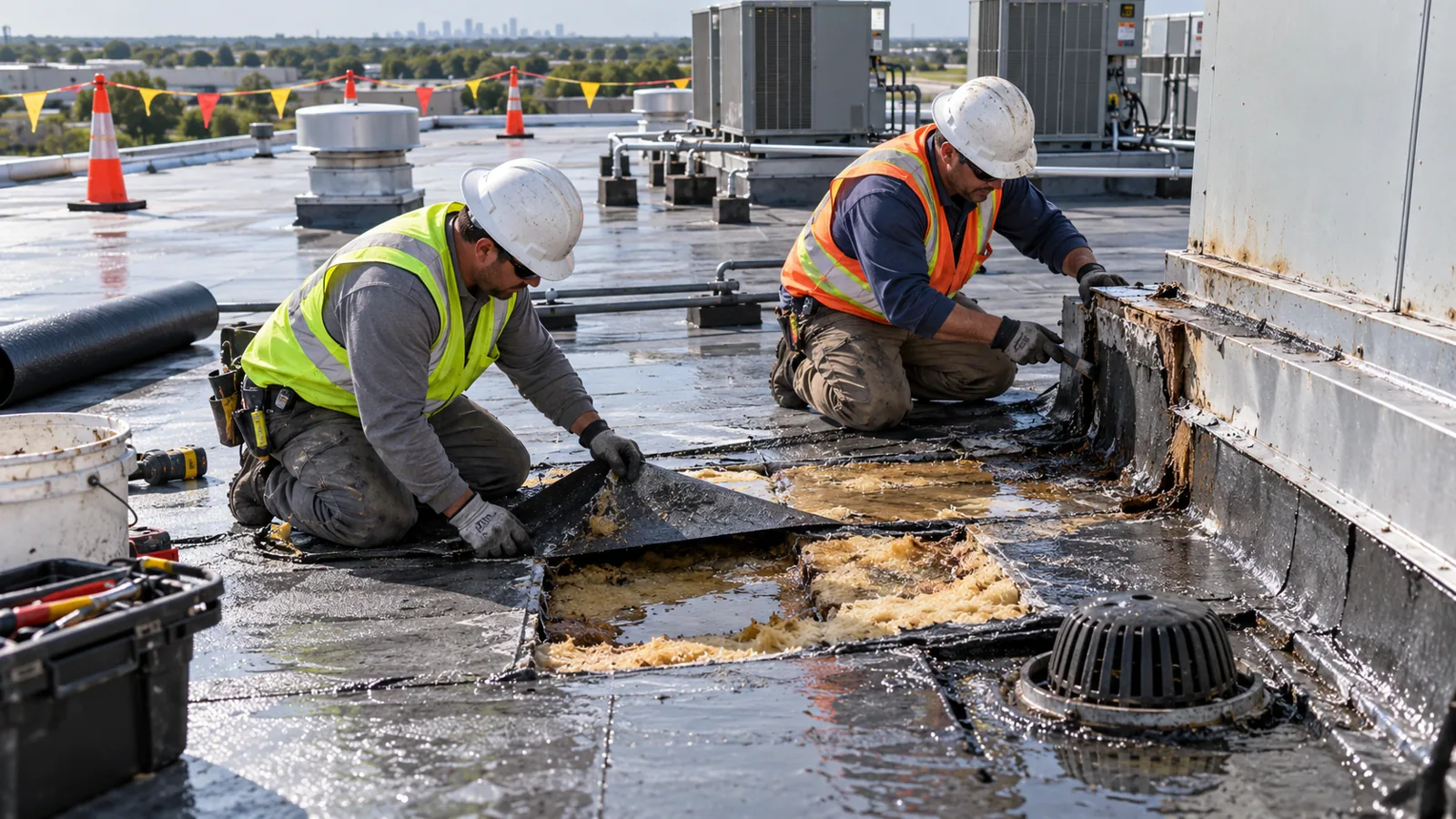
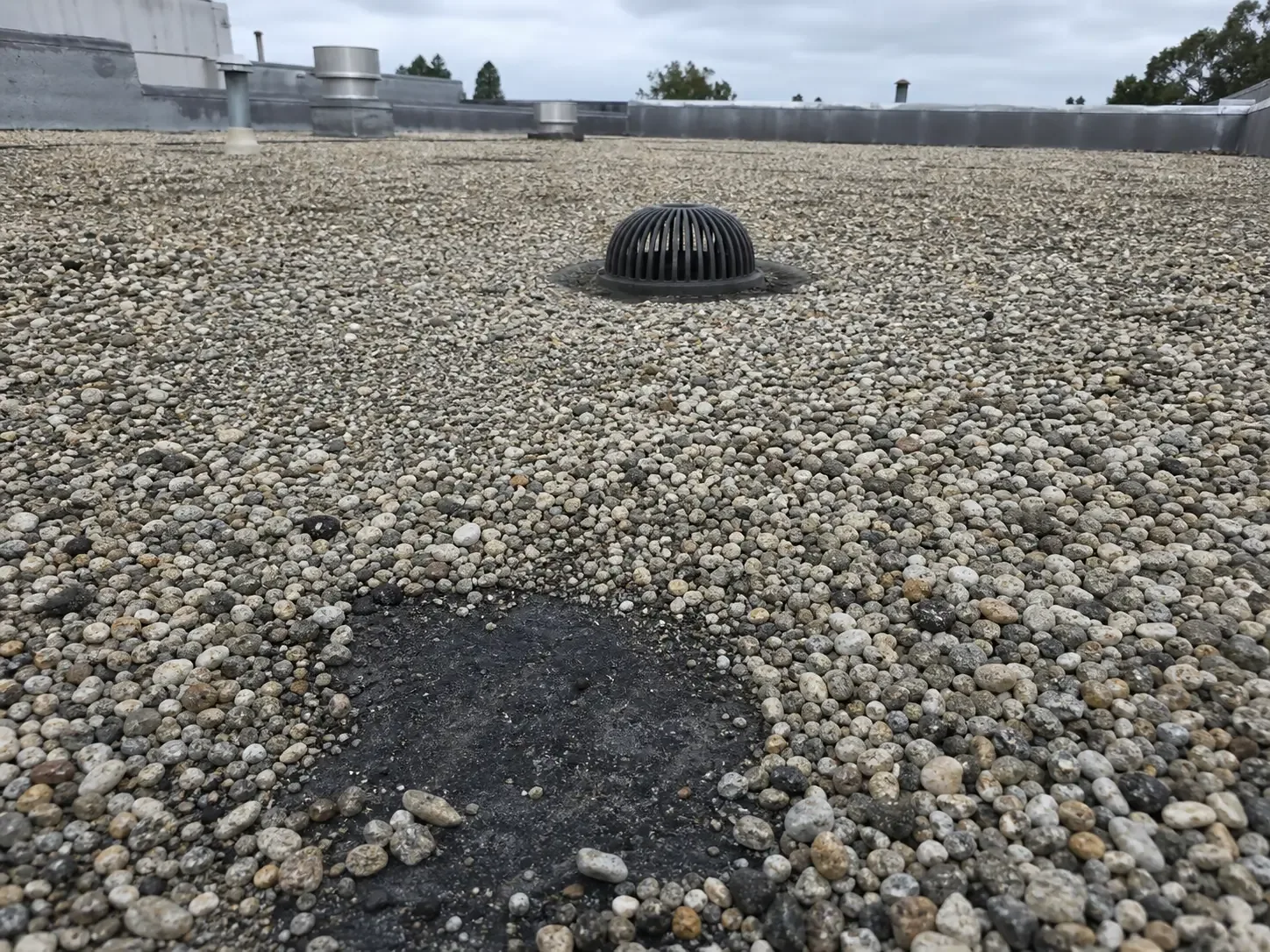
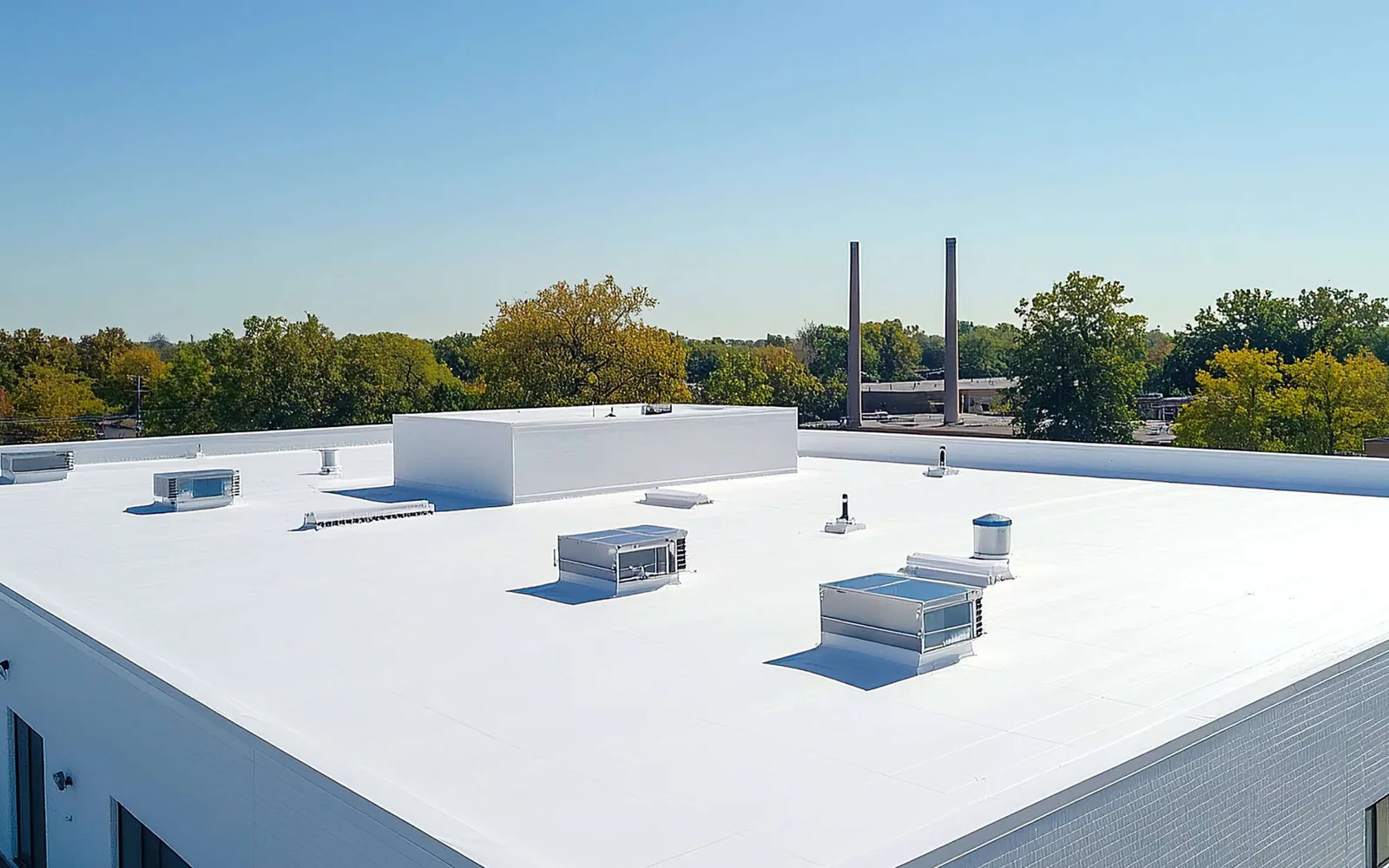
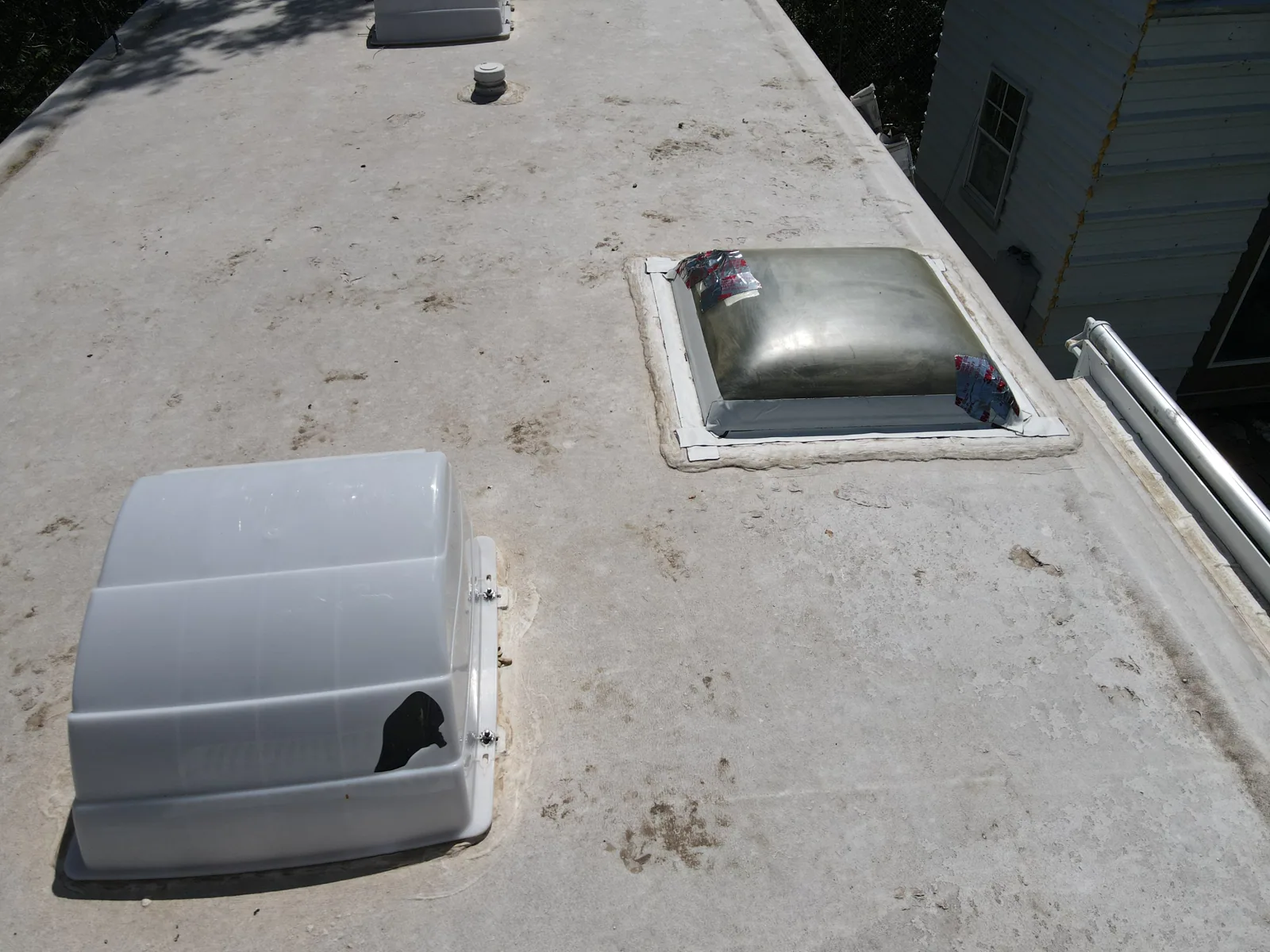
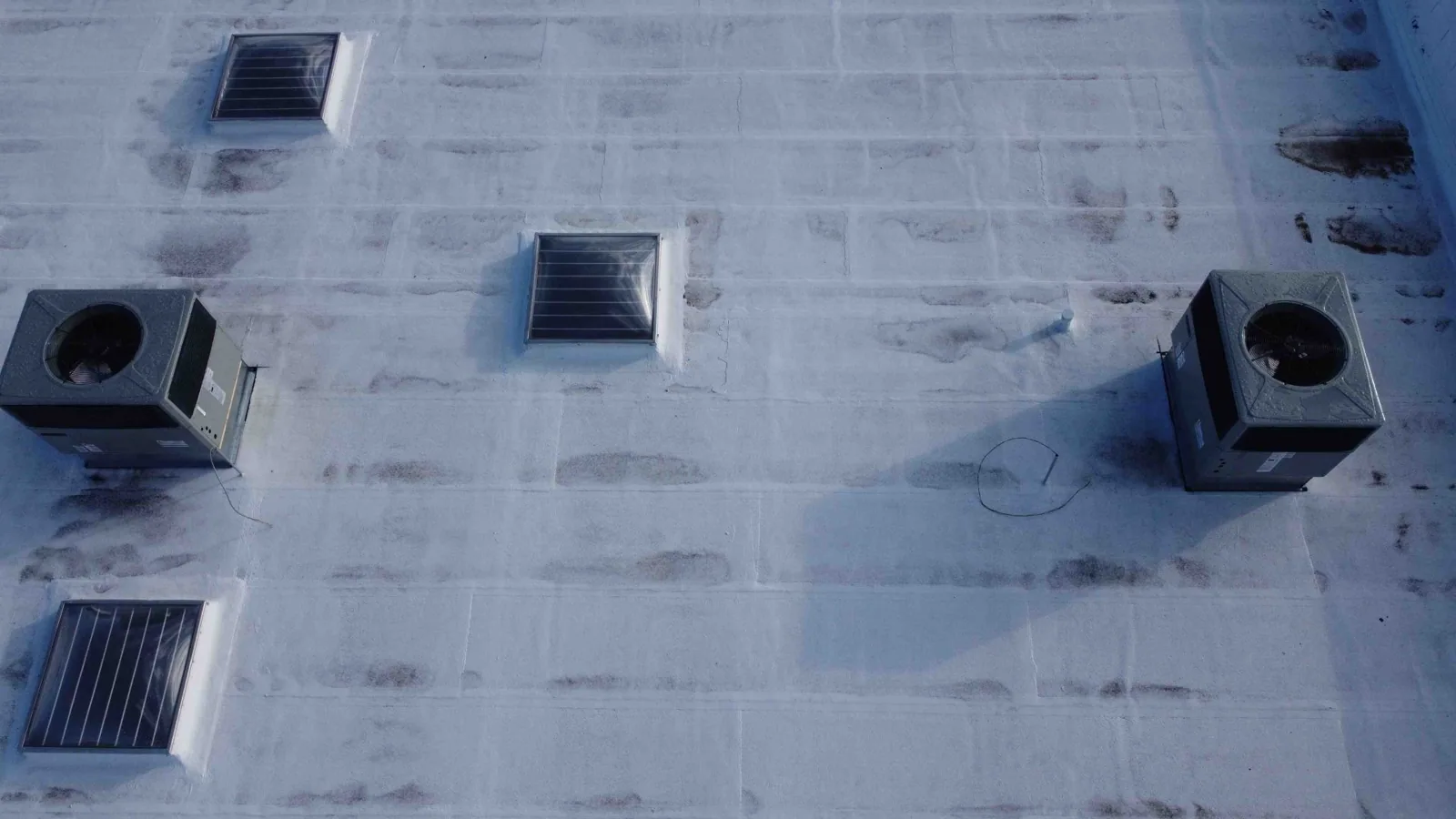
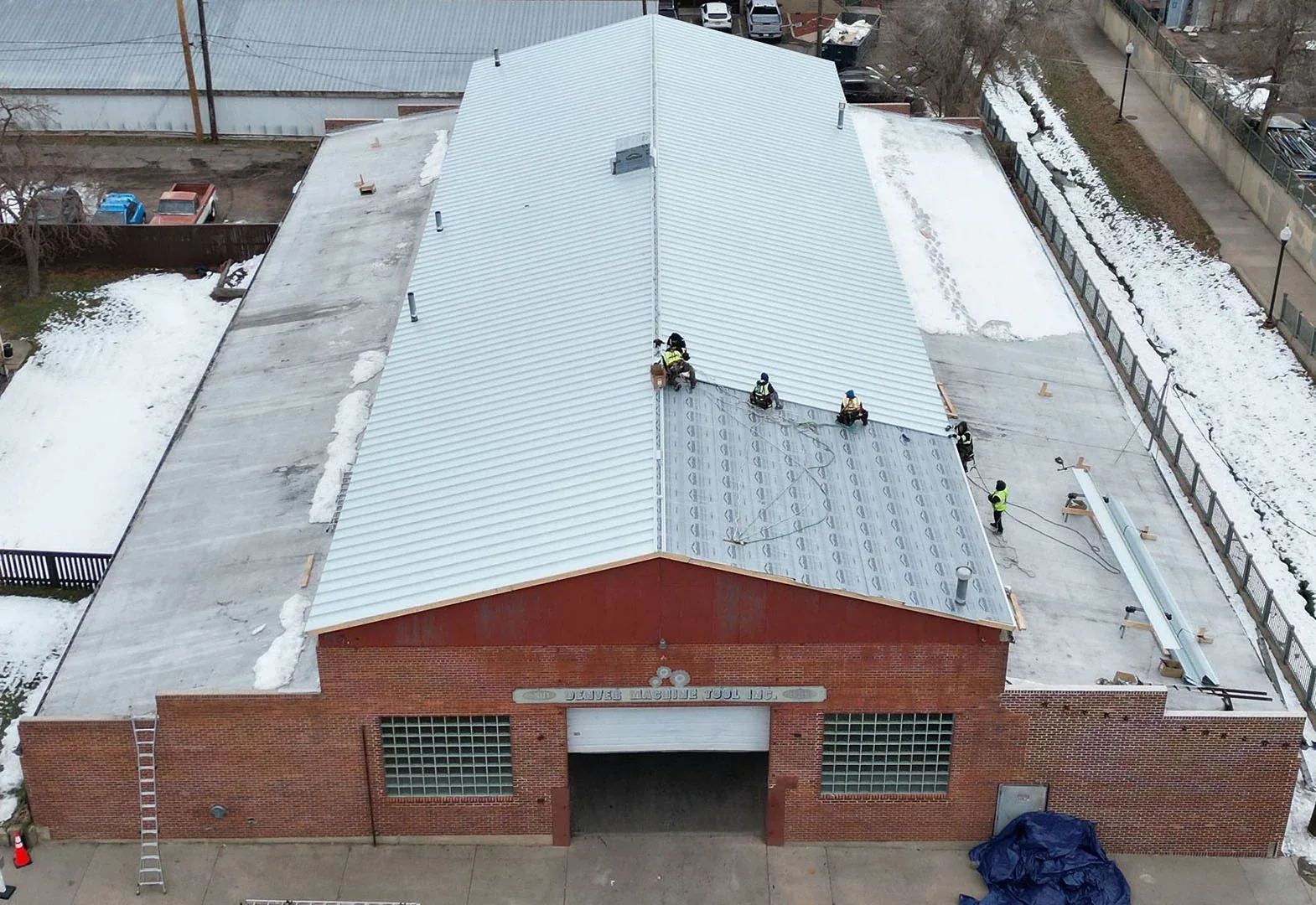
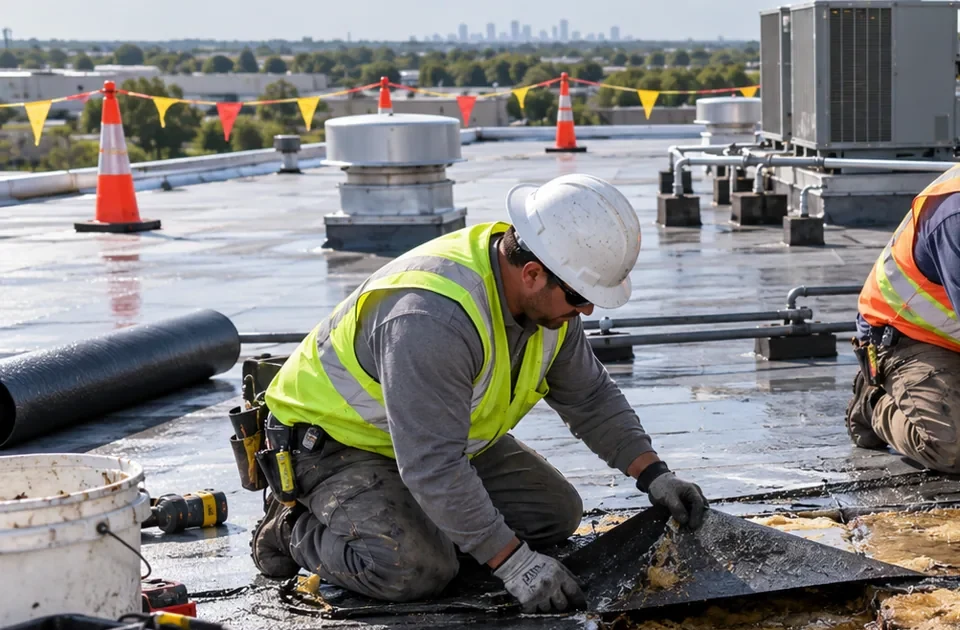
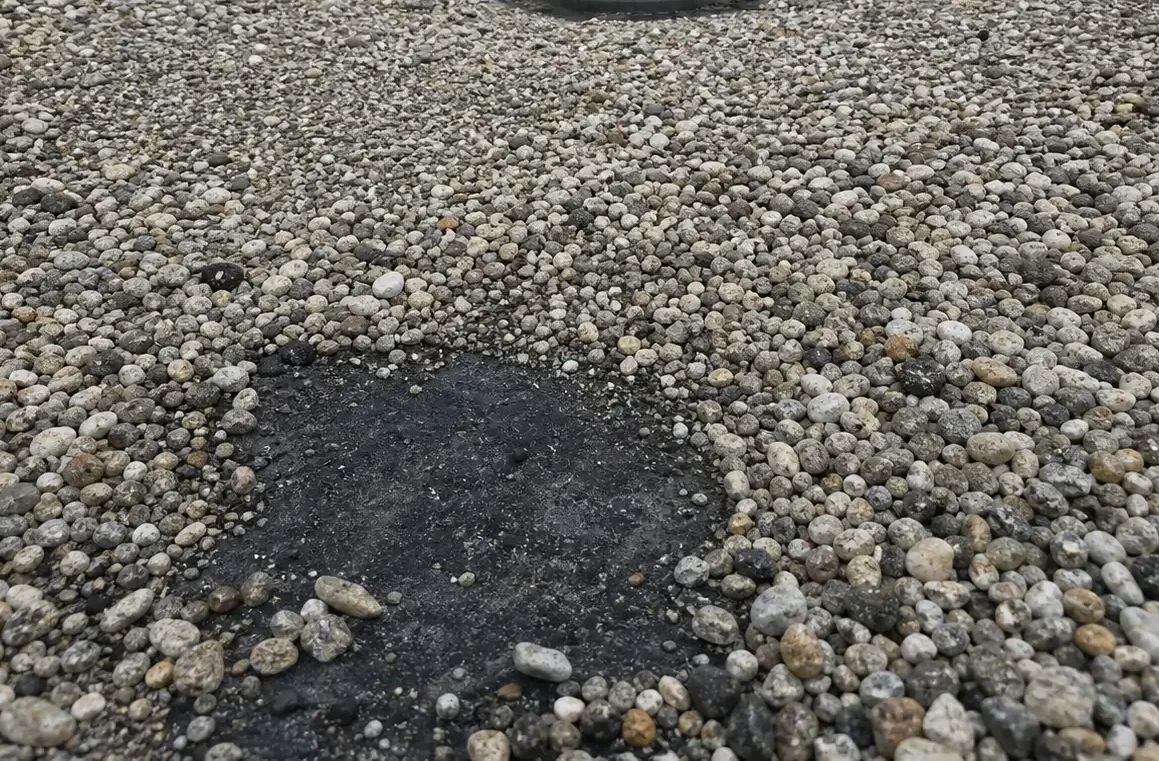
Winter freeze-thaw exposure and coastal storms can test drainage paths, seams, flashings, and roof edges in New Haven. When water or visible damage appears, we first protect the building and document the affected area. The repair scope follows observed conditions, with testing or opening identified where concealed damage could change the work. This gives the general contractor a clear decision point before repair limits expand.
Stabilize and record the condition
Active water entry calls for safe interior protection and prompt roof access. We note the reported location, weather timing supplied by the owner, visible openings, and temporary measures. An emergency response can limit immediate exposure; a later inspection defines permanent repairs once conditions permit. The record separates emergency work from the final scope.
Trace the path before opening
Water may travel along insulation, deck, or framing before it reaches a ceiling. We inspect nearby seams, penetrations, drains, curbs, and wall transitions and compare them with the reported interior pattern. A seam repair differs from a flashing correction, so the work order identifies the detail, preparation, and tie-in rather than treating every stain alike.
Account for weather and access
Cold, wet, or windy conditions may limit material handling and safe roof work. We note temporary coverage, the next inspection window, and any interior area still at risk. New Haven's freezing-day pattern makes drainage checks useful when water may remain at low points. A ponding-water assessment documents the condition and nearby outlets before the repair approach is selected.
Close the repair loop
After permanent work, the closeout should show the repair location, materials, before-and-after photos, weather limitations, and any follow-up needed. If opening reveals wet insulation or deck damage, we pause at the agreed change point and record the owner’s direction. For East Haven work, a dated roof file connects emergency response with later capital planning and keeps each building's history distinct.
Questions Owners Ask
What information helps during an urgent leak call?
Share the building access contact, active water locations, interior protection already in place, and any safe roof access details. Photos and the time the leak began help us prepare for the first visit.
Will emergency work include the permanent repair?
The first visit may focus on safe temporary protection when weather or concealed conditions prevent permanent work. We document what was completed and return to define a lasting repair when the roof can be examined.
How do you decide how far a repair should extend?
We inspect the affected detail and surrounding assembly, then use testing or a controlled opening when evidence calls for it. The written scope marks confirmed limits and any condition that could expand them.
What should the closeout record include?
Keep the work location, preparation, materials, photographs, and any owner-approved scope change. Note unresolved moisture or interior follow-up so the next inspection starts with a reliable history.