
Commercial Roof Membrane Puncture Repair in New Haven, CT
Commercial Roof Membrane Puncture Repair
Repair membrane punctures on New Haven commercial roofs by tracing the opening, checking foot-traffic paths, and protecting the assembly.
Even a shallow cut can let water enter the roof well before a mark forms on the ceiling below. New Haven's freeze-thaw season makes a puncture near a seam or drain worth documenting before water expands the affected area. We identify the opening, check the surrounding material, and record any roof traffic or maintenance activity that could explain how it occurred.
Hamden includes computer products, cable, concrete equipment, and fabricated metals in its commercial mix, while Milford includes distribution, warehousing, and technical uses. Across Hamden and Milford, equipment-serviced buildings make marked access routes and protected walk paths useful parts of puncture prevention. The inspection establishes the roof construction and actual repair boundary.
Locate the opening and its likely path
We inspect the reported area for cuts, punctures, exposed reinforcement, abrasion, displaced walk pads, and damage around equipment. The surrounding membrane may show a different condition than the visible hole, so we check seams, curbs, and drainage features before cutting or patching. Interior reports are mapped to the roof, but a ceiling mark is not treated as the puncture location without supporting evidence.
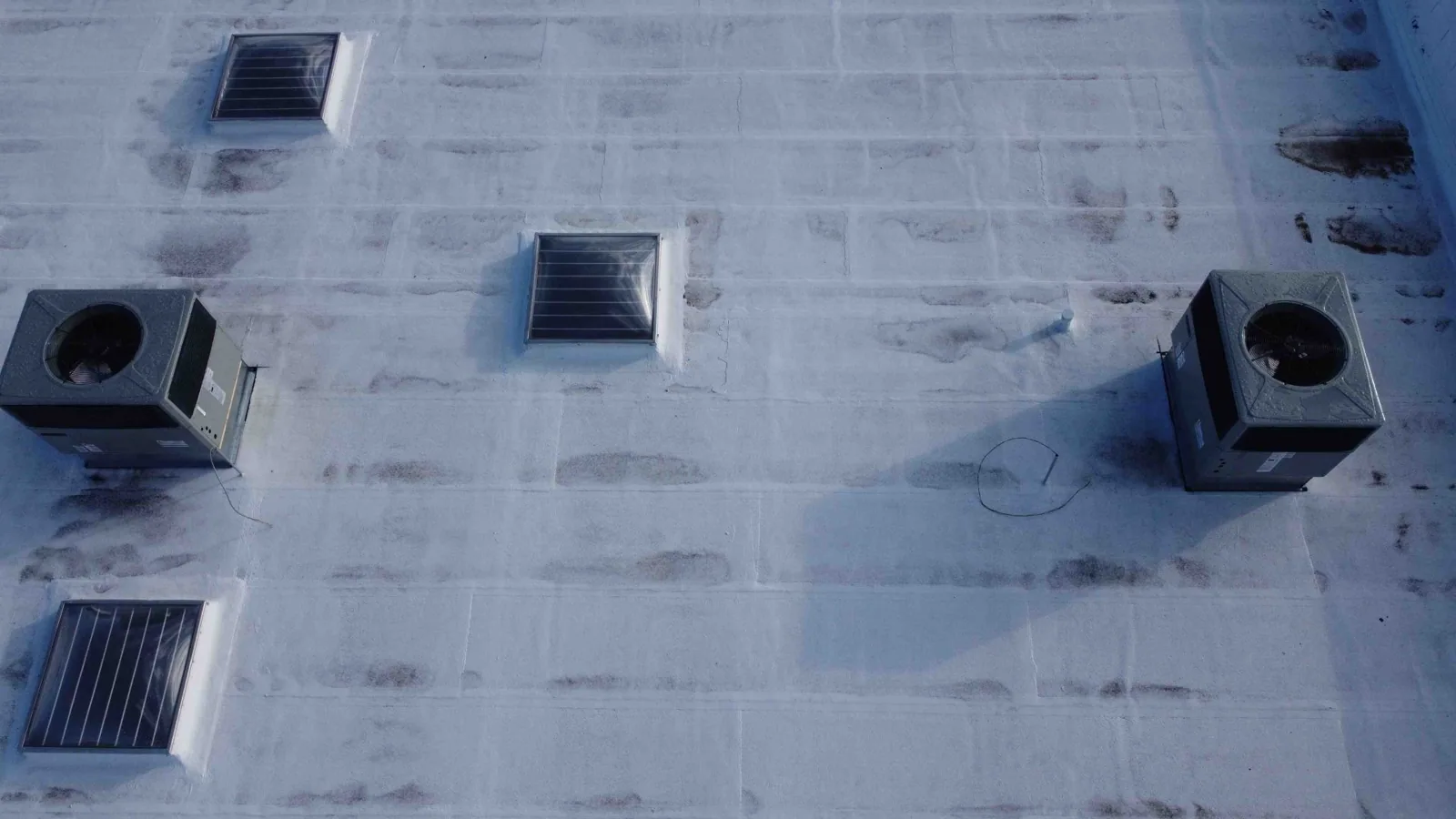
A broad roof view helps locate a detail later, while a close photograph shows the opening and material condition. We note whether it sits along a maintenance route, beside a service curb, or near stored materials. A roof inspection records those conditions, and a leak investigation can trace water when the entry path remains uncertain.
Foot traffic, tools, and rooftop servicing
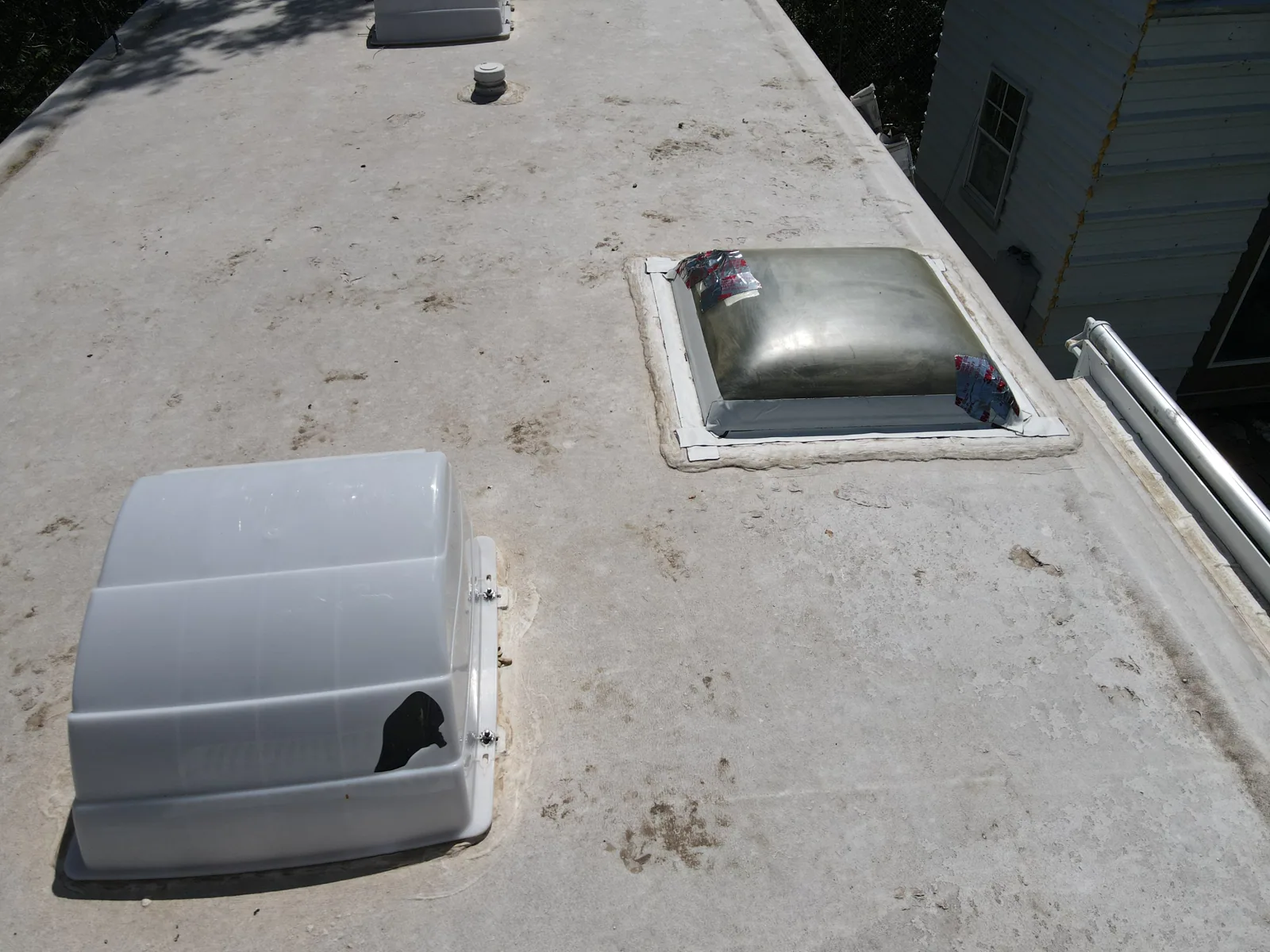
Technicians may cross a roof to reach HVAC, electrical, communications, or plumbing equipment. A puncture can occur when a sharp tool, fastener, or equipment corner contacts the membrane, while repeated walking can wear a path near a hatch. We document the condition and identify whether walk pads, access markings, or a protected service route would reduce repeat exposure.
Roof access procedures can change after equipment replacement or tenant fit-out. We compare current paths with available plans and ask the owner to identify who is authorized to enter the roof. That review can reveal why a patch was repeatedly damaged or why a new opening appeared. A maintenance visit can include a focused check of access pads and known puncture areas.
Restore the membrane around the puncture
The repair method follows the membrane and the condition of the area around the cut. We remove contamination, prepare a sound surface, and install a compatible patch or repair detail with adequate overlap and secure edges. If the puncture reaches reinforcement, insulation, or the deck, that condition is recorded before the repair is closed.
Thermoplastic membranes require suitable preparation and welding; EPDM uses compatible bonding methods, while modified bitumen and built-up roofing need their own repair materials. We identify what the roof has rather than relying on a maintenance label. The membrane system review identifies the existing material; a TPO repair detail specifies the weld and tie-in when that membrane is present.
If punctures cluster along a service route, we inspect the surrounding area for abrasion and loose protection. Replacing the patch alone may leave the pathway exposed to the same contact. The proposal can include new walk pads or a marked access route where supported by the roof layout and owner approval.
Where water has entered below the membrane, the crew may need to remove wet or damaged material before installing the patch. We state how far the opening must be enlarged for confirmation and what replacement material is included. This gives the owner a defined limit and identifies a change condition if concealed damage extends beyond the observed area.
Temperature and surface moisture can affect how materials are prepared and joined. We confirm conditions before repair and protect the work until the tie-in is secure. If weather prevents completion, the report identifies any temporary measure and the next access date, rather than describing an unfinished patch as a permanent fix.
Where roof traffic comes from service staff, we can recommend a marked route that keeps tools and equipment away from the field membrane. A protection detail should be compatible with the existing roof and should not block drainage or create a trip point at a hatch. Those choices are checked against the actual layout before inclusion.
Check adjoining seams and drains
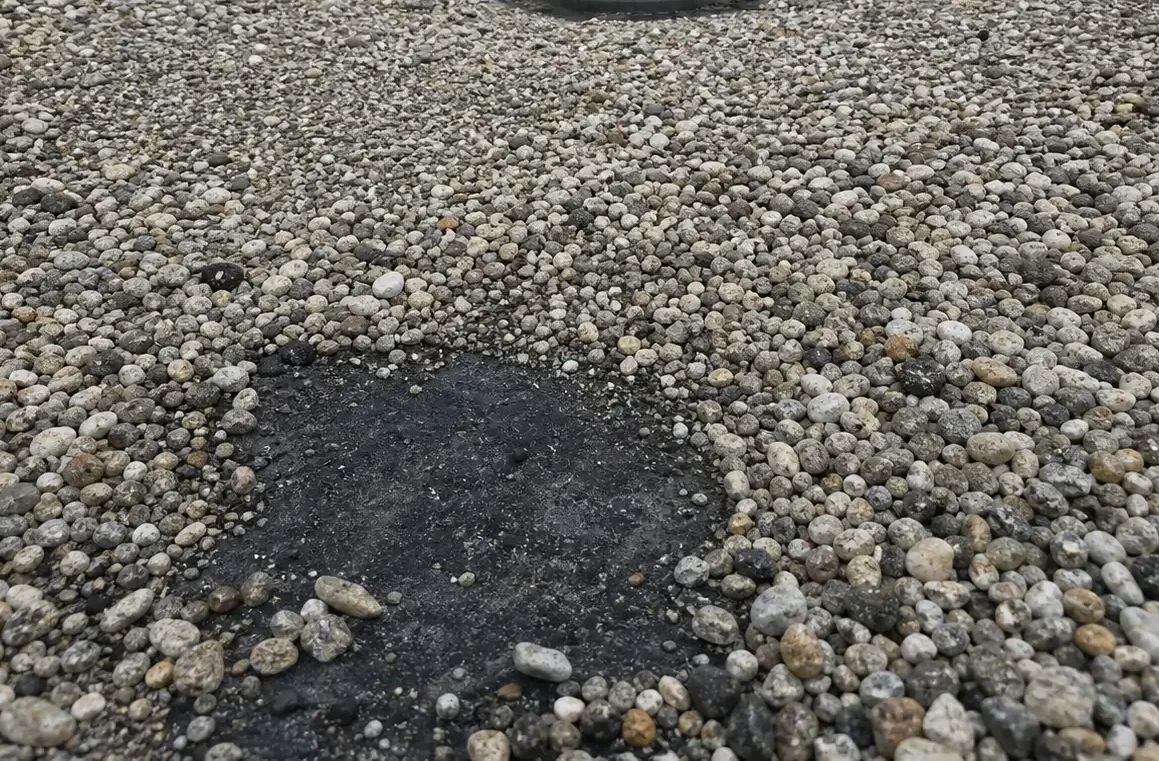
Freeze-thaw cycles can affect water near an open puncture, especially if the cut lies at a low point or beside a seam. We examine whether the membrane has lifted, whether water can reach a drain, and whether another defect is contributing to the reported leak. Those findings stay separate from the puncture repair unless they are added to the agreed scope.
Wallingford's commercial mix includes manufacturing in metal, plastics, and hardware, and Orange includes precision equipment and industrial sheet metal. These nearby activities support a regional focus on equipment access and delivery planning. A seam evaluation can address a related split, while a wind damage review looks at exposed edges and attachment rather than a tool puncture.
Prevent repeat punctures and record the repair
We photograph the finished patch, note its dimensions and material, and mark its location by roof feature or plan grid. The record includes nearby walk pads, equipment, and any remaining access concern. If the cause is known, it can be shared with maintenance staff so future roof visits follow the approved route.
Milford's distribution and warehousing activities and Hamden's manufacturing uses provide a broad context for equipment-serviced properties. For a Milford roof project, we confirm delivery and roof access; in Hamden, service planning starts with the property's access rules. Bring roof plans, repair records, service logs, and leak dates for a records-first review before another patch is priced.
A repair history can note who used the roof and whether a service activity changed after the puncture. We connect that information with the marked location without assigning blame when evidence is incomplete. The record is for preventing recurrence and informing future maintenance, not for replacing the owner's safety or access rules.
For a multi-section property, we can list punctures by roof area and separate current openings from older repairs. That lets a manager prioritize active leaks and check whether repeated damage follows a particular equipment route. The next inspection can revisit those points and confirm that the patch and protection remain in place.
Questions Owners Ask
Can a small puncture cause a large interior leak?
It can, because water may travel beneath the membrane before becoming visible indoors. We use the reported location as a clue, then inspect nearby seams, curbs, and drains. The report identifies a confirmed opening and any additional testing needed to follow the route.
Should a puncture patch cover the entire worn area?
The repair needs to reach sound, compatible membrane and include a secure tie-in. We inspect the surrounding surface for abrasion, weak bond, or moisture, then set the boundary accordingly. A service path may also need protection if repeated contact caused the damage.
What causes punctures on commercial roofs?
Sharp tools, dropped fasteners, equipment movement, or repeated foot traffic can damage a membrane. We record visible clues and ask the owner about recent roof work. The cause is described only when the evidence supports it, and preventive access measures can be considered separately.
Can a puncture repair be made during an emergency visit?
If access and weather allow, we can make a permanent compatible repair. When that is not feasible, temporary protection is recorded and a follow-up scope is set. The closeout identifies which work is complete and which material or access condition remains outstanding.
How should roof service vendors avoid damaging the membrane?
The owner can define the approved access route, identify walk pads, and require tools and fasteners to stay clear of the roof surface. We can mark recurring puncture locations and inspect pads during maintenance. Any new equipment work should coordinate curb details before it begins.