
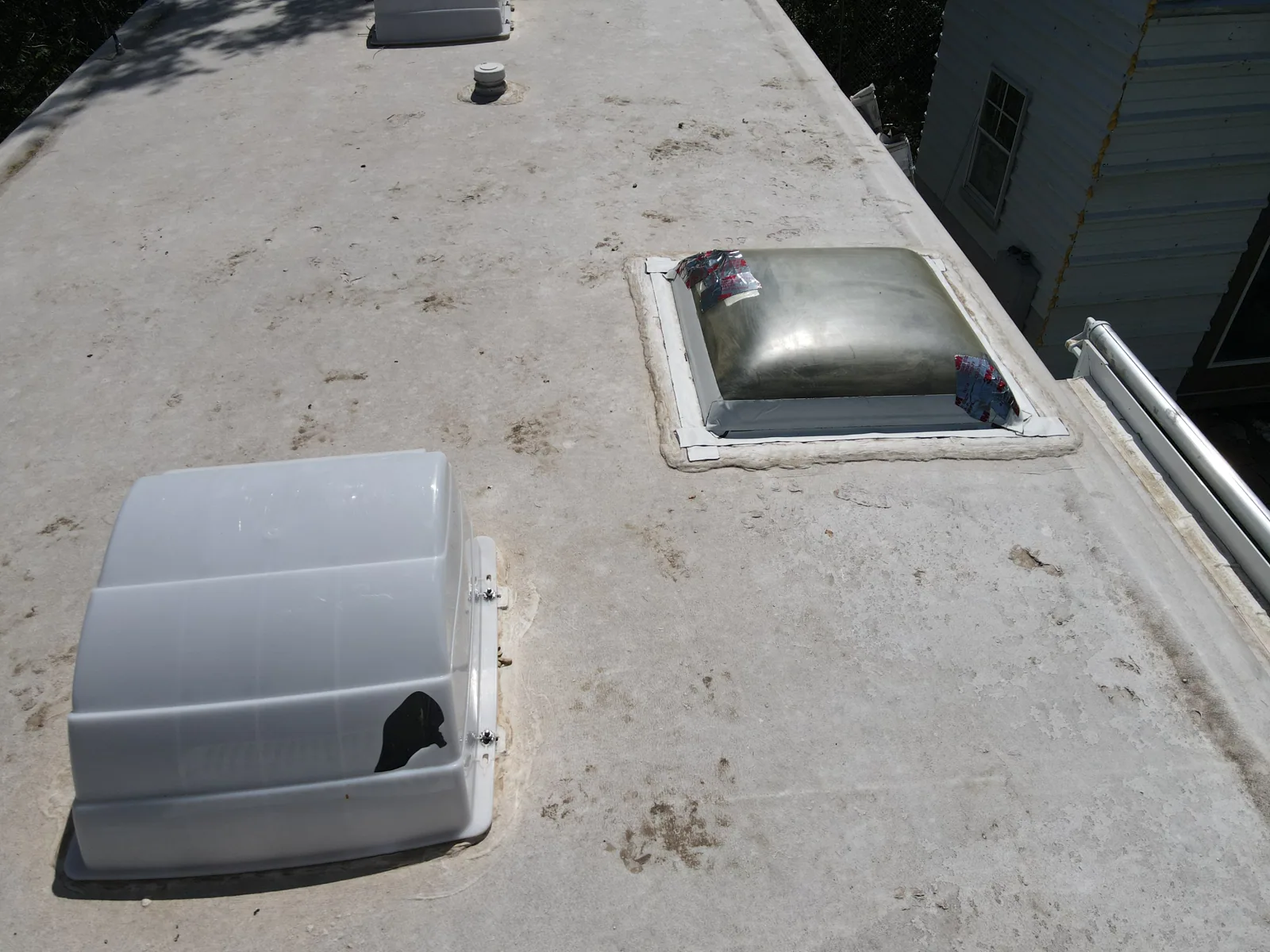
Commercial Roof Seam Failure Repair in New Haven, CT
Commercial Roof Seam Failure Repair
Repair open commercial roof seams in New Haven with material-specific testing, clear boundaries, drainage review, and documented tie-ins.
A seam can open along a long roof run while the rest of the membrane still appears stable. New Haven's repeated winter freeze-thaw conditions give a weak weld, adhesive bond, or lap another cycle of movement. We inspect the seam and nearby transitions, then define whether the problem is localized or tied to attachment, moisture, or prior repair work.
East Haven includes distribution, warehousing, electronic components, and fabrication in its commercial mix, while Orange includes precision equipment, communications, and industrial sheet metal. The region's operations affect access and staging, but only the roof examination establishes a seam failure and its repair boundary.
Identify what holds the seam together
Thermoplastic membranes use welded laps, while EPDM may rely on adhesive or seam tape; modified bitumen and built-up roofs have their own construction details. We identify the system before testing the seam. A repair that works on one material may not restore a different bond, and prior coatings or patches can change surface preparation.
We inspect the full seam run, check for fishmouths, edge lift, contamination, wrinkles, poor adhesion, or fastener exposure, and mark every confirmed opening. If the roof is metal, we review panel laps and concealed clips rather than treating them as membrane welds. TPO seam work and EPDM seam repair call for different materials and methods.
A test patch or probe can help distinguish surface contamination from a bond that has released through the seam. We use an appropriate method for the material and record whether the area is dry, coated, or previously repaired. That detail matters because a preparation failure can reappear if the replacement patch is installed over the same unsound surface.
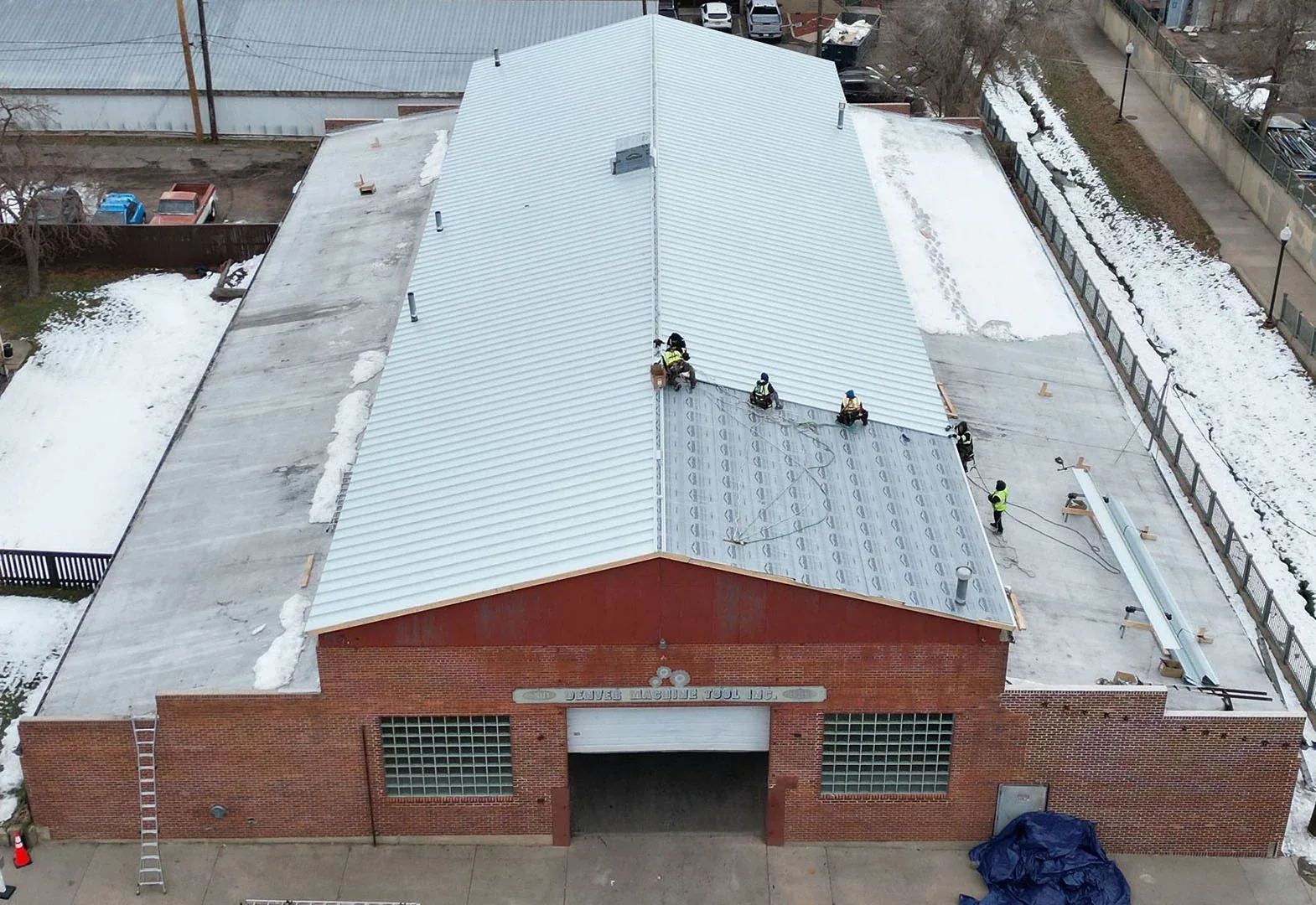
Find the condition beyond the visible split
A split may result from movement, poor preparation, aging, attachment concerns, or an earlier patch that did not bond. We look at the adjoining field, substrate, insulation, and perimeter to see whether the seam failure is isolated. Where moisture or repeated separation appears nearby, the owner may need a wider evaluation before authorizing a narrow repair.
New Haven's freezing days make seam continuity worth reviewing, especially where water can collect near an open lap. We document the actual roof condition rather than infer failure from weather. A roof inspection can map related conditions, while infrared moisture testing may identify areas that need confirmation below the surface.
Prepare and close the failed seam
We clean and prepare the affected area according to the system, remove material that prevents a sound bond, and extend the repair to stable membrane. The detail may use a compatible patch, new tape, welding, or another system-specific method. We state the repair length and any related flashing or attachment work in the proposal.
At the finish, the tie-in should remain continuous at the seam end and around nearby penetrations. We inspect the completed bond and photograph it with a roof reference so maintenance staff can find it later. If access prevents a close test, that limit is recorded. A commercial roof repair can include additional defects only when they are identified and included in the scope.
For a long run, the repair limit should not be chosen solely by where the split first becomes visible. We check for weak bond past the opening and record whether the membrane remains attached at the edge. The scope may include a short extension to reach a sound termination, or a larger replacement strip if separation continues. That decision is recorded with photographs of the complete repair boundary.
Adjacent insulation and substrate matter when a seam has allowed repeated water entry. If the deck is wet or unstable, surface welding may close the opening without addressing the layer below. We identify the confirmation method needed and include replacement of damaged material only when the evidence supports that work.
After installation, we check that the repair has no open edge or unsealed termination. Any test result or limitation is entered in the closeout with a location photograph. The owner receives a record that states what was repaired and what remains for observation, which is more useful than a general notation that the seam was patched.
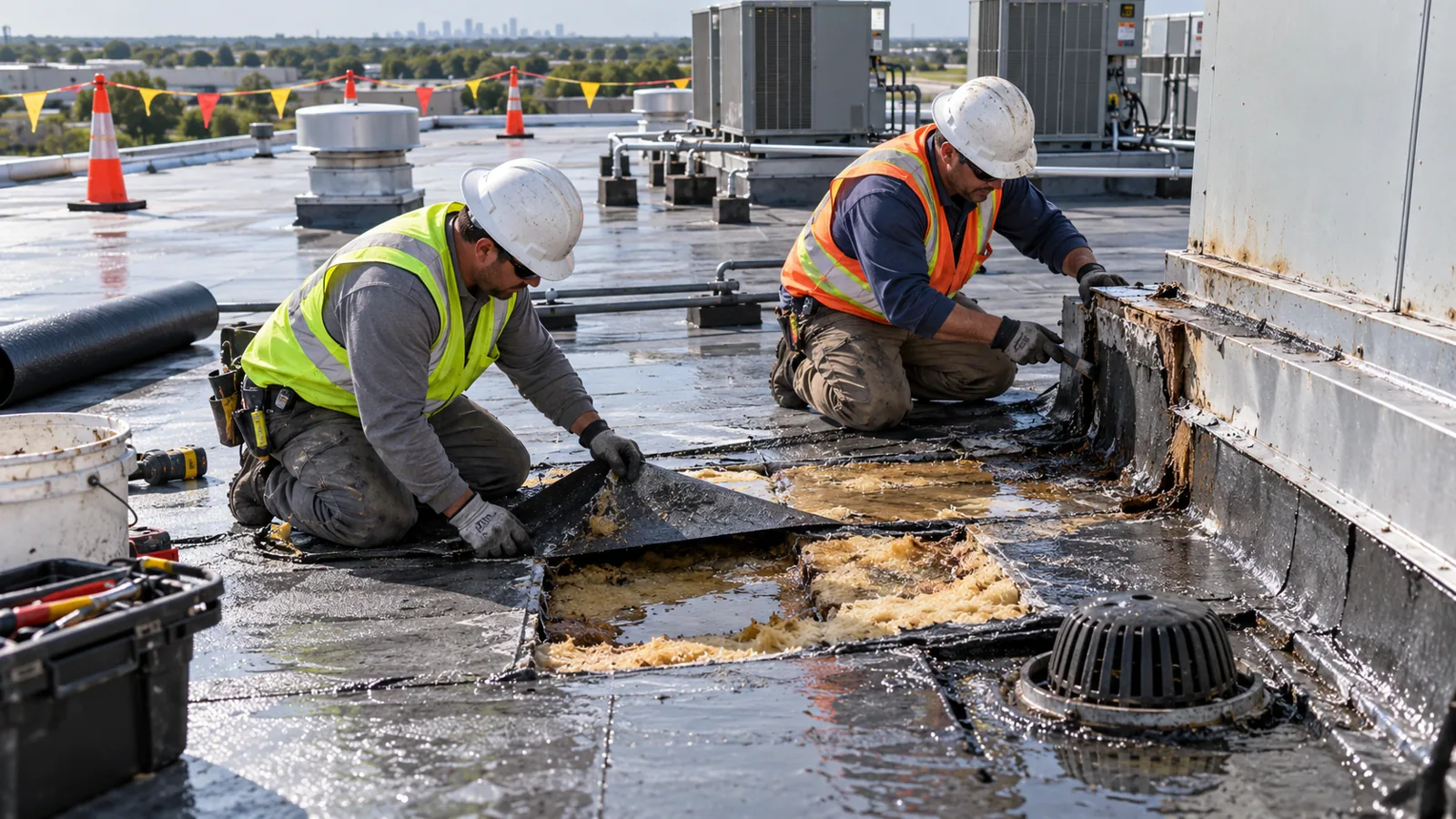
Keep water away from seam repairs
Seams near drains, low areas, or scuppers experience conditions different from an open roof field. We check whether water remains against the repair, whether the outlet is clear, and whether the lap follows the intended slope. If drainage contributes to repeated seam stress, the scope should address the outlet or low area as well as the membrane opening.
In Orange, commercial activity includes industrial sheet metal and communications equipment, while East Haven includes warehousing and distribution. These nearby property uses may have different rooftop equipment and access layouts. We confirm what is present before selecting a work method. A ponding-water review can separate a seam repair from a drainage correction.
When one seam becomes a system question
A localized split can be repaired when surrounding laps and attachment remain stable. Multiple openings, recurring separation, or moisture in several areas may indicate broader membrane or substrate concerns. We compare repair history, roof age records, and field observations, then state which testing would change the recommendation.
A wind damage assessment can also review perimeter stress after a storm, but the seam scope stays tied to the observed defect. When larger work is warranted, we can compare a recover, restoration, or replacement path. A project in East Haven needs its own access and staging plan, while Orange-area service follows the property's schedule. Bring membrane records, prior repair photos, and leak records for a records-first review.
If test results show widespread moisture, the owner can compare a larger replacement area with a section-by-section program. We record how tie-ins at drains, curbs, and roof edges would be handled so a larger scope does not leave short disconnected seam segments between phases.
Questions Owners Ask
Can every open seam be rewelded?
The repair method depends on the membrane type, surface condition, and whether the material remains sound beside the opening. We identify the assembly and test the bond where appropriate. If the membrane cannot support a reliable tie-in, the scope may require a compatible patch or replacement strip instead.
How far should a seam repair extend?
We extend the work to material that can hold a sound bond, rather than stopping at the visible split. The inspection follows the run and nearby intersections, then marks the boundary in photographs. If separation continues or moisture is concealed, testing can clarify how much material needs attention.
Does a seam failure mean the roof is at the end of its service life?
A single opening does not establish the condition of the whole assembly. We compare it with adjacent seams, attachment, moisture findings, and prior repairs. A repeated pattern can broaden the review, while an isolated defect may support a defined repair.
Can a seam split cause a leak in another part of the building?
Water can move beneath the membrane or along the deck before appearing indoors. We use the reported location as a clue and trace the roof path through seams, drains, curbs, and walls. The report separates the interior symptom from the confirmed entry point.
What should be recorded after seam work?
Keep the system type, location, repair material, preparation, and photographs together with the work order. We also record any nearby area that remains under observation. That history helps a later inspection determine whether the repaired run stayed stable or developed another opening.