
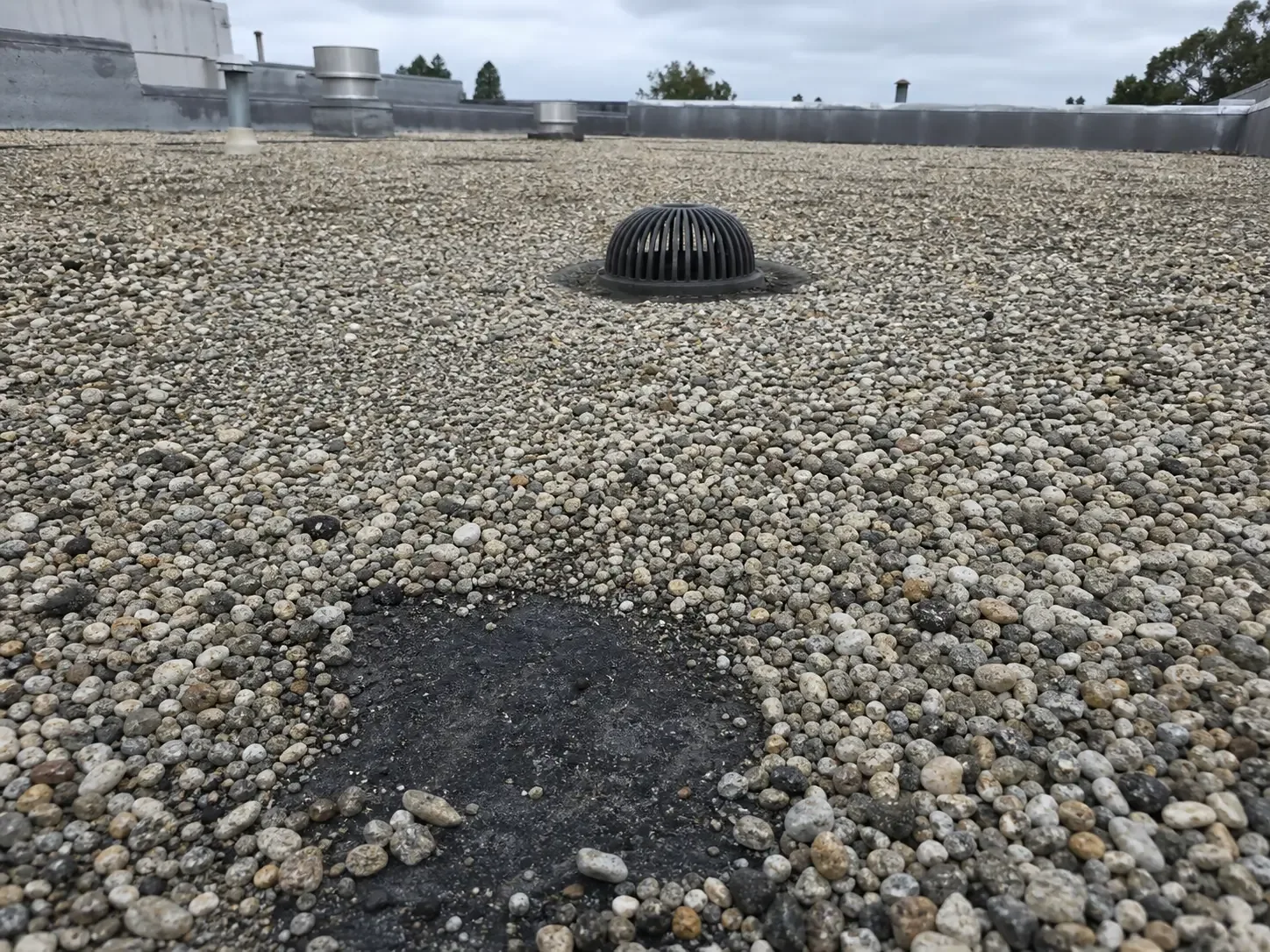
Ponding Water Roof Repair in New Haven, CT
Ponding Water Roof Repair
Assess ponding water on New Haven commercial roofs by checking slope, drainage, membrane stress, and repair options before pricing work.
A low area can hold water after nearby roof sections have dried; we measure the remaining pool and its distance from the outlet before deciding whether blockage, a depression, or slope is responsible. In New Haven, winter temperatures cross freezing regularly, so standing water near a drain deserves attention before ice stresses a seam or curb. We document the actual depth, location, and discharge route before recommending a repair.
New Haven's commercial properties connect to passenger, freight, and motor-carrier routes, while Wallingford's building mix includes metal, plastics, hardware, and manufacturing. Those local industries and regional transport links frame project logistics. A roof walk and available plans show what is holding water and what correction fits the assembly.
Measure the water path, not only the puddle
We record the size and position of standing areas in relation to drains, scuppers, parapets, equipment, and roof transitions. A puddle may sit in a shallow deck depression while an outlet several feet away remains clear. We check surrounding slope, membrane tension, sediment, and drain components, then note whether rainfall or melting snow changes the pattern.
Photographs should include a wide roof reference and a close view of the outlet or low point. That gives the owner a way to compare the condition after cleaning or repair. A roof inspection records visible assembly details, while a drain and scupper review can isolate outlet work from corrections to the roof plane.
Separate blockage from slope and outlet failure
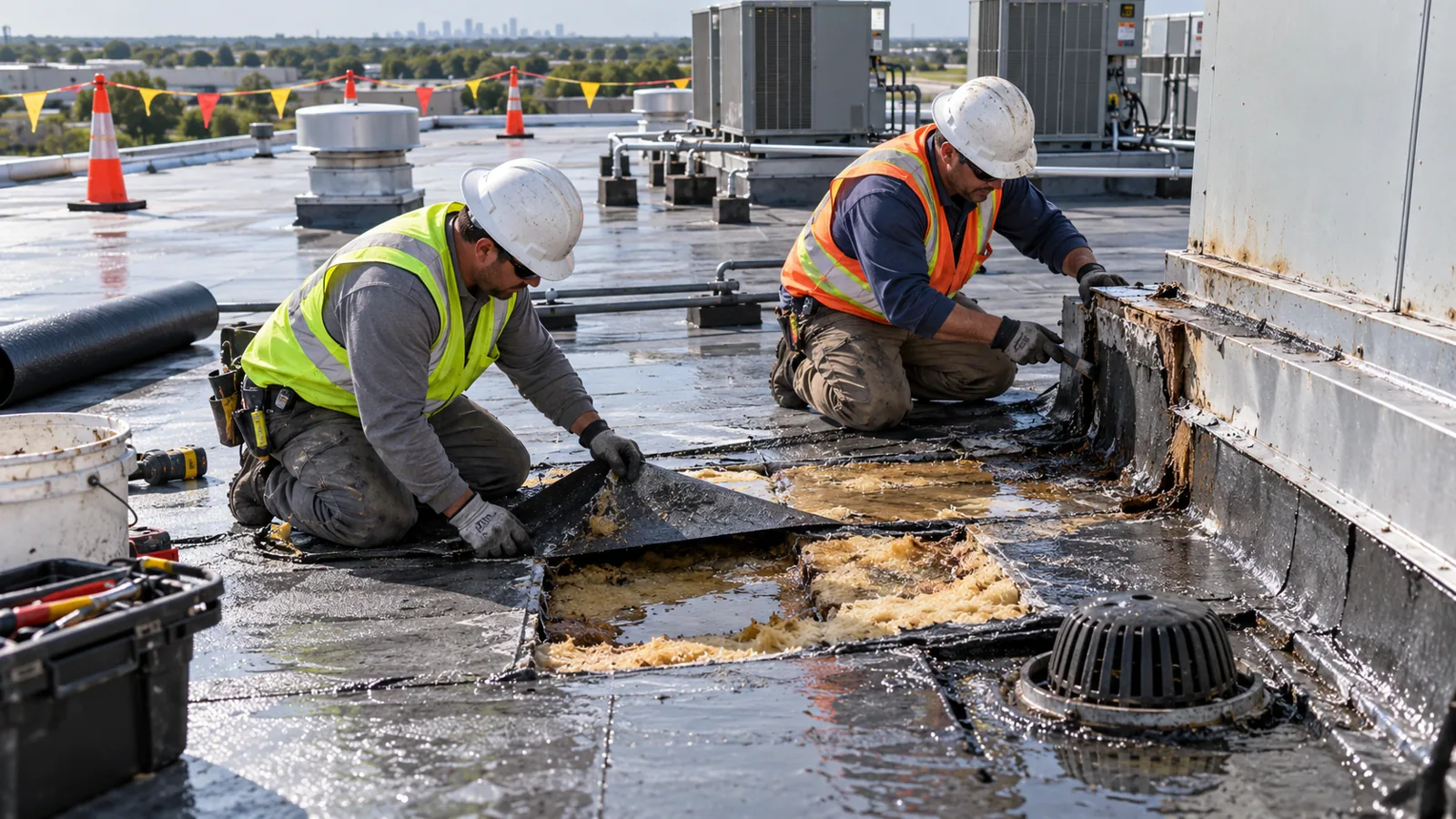
Debris removal may restore flow when an outlet is simply obstructed. A cracked drain bowl, loose clamping ring, damaged scupper, or disconnected leader requires a different scope. We identify the point where water leaves the membrane and note whether a plumber or site contractor controls the next section of the discharge path.
When the outlet is clear but water remains, we check the roof's slope and the membrane around low areas. A local correction may require tapering, insulation replacement, or membrane work, depending on the assembly and what lies below. We do not specify a build-up until the roof condition and drainage objective are clear. A flashing repair may be needed if water is collecting at a wall transition rather than a drain.
During a walk, we note whether water is confined to one depression or crosses a long drainage path. The distinction matters because localized tapering may address one low point, while a blocked or undersized outlet could affect a larger area. We photograph the start and discharge points so an estimator can see the route that the proposed work is meant to change.
Where water reaches a roof drain, we inspect the clamping assembly and membrane termination. A loose ring or separated flashing can admit water below the surface even when the bowl appears clear. If a downstream pipe or leader controls discharge, we identify that handoff in the scope and avoid representing plumbing work as a membrane repair.
Check the membrane and supporting layers
Persistent water can load seams, patches, and flashing edges over time. We look for stress, blistering, open laps, wrinkles, and deterioration around low areas, then compare those observations with prior repairs. If water has reached the insulation or deck, a surface-level correction may not restore the roof assembly by itself.
Moisture testing can help determine whether a small repair boundary is defensible. We identify where further survey or confirmation openings may be useful and state how those results could change the work. Where a membrane seam has opened, seam repairs may address the confirmed break; if moisture crosses a larger section, the owner may need a broader scope.
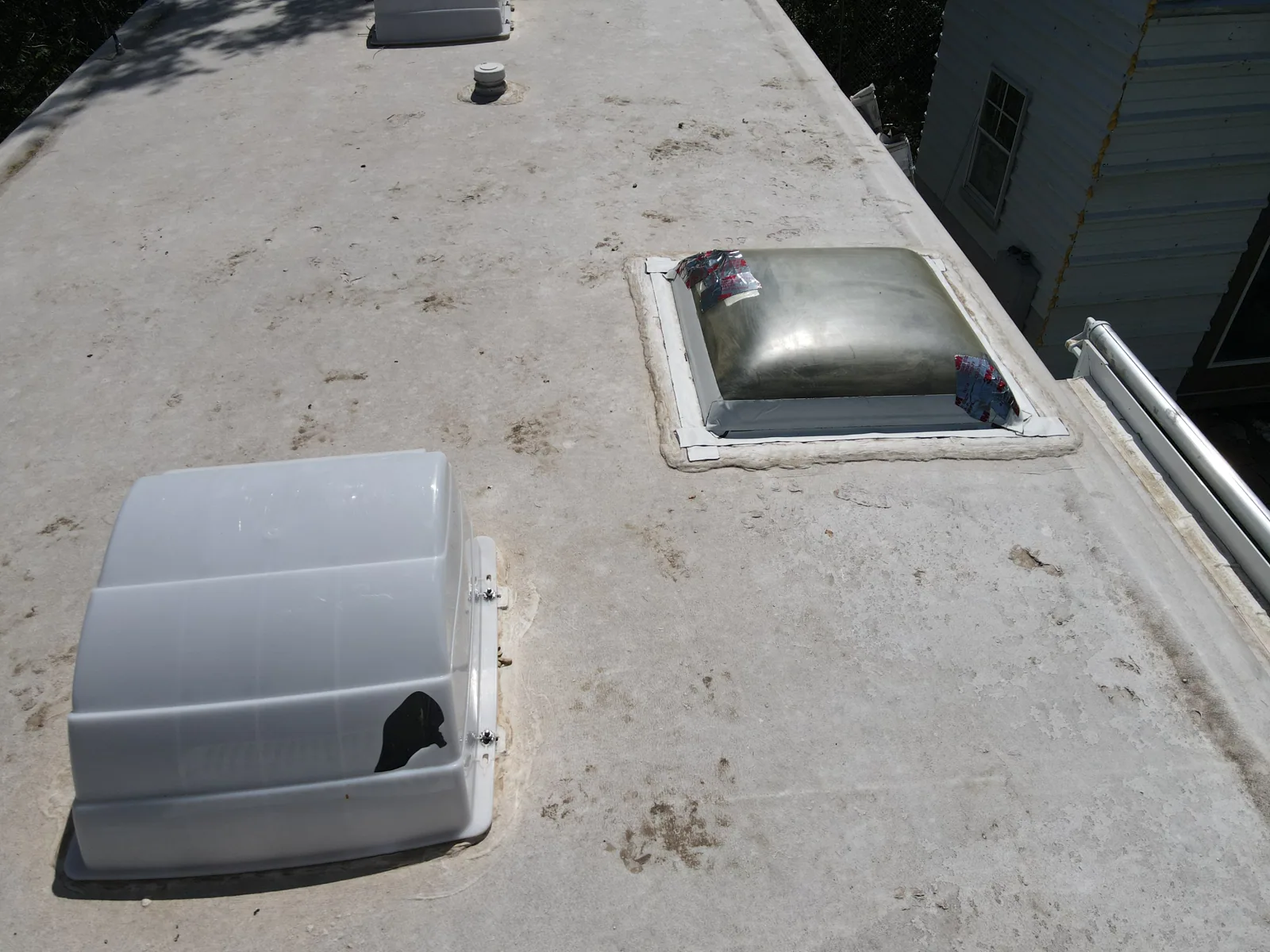
We also check whether water is held by equipment supports, walk pads, or a curb added after the original roof work. A raised obstruction may redirect runoff or trap debris without representing a failed roof membrane. The report notes that distinction and identifies a mechanical or maintenance handoff if the roof itself remains intact.
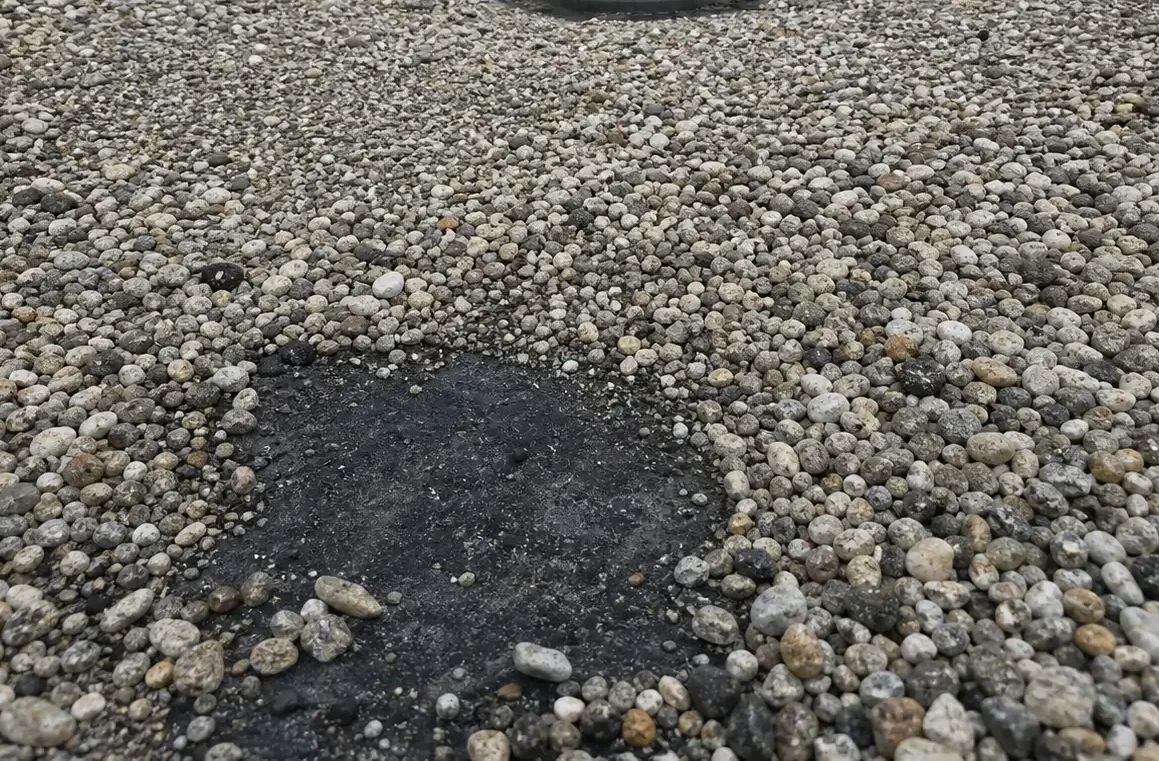
When previous work lies in the low area, we look for patch edges, changes in material, and signs that a repair covered rather than corrected the original drainage issue. The maintenance record may explain what was attempted and whether water returned after the next rain. That history can keep the next scope from repeating a temporary fix without new evidence.
Plan for freeze-thaw and seasonal access
When water freezes at an outlet or seam, ice can impede drainage and add movement at a vulnerable detail. New Haven's regional freezing days make pre-winter inspection and drain cleaning useful to plan. We note actual ice, ponding, or membrane stress and recommend work from the observed condition.
Milford includes distribution, warehousing, healthcare, finance, and manufacturing, creating varied property access needs nearby. If a roof drains near loading or service access, the owner may need to coordinate cleaning, a lift, or an outlet repair with daily operations. Milford-area roof planning can account for local delivery access, while wind damage review considers a separate set of exposed details.
Choose cleaning, repair, or broader correction
A clear outlet with sound membrane may need cleaning and follow-up observation. If a broken component or failed flashing is holding water, a focused repair can restore discharge. Where slope, wet insulation, or repeated ponding extends beyond one detail, we compare a larger correction with restoration or replacement.
We state the work area, materials, drainage objective, and any trade handoff in the estimate. A recover assessment or replacement proposal can be compared when the roof layers and moisture findings allow both. For ownership, capital planning can track a deferred area and the trigger for another review. Bring roof plans, leak dates, maintenance notes, and photographs for a records-first scope discussion.
Where the owner plans to monitor a low area, we identify what should be checked, when the review should occur, and what change would trigger repair. A photograph after cleaning can establish a useful baseline. If the water spreads, reaches a seam, or appears indoors, those observations can update the scope rather than leave a general instruction to watch the roof.
Repair pricing should separate outlet components, membrane tie-ins, slope correction, and interior work. Each item has different material and access requirements. We mark included and excluded work in plain language so a bid comparison reveals whether the contractor is clearing a drain, sealing a transition, or altering the roof's drainage path.
For a public building or an industrial property, the same water path still needs a specific roof location and maintenance record. A general note about ponding does not tell the next crew whether it is a drain, deck, or membrane condition.
Questions Owners Ask
How long can water remain on a commercial roof?
The appropriate observation depends on the roof design, weather, and drainage path. We document where water remains and compare it with the outlets and slope rather than applying a universal time threshold. Persistent areas are evaluated for membrane stress, debris, and signs of moisture below the surface.
Can cleaning a drain solve ponding?
Cleaning can restore flow when debris is the obstruction. After cleaning fails to restore flow, we examine the drain connection, nearby membrane, and field slope before recommending another correction. The report separates maintenance from a repair that changes the outlet or roof plane.
Does standing water mean the roof must be replaced?
Not by itself. A localized low point may be correctable, while widespread moisture or repeated seam failure can point to a larger assembly issue. We compare test results, repair history, and the roof's condition before setting the repair threshold.
Can ice around a drain cause roof damage?
Ice can interfere with discharge and stress nearby details, but the field review must establish whether damage occurred. We inspect the outlet, membrane, seams, and surrounding edge, then record any confirmed opening or material movement. Weather history helps set priorities, not conclusions.
What should a ponding-water proposal include?
It should name the low area, outlet, repair method, drainage objective, materials, and trade responsibilities. We also state access needs and follow-up observations. Those details let a general contractor compare bids that address the same cause rather than only the visible puddle.