EPDM Roofing in New Haven, CT
EPDM Roofing
Review EPDM roof repairs and replacement in New Haven with seam, flashing, moisture, and drainage findings tied to access and project timing.
Cold nights give water more than one chance to test an EPDM roof in New Haven, CT. The sheet can remain serviceable while a seam, flashing edge, or drain transition needs attention, so we start with the roof history and observed assembly. Our scope records the leak path, moisture questions, attachment, and access limits before a repair or replacement is priced. A general contractor can then compare a defined EPDM repair with a larger capital option.
New Haven's 1991 to 2020 temperature normal averages 102.3 days with minimums at or below freezing and 18.3 days when the day's maximum remains at or below 32°F. That profile puts drainage and terminations on the seasonal review list. We photograph each detail and set repair work from the observed assembly and any test results.
Sheet layout and seam condition
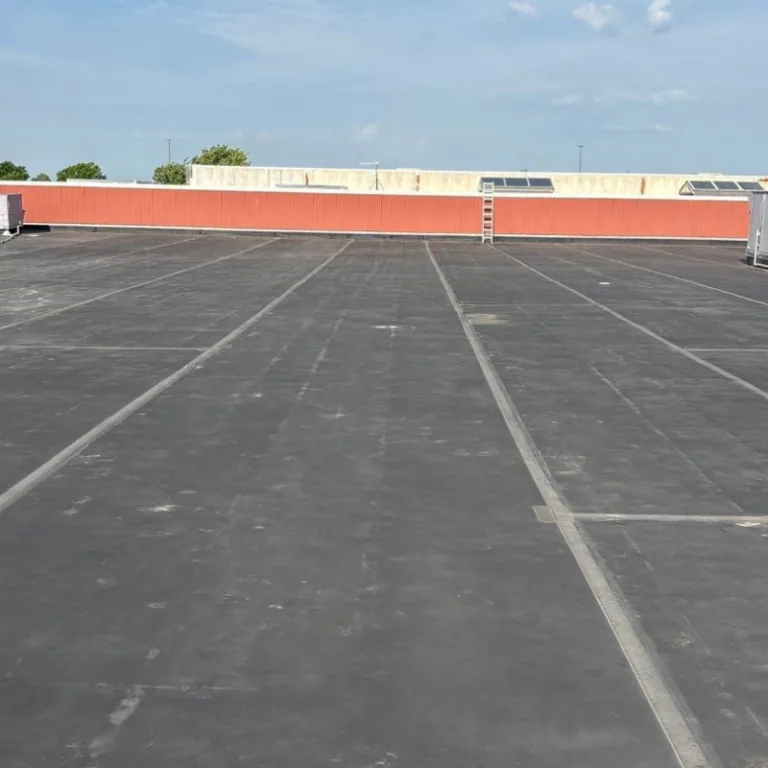
EPDM is a flexible rubber membrane installed in sheets joined by tape, adhesive, or other system-approved details. At a seam, we look for edge lift, contamination, loss of bond, wrinkles, and repairs that may not match the existing material. The repair area must be clean and prepared before a patch is applied, with enough sound sheet around the defect to form a dependable tie-in.
We also follow the seam toward walls, curbs, penetrations, drains, and roof edges. An open lap may not be the only condition if water has moved beneath the sheet or the attachment has loosened nearby. The field record identifies the membrane type where it can be confirmed and notes where existing product or installation details remain uncertain. A seam repair can be scoped separately from flashing or drainage work, while TPO and PVC require their own compatible repair methods.
On an older system, the repair path also depends on what material is present around the seam. We remove only enough loose or incompatible patching to expose a sound bond area, then clean and prepare the surface before placing new material. A repair that bridges debris or old adhesive can release again under movement. The closeout should record the preparation and final lap so later inspections can compare the same location rather than treating every surface patch as equivalent. That detail helps align a repair bid with the actual roof history.
Moisture, insulation, and repair limits
A soft area or recurring leak can indicate moisture below the EPDM, but a surface walk cannot define its extent by itself. We compare interior reports with roof slopes, patch locations, drains, and insulation conditions. If the suspected wet area reaches beyond a small repair, a test cut or infrared survey can help establish where removal is needed.
The result changes the repair threshold. An isolated wet section may be removed and replaced while sound membrane remains. Broad moisture, weak attachment, or a deteriorated deck can make a larger removal more appropriate. We mark the limits that were inspected and identify any unknown layer that could change quantity after opening. That gives the contractor a fair bid basis and a clear allowance for concealed work instead of a vague repair line.
For a recover proposal, layer count, deck support, and drainage height all matter. We check curb clearances and drain depth against the added system and document what remains below. Where conditions point to full removal, a replacement evaluation can carry the same map of wet areas into the removal plan.
Transitions and perimeter details
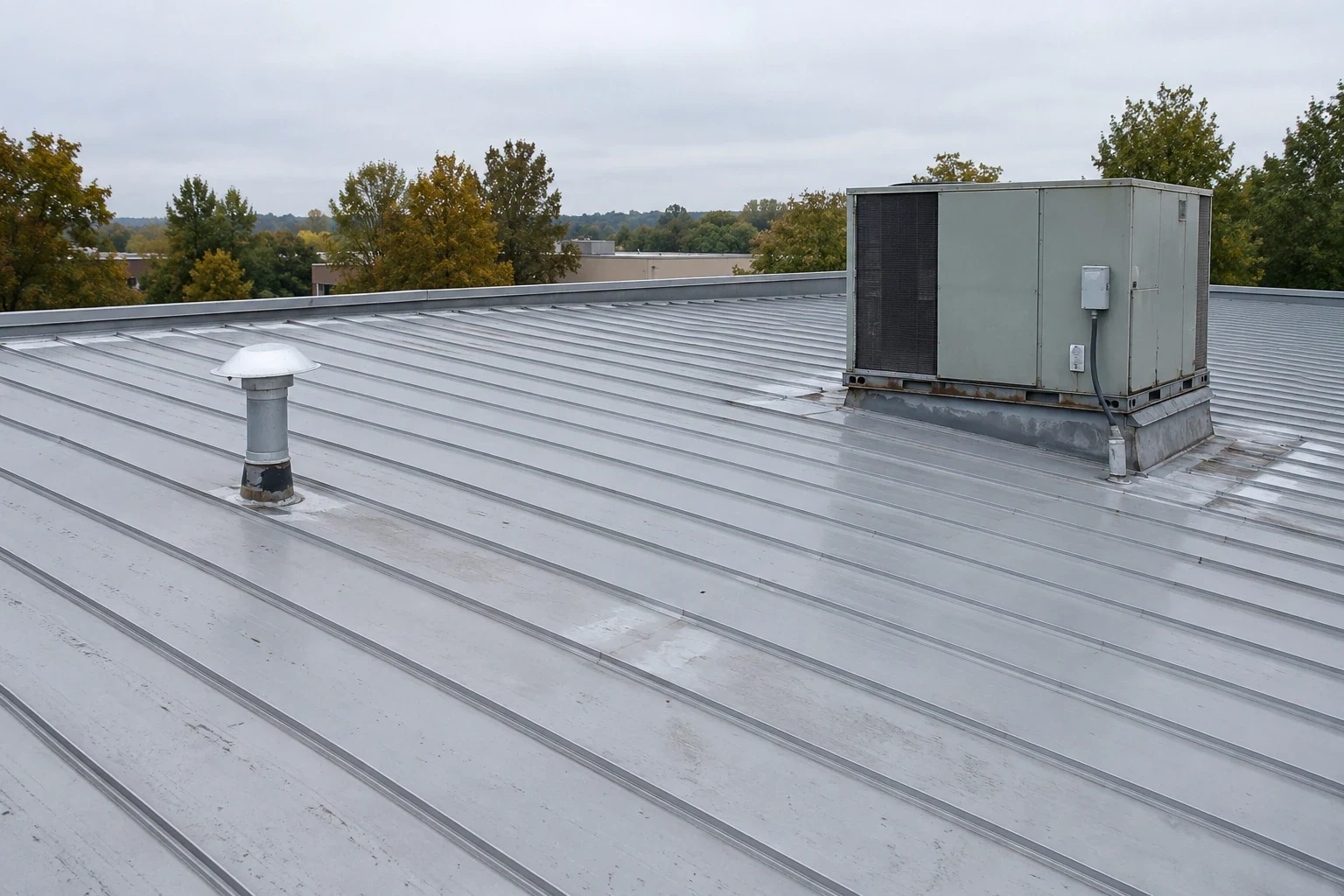
EPDM transitions require details suited to movement and the adjacent material. At a parapet, curb, pipe, or equipment support, we inspect how the sheet turns up, how it terminates, and whether metal counterflashing protects the connection. Sealant may be part of a detail, but it cannot secure a loose membrane edge or correct a missing termination bar. The scope names the component that needs correction.
Madison's measured wind during Sandy reached 85 mph on October 29, 2012. In New Haven and nearby East Haven, we inspect corners, edge restraint, and flashing for current movement, punctures, or open transitions before setting repair scope. For metal coping and perimeter work, we can align the sheet termination with a coping and edge scope and keep the tie-in inside the same bid package.
Installation sequence on an occupied roof
Large sheets, adhesives, and temporary closures affect how an EPDM project moves across the roof. We identify each work zone, the access route, and the point where an open edge must be secured before the crew leaves. Mechanical equipment, roof hatches, loading paths, or tenant activity below may determine which zone can be released first.
In East Haven, commercial activity includes distribution, warehousing, electronic components, and manufacturing. Those uses can make deliveries and equipment availability relevant when the roof sequence is set. The general contractor can coordinate a phase boundary with building operations and other trades before materials arrive. We state which areas will remain protected, what temporary tie-in is planned, and what inspection should occur before the next phase connects to it.
Repair history and capital comparison
EPDM work is easier to price when earlier repairs and leak locations are organized by roof section. We use photographs, invoices, prior scope notes, and available roof plans to locate recurring seams or flashing transitions. The record should show the material repaired, its preparation, the patch boundary, and any condition left for follow-up.
New Haven's industrial and business-service properties may require a repair window that differs from a healthcare or education space, but the roof evidence remains the basis for the recommendation. We separate immediate work from maintenance and capital items, then compare localized repair with a recover or replacement decision. A condition report can keep that comparison available for the next bid review. For a project in New Haven, bring the roof history, site constraints, and proposed work limits to a scope meeting before setting mobilization. A closeout should capture the repair boundary, compatible materials, and any condition left for monitoring. Mark those locations on the plan so the next inspection can compare the same seam and flashing transitions.
Questions Owners Ask
How do you repair an EPDM seam?
We confirm the sheet and seam condition, remove incompatible or loose material as needed, prepare the surface, and apply a compatible repair detail. The boundary extends onto sound membrane. If nearby attachment or moisture is uncertain, we identify that question before closing the repair.
Does a freeze-thaw climate change EPDM maintenance?
New Haven's winter cycle puts drainage, low areas, terminations, and recurring leaks on the review list. We compare each building's records with current observations and identify which detail should be repaired or monitored.
When should an EPDM roof be replaced instead of patched?
Repeated failures, widespread wet insulation, compromised attachment, or deck concerns can move the work beyond isolated patches. We map the affected areas and compare repair limits with the remaining assembly. The contractor can then weigh the cost and disruption of replacement against continuing localized work.
Can EPDM be installed over another roof system?
A recover depends on the existing materials, layer count, moisture, attachment, drainage clearance, and code path. We identify what can remain, what must be opened, and where the added thickness changes drains or flashings. The proposal should make these assumptions visible.
What information helps price an EPDM project?
Roof plans, prior repair records, leak dates, moisture findings, and access rules help define the scope. We note equipment routes and occupied hours, then separate known quantities from concealed conditions that may change after removal. That supports a cleaner bid comparison.