
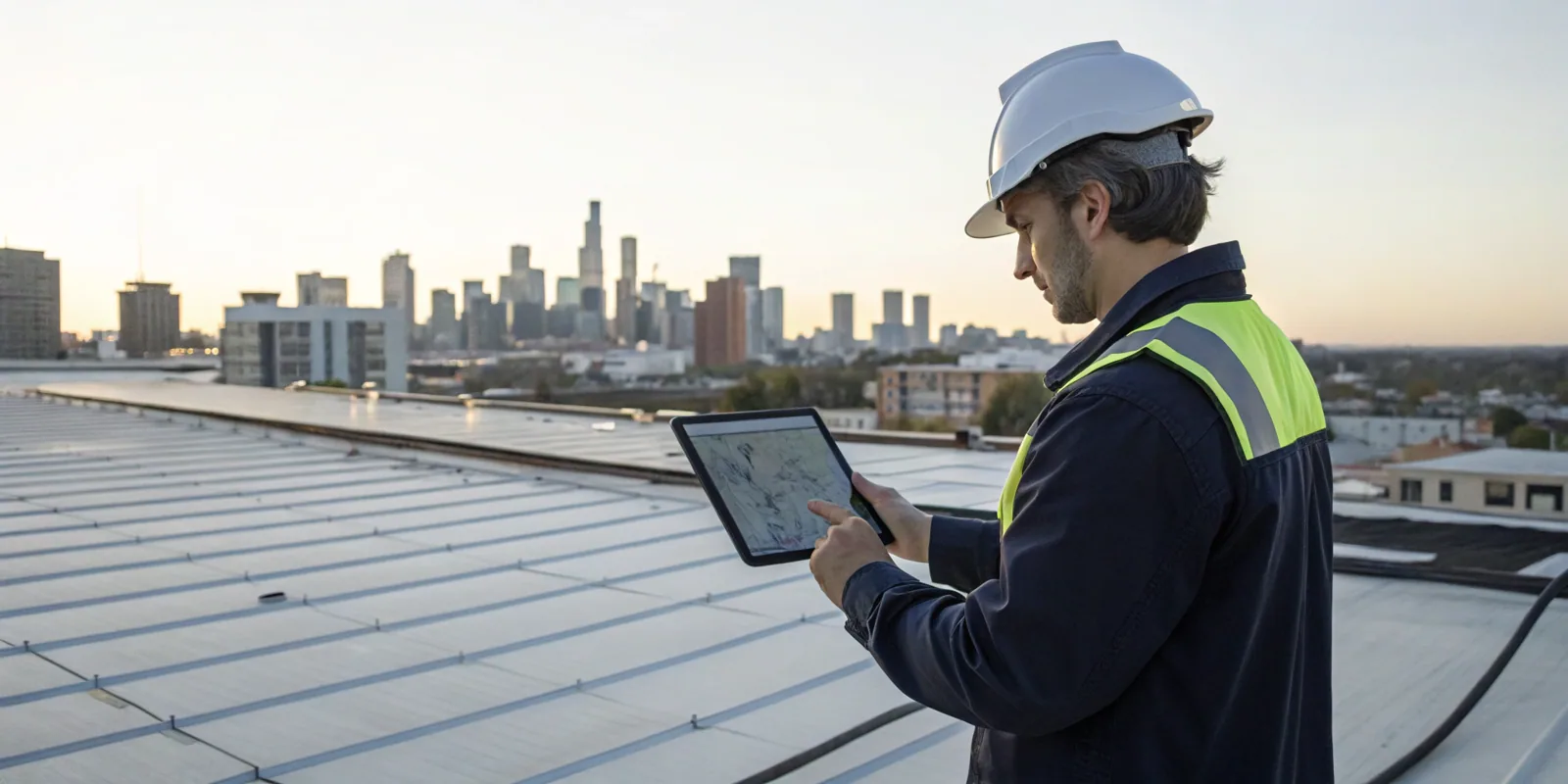
Commercial Roof Condition Reports in New Haven, CT
Commercial Roof Condition Reports
Get a dated commercial roof report for New Haven with mapped observations, photos, limits, and repair questions your project team can price.
A New Haven, CT roof report should let a general contractor find the condition, the photo, and the next decision without reconstructing an inspection from records. Winter freezing adds a recurring reason to check drains, seams, and terminations, but the report describes what the roof shows on the inspection date. We map the visible observations, identify areas that need follow-up, and separate a confirmed defect from a question that still needs testing.
New Haven's business services and manufacturing sit alongside health and education, while Branford includes bioscience, healthcare, manufacturing, and retail uses. That mix means a report has to describe roof conditions and access limits in terms the project team can act on, not a generic checklist copied between properties.
Make each observation easy to locate
Each entry begins with a roof-zone reference, a concise description, and an image that shows both the detail and its surrounding area. A close photograph may capture a split seam, while a wider view shows its position relative to a drain, curb, parapet, or roof edge. We record the direction or plan reference used so the contractor can return to the same location during pricing or repair.
The report also identifies the system where it can be confirmed, visible patch history, drainage conditions, penetrations, perimeter details, and signs that merit closer review. If the roof plan uses a different naming convention, we align the photo key to that drawing. A commercial roof inspection provides the field observations, and a roof asset record can retain them with later repair history.
For a project bid, an observation needs enough detail to make the work boundary clear. We state whether the item concerns a small detail, a group of adjacent components, or a broader roof area. This helps the general contractor identify where the bid should include a repair, an allowance, or a question for the owner.
Separate observed conditions from follow-up
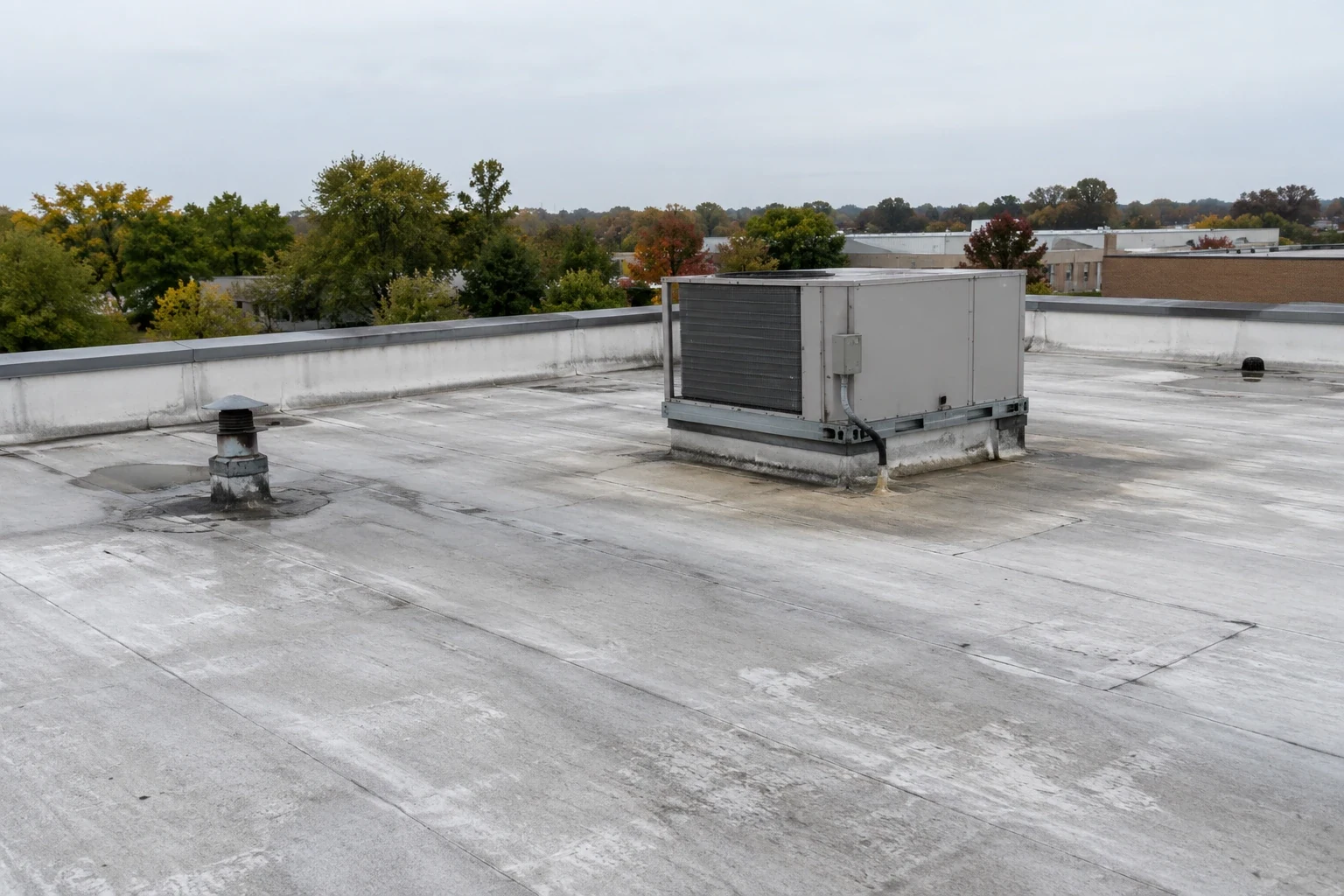
A report can show an open seam, displaced edge metal, debris at an outlet, or a patch that has lifted. It cannot turn a concealed layer into a confirmed condition without an appropriate test. We identify what was accessible, what was visible, and which question remains unresolved. Where moisture is suspected beneath the surface, the report can recommend a defined investigation area rather than label the entire roof wet.
New Haven's freeze-thaw record makes seasonal drainage observations useful to preserve. A blocked outlet seen during one visit becomes a dated finding. We record its location, water path, and related membrane detail so maintenance staff can compare the same area on a later visit. A drainage review or moisture survey can answer a separate question when evidence supports that next step.
Priority language should describe urgency and consequence. We distinguish active water entry from a condition that could worsen, and from routine maintenance. If the roof is safe to monitor, we give the observation a review point. If water is entering an occupied area, the report marks the need for prompt protection and a repair scope.
Tie photos to the work that may follow
Photos become more useful when they correspond to a plan, roof zone, or work item. We use consistent labels for each image and record whether the view is a close detail, a context view, or a record of access limits. A repair crew can then compare the scope against the same location without relying on a vague description like “leak by the back.” If several openings appear near one curb, each one should be shown or clearly grouped.
Branford's mix of bioscience, healthcare, retail, and manufacturing makes clear roof-area labels especially useful when tenant or operating boundaries affect access. We document the route taken and any area that could not be inspected, then list what needs owner coordination before return. Branford roof service can be arranged around those access records. Each photograph stays tied to the roof zone it shows, giving the next reviewer a clear work boundary.
The image list can also identify temporary conditions such as a protective cover, a staged repair, or an area obscured by equipment. Those details help a later reviewer understand why an observation changed and whether the next bid should include removal, testing, or reinstatement.
Give the project team a usable work boundary
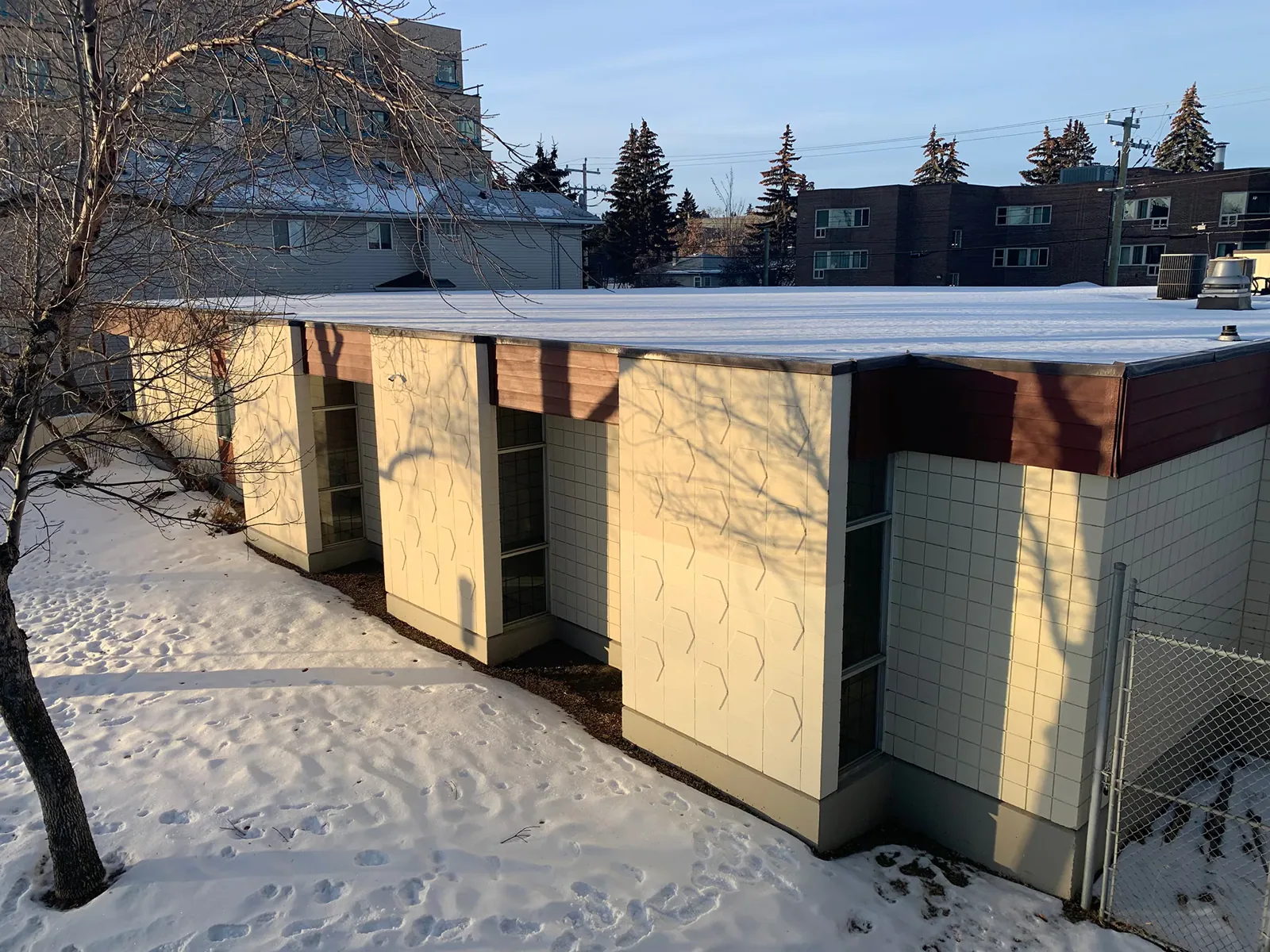
A condition report is not a bid by itself, but it can make the next scope more precise. We identify the repair location, the adjacent components that may need work, and any concealed condition that could change the quantity. A contractor can price the confirmed work and separately identify an allowance for unresolved substrate or moisture. That keeps unlike assumptions from being hidden in one lump sum.
For larger work, the report can inform a restoration or replacement study. It records the existing system, visible condition, roof details, and access constraints that affect removal or installation. A repair proposal can address localized defects, while restoration planning or replacement pricing can address broader conditions. The recommendation should follow the evidence and any required tests.
New Haven properties connect to passenger rail, transit, freight rail, and motor carriers. That transportation context supports a varied commercial building base, while project access and material staging remain specific to each site. We record the delivery or lift constraints that the owner provides so the bid scope can account for them instead of assuming unrestricted access.
Carry the report into maintenance and bids
Before a project meeting, the general contractor can use the report to mark priced work, owner decisions, and items needing additional investigation. We can walk through images and roof references, clarify the inspection limit, and identify whether the next visit needs a lift, escort, test opening, or different access window. If an emergency condition is found, the immediate protection plan remains separate from permanent corrective work.
Use the report with current plans, repair invoices, leak logs, and available warranty files. If the history is incomplete, we can identify those gaps and set a date to update the record after work. A capital planning review can place larger work in sequence. A maintenance program can track recurring observations. Each follow-up should identify the item, responsible party, and date that changes the next decision.
Bring the documents to the first review. We will map the findings to roof zones, keep open questions visible, and prepare a scope conversation the project team can price.
Questions Owners Ask
What does a commercial roof condition report include?
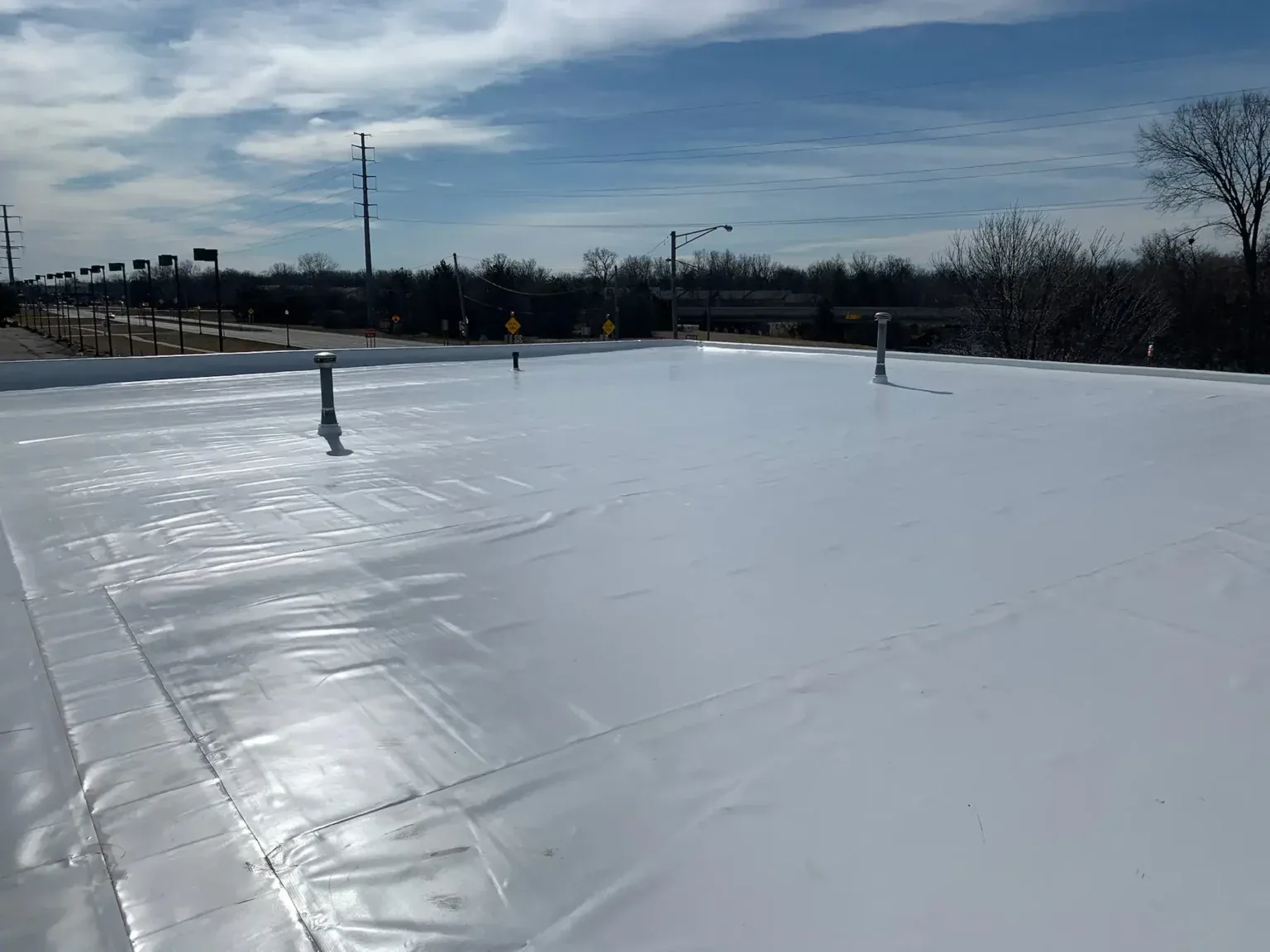
Expect a dated record of accessible roof areas, mapped observations, photographs, known system details, and recommended follow-up. We identify limits and distinguish what was seen from what requires testing. The goal is to give the project team a usable starting point for maintenance or pricing.
Can a report tell us exactly where a leak starts?
Water may travel beneath the surface before appearing indoors. We compare the reported room with visible roof details and document the likely path, then identify testing needed to confirm concealed conditions. A report does not label a suspected entry point as certain without supporting evidence.
Will photos be labeled for a contractor bid?
Yes. We pair close views with context images and use roof-zone or drawing references where available. That lets the estimator find the condition, define the work limit, and identify an allowance separately if opening the assembly could change the scope.
How current should a roof report be before pricing work?
A report should be recent enough to reflect the conditions being priced, especially after a leak, storm, repair, or access change. We can review the inspection date and identify which observations need a field check before bids are finalized.
Can the same report support future maintenance planning?
It can. The photos, location keys, and follow-up records provide a baseline for later visits. We record the inspection date and the recommended next check so maintenance staff can compare the same roof zones over time.