
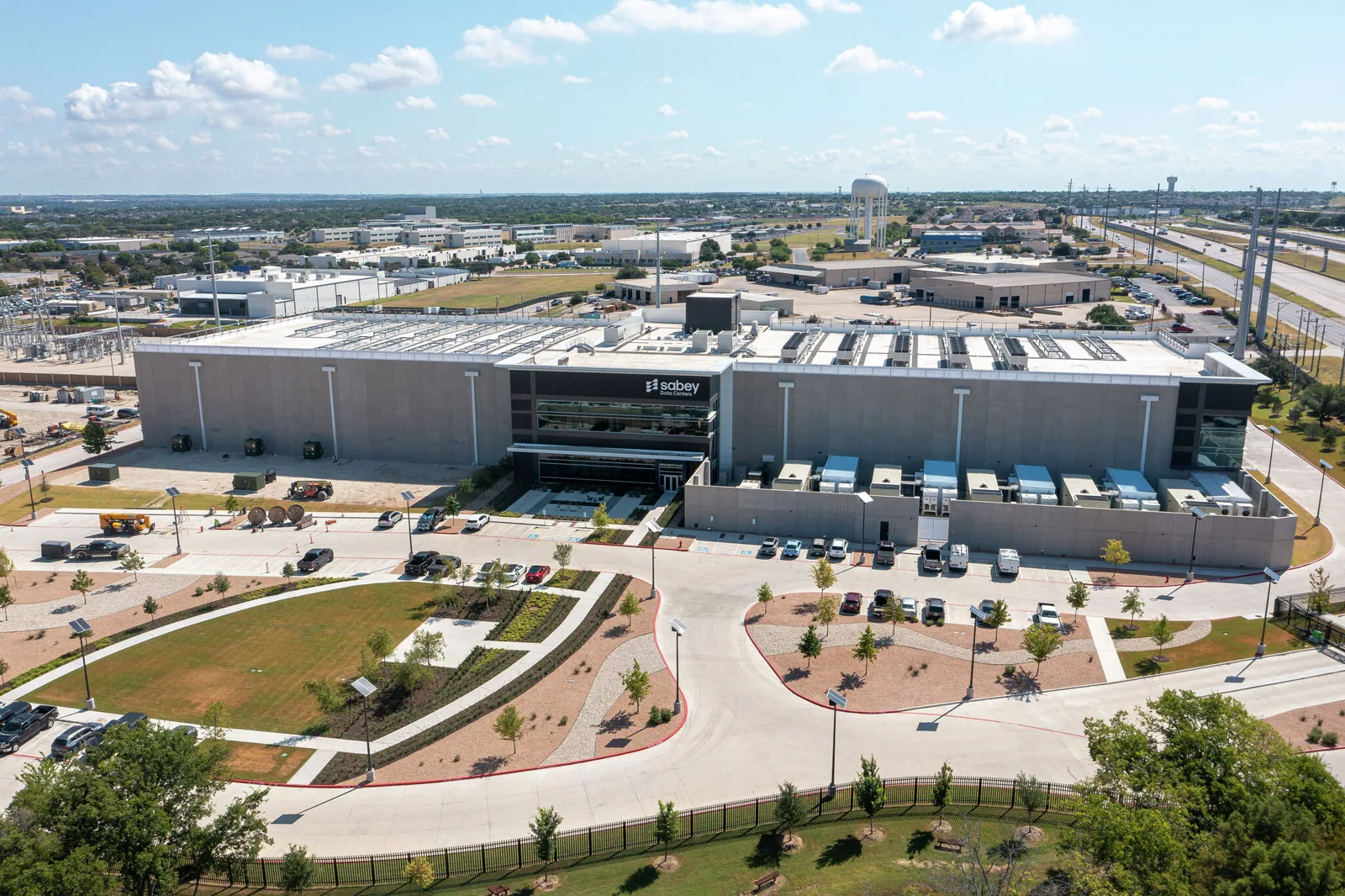
Data Center Roofing in New Haven, CT
Data Center Roofing
Plan data center roofing in New Haven around cooling equipment, water-sensitive rooms, drainage, security access, and carefully phased roof work.
Cooling equipment and water-sensitive rooms make roof work a coordination decision for a data center. New Haven's regular winter freezing puts drains, flashing transitions, and exposed tie-ins on the inspection list before an access window is chosen. We review the roof assembly alongside equipment routes, security procedures, and operating constraints, then give the general contractor a defined work area with clear closeout requirements.
New Haven's business services include research, engineering, and management; Hamden's commercial mix includes computer products, wire and cable, and fabricated metals. That mix makes operating constraints and maintenance handoffs useful planning topics. We build the scope from roof records, access rules, and the interfaces that must stay protected.
Cooling equipment and roof openings
Cooling lines, exhausts, cable routes, and equipment supports create penetrations through the roof. A small change to one curb can affect clearance, service access, and how water moves across the surrounding membrane. We photograph each interface, note equipment that cannot be interrupted, and confirm which trade controls adjustment or shutdown. The bid should show those responsibilities before a membrane tie-in is priced.
We inspect curb metal, pipe boots, support pads, flashing laps, and nearby seams for movement or separation. A leak report is compared with roof slope and the room below, since water can travel before it appears. A curb and support review helps establish which details require roof work and which need another trade's approval. We avoid closing an area until the equipment location and the flashing sequence are settled.
Some penetrations have been added after the original roof was installed. We check whether abandoned openings were properly closed and whether existing patches connect to sound material. If a new route is planned, the roof work should follow final equipment positioning. This sequencing protects the condition record and reduces the chance of reopening completed flashing during a later installation.
Drainage and interior safeguards
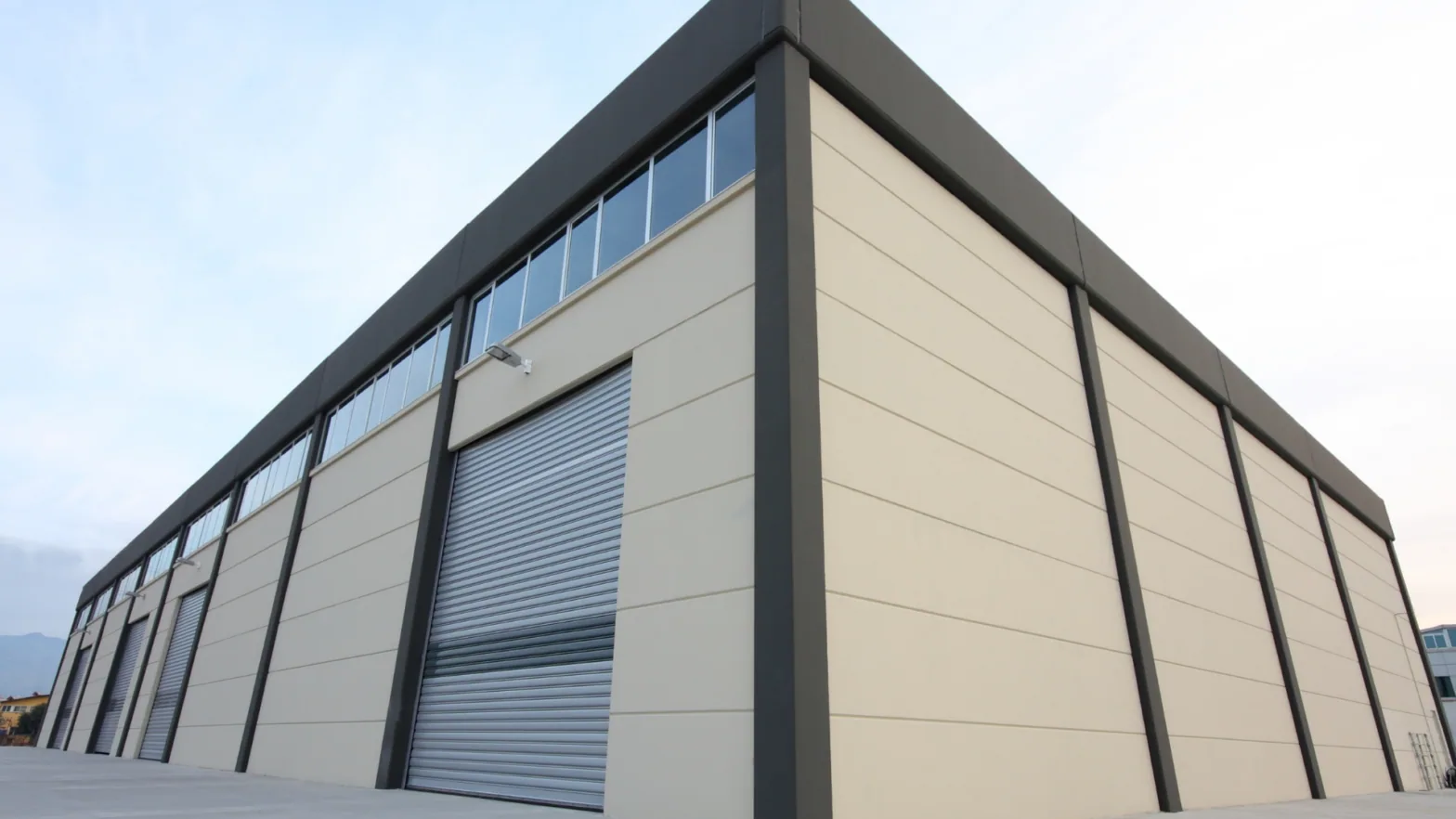
Water control begins at the drain and continues through every transition to the edge. We review drain bowls, strainers, overflow routes, low areas, parapets, and wall flashings for conditions that could direct water toward a penetration. New Haven's freezing pattern makes a slow outlet worth resolving before a cold period, particularly when roof access is limited. A drainage scope should identify the outlet and the condition affecting flow.
During roofing, temporary protection must account for occupied technical areas beneath the work. The owner identifies rooms, cable pathways, controls, and equipment that require additional safeguards. We define which roof section can be opened, how a temporary tie-in will be closed, and what observation confirms the area is secure at the end of the shift. A weather change can narrow that window, so the stop and restart points belong in the sequence.
Moisture mapping may help identify areas for investigation, but it does not replace a close inspection or confirm a leak source by itself. A survey can guide selective verification where conditions permit. The final record should distinguish measured areas, tested locations, and conditions that remain unresolved, so the capital team does not treat a screening result as a repair finding.
Security and controlled work windows
Roof access can involve sign-in rules, escorted movement, photography limits, and restrictions on tools or deliveries. We confirm the applicable process with the owner before mobilizing and identify how crew members reach the roof without crossing protected spaces. The schedule should account for credential checks and a controlled material route, not assume open access from the parking area.
When a cooling system must stay online, we coordinate phases around the equipment's service needs and safe clearance. We identify which units remain available, where a trade handoff occurs, and whether a temporary weather enclosure is needed. A written phase plan should state which area is being opened and who can approve an extension if concealed conditions appear. This gives the facility team a direct way to resolve changes without leaving the roof exposed.
New Haven has research and engineering services, while North Haven has healthcare and education uses. For a technical building, uptime and clean handoffs are central planning questions. We confirm each site's security measures and service requirements with the owner, then set work hours, staging, and documentation from the approved access plan.
Setting the right repair boundary
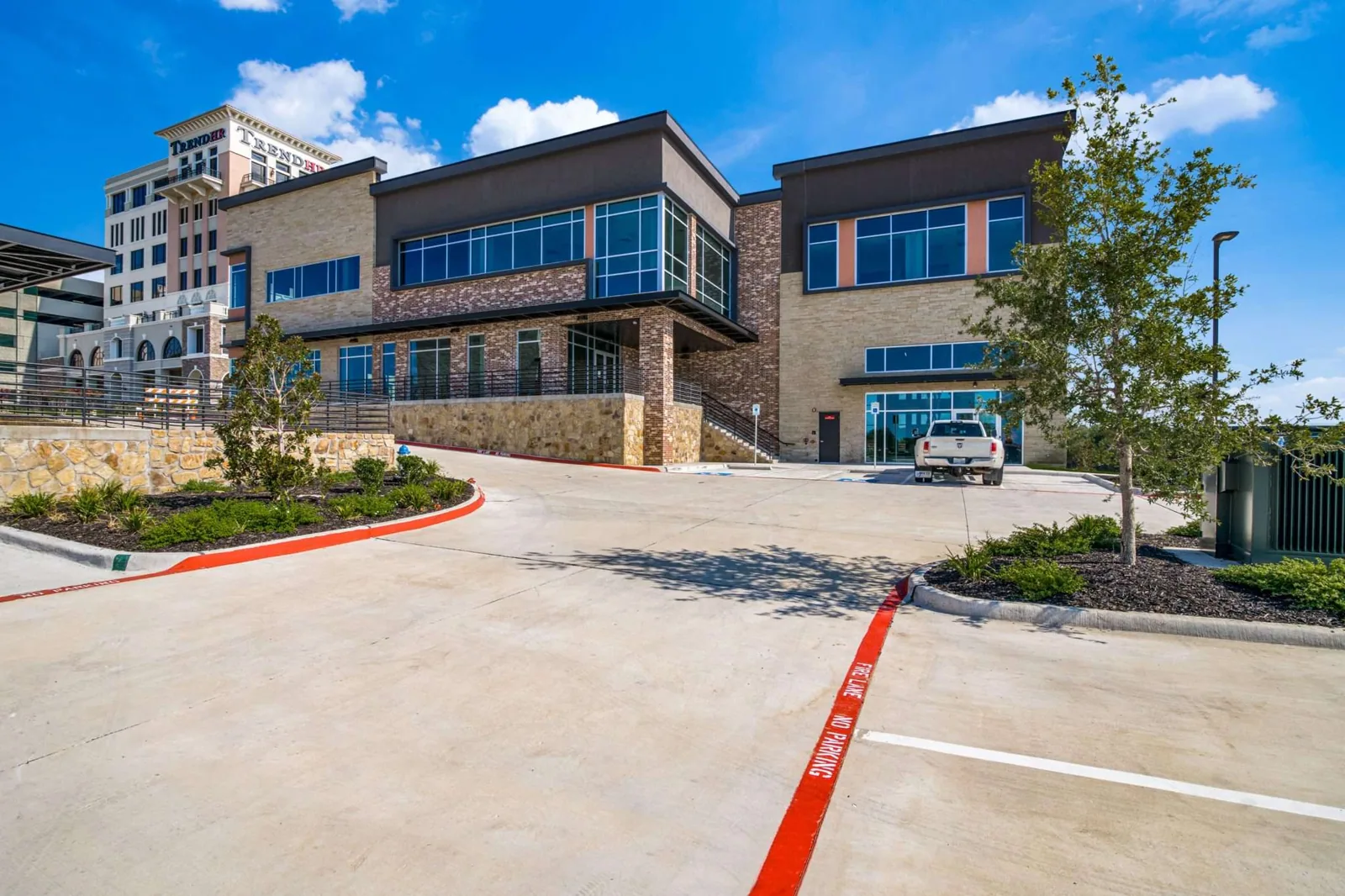
A repair can be appropriate when the membrane around a defect is stable, dry, and able to accept a compatible patch. We check whether the issue is localized or tied to broader moisture, attachment, or repeated failures. A planned repair should identify the affected zone and any remaining observation item. If multiple interfaces have failed, the owner may need to compare repair grouping with a larger capital scope.
Replacement pricing should show tear-off limits, insulation assumptions, curb and penetration work, drain changes, perimeter details, protection, and trade coordination. Recover work remains an option only after existing layers, moisture, deck, attachment, drainage height, and applicable requirements are reviewed. A replacement assessment can then be compared with the roof history and available outage windows.
Where the building remains active, we can separate work into controlled zones with daily closures. The phasing plan should state access controls, equipment availability, temporary protection, and the point for approving concealed repairs. We document field changes with photos and a location reference so the owner can evaluate cost and operational effect before extra work proceeds.
Roof history for resilient operations
Closeout for a technical roof should include photographs of each penetration, equipment curb, drain, edge, and tie-in. We note repair limits, any access restriction, and responsibilities left for another trade. The owner can retain this alongside equipment and maintenance records, helping future crews locate the work without repeating a broad inspection. A clear roof history is useful when service changes add new penetrations or require a different access route.
For a New Haven area project, bring roof plans, prior repair notes, cooling system access limits, and security requirements to the initial scope review. Office facilities may share access questions, while production buildings add a different equipment pattern; office roof planning and manufacturing roof coordination can be compared with the data center's specific constraints. We will document the decisions the project team needs before mobilization.
If a roof condition is being considered for a capital cycle, we can translate inspection observations into a prioritized record. That record can separate current repair needs from planned work and identify when another review should occur. It should reflect the actual roof and operational requirements rather than a generic lifespan assumption.
Questions Owners Ask
How do you protect cooling equipment during roof work?
We map the units, lines, penetrations, and service clearances before setting phases. The owner and mechanical trade identify shutdown limits and handoff points. We then define temporary protection and daily closures around the approved equipment plan, including a pause point if weather or concealed conditions change access.
Can a roof survey confirm a data center leak?
A survey can highlight areas for closer review, but the result should be confirmed against roof details and interior evidence. We inspect seams, curbs, drains, and the route above the reported location. The condition record distinguishes screening observations from a tested or repaired defect.
What belongs in the roof access plan?
The plan should cover credential steps, escorts if required, allowed tools, material routes, photography limits, work hours, and emergency access. We confirm the rules with the facility contact and price the schedule accordingly. A later change in access can affect crew time and should be recorded.
When is a patch enough for a data center roof?
A patch may fit when the surrounding membrane and substrate remain sound and the leak source is localized. We check nearby penetrations, attachment, and moisture before setting the boundary. Repeated defects or a wider wet area can justify evaluating a larger repair or replacement scope.
How does New Haven weather affect the roof review?
Winter freezing makes drain flow and flashing continuity useful priorities, while coastal conditions bring wind-driven rain to edges and transitions. New Haven's business mix includes research and engineering services, and Hamden includes computer and metal-related activity. That mix makes access and equipment planning relevant; the roof findings and approved operating requirements set the work scope.