
KEE Roofing in New Haven, CT
KEE Roofing
Evaluate KEE membrane installation and repair in New Haven with seam, substrate, drainage, and perimeter details tied to the project sequence.
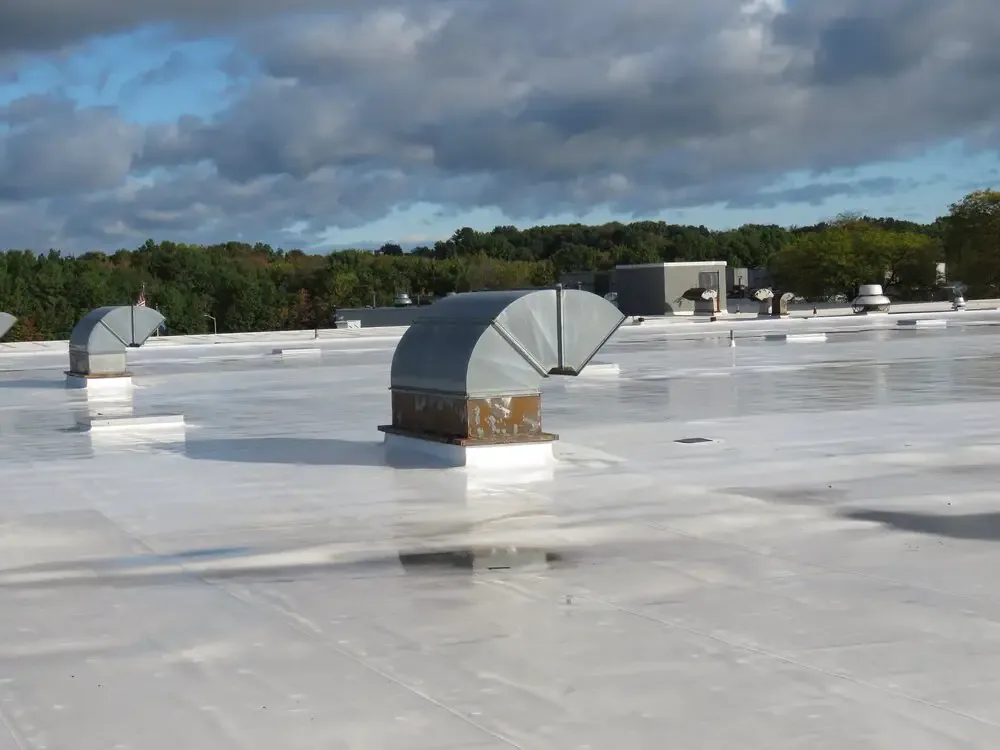
Freezing nights and coastal wind make New Haven, CT roof transitions worth resolving before a KEE membrane scope is priced. KEE is a PVC-based membrane modified with a ketone ethylene ester polymer; its field performance still depends on seam preparation, attachment, flashings, and drainage. We review the existing assembly and roof history, then define the work that the building can support. That gives a general contractor an assembly-level bid rather than a comparison based on the KEE name alone.
New Haven's climate normal counts 102.3 days annually with minimum temperatures at or below freezing; Hamden includes computer, cable, concrete, and fabricated-metal activity. Those local conditions and uses matter when they change access, equipment coordination, or roof exposure. We examine the membrane and compare it with available roof records before setting the scope.
KEE membrane and system fit
KEE belongs to the PVC family, but formulations and product requirements differ. We review the proposed membrane, reinforcement, attachment method, cover board, and flashing details together. A material data sheet can help the design team confirm suitability for expected exposure, while field conditions establish whether the substrate and transitions can accept the assembly.
We look at roof slope, drainage paths, rooftop exhaust, penetrations, and the condition of adjacent materials. The building's use can affect whether a protective walkway, equipment clearance, or defined service route belongs in the scope. In New Haven's health and education market, equipment access and occupied schedules may also change phasing. We coordinate those limits with the PVC membrane details and the contractor's other work packages before setting a start date.
Welds and repair compatibility
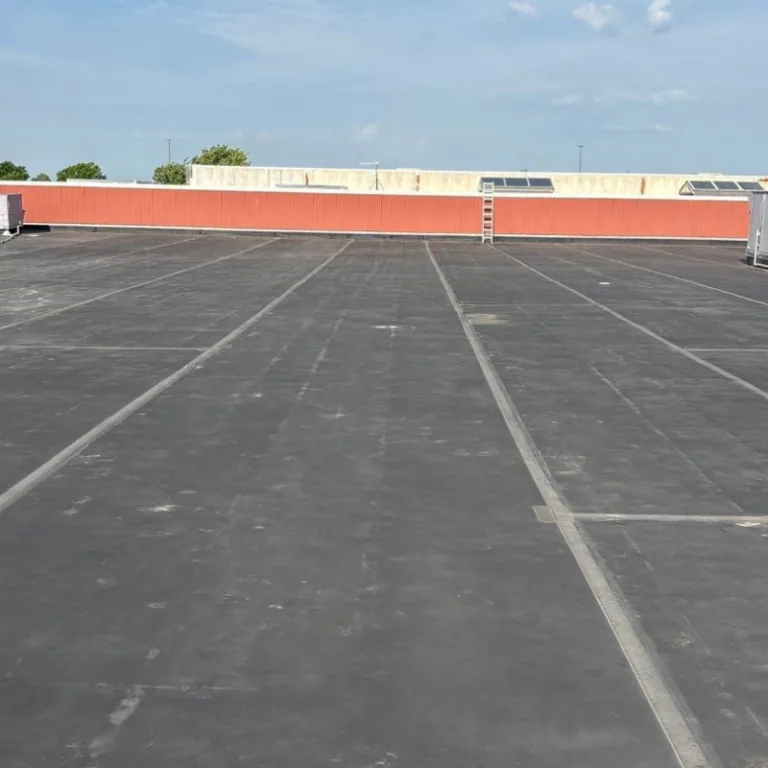
Heat-welded seams need clean surfaces and a suitable weld temperature. We inspect laps for edge lift, wrinkles, contamination, and previous repairs that could interfere with a new tie-in. A test weld or sample can help confirm preparation and equipment settings before the main production run. That quality check belongs in the installation sequence, especially when the roof has several areas or different exposure conditions.
At a repair, we establish the boundary of sound membrane, remove incompatible material where needed, and prepare the surface for the selected patch. We record adjacent seams and attachment so a localized correction does not hide a broader condition. If water enters near a wall, curb, or drain, the field seam alone may not be the source. A repair visit can document the detail and separate it from additional flashing work. When movement has opened the lap, a seam repair scope names the corrected area and any follow-up check.
Mixed assemblies need an explicit transition when a repair or addition changes from one membrane to another. A KEE patch should not be assumed compatible with an older sheet simply because both systems use thermoplastic welding. We identify the material at the interface, confirm an approved tie-in method, and keep that junction visible in the closeout photographs. Where the adjoining roof is EPDM, the scope should specify separate seam and flashing treatment rather than blending the methods.
Substrate and drainage review
A KEE membrane cannot correct wet insulation or weak deck below it. We compare interior leak records with visible surface conditions, roof plans, and any prior test results. Where moisture boundaries remain uncertain, a moisture survey or targeted test cut can inform the removal limits. The findings should distinguish material that can remain from an area that needs opening and replacement.
Drainage is part of the same assembly decision. Added layers can change curb clearances and outlet depth, while low areas can retain water against a seam or flashing. We trace the drainage path and include drain corrections where observations support them. If the condition suggests a broader removal, a replacement evaluation can compare the proposed KEE system with a full tear-off and document concealed-condition assumptions before bidding.
Perimeter details in a coastal market
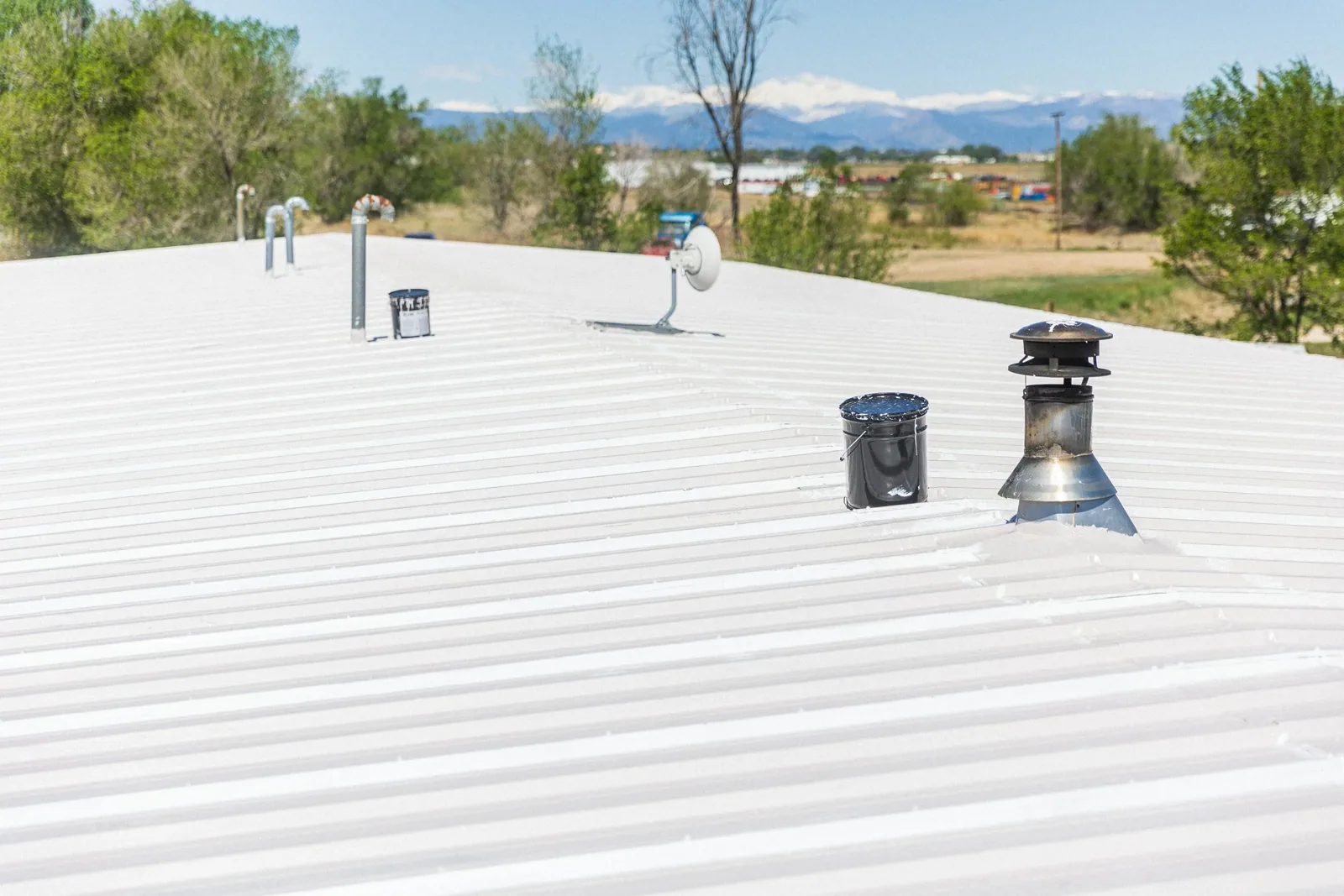
Roof corners, parapets, and exposed edges receive different wind forces than the center of the field. Madison, in New Haven County, recorded a severe gust during Sandy, so perimeter restraint is a practical inspection priority for coastal roof work. We examine edge metal, cleats, fasteners, terminations, and flashing returns, then include corrections where the building's actual condition calls for them.
New Haven and West Haven contain manufacturing, research, health, and education uses with different operating requirements. If roof access requires a lift near a loading area or an occupied entry, those constraints belong in the phase plan. We identify where materials will be staged, which access routes need protection, and when the crew must close temporary tie-ins. The detail schedule then gives the general contractor a clear interface between membrane installers and perimeter-metal trades.
Staging can matter as much as the membrane detail when roof access passes through an occupied work area. We identify a delivery point, route material to the active zone, and establish where equipment will be protected or temporarily moved. If a mechanical trade must return after the membrane is complete, the KEE scope should state who restores each curb or penetration and what inspection confirms the tie-in. A written sequence reduces the chance that one trade closes an area before the next connection has been checked. The plan also records the daily stopping point and any temporary edge that requires monitoring overnight.
Scope alignment and closeout
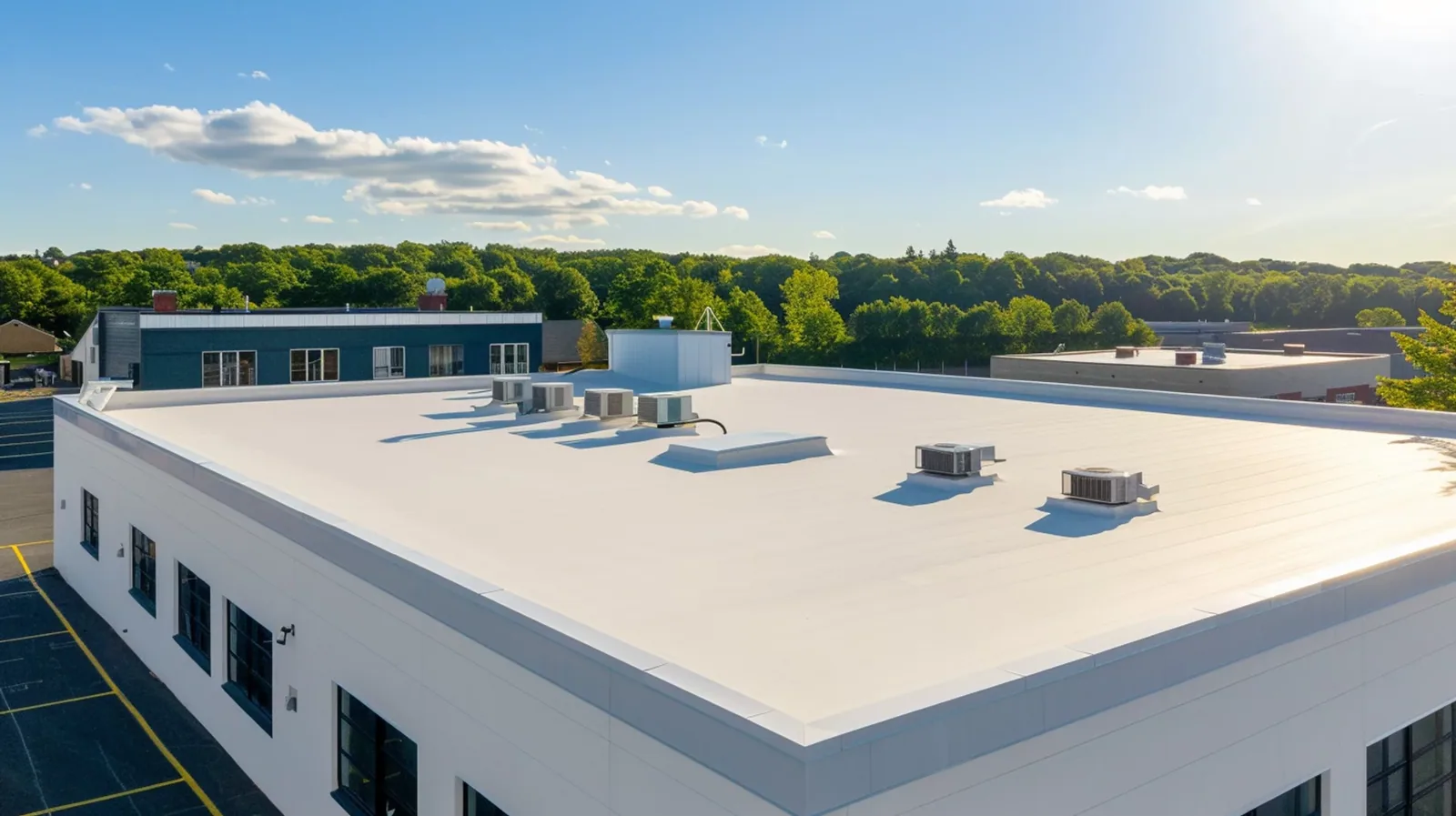
A complete KEE scope identifies membrane type, attachment, insulation, cover board, flashings, edges, drains, and accepted sample procedures. It also states which existing materials will be removed and how unknown substrate conditions will be handled. Those details make bid comparison more useful because the contractor can identify scope gaps before mobilization instead of reconciling different assumptions after tear-off.
At closeout, we record product identification, seam checks, repair locations, photographs, and any maintenance limits that remain. A condition report can connect those records with the next inspection and budget review. For a project in New Haven, bring plans, leak history, product requirements, and access constraints to a scope review. We will identify which design item, repair boundary, or phasing choice needs resolution before the work is released.
Questions Owners Ask
How is KEE different from a standard PVC membrane?
KEE is a PVC-based formulation with a polymer modifier, and product requirements vary. We review the selected membrane's technical requirements alongside the roof exposure, substrate, and detailing. The assembly, not the label, determines attachment and flashing design.
What should a KEE seam inspection include?
We examine lap edges, weld continuity, contamination, wrinkles, and nearby repairs. A sample weld may be used to confirm preparation and settings before installation proceeds. Findings are tied to roof zones so any correction can be checked before the next phase closes.
Can KEE go over an existing roof in New Haven?
Layer count, moisture, deck condition, attachment, drainage height, and code requirements determine whether a recover can be evaluated. We identify test locations and removal limits, then state which materials would remain. A field examination is needed before the bid can set that scope.
Does coastal exposure change the KEE edge detail?
Coastal wind makes corners, perimeters, and terminations important review points. We inspect the existing restraint and specify cleats, fasteners, and tie-ins based on the roof design. A regional storm record does not substitute for the condition and design details at the property.
What records should accompany a KEE bid?
Provide roof plans, product specifications, leak reports, prior repair photos, access limits, and any known test results. We use them to align membrane, insulation, edge, and drainage assumptions. The bid should identify concealed conditions that could change after removal.