Commercial Roof Recover in New Haven, CT
Commercial Roof Recover
Assess a New Haven commercial roof recover against moisture, code, attachment, drainage, and edge details before choosing an overlay scope.
Cold nights make trapped roof moisture a practical concern before an overlay is priced. New Haven's recurring freeze-thaw pattern means a recover review starts below the visible membrane as well as at the seams. We examine the existing assembly, locate wet areas, check attachment and drainage, then determine whether another roof layer can be considered under the applicable code and project constraints.
A recover avoids removing every existing layer, but it does not erase the condition of those layers. The general contractor needs a defined substrate, fastening plan, perimeter detail, and limit for any areas that require tear-off. That decision is useful only when the roof record and field findings support it. If they do not, the scope can shift toward repair or replacement before material is ordered.
Conditions beneath the surface
Moisture mapping is the first check because a new membrane over wet insulation can preserve the defect inside the assembly. We combine visual observations with appropriate survey methods, confirm questionable areas through test cuts when needed, and record the limits of any wet zones. An infrared reading alone is not a final removal map; the scope should state how suspect areas will be confirmed before installation.
Existing layers must also provide a stable base. We check whether the old membrane is firmly attached, whether the substrate can accept the proposed fasteners or adhesive, and whether movement or widespread deterioration could travel into the overlay. Penetrations, curbs, and transitions need enough height and sound material for a durable tie-in. Where those conditions are missing, selective removal may be necessary even if most of the roof remains eligible.
Building code, fire considerations, drainage elevations, and the number of existing layers affect the decision. We review permit requirements and the roof assembly with the project team before treating recover as the lower-disruption option. A hands-on condition inspection can establish those boundaries, and a roof survey for project planning can help align them with the bid assumptions.
Attachment and water movement
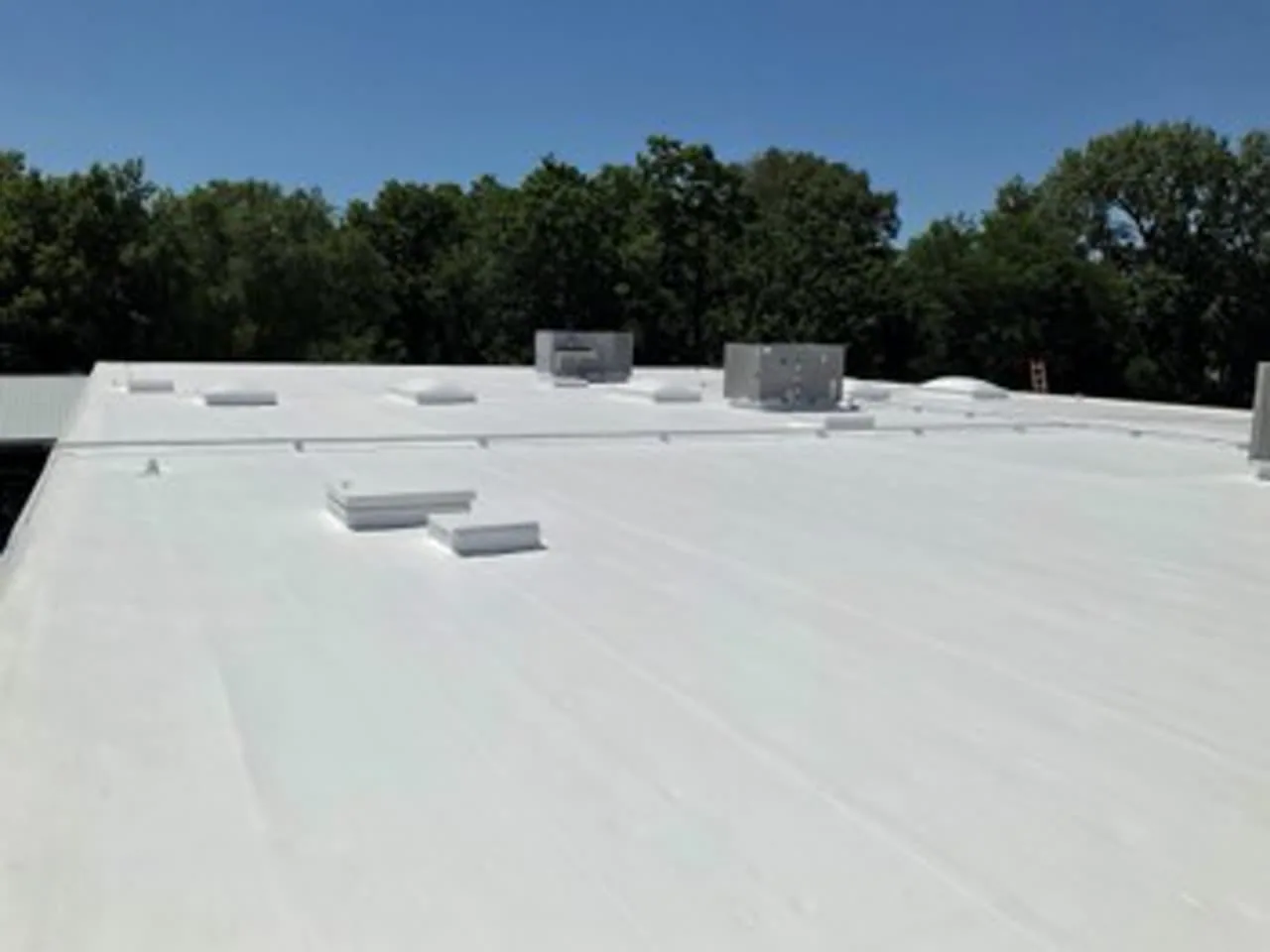
An overlay adds weight and changes how the roof holds at its perimeter. We review deck type, existing fasteners, pullout information when available, and the proposed attachment method before identifying a layout. Edge metal, coping, parapets, and roof openings need coordinated transitions so a new membrane does not terminate at a weak or inaccessible point.
Drainage needs the same attention. Added insulation or cover board changes finished heights at drains, scuppers, doors, and equipment curbs. A recover scope should show how water reaches each outlet and how the installer will avoid creating a step or dam around the roof's low points. If a new slope package is part of the plan, we check the resulting elevations against the building's actual penetrations and discharge route.
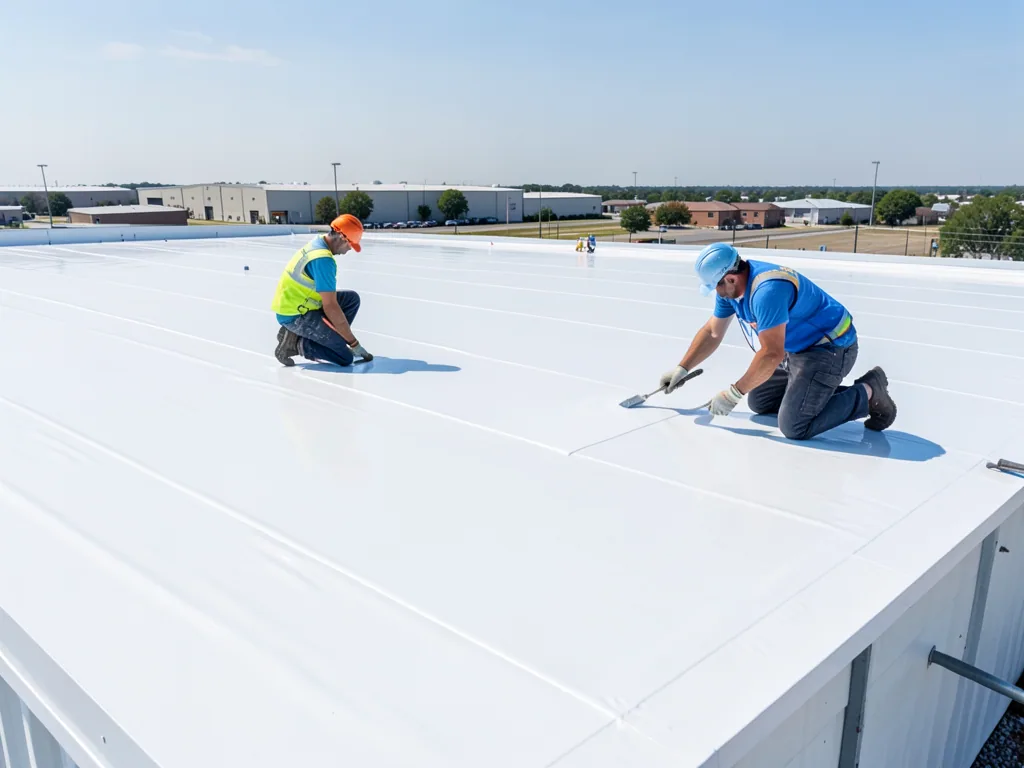
Where conditions support a single-ply overlay, a TPO assembly may be compared with other systems by attachment, seam method, detail compatibility, and maintenance needs. The roof's existing material and records guide that comparison. If recurring punctures or seam failures are part of the history, the repair scope should identify whether those details can be corrected before any cover layer is installed.
A bid that defines the boundary
Recover proposals often differ because they assume different amounts of preparation. We write down the existing roof type, the area to receive the new assembly, the locations for test cuts, and the process for handling wet or unsound sections. The proposal should also identify which flashings, drains, edge conditions, and rooftop supports are included, along with what requires an owner decision.
That clarity helps a general contractor compare material and labor on a common basis. One bid may include a tapered insulation package or new edge metal; another may assume the existing elevations and perimeter remain. We map those differences to the roof plan and explain how each affects the finished water path, sequencing, and cost drivers. The owner can then select a scope with a clear understanding of what remains in place.
Branford's manufacturing activity is part of the nearby commercial mix, where access windows and operating needs can affect a roof sequence. For an occupied public or institutional building, the project team should establish those limits with the property contact before an overlay is priced. On a Branford roof, the existing assembly and field condition determine whether recover work fits.
Work windows and protection
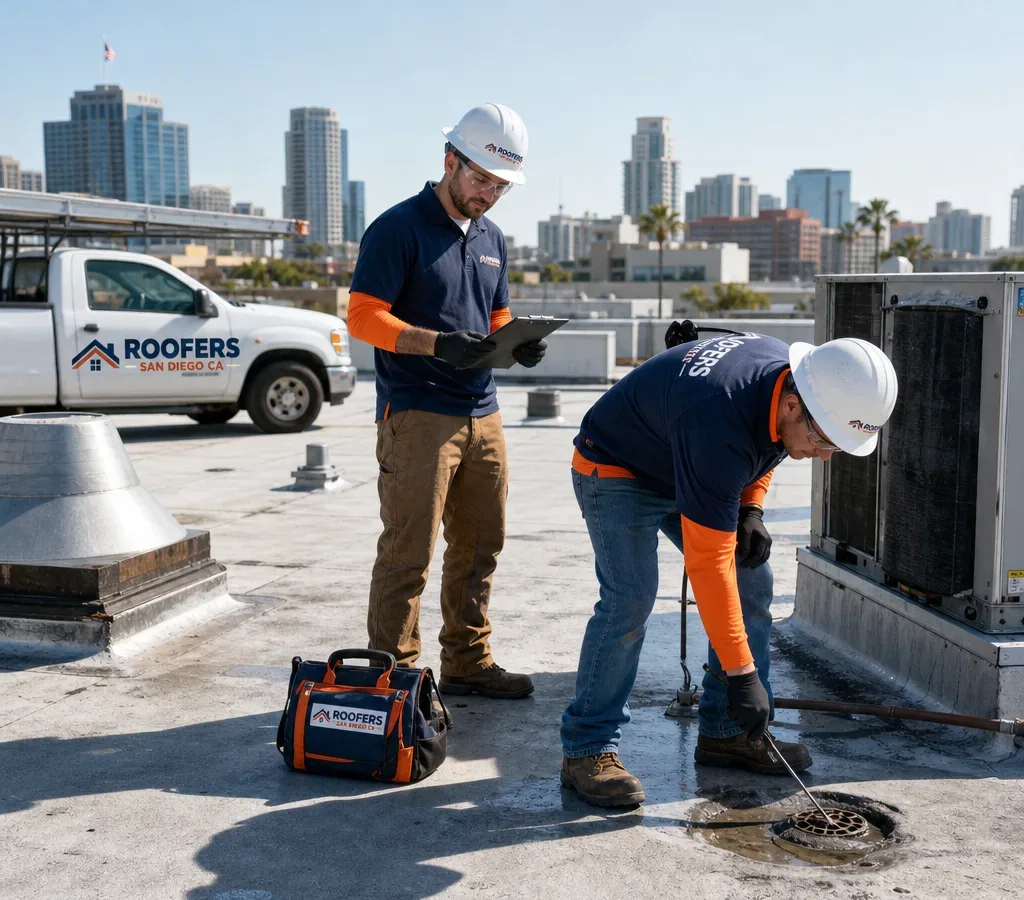
Recover work can limit tear-off, but the roof still needs a weather-ready daily sequence. We stage materials so an open section can be protected, confirm the fastening pattern before production moves across the field, and reserve time for tie-ins at drains and perimeters. Rain, cold conditions, wind exposure, and delivery access all affect which roof area can be completed safely on a given shift.
During Sandy, Madison recorded a severe coastal gust and Connecticut's shoreline faced storm-surge exposure. Those regional conditions put temporary edge protection and secure material staging on the work plan. The crew sets each work window from the day’s forecast, approved access, and the roof layout.
For occupied property, we coordinate noise, loading, freight-lift or ladder access, and service clearances with the building operator. A recover may share a work area with mechanical service or other trades. The occupied-building sequence should set boundaries, communication points, and daily closeout so the roof remains protected as the installation advances.
When another layer is not the right call
Widespread wet insulation, weak attachment, excessive existing layers, damaged deck, or details that cannot accept a sound tie-in may make removal the better path. We show the reason in the condition record and compare the work required to correct the assembly. The owner can weigh that scope against a full replacement option before the project is committed to an overlay design.
For a roof that is eligible, the closeout should capture installed details, drainage adjustments, and the remaining maintenance items. We keep photographs with the roof history and record the areas where future observation is useful. Bring prior repairs, moisture findings, permit requirements, and access limits to a recover scope review. We will identify what can stay, what needs removal, and what evidence the project team still needs to resolve.
Questions Owners Ask
Can a commercial roof receive another membrane without a tear-off?
An overlay remains feasible only when moisture and attachment findings support it. We inspect the existing assembly, confirm suspect wet areas, and check code and drainage limits before writing the scope. Where those conditions do not support another layer, selective or full removal belongs in the comparison.
How do test cuts fit into a recover bid?
Test cuts verify what a surface survey cannot settle by itself. We record the cut locations and findings, then define how additional wet or unsound material will be measured and approved if encountered. The bid should state that process before production starts.
Will a recover affect roof drains and equipment curbs?
Added layers can change elevations around drains, scuppers, doors, and curbs. We check each transition and the path to the outlet, then include the adjustments required to keep water moving. Equipment supports also need a sound detail after the finished height changes.
What is the main schedule risk for an overlay project?
Weather protection and confirmed substrate conditions shape the work window. A concealed wet area can require removal before installation continues, while coastal wind or rain can change staging for that shift. We plan tie-ins and daily closures so the building has a defined protection point.
Should the owner approve a recover before the roof is surveyed?
A survey first gives the owner a documented basis for comparing recover, repair, and removal. We pair moisture findings with the roof history, attachment, code limits, and drainage elevations, then carry unresolved items into the bid as clear decision points.