
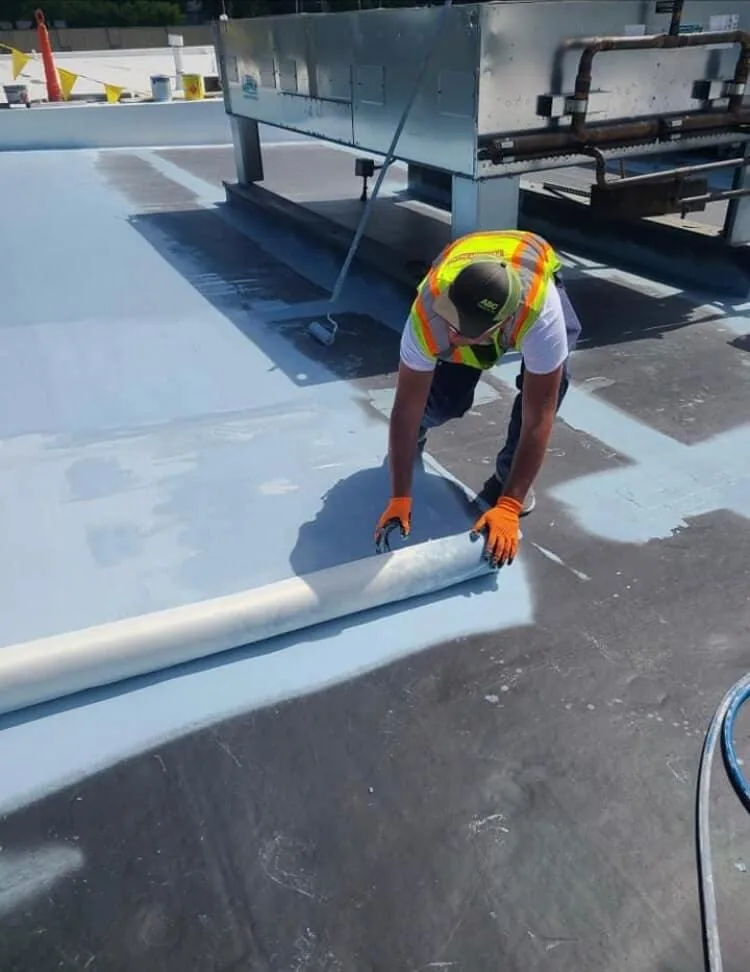
Preventive Roof Maintenance in New Haven, CT
Preventive Roof Maintenance
Plan commercial roof maintenance in New Haven around drainage, freeze-thaw exposure, repairs, and access windows, with records for the next budget decision.
New Haven's freeze-thaw cycle makes a maintenance visit useful before winter water tests seams and drains. A scheduled review records roof conditions while access and repair windows remain available. We compare the roof history with visible findings, then distinguish routine upkeep from work that should enter a separate scope. That gives the general contractor a practical basis for timing, approvals, and follow-up.
Health, education, manufacturing, and business services contribute to the city’s commercial mix. Roof access, rooftop equipment, and occupied hours can therefore matter as much as the surface condition. We set maintenance around the building’s actual use, document each finding with photos, and keep the record clear enough for the next manager or contractor to use.
A visit with a defined purpose
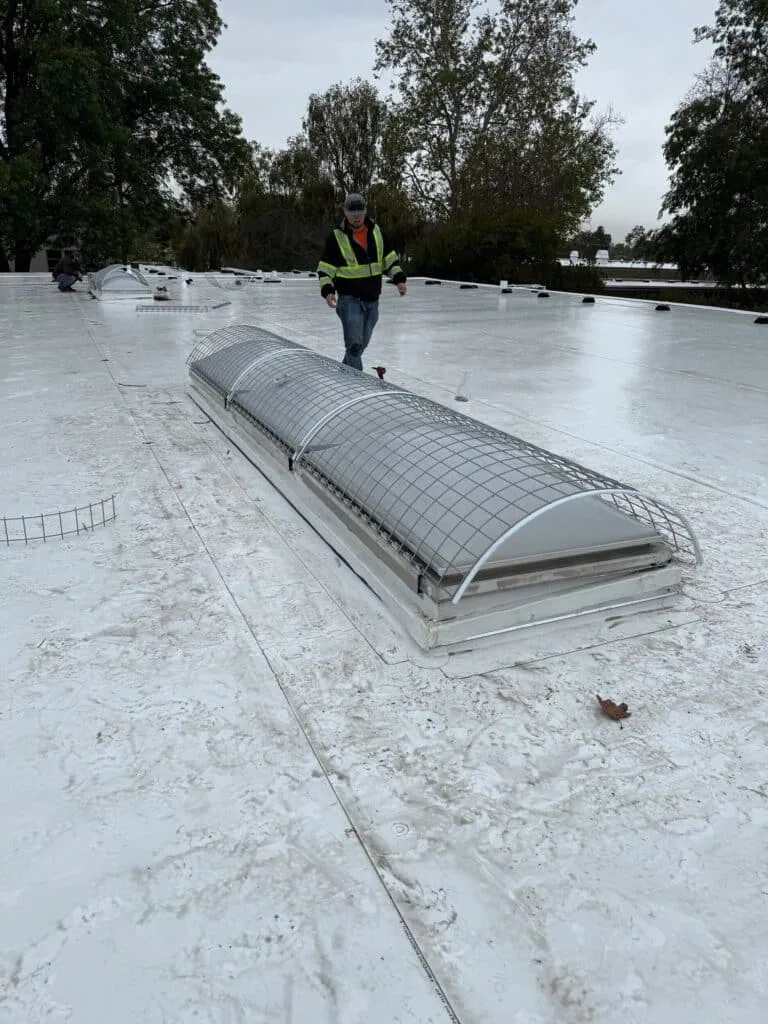
A maintenance visit should answer a short set of roof questions. We review membrane seams, flashing transitions, penetrations, edge metal, drains, and areas where prior work changed the assembly. The findings are tied to locations and photographs rather than a broad statement that the roof is good or bad. That distinction helps a buyer understand what was examined and what remains outside the visit.
We also compare observations with earlier reports, repair invoices, and warranty documents supplied for review. A recurring stain may point to a previously repaired detail, while a new opening can call for a separate response. The building record lets us sort those possibilities before routine maintenance becomes an emergency call or an unplanned line in a capital budget.
For a fuller baseline, a hands-on roof condition review can establish repair boundaries and document broader assembly concerns. A scheduled visit then tracks known issues against that baseline. When surface access is limited, a drone-assisted observation can supplement the examination, with close inspection reserved for details requiring touch or testing.

Drainage before freeze and thaw
Water control deserves early attention as colder weather approaches. Drain baskets, scuppers, sumps, and nearby membrane can collect leaves, sediment, or maintenance debris. We check whether the water path remains open, note standing water where visible, and record any detail that could complicate winter drainage. The review supports a specific cleanout or repair recommendation instead of an assumption that every low area needs reconstruction.
New Haven's winter climate includes frequent overnight freezing and some days when temperatures remain below freezing. Repeated changes in temperature can stress seams, flashings, and water-retaining details. In Hamden, computer, cable, concrete, and metalworking uses add different rooftop equipment and service patterns to the regional building mix. A maintenance plan accounts for each roof's actual drains, equipment clearances, and access rules rather than transferring one building's checklist to another.
Drainage repairs may be best handled in a separate drain and scupper correction scope. Where water reaches the perimeter, edge metal and gutter work can address another part of the path. Each item is logged with its location, condition, and urgency so the owner can approve work in a useful order.
A record that drives action
Useful maintenance records separate observation from recommendation. We note what was seen, where it appears, whether earlier work is nearby, and what should happen next. Photos should include a location view and a closer detail view. That pairing helps a later reviewer identify the same curb, seam, or drain without relying on a vague label such as north roof.
Recommendations can be ranked by water exposure, safety, effect on operations, and the time available before the next review. A loose termination may warrant a prompt repair, while surface wear on a sound assembly may be monitored. We explain the repair threshold and the consequence of waiting in plain terms. A photo-supported condition record gives the capital team a basis to compare current needs with the previous cycle.
In Branford, manufacturing, bioscience, healthcare, and retail are among the commercial activities. These uses can make work-area protection or scheduling a material part of maintenance. We coordinate with the building contact on hatch access, loading, equipment shutdowns, tenant notice, and any restricted work period before crews arrive. A record of those constraints saves time on repeat visits and limits avoidable interruption.
Timing work around operations
The right visit interval depends on roof condition, system details, prior repairs, and the building's exposure. A roof with open punch-list items needs a different schedule than an assembly with a stable record and clear drainage. We set the next review date around known conditions and seasonal work windows, then adjust it when repairs, additions, or equipment changes alter the roof.
Maintenance does not replace a repair scope. If inspection finds a puncture, loose flashing, or damaged membrane, we define the affected area, describe the correction, and report any limit on the observation. Emergency response remains available day and night, including holidays, when active water entry cannot wait for the next scheduled visit. Once conditions are stabilized, the repair can be documented in the regular roof history.
Where a coating is being considered, the maintenance record helps determine whether the existing surface is suitable for preparation and restoration. A coating restoration review considers adhesion, moisture, repairs, drainage, and detail condition before a system is priced. The same record may show that localized repair or replacement deserves comparison instead.
Budgeting from repeat observations
Repeated findings give owners a clearer view of capital timing. A drain that remains functional after cleaning belongs in the routine record; a detail that reopens after repair deserves review for a larger cause. We compare photographs, notes, and completed work before recommending a new scope. That prevents one season's maintenance item from becoming a recurring budget entry.
For portfolios across New Haven, Hamden, and Branford, a common report format can still preserve building-specific findings. The format should keep each roof area, assembly, repair boundary, and access constraint distinct. A roof history and planning review can organize that information across properties, while each maintenance visit remains tied to the roof actually examined.
Bring prior reports, repair records, bid scopes, and access requirements to a maintenance planning conversation. We can compare the existing condition record with upcoming work windows and identify the items that need separate approval. The resulting schedule gives the general contractor a practical sequence, with routine upkeep, repair, and capital decisions kept legible.
Questions Owners Ask
What belongs in a maintenance visit record?
A useful record identifies the roof areas examined, details observed, photographs, prior repairs reviewed, and next action. We separate routine cleaning from recommended repair and state when a condition needs another type of evaluation. The report then supports the next access window and budget decision rather than leaving a list of unranked notes.
Can scheduled upkeep reduce unexpected roof work?
Regular observations can surface open seams, blocked drainage, or deteriorating flashing before the next weather cycle. They cannot predict every concealed condition, so the record should distinguish visible evidence from assumptions. We use the findings to plan a repair or monitoring step before the condition disrupts operations.
How does winter affect the maintenance sequence in New Haven?
Temperature swings make drainage and exposed transitions useful priorities ahead of colder periods. We review those details with prior repair history, then set any cleanout or corrective work around access and weather. Nearby Branford's manufacturing and health-related building uses also make operating hours part of the visit plan.
When should a maintenance item become a separate repair?
A condition that admits water, has lost attachment, or cannot be corrected through routine cleaning should receive its own scope. We photograph the location, define the repair boundary, and identify what could change the recommendation. The owner can then approve the repair without confusing it with standard upkeep.
What should I bring to a roof maintenance review?
Prior inspection reports, repair invoices, warranty documents, tenant or equipment restrictions, and planned project dates help establish context. We compare those records with the roof findings and identify the next useful review window. Access limits should be shared early because they can change how a visit is sequenced.