

Spray Polyurethane Foam Roofing in New Haven, CT
Spray Polyurethane Foam Roofing
Assess spray polyurethane foam roof repair or renewal in New Haven with substrate, drainage, coating, and access details mapped to the scope.
Rain movement and winter freezing put drainage and surface protection at the center of a spray foam roof review in New Haven, CT. SPF forms a continuous insulated layer, but the protective coating and substrate below it still govern the repair. We examine the roof history, coating condition, foam profile, penetrations, and outlets before sizing renewal or replacement work. That gives the general contractor a boundary based on observed conditions and a phase plan that accounts for occupied space.
New Haven records frequent freezing nights, and coastal wind history makes exposed transitions worth examining. West Haven's commercial mix includes manufacturing. We set staging, mixing, material protection, and work zones around the building's operating schedule and the areas that can close each shift.
Foam profile and drainage path
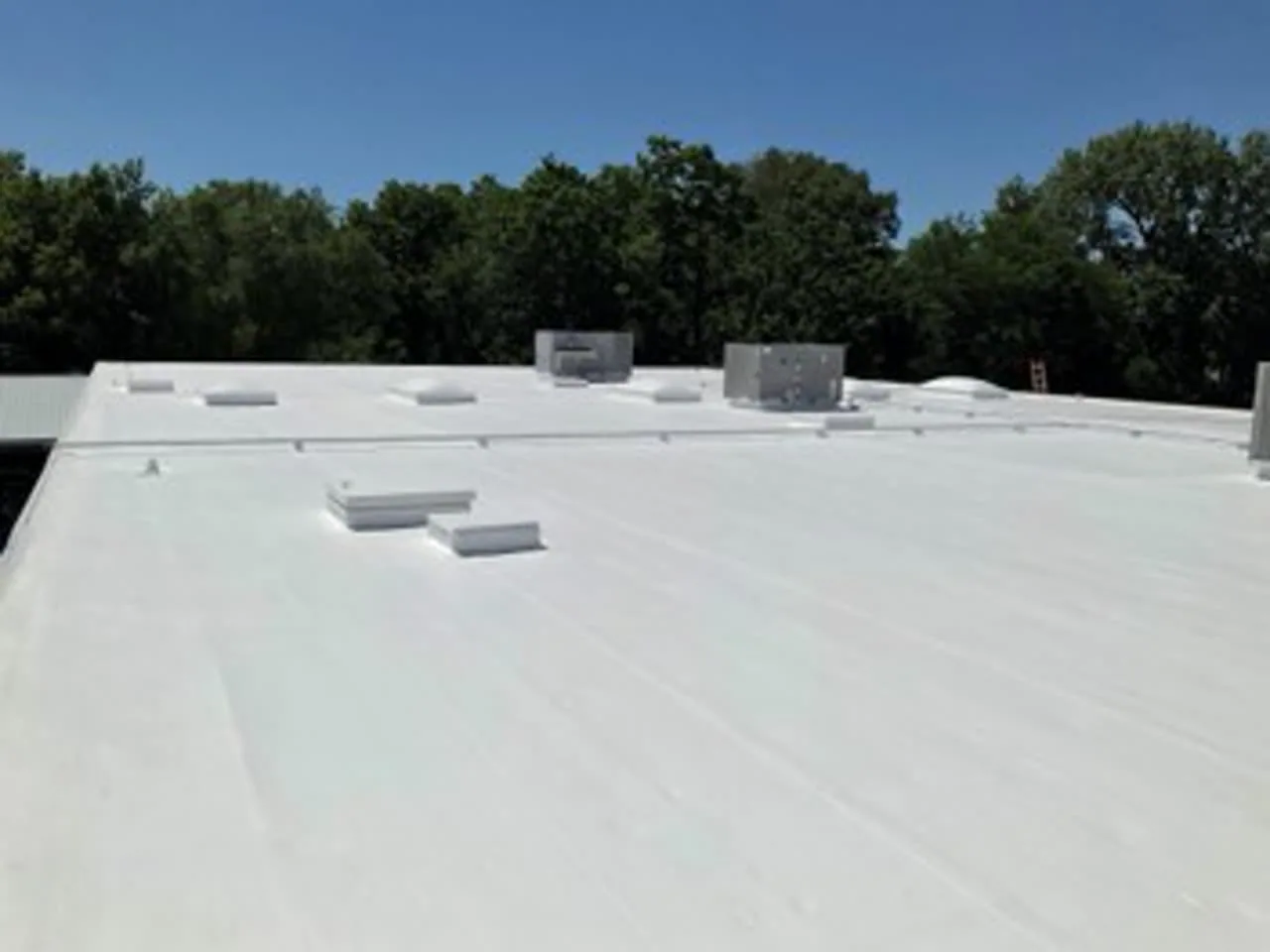
Spray polyurethane foam is applied as a liquid that expands into a closed-cell roof layer. The installed profile can help establish slope, but a later change in drainage or a damaged coating can alter how the roof handles water. We map high and low areas, drains, scuppers, penetrations, and transitions before deciding where foam repair or additional coating is appropriate.
At a low point, we look for standing water, coating erosion, soft or exposed foam, and debris that blocks the outlet. A small area can be repaired with compatible foam and protective coating, while a broad change in profile may require a designed drainage correction. A drainage review can price outlet work separately. If moisture conditions below the surface remain uncertain, a moisture survey or targeted opening can support the boundary.
Protective coating and repair limits
The coating shields SPF from sunlight and direct weather exposure. We inspect for cracks, erosion, blisters, exposed foam, ponding, and loss of adhesion, then note the size and distribution of those conditions. A recoating scope depends on sound substrate, suitable surface preparation, and compatibility between the existing coating and the proposed material.
Before coating, we identify areas that need foam replacement, repairs at penetrations, and details that must be reinforced. Applying a new surface over loose or wet material can leave the underlying problem in place. We use test areas where adhesion is uncertain and state the preparation steps that the bid includes. For a restoration project, the proposal should specify cleaning, repairs, coating, and inspection points rather than a single line for application.
Coating selection should account for roof slope, expected water exposure, existing material, and the maintenance plan. Silicone and acrylic coatings have different application and service requirements, so they are not automatic substitutes for foam protection. We inspect the surface and compare the proposed coating with the substrate and drainage conditions. A silicone coating may be reviewed where the design specifies it, while acrylic coating requires its own conditions and system details.
Freeze-thaw and coastal wind exposure
New Haven's winter normal includes many overnight temperatures at or below freezing. That makes drain areas, coating terminations, and changes in foam slope practical inspection priorities after winter. We compare new observations with earlier photos and maintenance entries, then identify whether movement or coating loss has changed the repair boundary.
Sandy brought severe coastal wind to the county, including a measured gust in Madison. That regional wind record puts foam at parapets, curbs, penetrations, and edges on the review list. We check for visible separation or exposed substrate and include repairs where the current roof examination supports them. A wind-related roof inspection can document perimeter findings before coating or foam work is priced.
Substrate, insulation, and interfaces
SPF roof work can involve more than the surface layer. We examine the underlying deck where accessible, identify changes in foam thickness, and note previous repairs or areas where water may have reached the assembly. If the roof's history does not explain a soft or discolored area, we identify a test location and restoration detail before work begins.
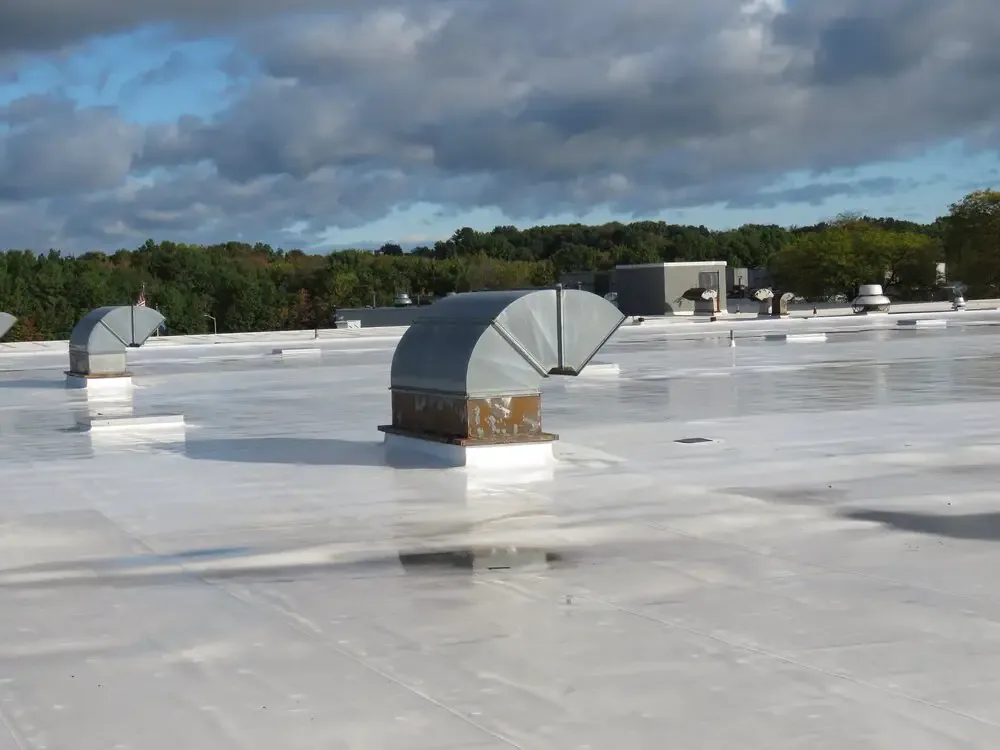
Equipment supports, curbs, pipes, and wall transitions need their own interface details. We coordinate any mechanical removal and reset with the general contractor so the foam and coating can close around a stable component. Where a perimeter requires sheet metal correction, a coping and edge scope can align the termination with the foam work. We also record where future service routes should avoid damaging the new coating.
SPF thickness can vary where the roof shape changes or old repairs interrupt the surface. We note those transitions and identify whether the foam profile should be corrected before a coating pass. Equipment bases and wall flashings need a continuous protective detail, while drains should remain open and accessible. If roof elevations differ, the phasing plan should show how each zone returns to a stable water path before the crew moves onward.
When the owner is considering full removal, we compare the foam condition with the substrate and deck findings. Areas that remain sound may not require the same work as locations with exposed or deteriorated foam. We mark each boundary separately so a price can distinguish localized reconstruction from broad removal. That level of detail helps the general contractor assess whether the repair limit is buildable and whether another trade must complete work first.
Phasing and records for the next cycle
Occupied-building work requires a clear zone for mixing, application, ventilation, and protection below. We confirm access, material staging, weather windows, and any operations that cannot pause. If a roof area must remain open while foam or coating cures, the schedule should show what happens at the shift boundary and how the work is protected until the next phase.
New Haven's principal industries include health, education, business services, and manufacturing, while Hamden's commercial mix includes computer products, wire and cable, concrete and pump mixers, fabricated metals, construction, and business services. We document which roof zones were repaired, what coating was applied, and where inspection should resume. A clear condition record can connect these observations with maintenance and capital timing. For a project in New Haven, bring roof history, prior coating records, drawings, and access limits to a foam scope review before the sequence is finalized.
Questions Owners Ask
When can an SPF roof be recoated instead of replaced?
A recoating can be considered when the foam remains sound, moisture is controlled, and the existing surface can accept the new coating after preparation. We map exposed or damaged areas first and state which foam repairs are included. Broad deterioration or unresolved deck conditions may require a different scope.
How do you decide whether a soft SPF area needs an opening?
We compare the area with drainage, coating, prior repairs, and leak history. If the surface does not show whether foam or materials below are affected, we identify a sample location and a restoration detail. The report separates observation from what testing would confirm.
Does New Haven winter weather affect spray foam roof maintenance?
Repeated freezing makes coating edges, low spots, drains, and penetrations useful inspection points. We document current conditions and compare them with previous records. The maintenance decision follows the roof examination, while climate guides where we look closely.
What needs to be included in an SPF coating bid?
Surface preparation, foam repairs, reinforcement details, coating limits, drains, terminations, and closeout checks should be stated. We identify test areas and access windows, then separate known quantities from concealed substrate conditions. That supports an accurate comparison between proposals.
Can foam and coating work be phased over an occupied building?
A phased approach can be planned when work zones, cure periods, access, and temporary protection are clear. We coordinate equipment, occupants, and daily stopping points with the general contractor. The sequence should show which roof area can reopen and what remains protected.