
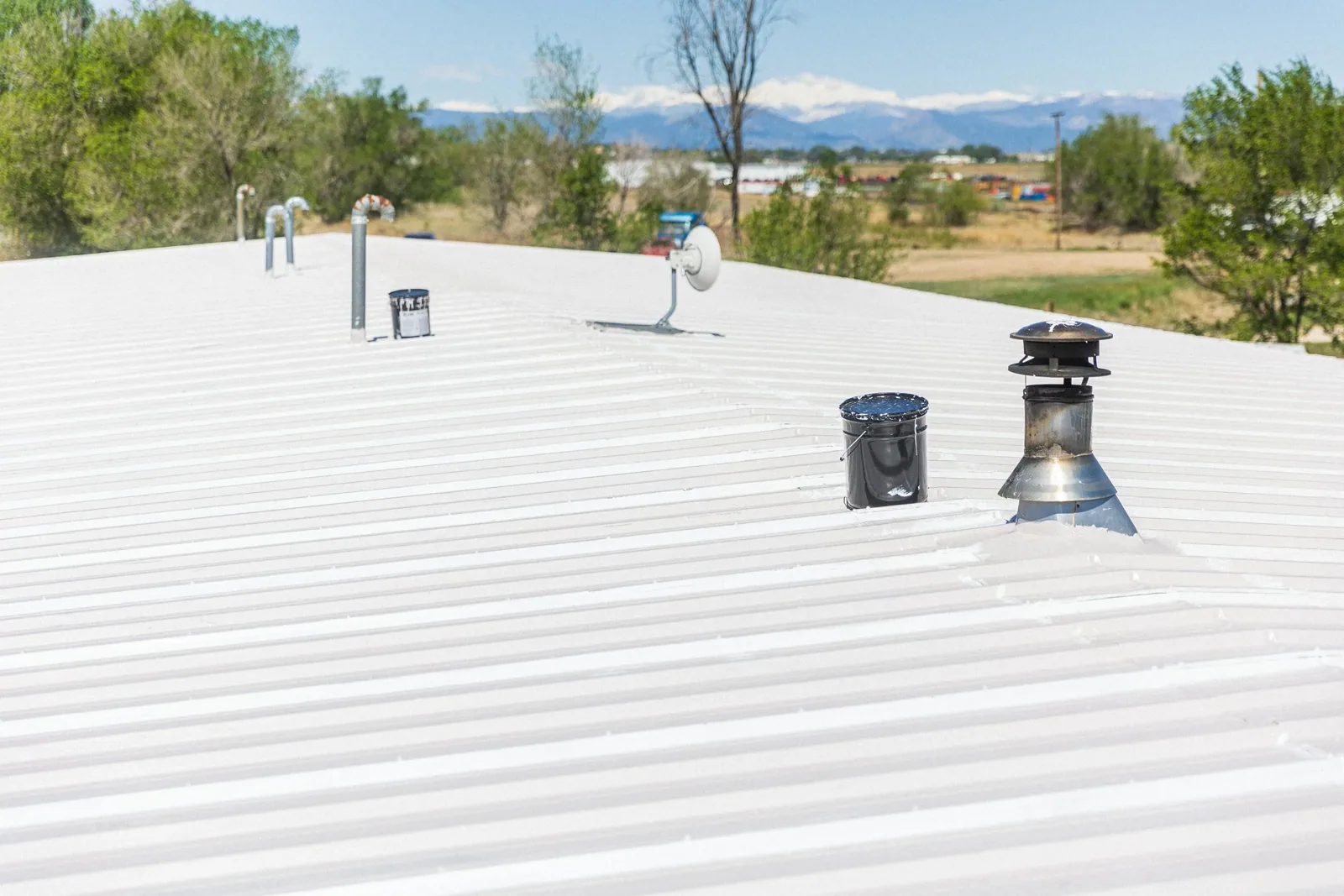
Acrylic Roof Coatings in New Haven, CT
Acrylic Roof Coatings
Evaluate acrylic roof coating work in New Haven with drainage, adhesion, preparation, and weather-window details tied to repair boundaries.
Water has to leave the roof before an acrylic coating scope is set in New Haven, CT. A coating can renew a suitable surface, but it does not change an underlying slope problem, wet insulation, or loose flashing. We inspect the existing assembly, drainage path, and coating condition, then identify preparation and repair limits. A general contractor can compare an acrylic application with other roof work using the same set of roof observations.
New Haven's winter includes frequent freezing nights, which makes drains and termination details practical review points. Branford's commercial mix includes manufacturing, bioscience, healthcare, and retail, with access and equipment needs that can affect phasing. We account for the operating window while the property examination determines whether the existing surface can accept a coating system.
Existing surface and coating bond
Acrylic coating work starts with the condition of the existing roof. We inspect for loose material, erosion, cracking, blisters, ponding, exposed reinforcement, and repairs that may not bond with the proposed product. If the surface has multiple coating layers, we identify those areas and use a test patch when compatibility or adhesion remains uncertain.
Preparation may include cleaning, removal of loose coating, repair of the substrate, and reinforcement at details. The bid should say what surface condition is assumed and what work is required before application. We distinguish the coating quantity from repairs to membrane, metal, or flashing. If the existing roof is spray foam, the coating layer has to be considered with the foam profile and protection plan; a spray foam roof has its own surface requirements. A silicone system should also be compared on its specified preparation and service conditions.
Test patches are useful when the roof includes older repairs, prior coatings, or mixed materials. We place a small sample on a representative area, allow it to cure, and inspect the bond before the full application is approved. The test should be recorded by location and surface condition because an adjacent roof zone may have a different preparation need. If adhesion fails, the bid needs a revised product or removal plan instead of an assumption that another coat will correct it.
Surface preparation should reach material that can hold the new system. We remove loose debris and failed coating, repair openings, and protect drains and equipment before application. The estimate should state which surfaces are included and which require separate work. That lets the general contractor compare the application scope with a membrane repair or a more extensive replacement without combining unrelated conditions.
Drainage and winter water management
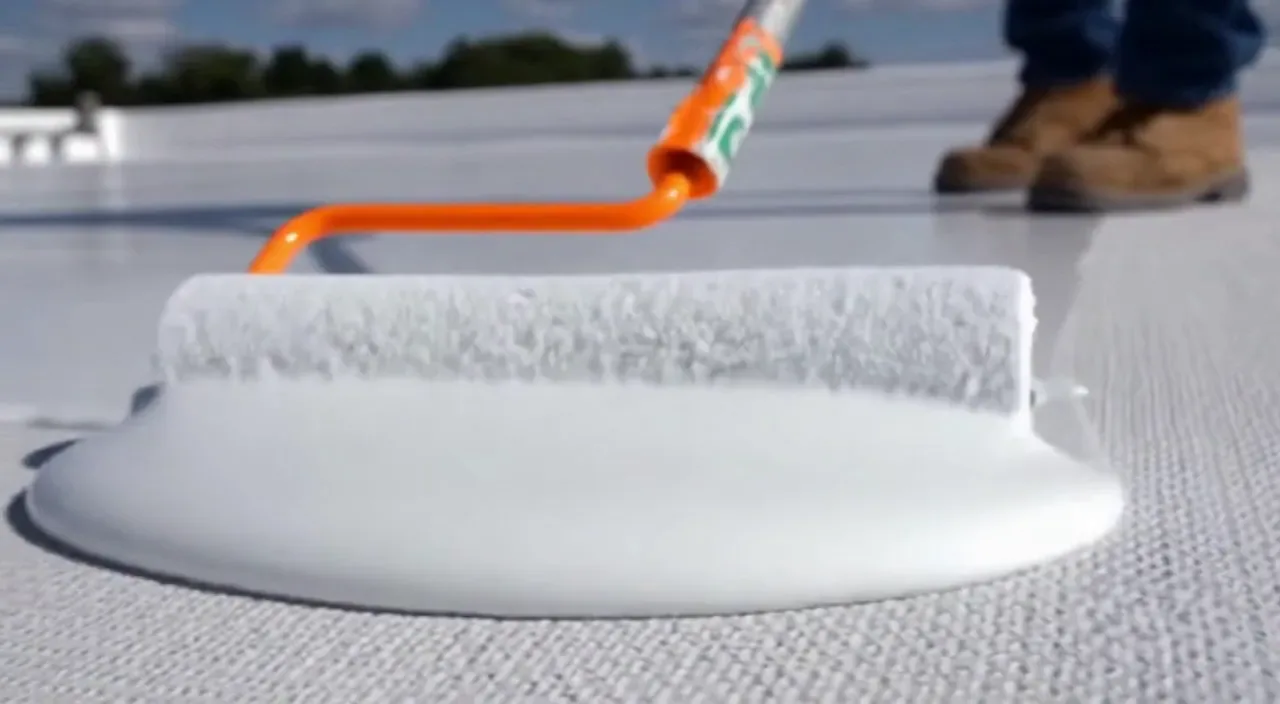
New Haven's freeze-thaw pattern puts low areas and outlet details on the inspection list. We trace where water moves and check drains, scuppers, gutters, and transitions before a new surface is applied. If ponding comes from debris, a damaged connection, or a slope condition, the bid should separate that item from coating work.
Coating must not close a drain opening or conceal a failed flashing connection. We mark outlet dimensions and inspect the surrounding material so the finished surface leaves water a clear path. Where a drain needs correction, a drainage repair can be sequenced before coating. A moisture survey or test cut can help set removal limits if wet insulation could remain below the surface.
Flashing and reinforcement details
Curbs, pipes, walls, roof edges, and equipment supports create the transitions where a coating scope needs precise boundaries. We examine existing flashing and identify whether it is secure, compatible, and suitable for reinforcement. A coating layer may be part of a flashing detail, but it should not stand in for a loose termination or a component that needs replacement.
Coastal storm exposure gives another reason to look at exposed edges. During Sandy, Madison in New Haven County recorded a severe gust. We check the building for movement at coping, corners, and terminations, then describe any work supported by the current condition. If metal needs replacement, a perimeter detail scope can coordinate that work with the application plan. The general contractor should know which trade completes each transition and when the coating crew can begin.
Application window and work phasing
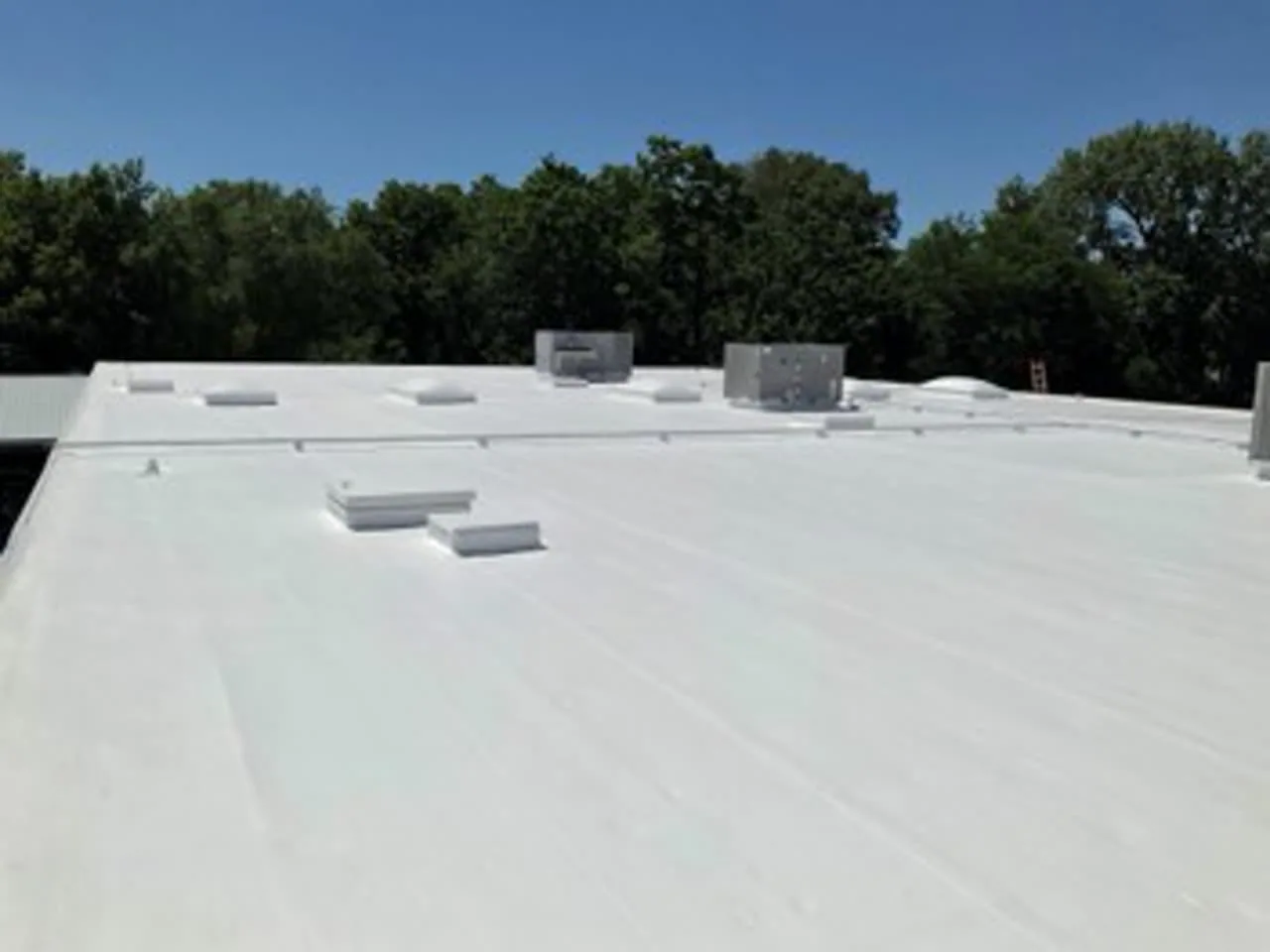
Water-based acrylic products require appropriate surface and weather conditions during application and cure. We identify the forecast window used for planning, the roof area that can be closed each shift, and protection needed at open edges. If rain or unsuitable conditions interrupt the sequence, the daily stopping point and temporary closure should already be defined.
New Haven and East Haven include commercial, manufacturing, and distribution uses where equipment access and loading can affect the work zone. We coordinate roof hatch access, material staging, mechanical work, and any area below that needs protection. A phased plan states which roof zones will remain unavailable and what check allows a completed area to return to service. A roof inspection can document surface readiness and open repair items before the scheduled application.
Application coverage also needs to be coordinated with roof geometry. Changes in elevation, curbs, and parapets can interrupt a broad field pass and require detail work before the main surface is coated. We note those interfaces on the roof plan and identify where reinforcement or a separate flashing material belongs. If a mechanical crew is scheduled on the same roof, access to the equipment base should remain available until that connection is complete.
Acrylic coating work should not start before the surface and forecast fit the product requirements. We coordinate cleaning, drying, repairs, and application so an unready area is not coated simply to keep the crew moving. The general contractor can use those hold points to arrange access and confirm that another trade has finished. This protects the phasing decision and makes the completed limits easier to document at closeout.
Application record and future review
The closeout file should identify product, preparation, test areas, repairs, application limits, and conditions left for monitoring. Photos show the roof zone and the details where the coating meets drains, walls, and equipment. We record the areas excluded from the work so a later inspection does not assume uniform application across the entire roof.
A maintenance record can also show how the roof changes after seasonal exposure. We keep repair locations, coating boundaries, and access limits together so the next bid can compare the same areas. A condition report supports that review. For a project in New Haven, bring prior coating records, drawings, leak reports, and operating restrictions to a scope review before the contractor commits to application quantities.
Questions Owners Ask
Is acrylic coating suitable for every commercial roof?
The existing material, moisture, drainage, adhesion, and application conditions need review before selection. We inspect the surface and test compatibility where appropriate. The proposal identifies the accepted substrate and any repairs or exclusions rather than assuming every roof zone can be coated.
What should be repaired before applying acrylic coating?
Loose coating, open flashing, damaged membrane, wet material, and drain problems should be evaluated before application. We mark each correction and sequence it with the coating crew. That keeps surface renewal separate from conditions that require a deeper repair.
How does a New Haven winter affect an acrylic roof coating?
Freezing nights make drainage, terminations, and low areas useful priorities for review. We document the existing roof and identify what needs correction before coating. The climate guides inspection focus, while the actual assembly sets the work boundary.
How do weather windows affect acrylic coating installation?
Surface moisture, temperature, and the product's application requirements affect when work can proceed. We set a phase plan, identify a daily closure point, and coordinate temporary protection if conditions change. The general contractor can then plan access and adjacent trades around the application window.
What information should the coating bid include?
Preparation, test patches, repair limits, drains, flashing, application areas, cure periods, and access controls should be stated. We identify what existing material remains and where concealed conditions may change the scope. Those details support an apples-to-apples proposal comparison.