
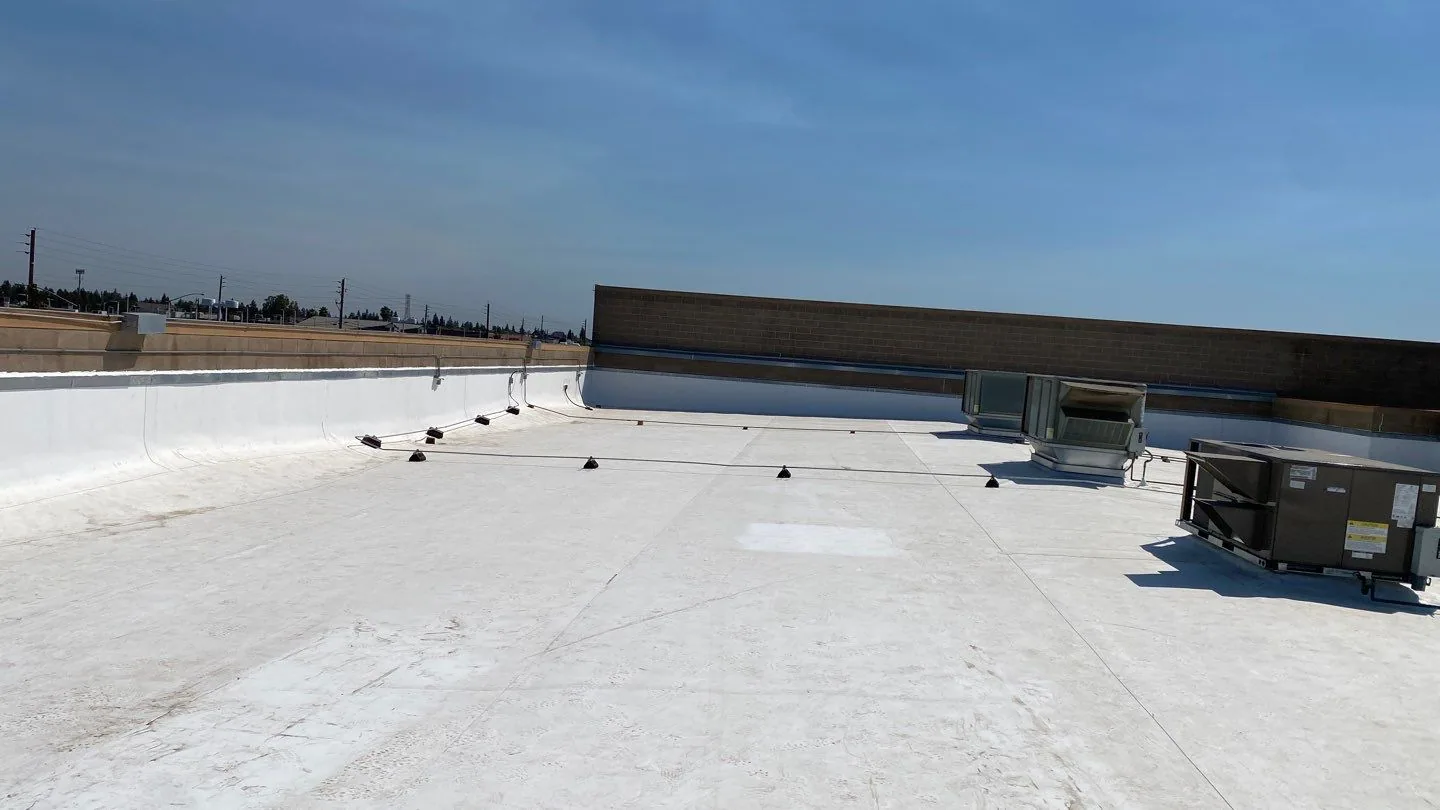
Carlisle SynTec Roofing in New Haven, CT
Carlisle SynTec Roofing
Assess Carlisle SynTec roof repair or replacement in New Haven, CT. Identify the membrane, inspect seams and transitions, and plan occupied-site work.
A Carlisle label can refer to more than one membrane type, so the first decision is identifying the roof that is actually installed. New Haven’s winter freeze-thaw cycle makes seams, wall transitions, and drainage details useful inspection points before a repair scope is priced. We compare roof records with field conditions and note where the assembly needs further confirmation. Work planning also depends on access, equipment, and activity below the roof. For a general contractor, the useful output is a clear condition record and a scope that separates membrane work from substrate or drainage corrections. Start with a roof inspection and condition review, then compare the roof with EPDM system requirements or the installed thermoplastic assembly.
Different membranes, different details
Carlisle SynTec offers several commercial membrane families, including Sure-Weld TPO, Sure-Seal EPDM, and Sure-Flex PVC. TPO and PVC seams are heat-welded, while EPDM seams use compatible tapes or adhesives. The surface, flashing materials, and repair procedure must match the assembly. A product family name alone does not establish whether a roof can take a new overlay or whether the existing membrane has reached a repair threshold.
We begin with the property file, available installation records, and visible seam and flashing details. If records are incomplete, we document that limitation and identify the inspection needed to resolve it. Prior patches matter because they may cover a seam, change a lap, or introduce a different material. A transition between different roof sections also deserves its own note. Compare those observations with GAF commercial membrane options and the Johns Manville system range only after confirming that proposals address the same deck, insulation, and edge scope. A system comparison has value when it keeps these conditions consistent instead of assuming that two product descriptions mean two equivalent bids.
What the perimeter tells us
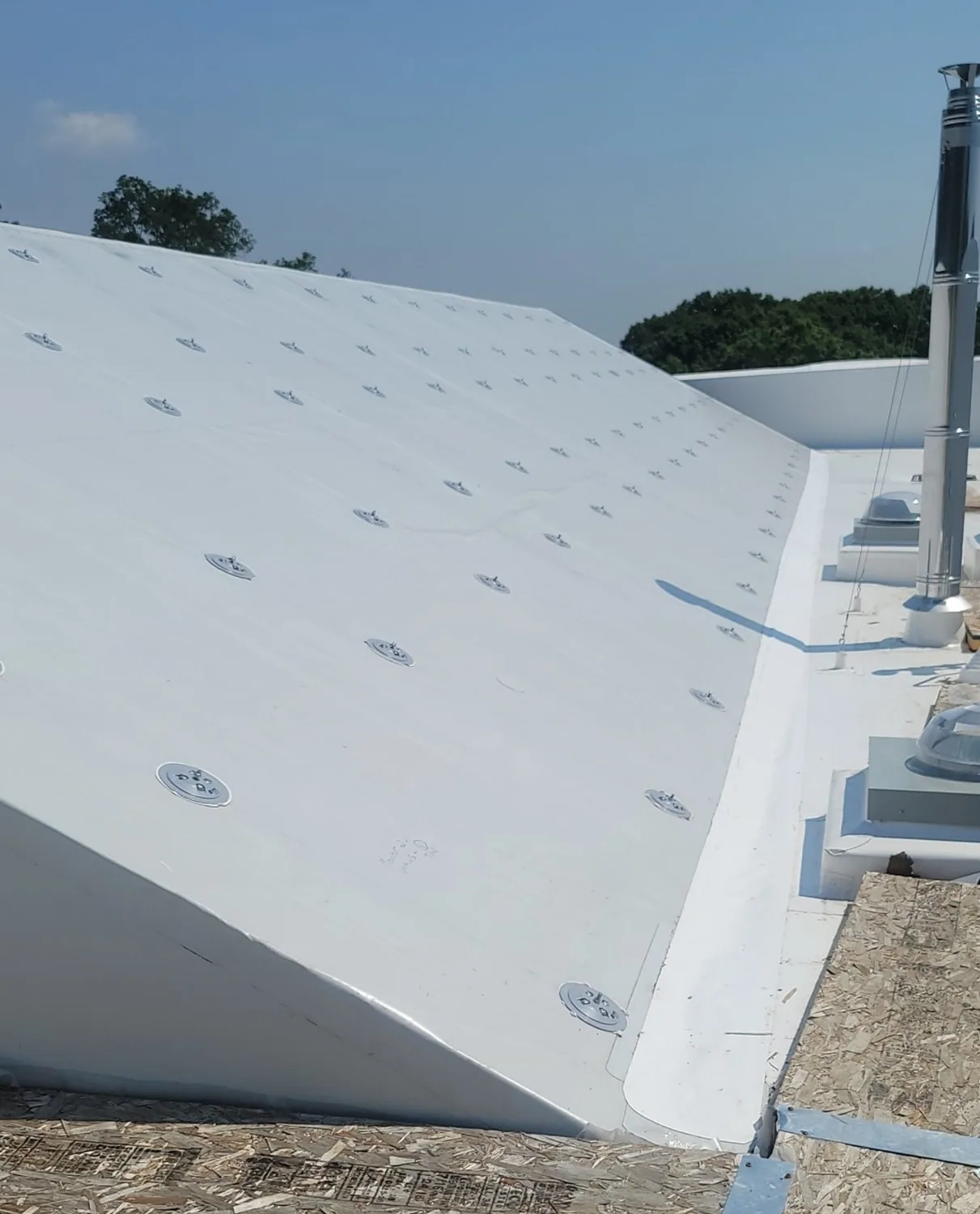
Madison recorded a severe wind gust during Sandy, showing that strong coastal wind is part of the wider county’s weather history. It puts perimeter details on the inspection list after strong coastal wind. It gives a reason to include the roof perimeter in a careful review, especially corners, edge metal, and attachment where the membrane turns up or terminates. We photograph accessible details and distinguish loosened components from staining or sealant that may be unrelated.
On a Carlisle system, a field seam can remain intact while a termination or flashing transition needs attention. The repair scope should identify those conditions separately. We check whether metal is secure, whether a membrane turn-up remains bonded, and whether water can pass behind a counterflashing. For replacement, a coping and edge-metal scope should coordinate with the selected membrane. A line item that only names membrane area leaves an important portion of wind and water control unclear.
Drainage under changing temperatures
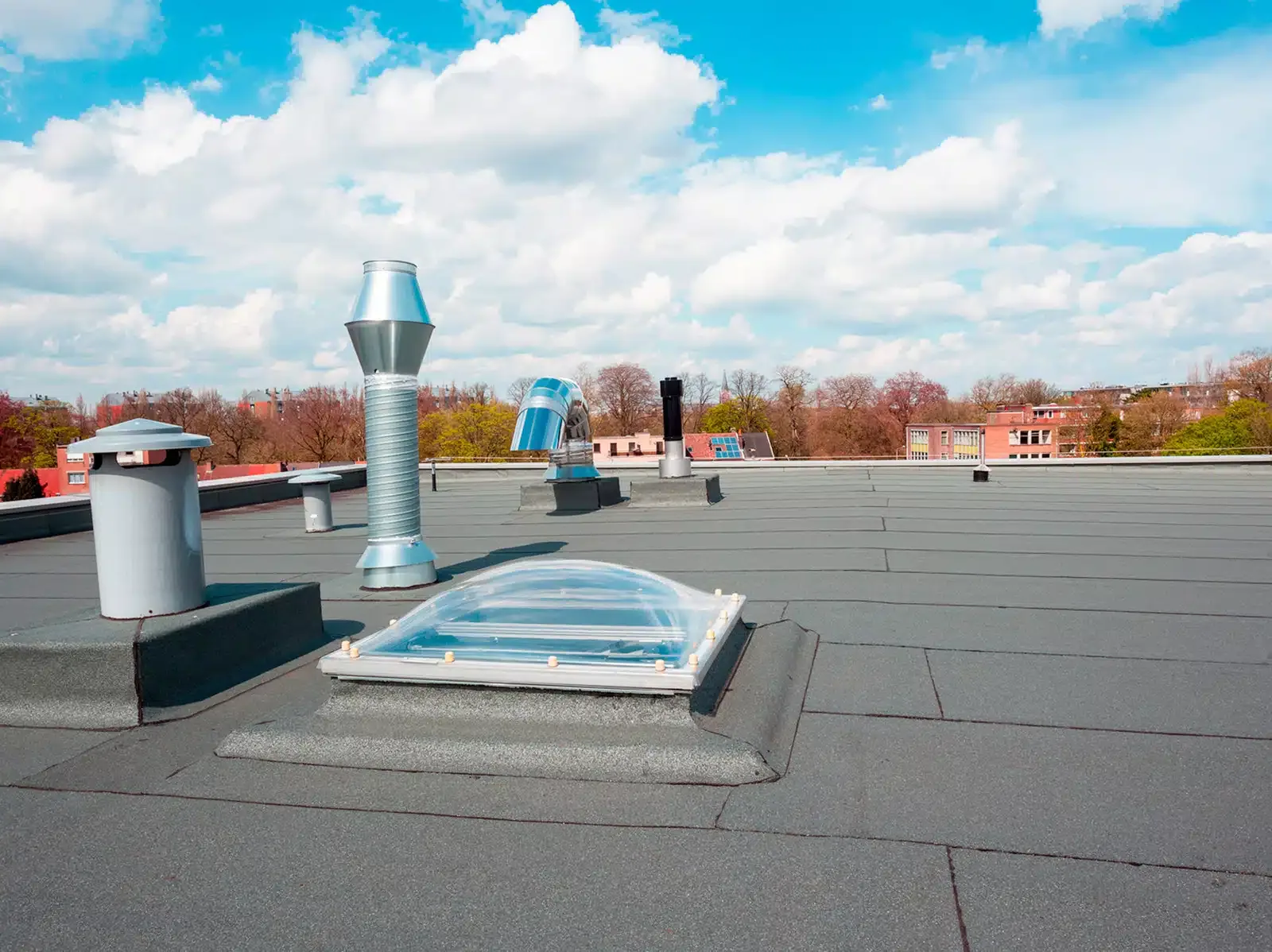
In New Haven, overnight freezing is common enough to make drainage history relevant to seasonal planning. Water that remains around a drain, curb, or low seam can freeze, thaw, and return to the same detail repeatedly. We check outlet condition and trace the flow path rather than treating a stain as proof of a single cause. The inspection notes where standing water was observed, whether debris limits flow, and how each low area relates to a seam or penetration.
A membrane repair and a drainage correction solve separate conditions. We can define the compatible Carlisle flashing or seam repair while also identifying a blocked outlet, damaged drain bowl, or area that needs design review. The bid should show the quantities and sequence for both. Link a membrane decision to a roof-drain assessment when the observed flow path points to more than one work item. A written boundary helps the GC compare proposals without assuming every contractor included the same correction.
Repair, recover, or replace
The condition below the visible sheet can change the right option. We review core information, repair history, and any signs of soft substrate or recurring moisture. If the field is sound and failures stay localized, a matched repair may be practical. If moisture extends beneath the membrane, or several seams and flashings are failing, a patch-only approach can leave related defects in service. We state what is confirmed and where additional investigation would change the recommendation.
Recover work also depends on assembly compatibility, drainage, and the condition of the existing roof. It should not bury wet insulation, loose attachment, or a deck concern. A roof recover review can compare overlay limits with selective removal or full replacement. The report should connect each option to its assumptions, disposal requirements, and access needs. For industrial and institutional properties, that makes the capital choice easier to coordinate with operating schedules.
Sequencing around daily use
New Haven’s reported business mix includes manufacturing, health, education, and services, and those uses bring different constraints to the roof. We identify delivery access, rooftop equipment that remains active, work hours, and the spaces under each phase. A clinic may need protected entrances while a manufacturing property may need lift timing coordinated with production. We plan from the actual site conversation and do not assume that one access arrangement fits every building.
Each phase needs a defined area, a weather-protection plan, and an inspection before work is concealed. The project schedule can name the lift window, temporary dry-in, debris route, and end-of-shift closeout. A phased occupied-building plan helps the GC coordinate trades and building contacts against those steps. If the roof contains multiple membrane types, tag each work zone so the right Carlisle accessory and repair method reach the intended section.
A scope that stays comparable
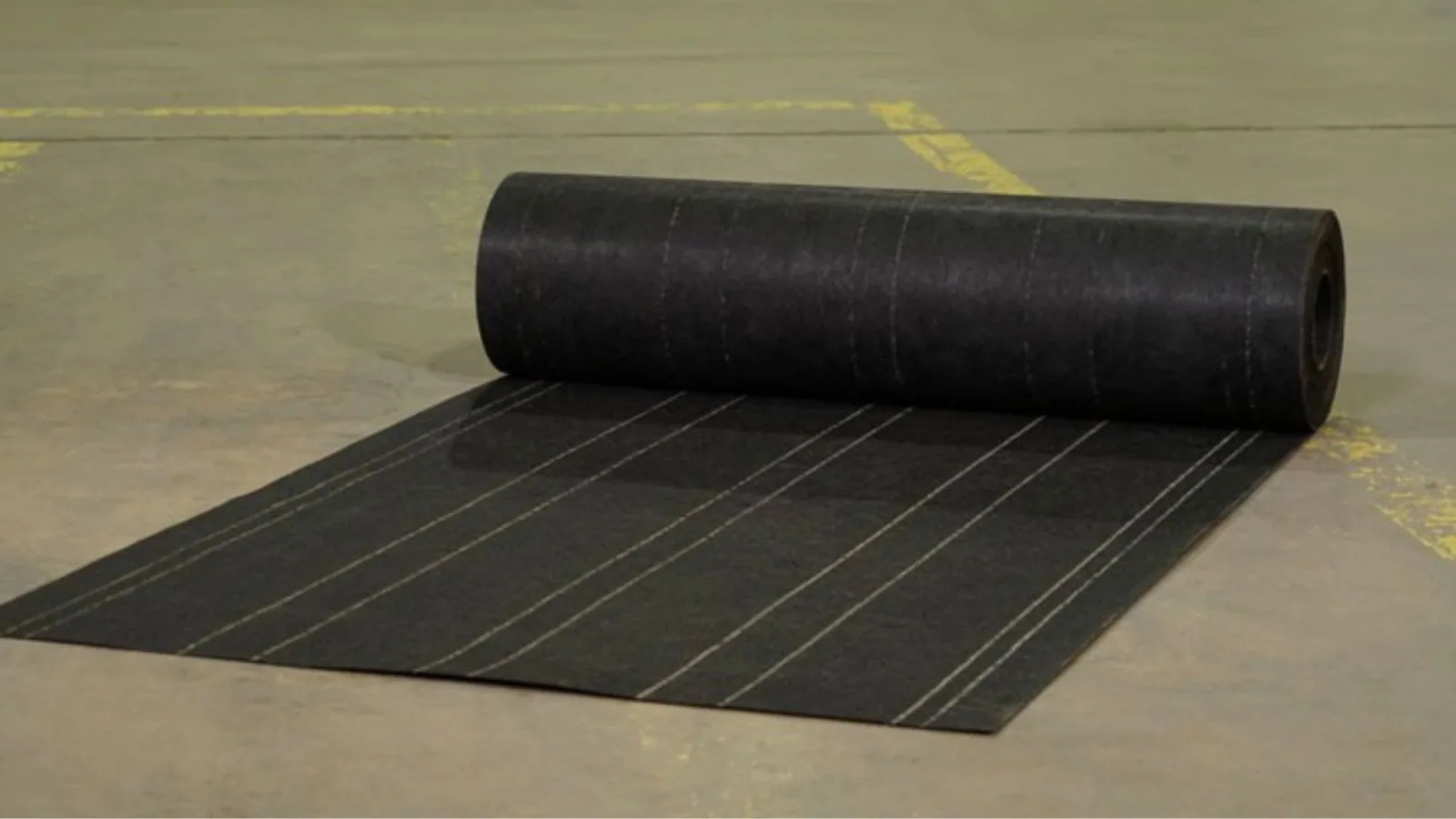
Before comparing prices, place each proposal beside the same roof plan and condition notes. Check whether bids include insulation, cover board, metal, curbs, drains, testing, demolition, temporary dry-in, and disposal. Carlisle material and accessory assumptions should be visible, especially where transitions join different assemblies. A difference in scope can appear to be a price difference until those quantities are aligned. We identify exclusions that could change cost or schedule if concealed conditions appear after work opens the roof.
Keep installation details and later repairs in the roof history. Record the product family, membrane section, flashing work, and date of service, then add dated photos. That makes a future inspection more useful and reduces guesswork at a repair boundary. A condition report with photos can support that handoff and show which assembly areas were reviewed. For a roof in New Haven, regional weather informs access planning, while the building record sets the actual scope at the specific property.
Questions Owners Ask
How do you tell Carlisle TPO from EPDM?
We compare the roof documents with visible membrane characteristics, seam construction, and installed accessories. If the records and field details disagree, we note the uncertainty and identify a suitable test before specifying repair material.
Can one Carlisle product repair another Carlisle membrane?
The product name does not determine compatibility. Membrane chemistry, substrate, surface condition, and detail design control the repair method, so we confirm the installed assembly before selecting accessories.
What makes a recover unsuitable?
Wet insulation, weak attachment, poor drainage, or a compromised deck can make an overlay carry defects forward. We document those conditions and compare selective removal or replacement when they are present.
How should the work be scheduled for an active property?
Set the work zone, access window, material lift, daily dry-in, and inspection points before mobilization. We coordinate those limits with the general contractor and the building contact.