Versico Commercial Roofing in New Haven, CT
Versico Commercial Roofing
Assess Versico roof repair and replacement in New Haven, CT. Match the installed membrane to seam, drainage, edge, and occupied-building needs.
Versico’s membrane families use different seam methods, so a repair decision starts by identifying whether the roof is TPO, PVC, or EPDM. New Haven’s freeze-thaw exposure makes drainage and low transitions useful to document alongside the membrane. We compare records with visible seams, flashings, and past patches, then define what the inspection confirms. For a general contractor, that evidence can prevent a product substitution from obscuring a different repair boundary. Operating schedules matter too, particularly across manufacturing, medical, education, and office buildings. Bring the available roof history to a commercial roof inspection, then review the installed assembly against the appropriate membrane system requirements.
Match the work to the membrane
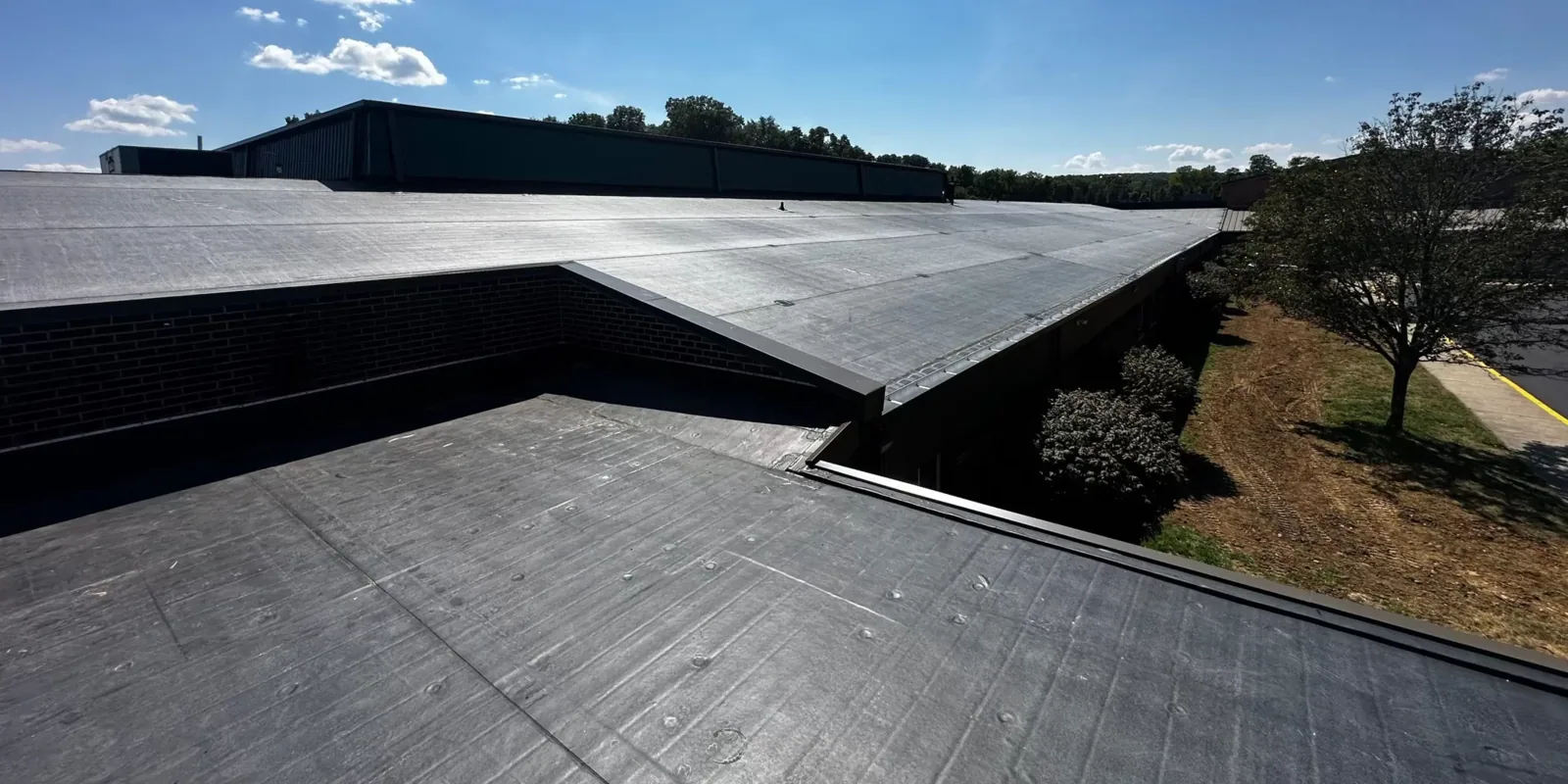
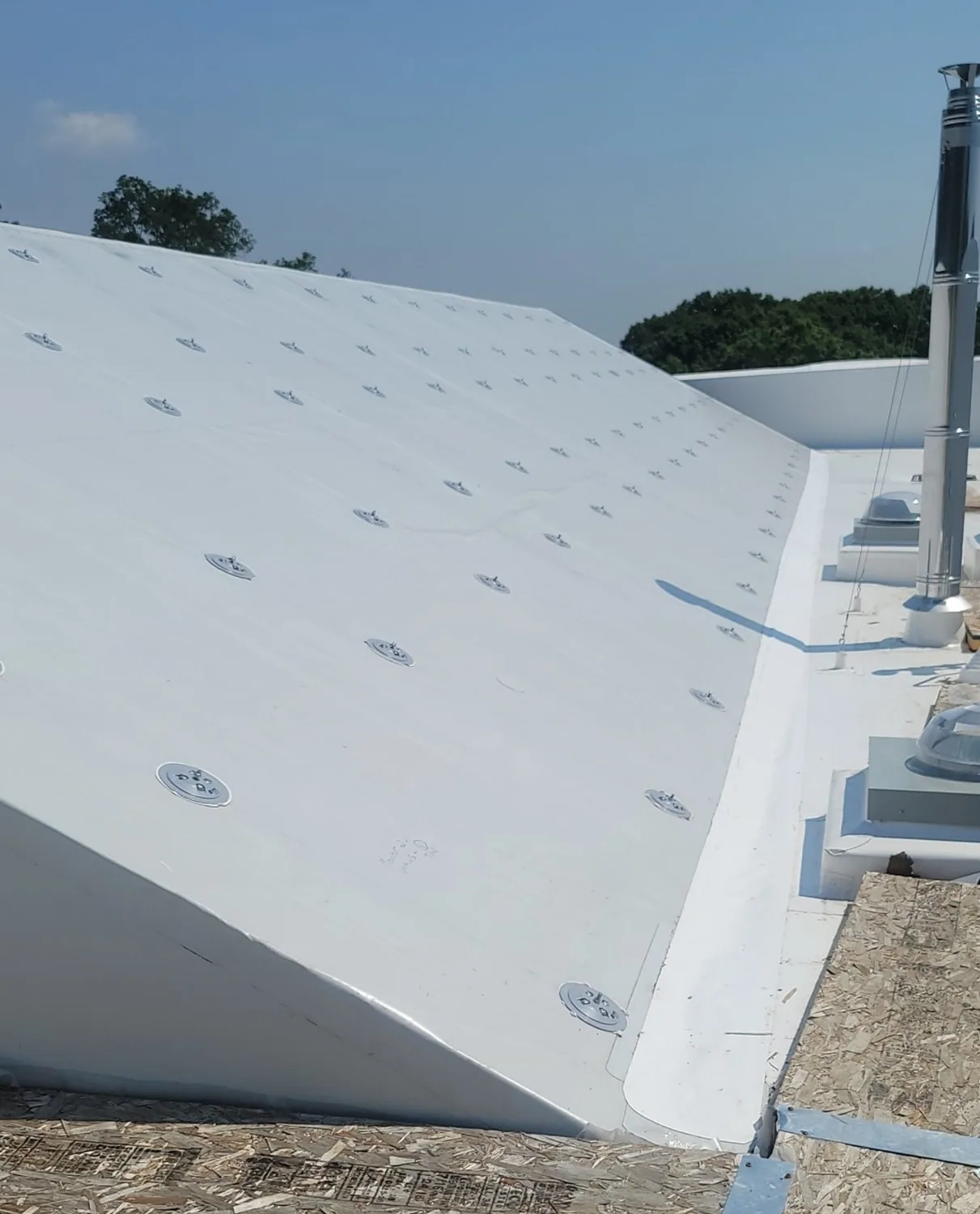
Versico offers VersiWeld TPO, VersiFlex PVC, and VersiGard EPDM commercial systems. Thermoplastic laps are welded; EPDM seams rely on compatible primer, tape, and flashing components. The repair materials, surface preparation, and transitions must fit the installed system. We examine the roof record and visible construction before naming a patch method. A section that has been resurfaced or repaired in the past may not follow the original product detail, so we verify at the work location.
Where multiple membrane types meet, define the transition instead of carrying one repair detail across the whole roof. That is especially relevant to additions, equipment zones, and separate roof elevations. Product literature can inform the accessory choice after the assembly is known. A comparison with Sika Sarnafil PVC or Duro-Last PVC may help frame replacement alternatives, but the proposal should retain common quantities and include the same curb, drain, edge, and insulation scope.
Inspect seams and service details
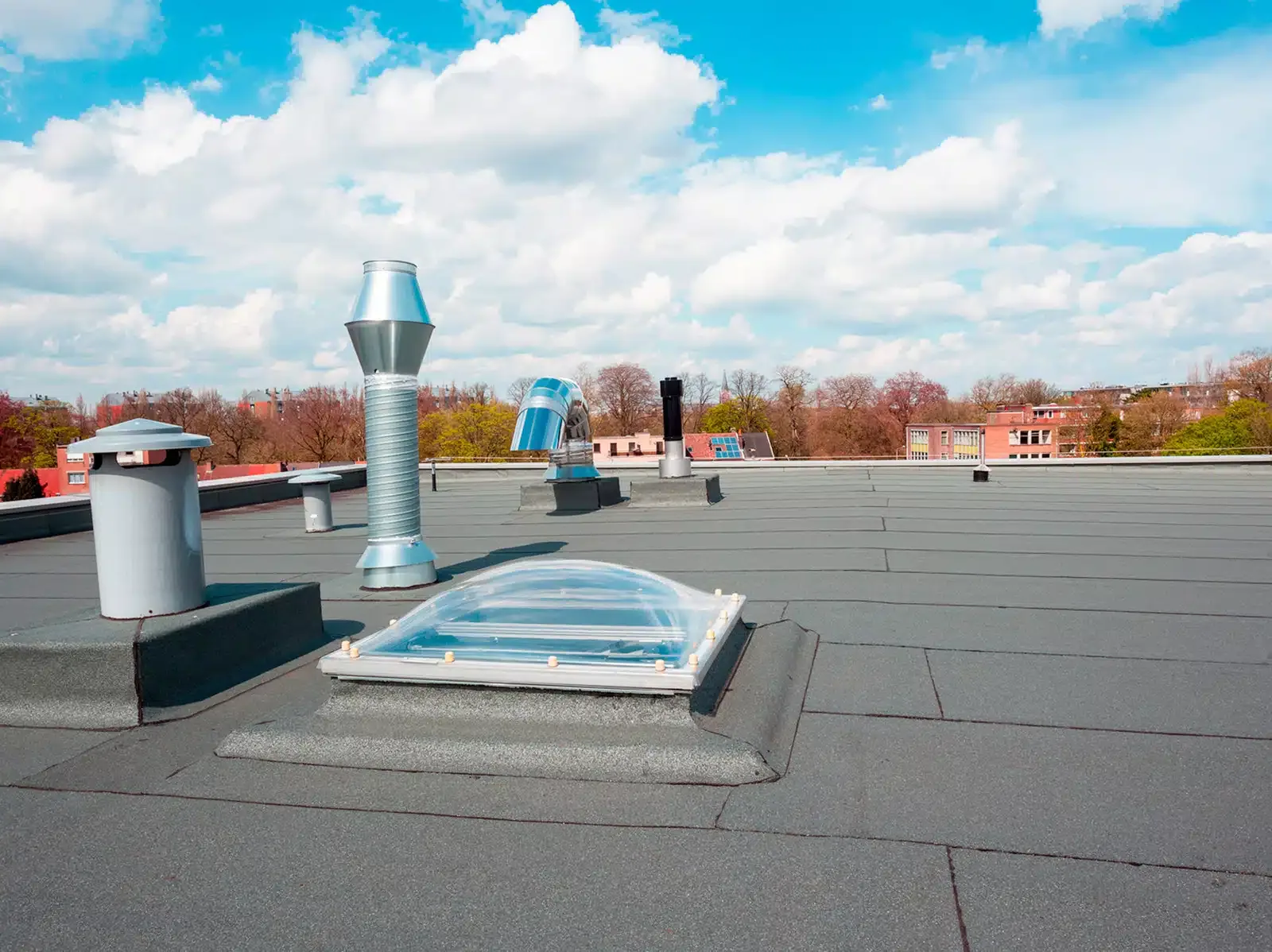
Seams deserve a close look at intersections, corners, and areas with repeated service traffic. We inspect separation, contamination, fish mouths, old patches, and changes in lap width. At a curb, we follow the membrane up the side and under its counterflashing. Around a pipe, we check the boot, clamp, and surrounding sheet. These observations show whether the failure is a single opening or part of a pattern that crosses several details.
Repair notes should record preparation and the method used to reconnect the membrane. A weld repair needs suitable conditions and clean thermoplastic material; an EPDM detail needs the correct primer and compatible seam tape. We state how a test or field sample will be handled if it affects production. Related equipment details should be identified before a broader membrane scope is finalized. Clear limits also help keep later service work from disturbing the repaired area.
Perimeter checks after coastal wind
Madison recorded a strong wind gust during Sandy, a regional event that supports attention to perimeter details in New Haven County. The Madison gust keeps New Haven County perimeter attachment on the inspection list after severe wind. We inspect the corners, edge metal, terminations, and attachment points that can admit wind-driven rain if they are loose or open. Photos show the affected component and the adjoining assembly, while the report distinguishes observed movement from an area that simply needs monitoring.
A replacement bid should pair the Versico field membrane with secure edge transitions. If metal is being retained, the scope should state how it will connect to the new sheet. If it is replaced, list the profile and attachment assumptions from the project documents. The edge-metal portion should be reviewed with other exterior work so wall and parapet transitions remain continuous. A useful estimate includes corners and terminations rather than treating the roof as one uninterrupted membrane area.
Separate a leak from a low spot
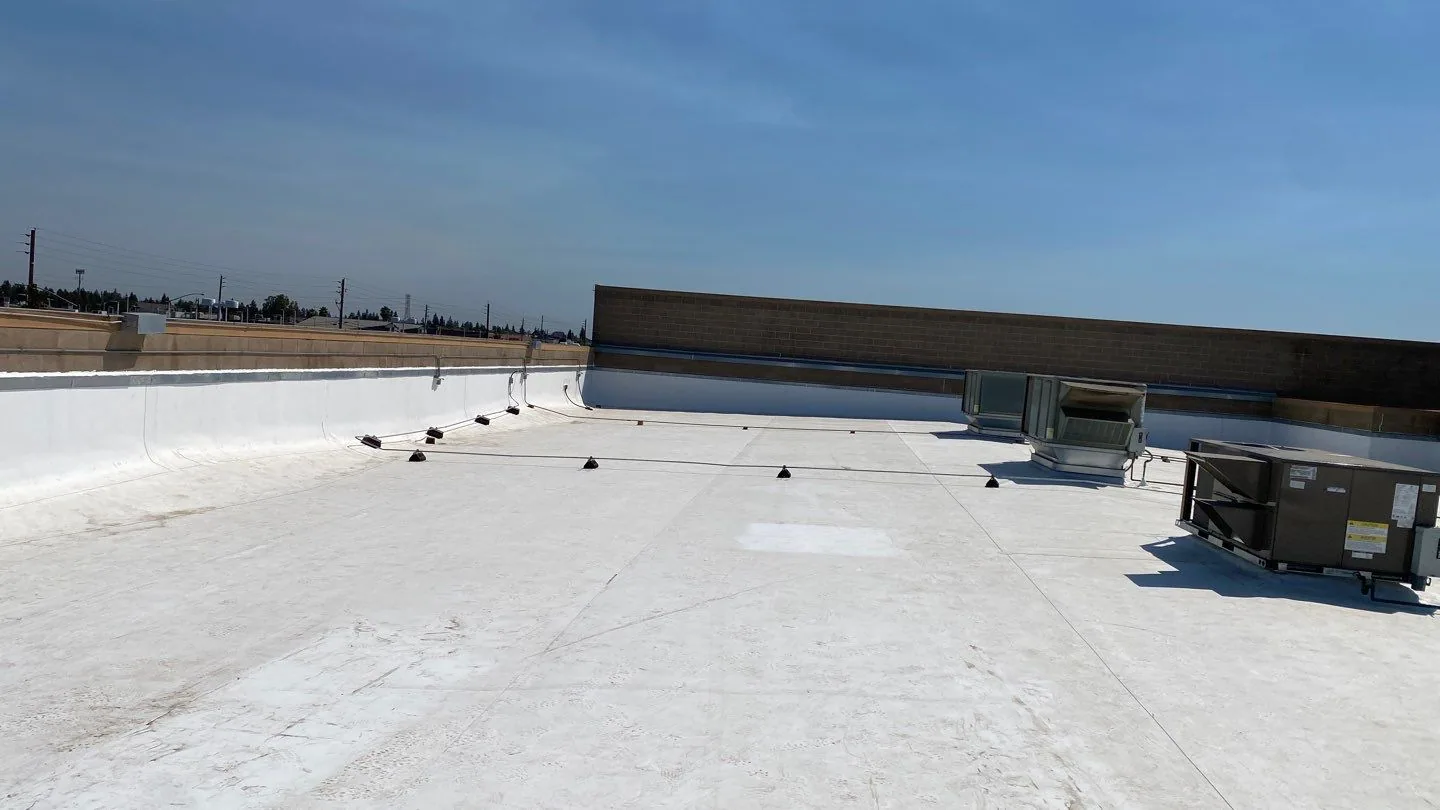
New Haven’s weather normal includes many overnight freezes, which makes the condition of drain paths worth recording. We check whether runoff reaches the outlet, whether debris blocks the strainer, and whether water collects beside a seam or penetration. Those observations help explain why a leak may recur after a surface patch. We note the water path observed at the roof rather than infer it from climate alone. A Diligence Notes should describe the water path that was actually observed.
If the membrane is open and the drain is clear, the scope may focus on the seam or flashing. If water remains because the outlet or slope is impaired, that item needs separate correction. We price the membrane repair and drainage work as distinct tasks, then show the sequence for closing each. Add a drainage evaluation when the inspection identifies a restricted path. This gives the owner a choice between a leak response and the additional work needed to reduce recurring water exposure.
Set a boundary for each option
Repair, recover, and replacement estimates need comparable boundaries. We identify which roof zones are included, whether insulation or cover board is replaced, and how demolition, disposal, temporary dry-in, and penetrations are treated. The condition record should support the quantities. If an allowance depends on what is found after opening the roof, say which condition triggers that allowance and how the decision will be documented. That clarity protects both the building budget and the schedule.
When only one Versico section is failing, a localized repair may preserve sound areas. Repeated seam issues or wet layers can justify a wider comparison. A replacement option should explain access and edge work in addition to the membrane. An overlay can be evaluated through a recover feasibility review, but only after the deck, attachment, and drainage have been considered. We explain the tradeoffs in terms of work area, phasing, and future maintenance.
Make the sequence workable
Roof access, lifts, active equipment, and tenant or staff routes affect the order of work. We coordinate those items with the general contractor and property contact before material arrives. New Haven’s mixed commercial base can mean a different access window for a production floor than for an office area. The schedule should identify where crews can stage, which entrances need protection, and how debris leaves the site. Those details keep the planned repair grounded in actual operations.
At closeout, record the Versico membrane family, repaired details, test observations, and photographs by roof section. A maintenance review can note later rooftop work or debris that may affect the repair. In New Haven, regional conditions inform planning; the building file carries observed conditions forward. Keep the date, location, and scope together, so the next inspection can distinguish new movement from the original repair. Identify the roof section by plan or building designation, and retain the material batch and accessory details when available. Those records help a future crew choose a compatible method without disturbing sound membrane unnecessarily. Record any rooftop contractor access after completion so new penetrations or foot traffic can be traced to the right service visit. This can help preserve the repair boundary during the next inspection.
Questions Owners Ask
Which Versico membrane is on my building?
We compare project records with membrane markings, seam construction, patches, and flashing accessories. If those signs do not resolve the type, we identify a test or opening needed before choosing repair materials.
Can a repair use a different Versico membrane?
A different membrane chemistry requires a designed transition and compatible accessories. We document the existing assembly and describe the transition before including a substitution in the scope.
How should repeated leaks be evaluated?
Map each call by roof zone, inspect nearby seams and penetrations, and check drainage. We compare the pattern with earlier repairs to see whether one condition or several are involved.
What should the closeout record contain?
Keep the membrane family, repair materials, test notes, photos, and exact roof section together. Include any condition that was not opened and should be reviewed during future maintenance.