
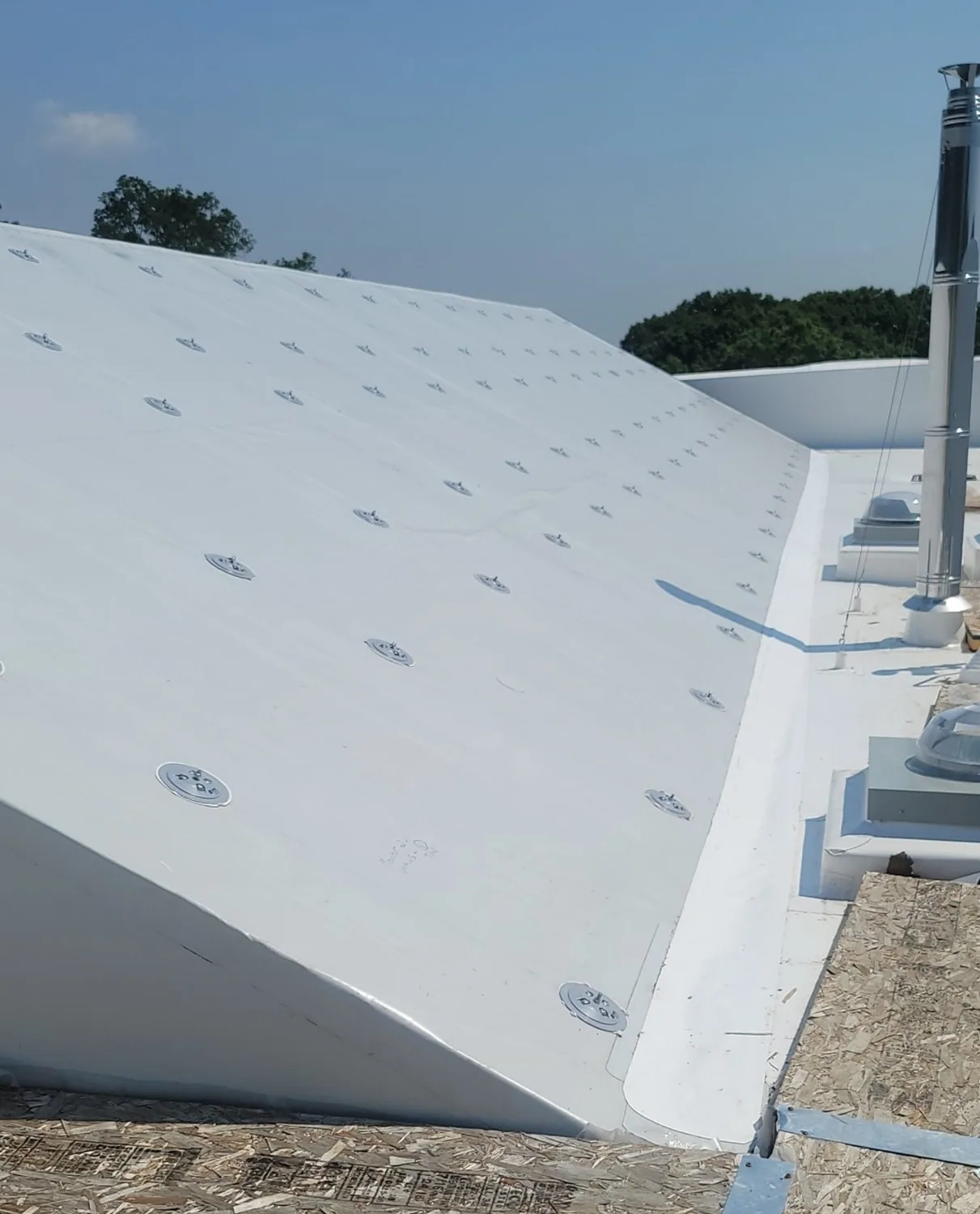
Sika Sarnafil Roofing in New Haven, CT
Sika Sarnafil Roofing
Evaluate Sika Sarnafil PVC roof work in New Haven, CT. Inspect welds, flashing, drainage and edge details before setting repair scope.
A Sarnafil PVC roof depends on sound welds and properly formed transitions, while the rest of the roof still needs to move water. New Haven’s freeze-thaw seasons make drains, curb corners, and edge terminations worthwhile to document before pricing work. We check the membrane and adjacent details, compare them with records, and separate confirmed defects from questions that require a test. That gives a general contractor a basis to compare repair and replacement without treating the product name as a condition rating. Begin with a roof inspection, then align the result with PVC system requirements and any flashing or drainage work included in the bid.
Read the weld, not just the lap
Sarnafil PVC seams are joined with hot air. A reliable field weld depends on clean material, suitable conditions, consistent pressure, and a controlled pass. We inspect representative laps for edge separation, contamination, and patch buildup. Where the condition warrants it, a test weld can help establish whether the surface and working conditions support the proposed repair. A bead of sealant over a seam does not establish that the underlying lap is fused.
Flashing needs the same attention at changes in plane. Curbs, pipes, drains, parapets, and expansion details all have different shapes and movement. We record how the membrane terminates and which accessory is present before specifying a replacement detail. If the existing sheet is degraded or contaminated, the proposal should state the preparation and any test required to proceed. A Versico thermoplastic comparison or GAF membrane review may help examine alternatives, but it should use the same substrate and perimeter assumptions as the Sarnafil scope. For a planned field weld, identify the test area, the accepted result, and who records that result before crews install the remaining laps. This makes the quality step part of the work sequence, with a clear record for closeout.
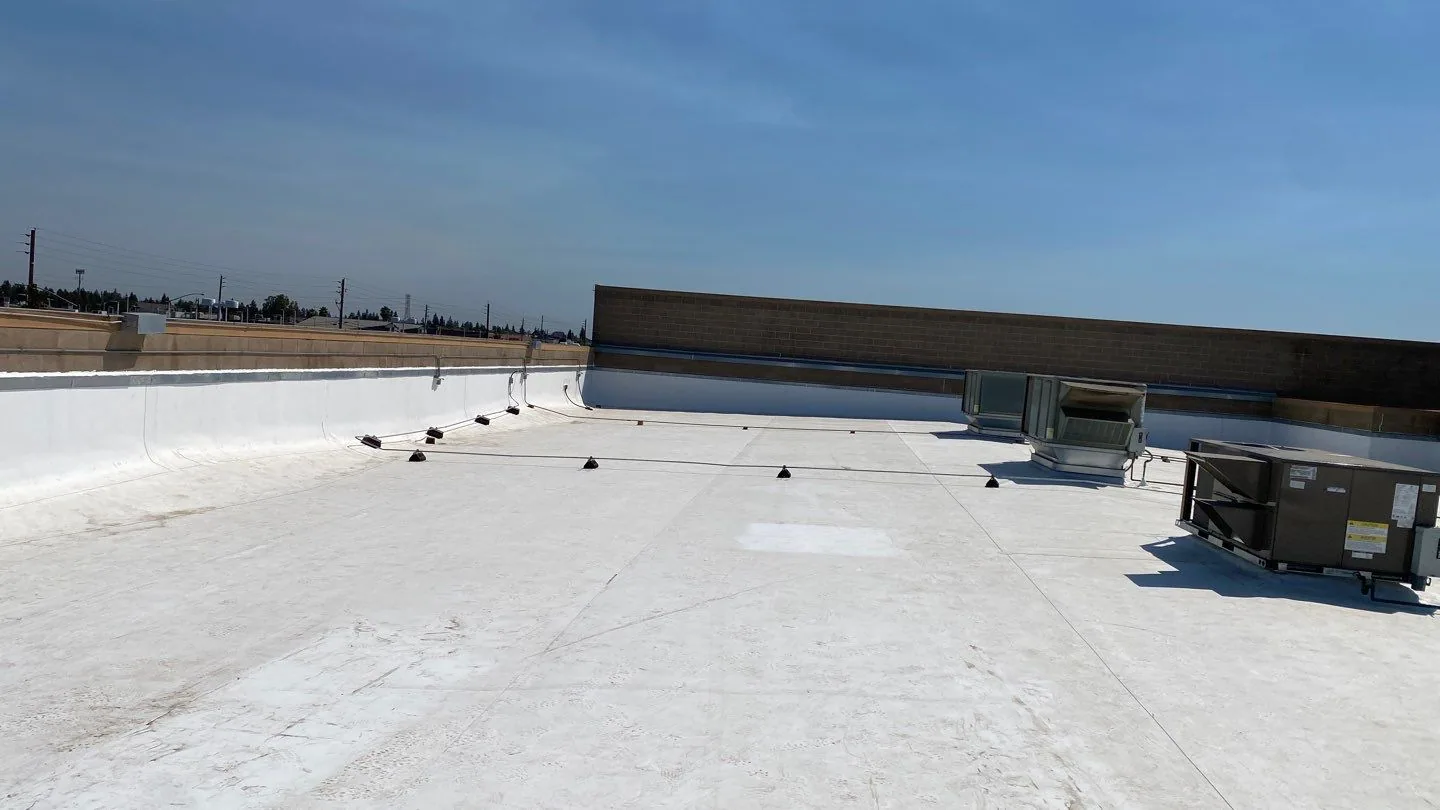
Follow each transition around the roof
A roof’s field can look uniform while its transitions show different repair histories. We walk the perimeter and map changes in membrane, metal, elevation, or attachment. At each curb, the review follows the sheet from the field up the vertical face and beneath the counterflashing. At a drain, it checks the membrane connection and outlet. At a wall, it looks for movement, open edges, or water routes behind the termination. The record distinguishes an isolated defect from a repeated pattern.
New Haven’s commercial properties include industrial, institutional, and office uses, so rooftop equipment and access can vary significantly. We record active units, service walkways, and locations where another trade could affect a flashing. An estimate should include each detail that needs work, its approximate quantity, and the material method. A curb and equipment review keeps mechanical transitions visible instead of hiding them in a broad membrane allowance.
Drainage through winter
Freezing overnight temperatures occur often in the New Haven climate record. That makes low areas and drain paths useful parts of a maintenance review, especially if water remains after ordinary rainfall. We check the outlet, strainer, nearby membrane, and the slope toward the drain. That winter pattern puts low areas and drain paths on the maintenance checklist. Field observations then set the repair boundary for the roof under review.
When water stays beside a Sarnafil seam, the scope should answer two questions: does the seam need repair, and does runoff reach the outlet as intended? We list any membrane work apart from drain adjustment, scupper repair, or a design question about slope. This lets the building owner choose a complete sequence. A linked drain and scupper assessment can establish where maintenance or a separate correction belongs before a new membrane detail is closed.
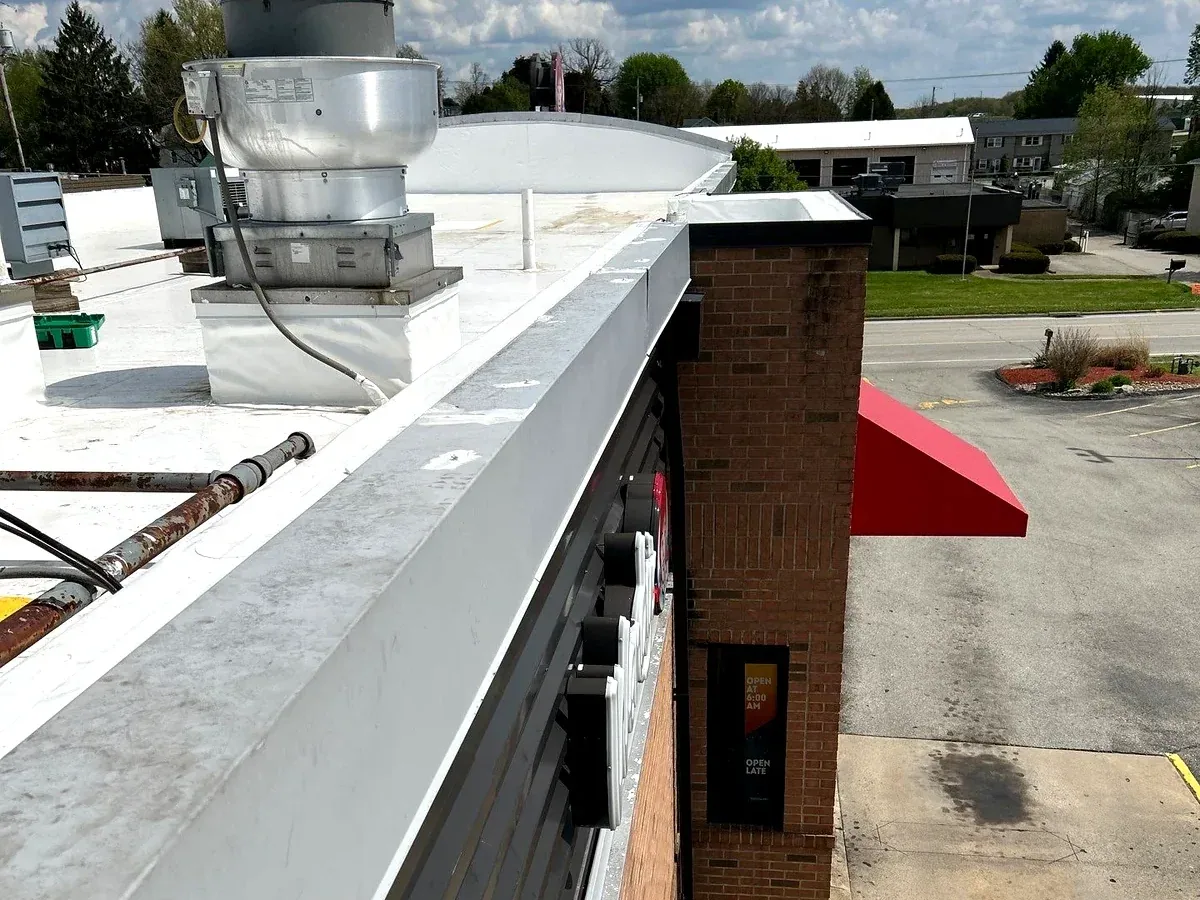
Wind pressure at roof edges
A severe wind gust during Sandy was recorded in Madison, within New Haven County. The event shows regional exposure; it does not identify damage on another property. We use that context to check edge metal, corners, and membrane securement, where pressure can test a termination. The inspection records whether a metal cleat is firm, whether the sheet remains attached, and whether a parapet transition leaves a route for water.
On a replacement, edge work must connect to the selected PVC system and the existing substrate. The scope should identify metal to retain, metal to replace, and how the termination will be secured. If the bid includes only the membrane field, compare it with a separate coping and edge-metal scope before approving a phase. Photos at representative corners and straight runs help the GC understand the quantity and coordinate other exterior trades.
Repair choice and underlying condition
Repair works best when a defect is contained and the neighboring membrane remains suitable for the intended weld. Multiple failures, moisture below the sheet, or a deck concern can change that recommendation. We review service history and existing test information, then describe what additional opening would resolve an uncertain condition. A proposal should not treat visible surface condition as proof that insulation is dry. It should show what the inspection confirms and the limits of that conclusion.
For a wider project, compare selective replacement, recover, and tear-off against the condition of each roof area. An overlay may be possible only when the existing assembly and drainage support it. A recover evaluation can state the prerequisite checks and what would disqualify the option. We also identify disposal, protection, and tie-in work so the general contractor can evaluate cost and sequence on common terms. If one roof section is dry and stable while another needs removal, show each area separately rather than averaging the condition across the whole building.
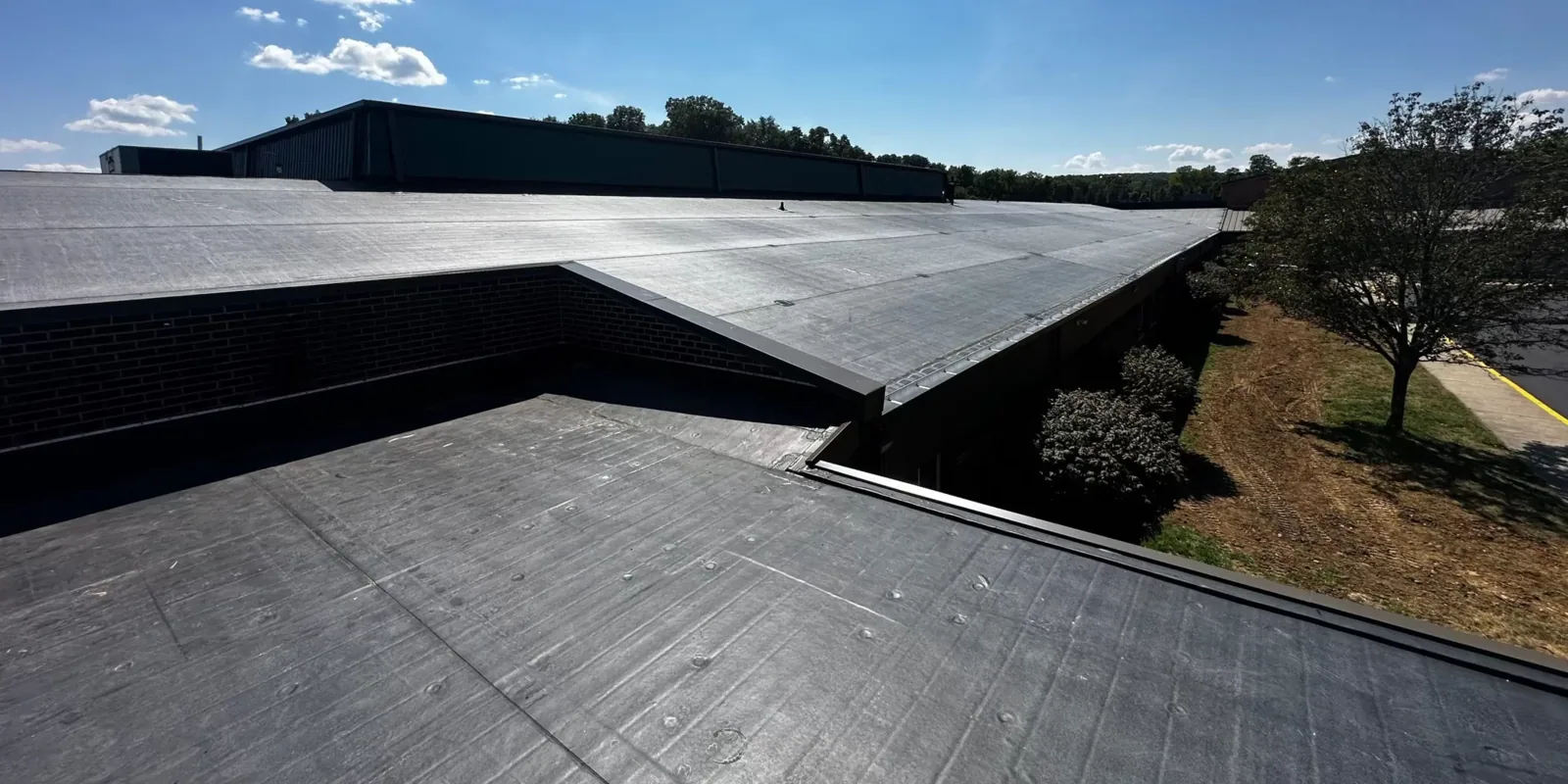
Plan the weld window and closeout
Roofing work needs a window suitable for the material and the building. We coordinate weather, surface dryness, access, equipment use, and work near occupants before a weld begins. If conditions shift, temporary protection should preserve the open boundary until the crew can complete the detail. The schedule should name the area, daily stop line, and check before concealment. That level of planning keeps an interrupted phase from becoming an undocumented repair.
After completion, record the PVC material, seam or flashing work, test observations, and photos by roof zone. A maintenance inspection can revisit these areas after equipment service or other rooftop work. For work in New Haven, regional weather informs logistics, while the project file identifies actual access and roof conditions. That record makes a later repair easier to match to the original assembly. Add the weld date and weather conditions to the closeout records when available. If a later patch changes the original seam, photograph the new material and mark its exact relation to the prior repair.
Questions Owners Ask
How is a Sarnafil weld checked?
We inspect the lap for separation and contamination and, where appropriate, perform a test weld under suitable conditions. The scope records the test area and what the result means for production work.
Can PVC membrane be patched over an older repair?
It depends on the patch material, surface cleanliness, and bond at the surrounding sheet. We identify the layers and prepare a compatible detail, or remove material that prevents a sound transition.
What belongs in a Sarnafil replacement proposal?
The proposal should identify membrane, insulation, flashing, penetrations, edge securement, demolition, drainage interfaces, and temporary dry-in. Clear quantities make alternative bids easier to compare.
When should the weld work be rescheduled?
Wet, contaminated, or unsuitable surfaces can prevent dependable welding. We protect the open area and resume when the surface and weather permit the specified installation procedure.