

Commercial Roofing in Guilford, CT
Guilford
Commercial roofing in Guilford for shoreline, agricultural, and manufacturing properties. Review drainage, edge conditions, repair limits, and work sequencing.
Guilford, CT combines an established shoreline setting with agriculture and manufacturing in its commercial activity. Those uses make roof decisions depend on the actual building, not a townwide assumption about assemblies. We map the work area, inspect drainage and perimeter transitions, then connect each condition to access, protection, and the next bid decision. New Haven's coastal climate puts membrane terminations and edge attachment on the roof review list after periods of strong wind.
Sandy produced a documented 85 mph gust in Madison, a nearby New Haven County reference for severe coastal wind. We check Guilford roof edges, coping, and exposed flashing after severe wind, then document any movement before setting a repair scope. It explains why we check edge metal, membrane securement, and roof-to-wall details before setting a repair limit or accepting a temporary patch.
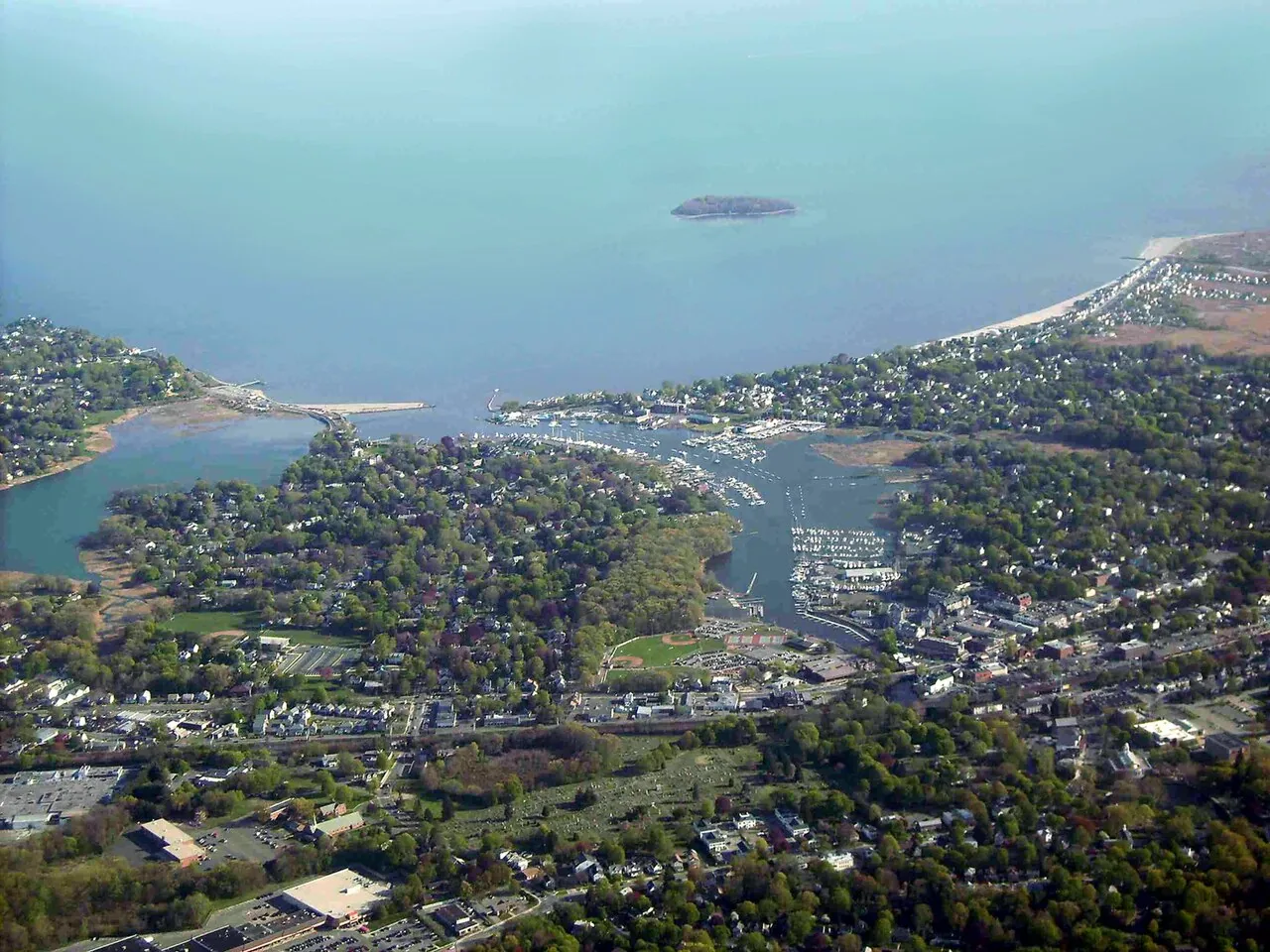
Perimeter details in a shoreline setting
At the roof edge, water and wind meet the details most likely to be interrupted by coping, gutters, parapets, and equipment screens. We look for loose metal, open joints, failed sealant, and membrane that no longer turns up to a sound termination. The condition record identifies where the assembly changes and whether the repair requires fastening, substrate work, or replacement of a larger run.
Guilford combines agricultural and manufacturing activity with commercial property in a shoreline setting. Those facts give the inspection two useful lenses: identify production or storage constraints where they exist, and examine exposed perimeter conditions without assuming one building type. A coping and gutter scope can separate edge work from field membrane repairs.
When an edge opens, wind can lift adjacent membrane and rain can travel behind the visible metal. We trace the water path before sealing the surface, because a bead of sealant cannot correct a loose cleat or damaged substrate. If the connection is hidden, we list the opening needed to confirm its attachment and include the effect on price and schedule.
A first walk that answers bid questions
We begin with the roof plan, prior leak reports, known repairs, and access instructions. The walk checks seams, flashing, penetrations, drains, low points, and the route to each outlet. Photographs carry location notes so a general contractor can line up the observed condition with a bid item. Where an interior report sits away from the roof opening, we record both positions and what investigation could connect them.
Agricultural and manufacturing operations may call for different access windows, deliveries, or protection beneath the work zone. We confirm those requirements with the property contact rather than infer them from the industry label. If a rooftop connection serves process equipment, we assign the disconnect and reset before the roofing detail is opened. The commercial roof inspection can identify the evidence needed for a repair or capital plan.
New Haven's 1991 to 2020 climate normal has a mean annual temperature of 52.0°F and a mean July temperature of 73.9°F, a seasonal range relevant to thermal movement and roof access. In Guilford, we check seams, flashing, and drainage at the property and plan the work window around the roof's condition and building access.
Drainage paths across the roof field
Water held at a drain or low transition can stress a seam long after the rain has passed. We check whether each outlet is clear, whether strainers sit correctly, and whether the roof surface guides water toward the drain or scupper. Ponding tied to insulation or deck movement may need testing before a drain repair can be priced. The location, depth, and duration of observed water belong in the report.
A drain that backs up beside a parapet can send water toward a curb or wall transition. We record the drainage path and distinguish cleaning from membrane or substrate work. A drain and scupper repair addresses the outlet itself; a ponding-water assessment can help define a low area that needs broader correction.
New Haven's winter freezing record makes outlet performance relevant beyond the storm event. Water that remains near a termination may freeze, thaw, and reopen a weak connection. We note whether a temporary clearing can restore flow or whether the next step is a test opening, insulation correction, or planned replacement.
Repair, restoration, or removal
A localized puncture or open lap may be repairable if nearby material remains attached and the substrate is sound. Multiple leaks, recurring patches, broad moisture, or a brittle surface can move the decision toward restoration or replacement. We compare the repair history with current conditions, then state which test or removal limit could change the recommendation. A bounded repair scope should list its preparation and follow-up.
A coating or recover is only useful when the surface and existing assembly support it. We check adhesion, trapped moisture, drainage, attachment, and any roof-to-wall detail that would be buried by another layer. If removal is needed, the estimate should separate deck and insulation allowances from measured quantities. A restoration review or a replacement plan can set those alternatives side by side.
Cost and timing shift with access equipment, removal depth, edge metal, drain modifications, disposal, temporary closure, and work hours. We identify the assumptions behind each bid item so a general contractor can compare proposals by scope instead of by a single total. If evidence remains incomplete, the next inspection step should be priced and scheduled before mobilization.
Access windows and safe daily closure
Guilford connects to passenger and freight routes, but each property sets its own delivery path and approved work hours. We verify where material can be staged, whether a lift blocks a service route, and who can authorize roof entry. Those details shape crew movement and determine which area can be opened during a shift.
For phased work, we set the stopping point before removal begins. The plan names temporary tie-ins, debris control, interior protection, and the condition required before another trade uses the area. Where rain could reach an occupied room, we keep a dry-in step in the sequence rather than treating it as a closeout task. Occupied-building phasing can record that boundary.
Our Guilford scope ties each observed roof condition to a location, access requirement, and repair option. A Guilford roof file pairs dated photos with a drainage map and repair history; the New Haven and Bridgeport files stay property-specific too. Planned maintenance can then close routine items between larger scopes.
Questions Owners Ask
What should a Guilford roof proposal say about coastal exposure?
We describe the inspected edge, attachment, flashing, and drainage conditions, then tie each repair item to a location. Regional storm history can inform the review, but the bid follows the building evidence.
Can a leak near the parapet be sealed from the surface?
A surface patch is appropriate only when the underlying connection is sound. We check the coping, cleat, membrane turn-up, and substrate before deciding whether to reseal, refasten, or open the detail.
How do agricultural or manufacturing uses affect the work plan?
The use may affect access, delivery, equipment coordination, or the time an area can remain open. We confirm those rules with the property contact and place them beside the roof sequence.
When should we consider replacement instead of repeated repairs?
A pattern across several zones, recurring water entry, or damaged substrate can make another patch a poor capital choice. We compare documented repairs with the current examination and identify any test needed first.
What records should accompany a Guilford roof review?
The roof plan, leak log, prior invoices, photographs, warranty documents, and work-hour restrictions help set a useful scope. We note unresolved areas and the inspection needed to price them.