Commercial Roofing in Derby, CT
Derby
Commercial roofing in Derby, CT for telecommunications, retail, and wholesale properties. We inspect drainage and transitions and define each work phase.
Derby's commercial mix includes telecommunications, retail, and wholesale, with different operating patterns to accommodate in a roofing scope. We verify the roof assembly and inspect seams, penetrations, drains, and perimeter details before drawing the repair boundary. New Haven's market-level winter record supports attention to drainage and freeze-thaw exposure, while the Derby property's own inspection determines whether any condition requires work.
For a general contractor, the first useful comparison is scope: which roof zone is included, what preparation is assumed, and what access window keeps the building operating. We record those points with the condition, then separate confirmed repair from a test or decision that may change price or sequence.
Keep equipment and retail access in view
Telecommunications equipment or retail operations may affect roof access, interior protection, and the time available for work. We ask the site contact which service paths must remain open, whether a shutdown is possible, and who can approve temporary protection. The roof report identifies visible cables, curbs, exhausts, and supports so another trade knows where the roofing interface begins and ends.
Wholesale deliveries can also change where material is staged and how debris leaves the property. Derby's commercial activity gives context for those questions, but the loading route and schedule come from the actual site. A roof equipment interface review can document curb and support details; an occupied-site phase plan can set work zones and daily closure expectations.
We state what must happen before a roof section opens and what condition is required before it closes. If equipment or a service line crosses the planned area, the proposal names the responsible trade and the release point. That prevents the membrane repair from being priced separately from the access and handoff that make the detail workable.
Trace the entry path before opening a roof
A leak report starts the inspection; it does not define the repair location. We compare interior notes with roof slopes, drains, seams, wall transitions, penetrations, and prior patches. On retail and wholesale properties, a ceiling mark may be distant from the roof detail that needs attention, so we use roof plans and observations to narrow the path before removing material.
New Haven averages 102.3 days each year when overnight lows reach freezing or below, making outlets, transitions, and drainage practical winter checks across the region. We check strainers, scuppers, laps, and low areas for visible obstructions or damage. A drain and scupper inspection can isolate a water outlet concern from a seam or flashing repair.
If the evidence does not identify the source, we describe what remains unknown and the next useful test. Infrared review, a controlled opening, or a closer check of an adjacent transition may resolve it. We keep suspected causes apart from confirmed work, so a bid includes what the roof actually shows. For active entry, we document any temporary protection separately before pricing the permanent repair.
Set repair and replacement boundaries
A localized flashing failure can be repaired when adjacent material and attachment remain sound. Repeated leakage, separated seams, wet insulation across roof zones, or deteriorated deck can shift the decision to a wider scope. We compare the condition with repair history, identify any test opening that could change the recommendation, and explain why each allowance remains separate from confirmed quantities.
Derby's telecommunications, retail, and wholesale activity can shape access planning; we identify the roof system and condition during inspection. We inspect the assembly before specifying membrane, metal, or coating work. A repair scope for a defined area can address a local defect; a replacement comparison can set removal, insulation, drainage, and edge assumptions if the failures extend beyond that zone.
Roof height, lift access, removal depth, deck condition, insulation, equipment handling, disposal, interior protection, and material staging affect schedule and cost. If a coating or recover is under review, we first confirm attachment, moisture, and surface compatibility. A restoration option should leave a clear limit for the existing assembly and details that will remain. We can compare the options in a condition record that states what each scope resolves and what it does not include.
Use regional connections without guessing at access
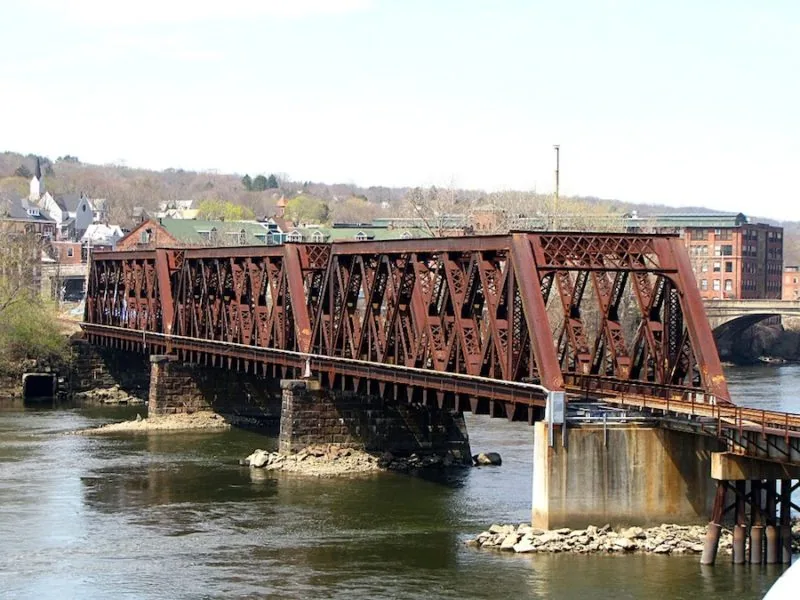
Derby has passenger and freight connections that can inform regional delivery planning. We confirm the gate, service drive, truck route, lift placement, loading hours, security steps, and access to the roof with the site representative. The route and staging plan are agreed before materials move to the roof. The site contact can also confirm truck waiting space and how debris leaves without crossing an active loading route.
The phase plan should keep those instructions with the work boundary. We identify the amount of roof opened, daily dry-in, protection for occupied areas, and who clears equipment or confirms a shutdown. A New Haven roof review can use a consistent record format, while a Seymour roofing scope keeps its own roof and operating conditions on file. The project team can compare details across locations without blending their findings.
If a sudden leak interrupts operations, emergency response is available through the night, on weekends, and during holidays. We document immediate protection and identify the access and approvals needed for permanent repair. The permanent repair still needs a clear assembly identification, access plan, and approval boundary before the next phase is scheduled.
Preserve the work history
A useful closeout describes the roof zone, work performed, materials recorded, photos, and open follow-up items. We label images so the next reviewer can locate each detail and compare it with the original report. Any inaccessible area stays visible in the record, along with the access needed for a future inspection. If removal exposed moisture or damaged substrate, we record the extent and the owner decision.
That history helps a Derby property team distinguish an old repair from a new leak report. Keep the roof plan with invoices, warranty documents, interior observations, and equipment changes. A photo condition report can support later bid comparison, and a roof capital review can help sequence items supported by the record.
Bring the documents and operating schedule to the scope conversation. We can inspect accessible areas, match observations to the plan, and name the inspection or approval still needed. That record gives the general contractor a practical basis for assigning work, setting a closure point, and carrying unresolved conditions into the next budget decision.

Questions Owners Ask
Can a retail or wholesale building stay open during roof work?
The site contact provides operating hours and access rules. We define roof zones, material staging, protection below, and daily closure so the proposed sequence fits the areas that must remain available.
How do telecommunications details affect a repair?
We document visible supports, curbs, cables, and service routes, then identify any shutdown or trade handoff that roofing needs. The equipment's operating requirements come from the property team and remain in the schedule.
Does New Haven's winter data describe Derby's roof?
New Haven's 1991 to 2020 climate normal shows minimum temperatures at or below freezing on 102.3 days each year. We inspect Derby's drains and transitions, then set scope from its assembly and observed condition.
What separates a defined patch from a replacement scope?
A localized failure with serviceable adjacent materials may support repair. Related problems across multiple zones, broad moisture, or substrate damage can warrant a larger assessment, with testing identified where it could change the limit.
What should we document when a repair is complete?
Record the roof zone, preparation, materials, photos, repair boundary, and any item left for monitoring. We include concealed conditions and owner decisions so the next bid review can follow the history.