
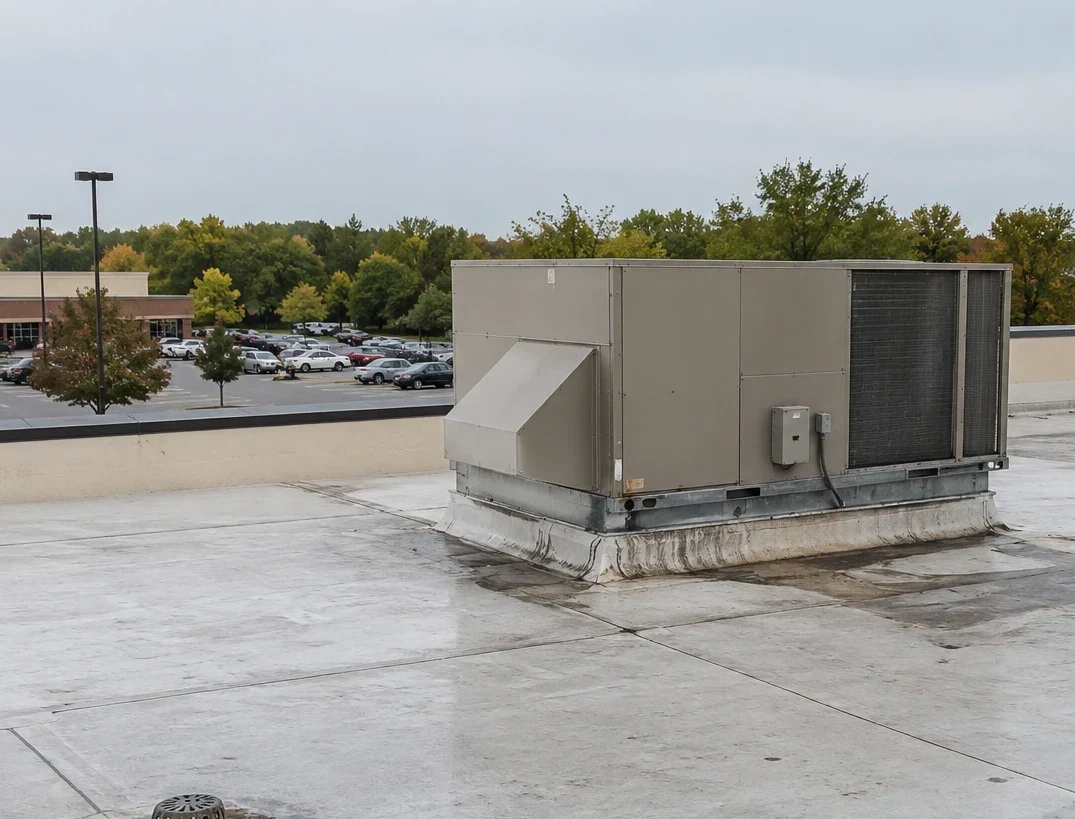
Shopping Center Roofing in New Haven, CT
Shopping Center Roofing
Coordinate shopping center roofing in New Haven with tenant access, storefront protection, drainage, deliveries, and clear repair or replacement limits.
Shared roof sections can send water toward several tenant spaces at once. New Haven's freeze-thaw cycle makes drainage and transitions practical review points before a work phase is scheduled. We map reported conditions to roof areas, storefronts, and loading routes, then give the owner a scope that can be priced without leaving tenant protection or access as an assumption.
Hamden and Branford include retail activity, while New Haven's local mix also includes business services, health, education, and manufacturing. Those municipalities add varied commercial uses to the region. We inspect each center's assembly and coordinate work with its operating calendar. We inspect the actual assembly and coordinate work with the operating calendar for each property.
Keeping storefronts and routes open
Material handling, roof access, and ground-level protection can overlap with customer entrances and delivery lanes. We identify which routes need to remain open, where a lift can be staged, and when noisy work would affect tenant operations. If a storefront must be temporarily restricted, the schedule should show the limit, duration, and alternate path before crews arrive.
Work above a tenant suite requires more than a roof marker. We connect each leak report with the area above it, inspect the membrane and flashing, and note what interior protection is needed. A shared roof plan helps the owner compare open issues by location and keep one tenant's report from being mixed with another's. A condition inspection can support that map with photos and repair history.
Tenant work hours may differ from receiving and maintenance hours. We set delivery and hoisting periods with the property contact, then sequence roof zones around the approved window. If several trades share the roof, equipment curb or conduit work must be ready before the roofing crew closes its detail. A phased occupied-property plan can keep the active area distinct from normal tenant access.
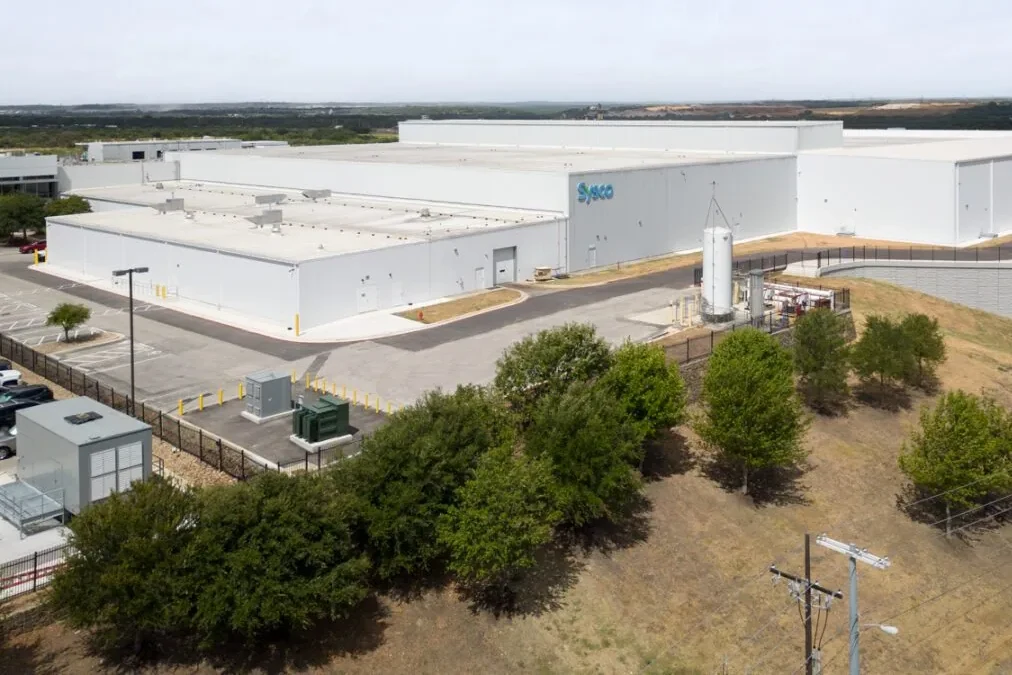
Water movement across connected bays
Long retail roof fields can route water toward a drain far from the point where a ceiling leak appears. We inspect slopes, low areas, bowls, strainers, scuppers, overflows, and transitions between roof sections. New Haven's winter freezes make slow drainage worth addressing before ice and thaw repeat at a weak seam. A drainage scope should identify the outlet and the roof area feeding it.
Canopies, parapets, party walls, and service corridors create additional transitions. We check metal laps, flashing, termination bars, and any patch where one tenant space meets another. If a neighboring tenant reports water, we trace the roof path before assigning a repair area. That matters when a change in roof height directs water into an adjacent bay or wall connection.
After a coastal storm or a fast temperature shift, the owner may receive several reports at once. We record each location and sort roof observations by condition, not by the order calls arrived. Madison's storm history is regional wind context, while each center's examination determines whether edge or membrane repairs are needed. A documented list lets the manager decide which areas need immediate protection and which can be scheduled.
Matching repairs to the lease cycle
A localized repair may fit if the surrounding membrane and insulation remain stable. Repeated leaks or failing details across multiple bays can justify a broader review. We compare the roof record with tenant history and access constraints, then state which areas can be corrected in one visit. A planned repair scope should not hide separate roof areas inside one general allowance.
When replacement is considered, the bid should define tear-off limits, substrate assumptions, insulation, drains, edge metal, temporary tie-ins, disposal, and tenant protection. Before pricing a second-layer assembly, we check existing plies, moisture, fastening, substrate strength, outlet height, and applicable requirements. The replacement option can be timed with lease turnover, a planned renovation, or available capital if those dates are known.
Centers with different tenants may need different notice periods and operating hours. We create phase boundaries that can be communicated to property management and tenants without changing the technical scope. If concealed damage expands the quantity, photos and a location reference give the owner an approval point before additional work begins. This makes a change easier to explain against both budget and lease obligations.
Edges, signs, and shared equipment
Roof-mounted HVAC units, exhausts, signage supports, and utility lines can sit near drains or tenant demising walls. We map those items, check the flashing and support details, and coordinate any move with the trade that owns the equipment. The curb and support review should occur before replacement work closes around a unit that may still shift.
At the perimeter, we inspect corners, coping, cleats, and fascia transitions for movement or open laps. After severe weather, we document visible movement or open laps and price the work supported by the examination. If metal replacement affects a storefront canopy or drainage discharge, those interfaces belong in the drawings and daily access plan.
Large service areas also need coordinated roof access and protection below. We confirm where materials will be staged and how debris leaves the property, keeping customer routes and deliveries in view. Those decisions can alter crew time and equipment needs, so the bid should identify its staging and cleanup assumptions instead of carrying them as an undefined contingency.
A roof file that supports tenant decisions
Closeout should list each repaired bay, drain, edge detail, photograph, and remaining observation item. We tie the record to a roof plan so a manager can connect a later tenant report to the right area. If a repair is temporary or another trade owns an interface, that should appear plainly in the closeout and in the next maintenance review.
For work in New Haven, bring tenant schedules, lease turnover dates, roof plans, and leak logs to the first conversation. A large-format retail roof can share delivery questions, while grocery roof work may require different interior protection. We will set the repair or replacement boundary from the observed condition and the available access window.
The owner can use photos and repair limits to compare bids for separate roof sections or future phases. If one bay remains under observation, we note what would justify a return visit. A clear record supports lease administration and capital timing without treating a tenant complaint as proof of a broader roof failure.
Questions Owners Ask
How can roof work proceed while tenants stay open?
We map work zones, entrances, deliveries, noise limits, and interior protection with the property contact. A phase can proceed when the roof area can be closed safely and tenant routes remain clear. Any temporary restriction should have a stated duration and a person responsible for notice.
How do you handle leaks reported by neighboring tenants?
We compare each interior report with the roof plan and follow drainage paths, demising walls, and transitions above. Photos can show whether reports point to one opening or separate defects. We keep the repair limits tied to confirmed roof conditions rather than assigning all nearby stains to a single cause.
What should a shopping center reroof bid include?
It should state removal limits, tenant protection, staging, material routes, drains, edges, temporary tie-ins, and daily cleanup. We also identify which access windows were used for pricing and how concealed conditions reach the owner for approval. Those details make proposals easier to compare.
Can repairs be scheduled around tenant turnover?
A turnover window can help release a suite or roof access route, provided the exterior work and interior protection are coordinated. We compare the lease dates with the roof condition and the weather period. If a leak is active, temporary protection may be needed before the planned renovation date.
Which nearby market patterns inform this roof plan?
Retail activity in Hamden and Branford contrasts with New Haven's broader business and institutional mix. Winter freezing puts drainage on the review list. The center's own roof plan and tenant schedule determine the scope and phase boundaries.