
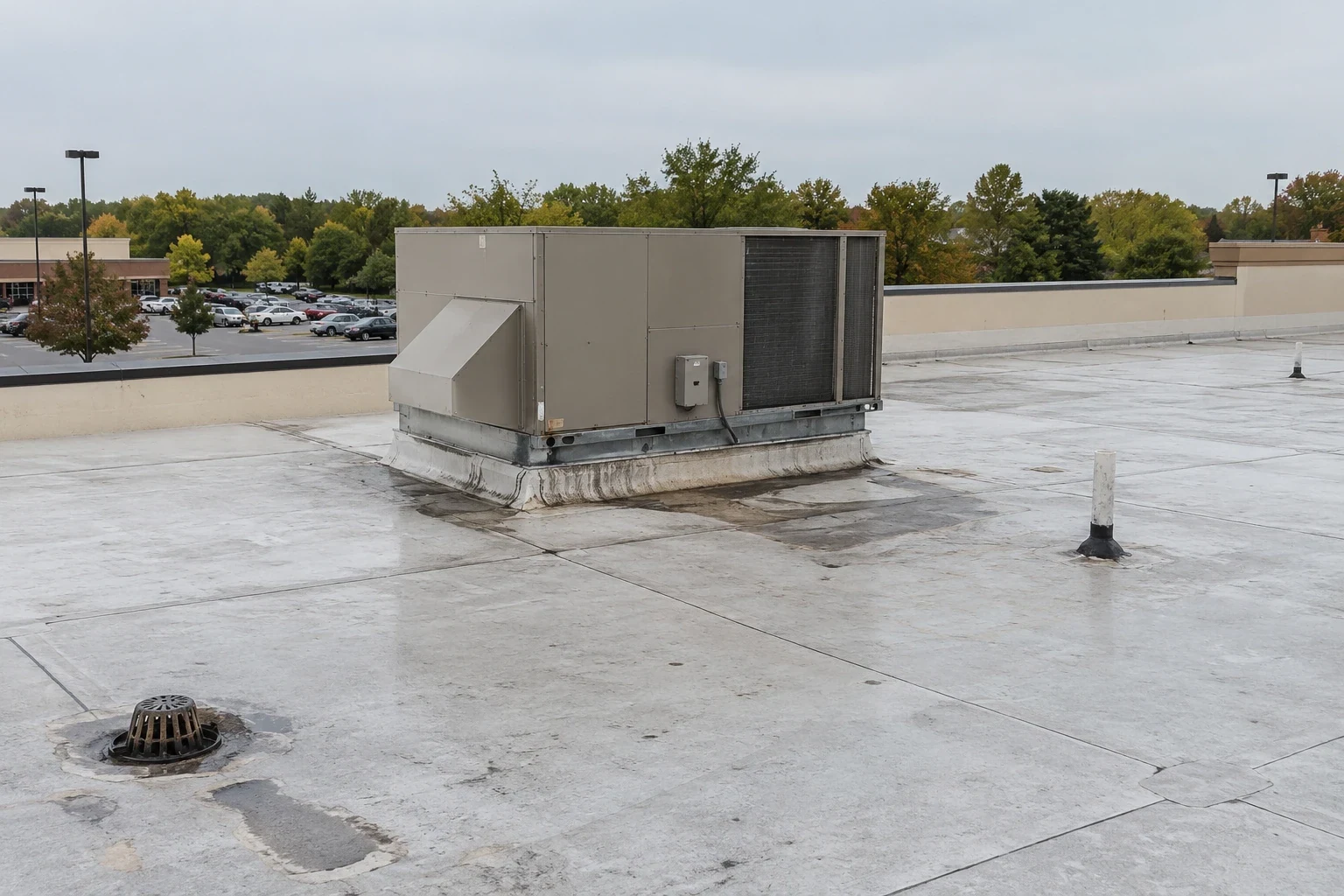
Grocery Store Roofing in New Haven, CT
Grocery Store Roofing
Plan grocery store roofing in New Haven around refrigeration, receiving, drainage, and interior protection with a clear repair or replacement scope.
A roof opening above a refrigerated department can turn a small repair into a product-protection decision. New Haven's winter freeze-thaw exposure makes drainage and flashing worth checking before a grocery project is scheduled. We map leak reports to the roof areas above them, then coordinate rooftop equipment, receiving, and interior protection before setting a work boundary. A bid should state which systems remain active and how the open roof will be secured between shifts.
North Haven includes food distribution, electrical cable, and healthcare activity, while Branford includes retail and manufacturing. We base the scope on field observations, operating requirements, and the roof record. The resulting plan can distinguish a localized repair from a larger capital decision without treating refrigeration equipment as evidence of membrane failure.
Cold-chain priorities below the work
Before a crew opens the roof, we identify coolers, freezers, food preparation, and other sensitive areas beneath the planned work zone. The property contact can explain temperature monitoring and any interior controls that must remain uninterrupted. We use that information to limit the daily opening, locate temporary protection, and identify who can approve a change if concealed material is wet. A short, defined phase is easier to coordinate than an open-ended area over active merchandise.
Receiving access also shapes material delivery and debris removal. We compare the planned roof entrance with truck movements, waste pickup, and staff routes, then set a period that keeps the work area separate from daily operations. Where a closure is needed, the bid should name the route, duration, and alternate path. For an occupied building, we mark the separation between public space and the active construction zone before mobilization.
Coatings and adhesives may affect work hours. We review the product and location with management before selecting a phase, based on the department below.
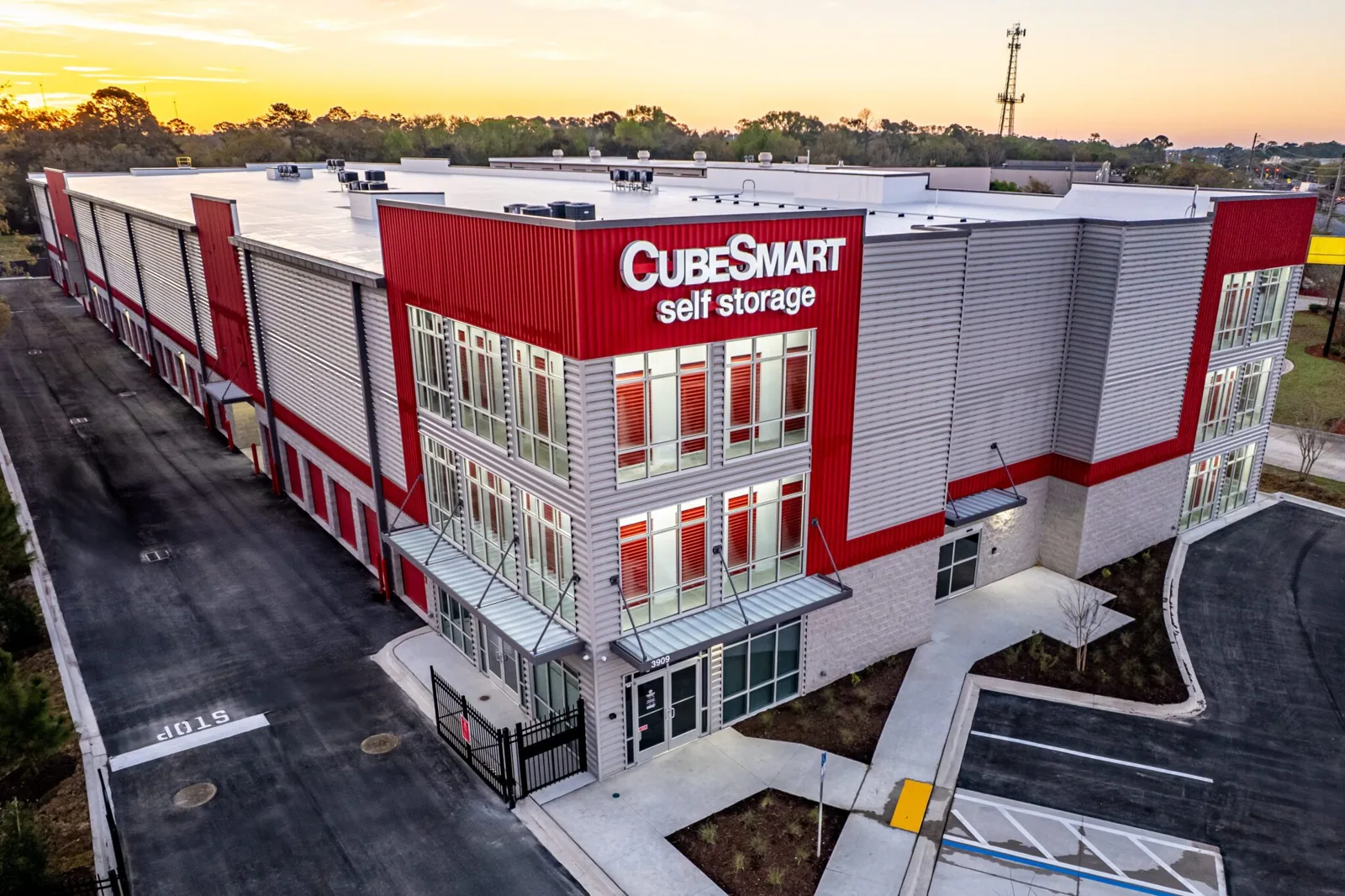
Roof details around cooling equipment
Refrigeration lines, exhausts, condensers, and piping can cross the roof through multiple curbs and supports. We inspect the membrane at each penetration, look for movement or open flashing, and record whether a service path crosses the repair area. If equipment must be lifted or disconnected, the mechanical trade needs a defined handoff before roofing begins. The estimate should identify that responsibility instead of treating equipment work as an incidental roofing task.
A drain near a condenser may collect debris or receive condensate, while a low point can hold water against a curb. We trace the actual path to the outlet and note which conditions belong to the roof scope. A drain and scupper repair may address a blocked or damaged outlet; a slope problem needs a separate diagnosis. We also inspect overflow routes, since blocked primary drainage should not leave water with no secondary path.
New Haven's winter freezing makes standing water and metal transitions useful inspection priorities. We photograph the affected detail and compare it with maintenance records. We confirm the outlet route and flashing condition before scheduling a winter repair. The repair limit follows the examination and any test results.
A scope that protects merchandise
Leak response starts with the interior report and roof location. We follow seams, penetrations, equipment bases, and slope changes above the reported area, then document the path and any temporary protection needed. Water may travel before it becomes visible, so the roof opening and ceiling symptom should be logged separately. A condition inspection can provide photographs and a plan reference for the property file.
When the defect is confined, a repair proposal should name the component, work limits, compatible material, and follow-up observation. If several issues share a roof zone, a planned repair visit can group them while keeping each location measurable. We state where interior protection is included and what product-handling steps remain with store staff. That clarity helps the manager compare bids on the same operating assumptions.
Replacement becomes a different discussion when repeated leakage, broad wet insulation, failed attachment, or widespread detail deterioration is documented. A proposal to leave existing plies in place needs a separate review of their condition, moisture mapping, fastening, deck strength, finished height at drains, and applicable code. The replacement scope should list removal, insulation, drains, edges, equipment interfaces, temporary tie-ins, and cleanup. Any concealed condition should have a stated approval step.
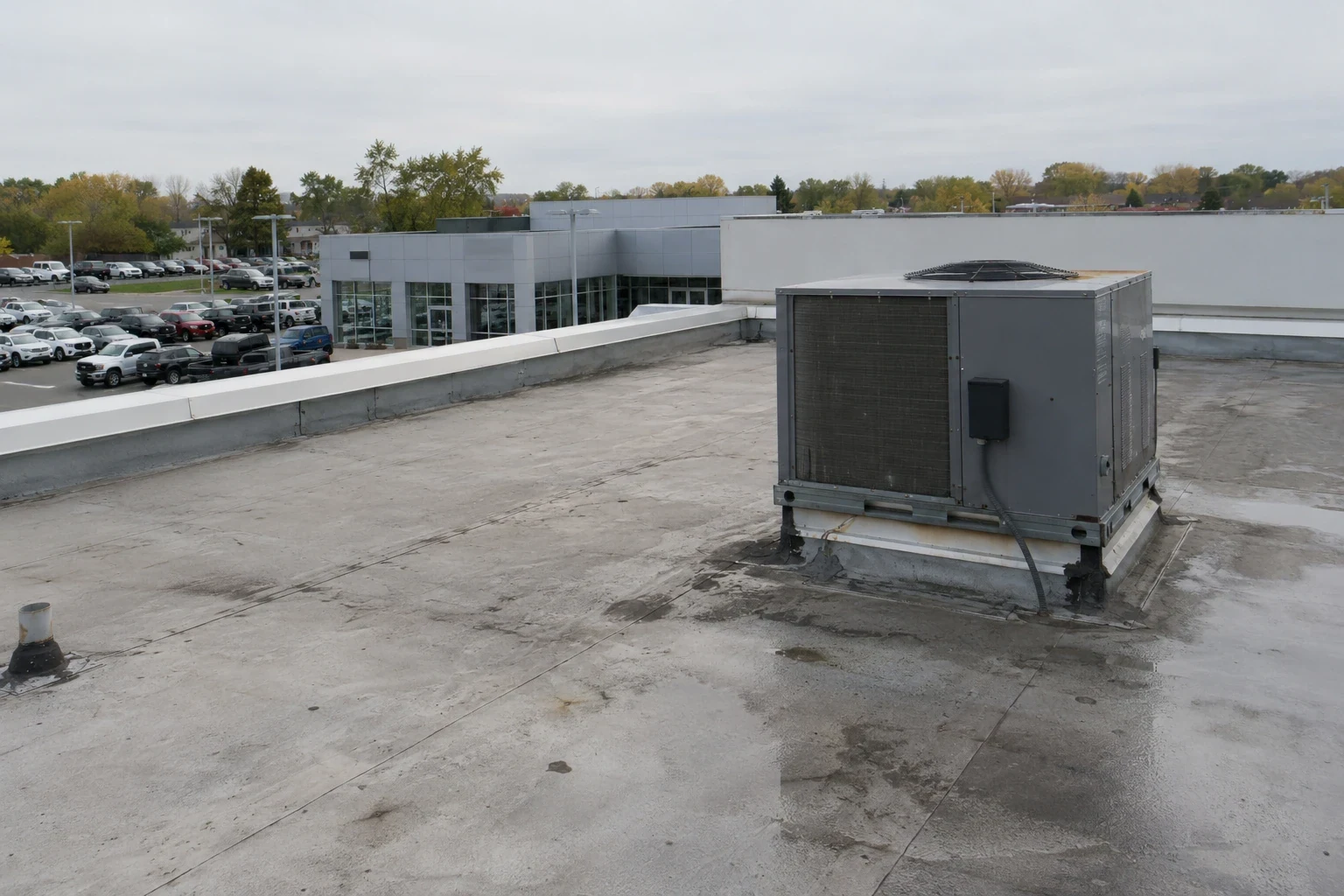
Scheduling around deliveries and service
Grocery projects can be divided by roof zone, cooler area, or receiving side, depending on the assembly and access. We define which doors, aisles, or mechanical areas are affected each day, then check that the temporary roof closure is sound before leaving. Deliveries, refrigeration service, and other trades should use a coordinated calendar rather than compete for the same staging area. A phased occupied-building plan gives the general contractor a sequence that can be shared with store management.
Weather windows affect when removal, adhesive work, or coating can proceed. The schedule should include time to close each day's work and a contact authorized to release the next section. If a rain forecast or concealed repair shifts the boundary, we record what remains protected and what needs approval. That makes a delayed phase visible to both ownership and operations.
Where equipment service is due during the roof project, the order matters. We coordinate curb, line, and support work before installing the final flashing. If a unit cannot be moved, we detail around it and state any limitation in access. A written sequence prevents a late trade change from disturbing completed roof work.
Closeout for the next maintenance visit
Closeout should locate each repaired area, outlet, equipment curb, and open observation item on a roof plan. We include photos, material notes, and any limits that were not part of the work. The store can keep that record with leak tickets and mechanical service logs, making the next roof review more direct. If a condition remains under observation, we state what change would warrant a return visit.
For grocery roofing in New Haven, bring leak records, refrigeration-service plans, delivery hours, and the roof drawing to the initial review. A large-format retail roof shares receiving concerns; cold-storage buildings also require temperature planning. We will match the repair or replacement sequence to this store's documented limits and identify decisions that affect budget or timing.
Maintenance can compare drains, curbs, seams, and prior patches with the last report. The record should show what was inspected and what remained inaccessible, helping ownership choose the next phase from evidence and operating needs.
Questions Owners Ask
How do you protect refrigerated areas during roof repairs?
We map the proposed roof zone to the equipment and departments below it, then define interior barriers, temporary coverage, and daily closure points. Store staff identify monitoring requirements and who can approve a scope change. The sequence keeps an exposed opening limited to the approved work window.
Do refrigeration lines change the roof replacement bid?
They can affect curb flashing, equipment movement, service clearance, and coordination with mechanical trades. We record each interface and identify who handles disconnection or lifting. The roofing price should distinguish its flashing work from equipment work owned by another contractor.
What should a grocery leak report include?
The department, time, visible symptom, and nearby equipment help us match the interior observation to a roof area. We inspect above the report and follow slopes and penetrations before defining a repair. Photos and a roof-plan reference preserve the difference between the water's entry point and where it appeared inside.
Can receiving continue during a roof project?
Usually the schedule can reserve truck lanes and a separate material route, but the exact work zone and delivery calendar decide the sequence. We include any short restriction in the phase plan and name an alternate route. Store operations and the general contractor can then coordinate one working schedule.
Which nearby building uses help frame grocery roof planning?
North Haven includes food distribution in its commercial mix, and Branford includes retail and manufacturing. New Haven's winter freeze-thaw exposure also makes drainage and flashing worth reviewing. These facts frame regional use and climate; the store's roof inspection defines the work.