
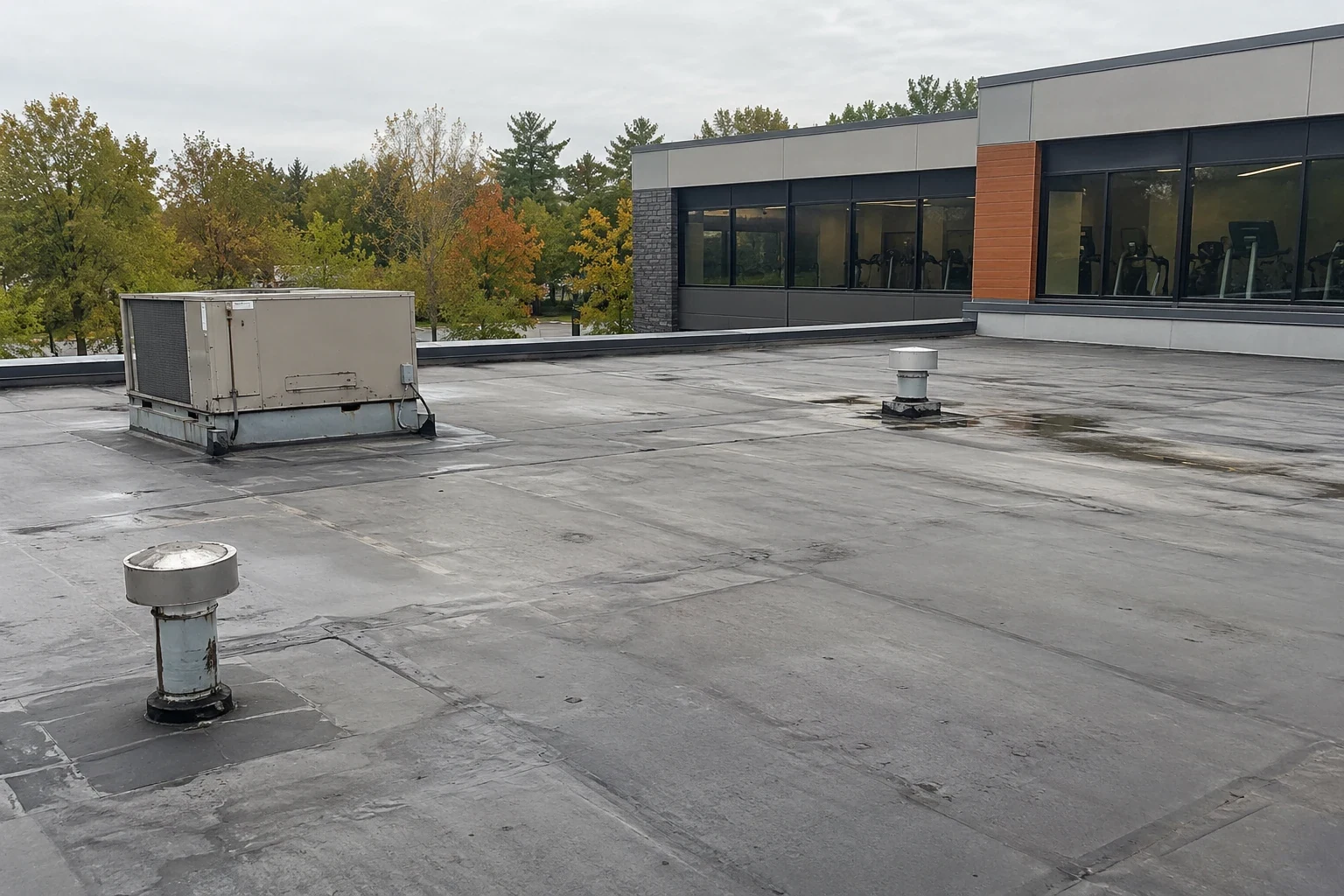
Fitness Center Roofing in New Haven, CT
Fitness Center Roofing
Scope fitness-center roof repairs in New Haven around pool humidity, rooftop equipment, member access, drainage, and phased work windows.
A fitness center may keep a pool, training floor, locker rooms, and group spaces operating under different roof conditions. New Haven's winter freezing makes drainage and perimeter details worth checking, while indoor humidity raises separate questions around ventilation and condensation. We inspect the roof and connect each finding with the facility's schedule, equipment, and affected area.
Branford's commercial mix includes healthcare, bioscience, retail, and manufacturing, while Hamden includes computer products, cable, concrete equipment, and metal fabrication. These nearby towns add to the region's varied commercial building mix. We set a fitness center's repair limit or replacement scope from field evidence.
Pool areas and interior moisture clues
Natatoriums hold warm, humid air, so a ceiling stain or corrosion mark may relate to indoor moisture, a roof opening, or both. We review ventilation observations, roof penetrations, wall transitions, and insulation conditions with the facility team. The inspection separates evidence of rain entry from a condensation question that may need mechanical review.
We do not assume a pool roof has a particular membrane or insulation assembly. We verify the layers and condition, check flashings around exhausts and ducts, and photograph any seam or curb defect. If concealed moisture is suspected, an infrared survey may identify areas for confirmation. The report describes the limit of that method and any opening needed to verify the assembly.
Mechanical equipment and roof penetrations
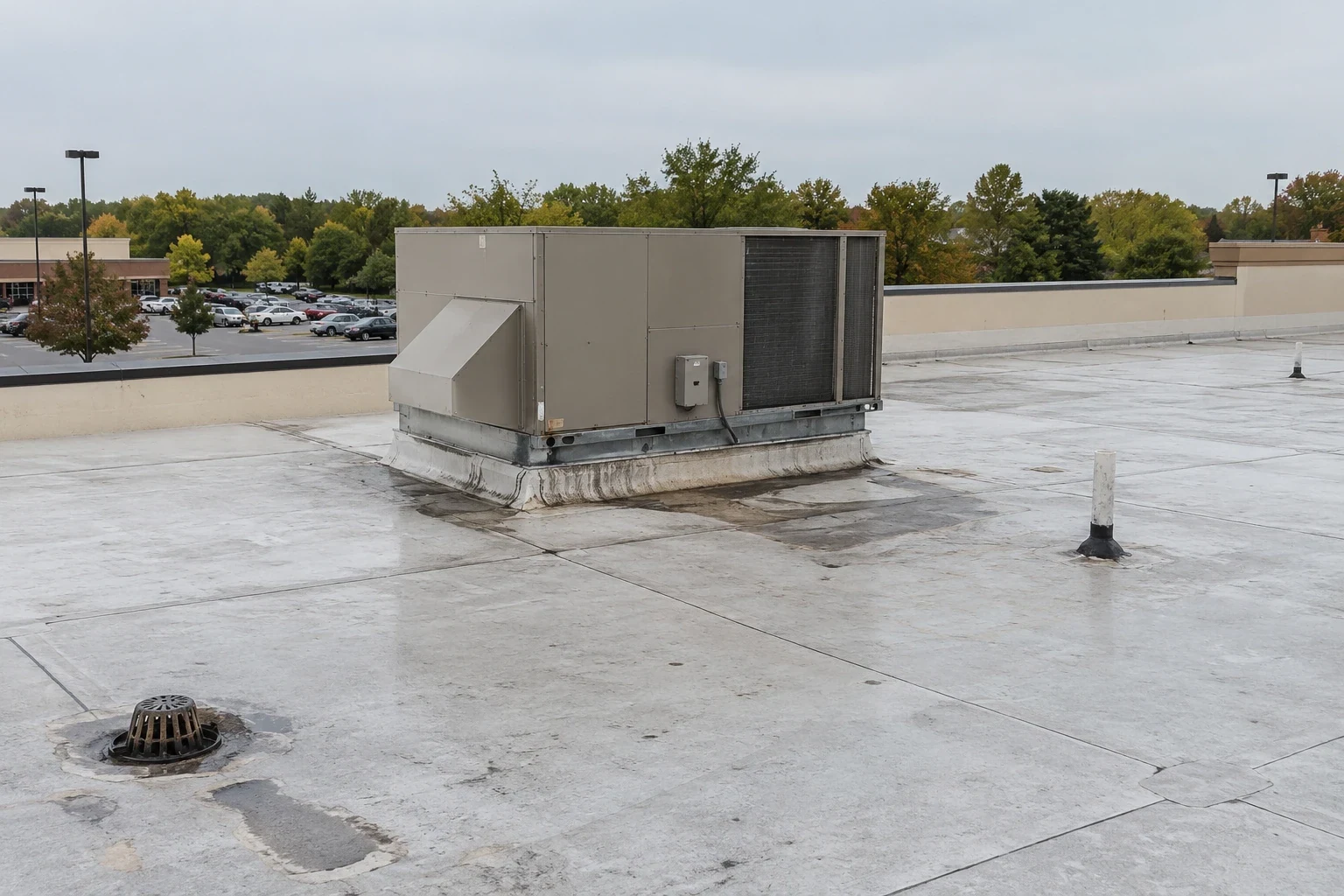
Fitness facilities often rely on large rooftop units, exhaust fans, make-up air, and ductwork. We note curb dimensions, support condition, flashing attachment, condensate lines, and service clearances. If a unit requires shutdown or temporary disconnection, the scope identifies who coordinates it and when the equipment can return to service.
Mechanical changes can leave unused curbs, conduits, or fasteners behind. We compare current rooftop conditions with the available plan and ask the owner to identify upcoming equipment work. A curb and support review can address these interfaces, while a flashing repair can isolate a confirmed opening from unrelated mechanical service.
Condensate should be routed away from roof seams and pedestrian access. We note where a drain line terminates, whether insulation or walkway material is affected, and if a separate mechanical adjustment is needed. A roof repair can close a membrane opening, but it will not redirect condensate from an incorrectly placed line. The scope assigns that follow-up instead of treating both conditions as one roofing defect.
Before an equipment replacement, confirm curb size, weight support, duct alignment, and the order in which trades will work. A roofing tie-in installed before the mechanical layout is settled may need to be opened again. We can coordinate a roof review with the planned unit work, record the completed flashing, and identify any temporary protection required during the change.
Member traffic and safe work zones
Class schedules, check-in periods, youth programs, and pool access affect when equipment can be staged and how workers reach the roof. We coordinate a route that keeps members away from overhead work, identifies temporary closures, and preserves required exits. The building team can prepare notices against actual work areas rather than closing the whole facility by default.
For a replacement, we sequence roof sections and set a daily closeout requirement, including dry-in at exposed edges. Noise and vibration can be planned around high-use periods where the roof layout permits. A phased occupied-building project can align work with class schedules, and church roof phasing illustrates a different calendar-driven access challenge.
Drainage through changing seasons
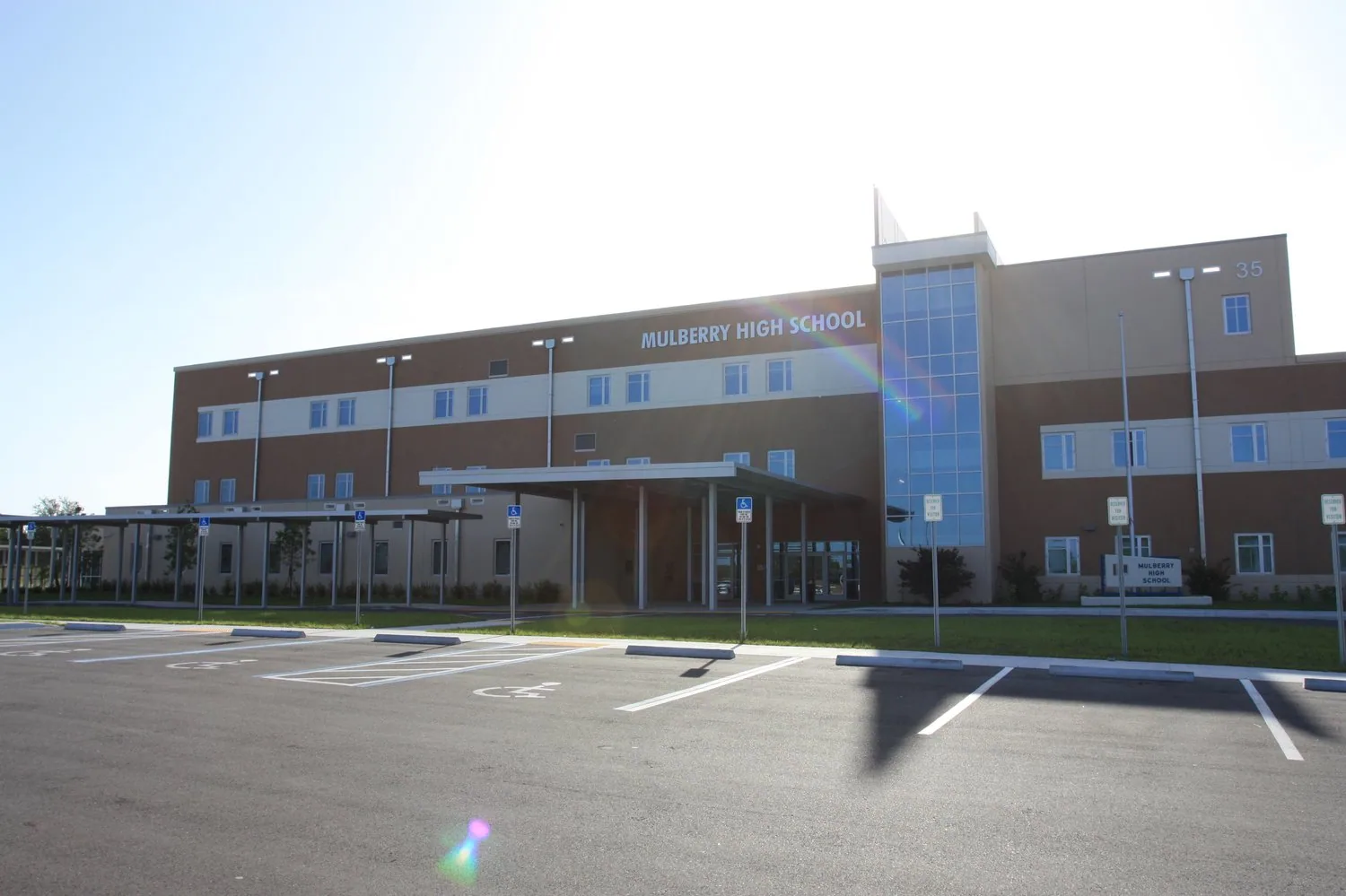
Drains, scuppers, gutters, and low transitions should move rainwater away before winter temperatures create ice at an outlet. We check the route from roof plane to discharge, then note blockage, damage, or a membrane problem that restricts flow. A regional freeze pattern points to a review priority, but observed conditions establish whether work is needed.
Leak history can help locate a recurring issue around an equipment curb or pool exhaust. We compare dates, roof areas, and any related maintenance visit, then mark confirmed defects and open questions. A leak investigation can narrow the entry point, while drainage work can address a failed outlet separately.
Walkways and roof access paths should stay clear of standing water and loose surfacing. We note whether pads are displaced, whether fasteners are exposed, and if equipment servicing has left debris near an outlet. These observations help the owner distinguish routine housekeeping from a roofing repair that requires compatible materials or a new termination.
When the water route leaves the roof through a scupper or downspout, we check the visible discharge and note any problem beyond the roofing boundary. A blocked lower connection may require another trade, while an open membrane transition is a roofing condition. The project record should identify the handoff and the order in which each item is resolved.
Choosing a repair boundary
A single flashing problem on stable membrane may need a limited repair. If moisture spans a roof section or several seams have opened, restoration, recover, or replacement may be more appropriate. We compare test results, attachment, insulation, and repair history before setting the boundary, then describe which option remains viable.
Owners can compare a coating restoration with a replacement plan when the existing assembly supports both. The estimate should state equipment coordination, pool protection, debris paths, and the duration of each closed zone. A senior living roof plan has different occupant sensitivities, but both project types benefit from a specific phasing record.
After work, keep photographs, approved scope, product data, and maintenance observations in the facility roof file. Branford projects may involve different delivery routes, while a fitness center's class and pool schedule shapes its own access windows. Bring system records, equipment schedules, leak notes, and member restrictions for a records-first review.
Replacing a roof over a pool may require more than selecting a membrane. The work plan should address humidity control during an opening, protection for pool equipment, and the timing of fans or dehumidification. We confirm responsibilities with the facility and mechanical team. The proposal should say which temporary controls are included and whether a room must close while the roof is open.
For a small repair, the facility can often keep most spaces in service if access below the defect is limited. We define whether a ceiling area, deck, or pool lane needs temporary protection and note the release point. That gives staff a practical schedule and prevents the repair description from promising uninterrupted use when a short closure is required.
Questions Owners Ask
How can you tell rain entry from pool condensation?
We compare the report location with roof defects, weather timing, insulation observations, and ventilation conditions. A confirmed opening is documented separately from a moisture pattern that may require mechanical evaluation. If the assembly conceals the leak origin, we specify the testing needed before permanent work is priced.
Can roofing work proceed while classes are scheduled?
We coordinate the work zone, noise periods, deliveries, and member routes with the facility manager. The sequence can move by roof area when weather and assembly conditions allow. The plan identifies any closed entrance or pool access period so notices can be precise.
What roof issues deserve review around a pool?
We check penetrations, exhaust curbs, transitions, insulation, and visible signs of water entry or corrosion. Humidity conditions may require coordination with the mechanical team, so the report keeps roofing observations distinct from ventilation findings. The next step depends on what evidence the roof walk establishes.
How should rooftop-unit replacement fit with reroofing?
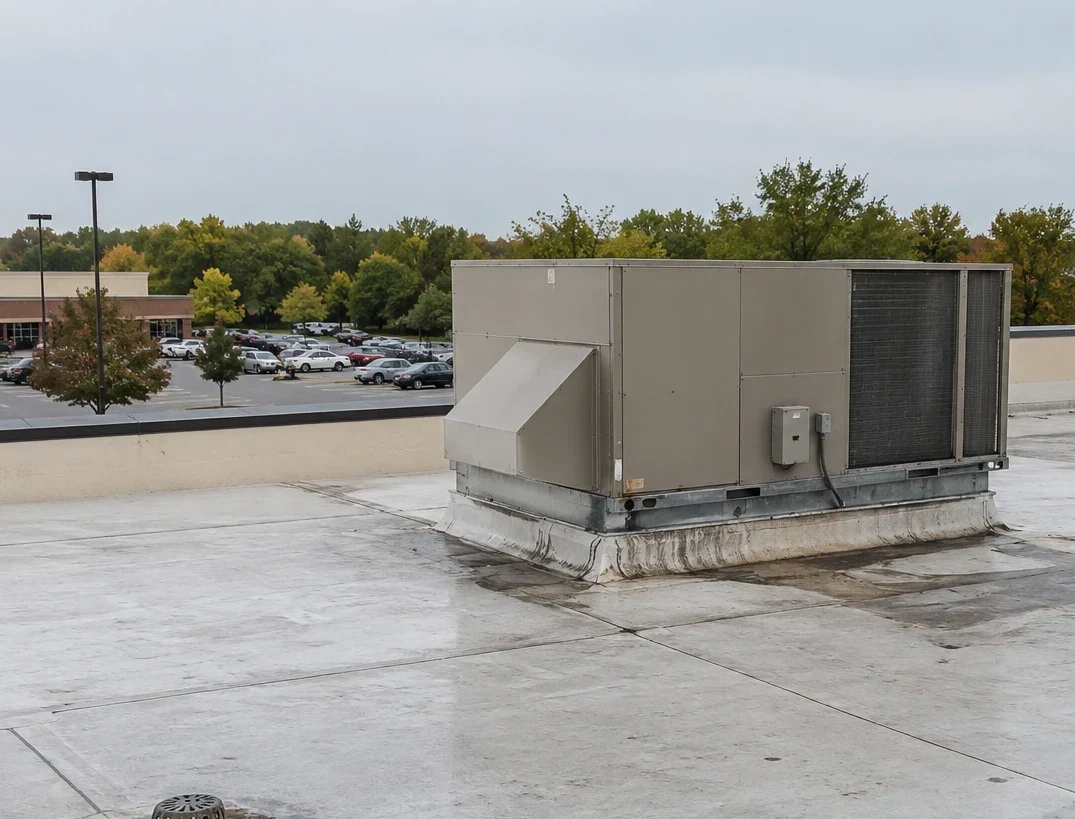
Equipment timing can affect curb height, flashing, supports, and access. We compare the planned mechanical work with the roof sequence and assign responsibility for disconnects and tie-ins. If a unit replacement is near, coordinating both scopes can reduce the chance of cutting a newly finished membrane.
What belongs in a fitness-center roof closeout?
Keep completion photographs, marked locations, product records, unresolved conditions, and the phase schedule together. We identify any equipment or pool area that needs a follow-up check. Facility staff can use the record when planning the next shutdown or maintenance window.