
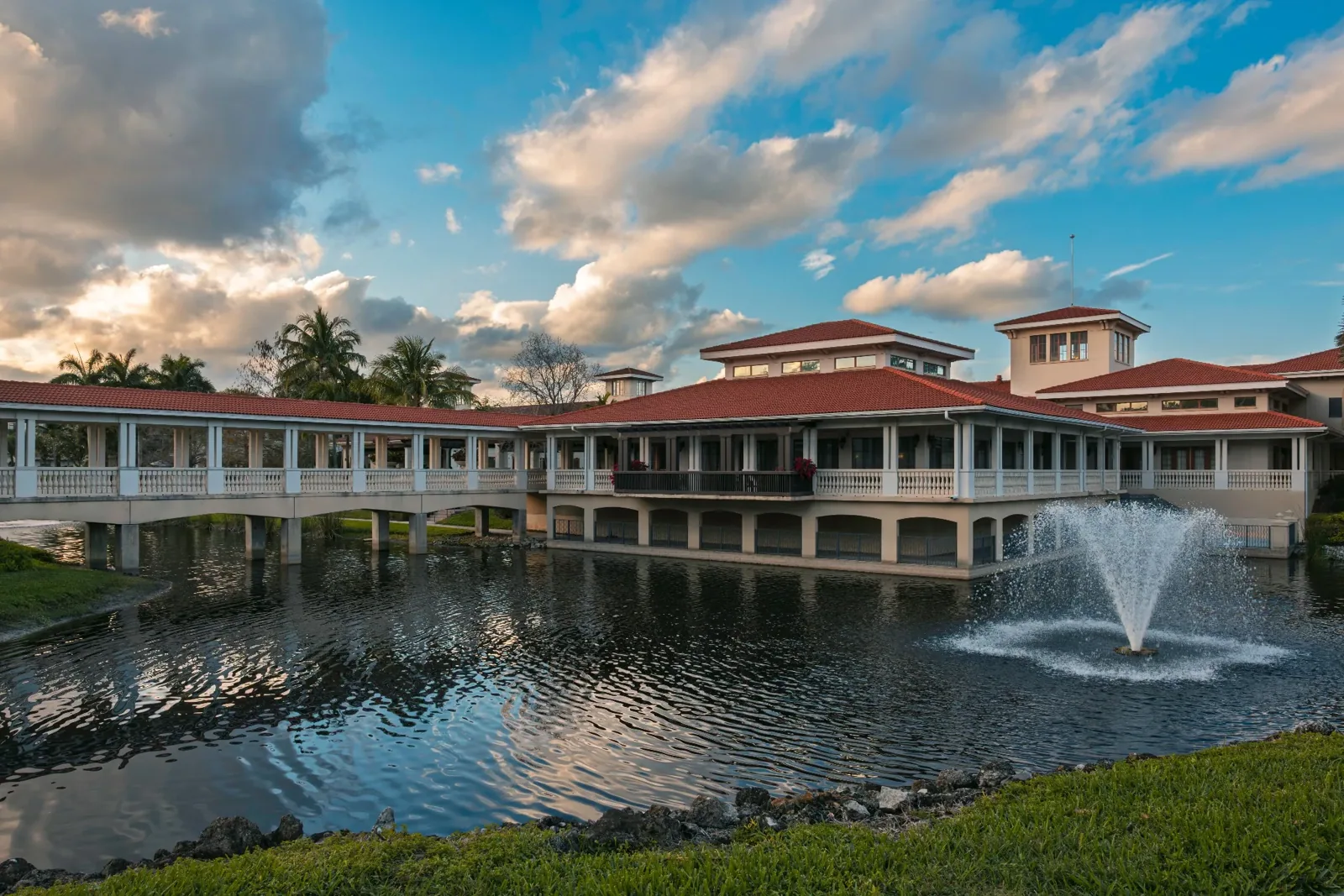
Senior Living Roofs in New Haven, CT
Senior Living Roofs
Plan senior living roof repairs and replacement in New Haven around drainage, resident access, moisture findings, and staged work windows.
Overnight freezing temperatures return regularly in New Haven, so senior living roof plans need a close look at drainage and transitions before winter work is priced. A slow drain or open curb can affect occupied rooms long before a broad membrane failure becomes visible. We inspect the roof assembly, record the condition with photographs, and separate a repair that protects current operations from a larger capital decision.
Health and education are among New Haven's principal industries, and nearby West Haven includes medical research and manufacturing. Those uses make occupied-building coordination a practical part of the roof scope. The building's own room layout, access rules, roof history, and observed conditions determine the work, not the category of the property.
Water paths near occupied rooms
Water can travel below a membrane and appear well away from its entry point. We compare leak reports with drains, wall transitions, equipment curbs, and prior patches, then mark each observation on a roof plan or photo set. That record helps the general contractor distinguish an isolated repair from a condition that crosses several areas.
Freeze-thaw exposure makes the drainage path worth documenting, but weather context does not diagnose a roof. We check whether outlets are clear, whether low areas hold water, and whether flashings remain connected to sound material. Where more evidence is needed, infrared moisture survey methods can guide selected confirmation areas rather than turning the entire roof into an assumed replacement scope.
Interior impact should be recorded with the same care as the roof defect. We note the reported room, date, weather at discovery, and any nearby plumbing or mechanical work that could affect the investigation. Staff should not be asked to move equipment or enter a restricted roof zone to help locate a leak. We coordinate the access request, protect the route, and return findings in terms the project team can use.
Resident access and work sequencing
Roof work above an occupied care setting requires a sequence that keeps entrances, service routes, and staff communication clear. We identify the access point, material staging area, protected route, and expected noise or vibration before mobilization. The facility team can then coordinate notices and any room-specific restrictions without leaving roof details undefined.
When one section must remain in service, work can be divided by roof zone and weather exposure. We set temporary protection at the end of each shift, document open edges, and confirm where the next crew resumes. For a broader project, occupied-building reroofing can align removal and installation with resident activity, while a West Haven property may have separate delivery and access considerations based on its own operating plan.
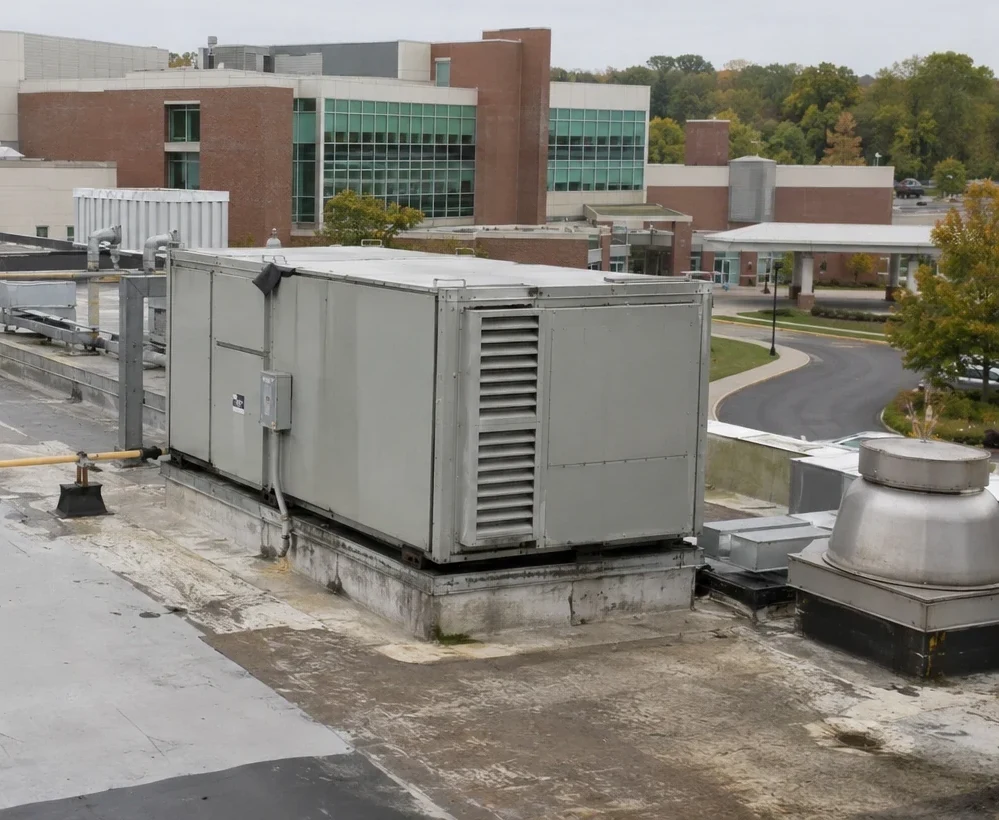
Care buildings also depend on rooftop equipment that cannot be treated as a movable obstacle. Before a phase begins, we identify units, piping, exhausts, and service clearances that must stay available. If an equipment shutdown or trade visit changes the sequence, the roof scope should show the interface and the party responsible for restoring it. That prevents finished membrane from being cut casually after the roofing crew leaves.
Details that change a care-facility scope
Curbs, exhausts, condensate lines, skylights, and wall flashings create interruptions in an otherwise continuous roof plane. Each transition needs a clear repair boundary, compatible materials, and a safe route for technicians. We note loose counterflashing, aged sealant, exposed fasteners, or membrane movement as separate conditions instead of hiding them in a general patch allowance.
Senior living buildings may use several additions or roof sections built at different times. The roof record can reveal distinct membrane types, insulation levels, and prior tie-ins, but field verification confirms what is present. Our commercial roof inspection captures accessible conditions, and a photo condition report lets ownership compare observations over successive budget cycles.
Other occupied property types offer useful contrasts in how access changes roof decisions. A hospital roof scope may require a different sequence around critical mechanical service, while multifamily roofing often needs clear notice and staging plans around resident routes. These are planning questions, not assumptions about the assembly. We verify roof sections and operating limits with the facility team before assigning crews or defining phase boundaries.
Repair, recover, or replace
A repair remains a sound option when the failure is limited, surrounding material is stable, and moisture findings support a defined boundary. When several details fail together or insulation is wet across a larger area, we compare a targeted repair with restoration, recover, or replacement. The comparison includes tear-off, staging, resident protection, and how much of the building can remain undisturbed during each phase.
Bid scopes should identify what is included at edges, drains, curbs, and tie-ins, as well as the assumed access window. We can prepare replacement options beside a recover assessment, then state which field findings would change the selection. A decision record helps the owner set a repair threshold and avoid carrying an unpriced condition into construction.
A maintenance record that travels with the building
After work, the roof file should show where the repair sits, what materials were used, how nearby transitions looked, and what deserves another observation. We attach photographs and note access limitations so a future manager can find the same location. This is especially useful when several departments share roof information or an ownership change interrupts maintenance history.
Preventive visits can focus on drainage, flashings, walkway pads, and equipment changes before a seasonal access window closes. A repeat maintenance schedule can place those observations before seasonal access becomes difficult. In Branford's healthcare and manufacturing mix, delivery and trade coordination can be useful planning items for occupied properties. Bring plans, leak notes, repair records, and operating constraints for a records-first scope review.
When maintenance staff change, we can leave a marked photo set and a short list of unresolved items. The next review can then test the same details instead of starting without a baseline.
Questions Owners Ask
How do you keep roof access clear for resident services?
We confirm the hatch or ladder route, staging location, work zone, and any restricted hours with the facility contact. The sequence then identifies which roof area is active and what protection closes the shift. That lets operations plan around the work without leaving the crew to decide access conditions on arrival.
Will a leak report identify the repair location?
A ceiling mark gives us a starting point, not a roof boundary. We trace likely paths through seams, curbs, walls, and drains, compare them with prior records, and photograph confirmed defects. If concealed moisture remains a question, we outline the survey or opening needed to settle it.
Can resident rooms remain occupied during replacement?
Many projects can be phased, though the actual sequence depends on roof layout, egress, noise, dust control, and weather protection. We identify daily work limits and temporary closures in the scope, then coordinate each phase with the facility's operating plan before materials arrive.
What records should ownership gather before a roof review?
Roof plans, prior repair invoices, leak dates, warranty documents, and proposed scopes help connect today's condition with earlier work. We flag missing areas and use field observations to confirm assembly details. That gives ownership a clearer basis for comparing repair and capital options.
When does a repeated repair justify a wider review?
A pattern across separate drains, edges, or roof sections can indicate that the issue extends beyond one patch. We compare locations, materials, and moisture evidence, then show whether the work remains bounded or affects a larger assembly. The decision follows the condition record and access plan.