
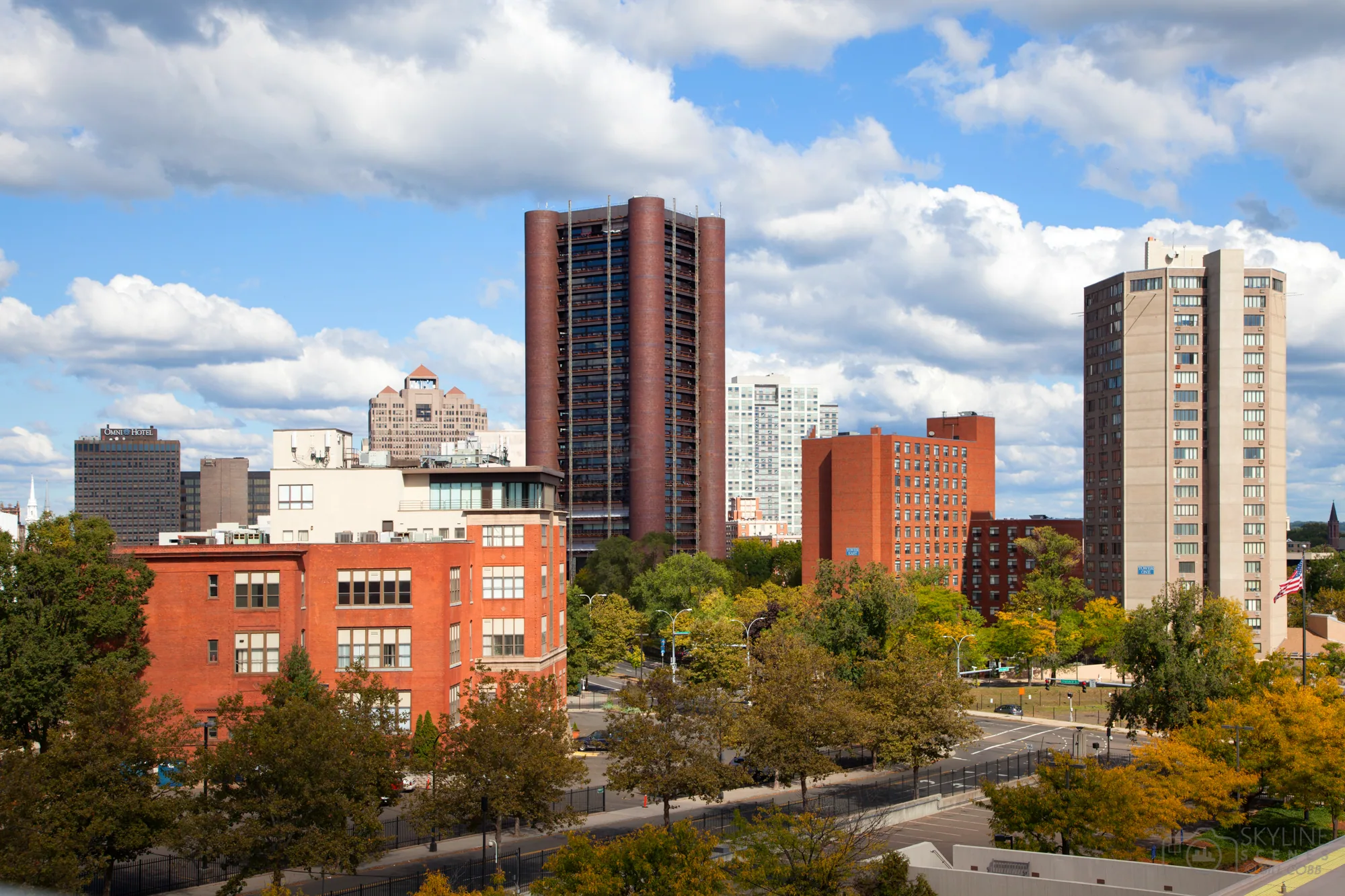
Commercial Roofing in Woodbridge, CT
Woodbridge
Commercial roofing in Woodbridge, CT for office, healthcare, light industrial, and agricultural properties. Review roof condition and access before pricing.
Woodbridge's commercial and office complexes, healthcare uses, light industry, and agriculture call for roof planning that begins with the property and its operating needs. We confirm the installed assembly, trace drainage, and document flashings, seams, and edges before recommending work. In the New Haven 1991 to 2020 normal, minimums reached 32°F or lower on 102.3 days a year; maximums stayed at or below freezing on 18.3 days. That regional pattern puts Woodbridge drainage and exposed transitions on the seasonal review list. Bring the roof record and access requirements to a commercial roof condition review; a separate North Branford property review keeps its findings distinct.
Plan around office and healthcare use
Office and healthcare properties can have occupied areas, equipment access, and interior protection needs that shape roof work. We confirm which entrances stay open, what equipment must remain available, and when material can be lifted. Those details come from the property contact. The use category does not tell us the roof system, so our first walk identifies membrane or metal where visible and records the seams, flashings, drains, and penetrations.
A repair near a rooftop unit may need coordination with the mechanical contractor before flashing is opened. We map the curb and note whether the tie-in is compatible with the surrounding assembly. Where the roof plan and field differ, we mark the change so the bid quantities reflect the actual condition. A curb and equipment scope can define that interface and the sequence for disconnect, roofing, and reset.
Light industry also contributes to Woodbridge's local commercial base. If the building has exhausts, conduits, or supports, we inspect them rather than infer their number or condition. The estimate should identify which trade provides access, who protects the opening, and what inspection occurs before the membrane is closed. That clear handoff helps the general contractor coordinate work without leaving an equipment detail outside both bids.
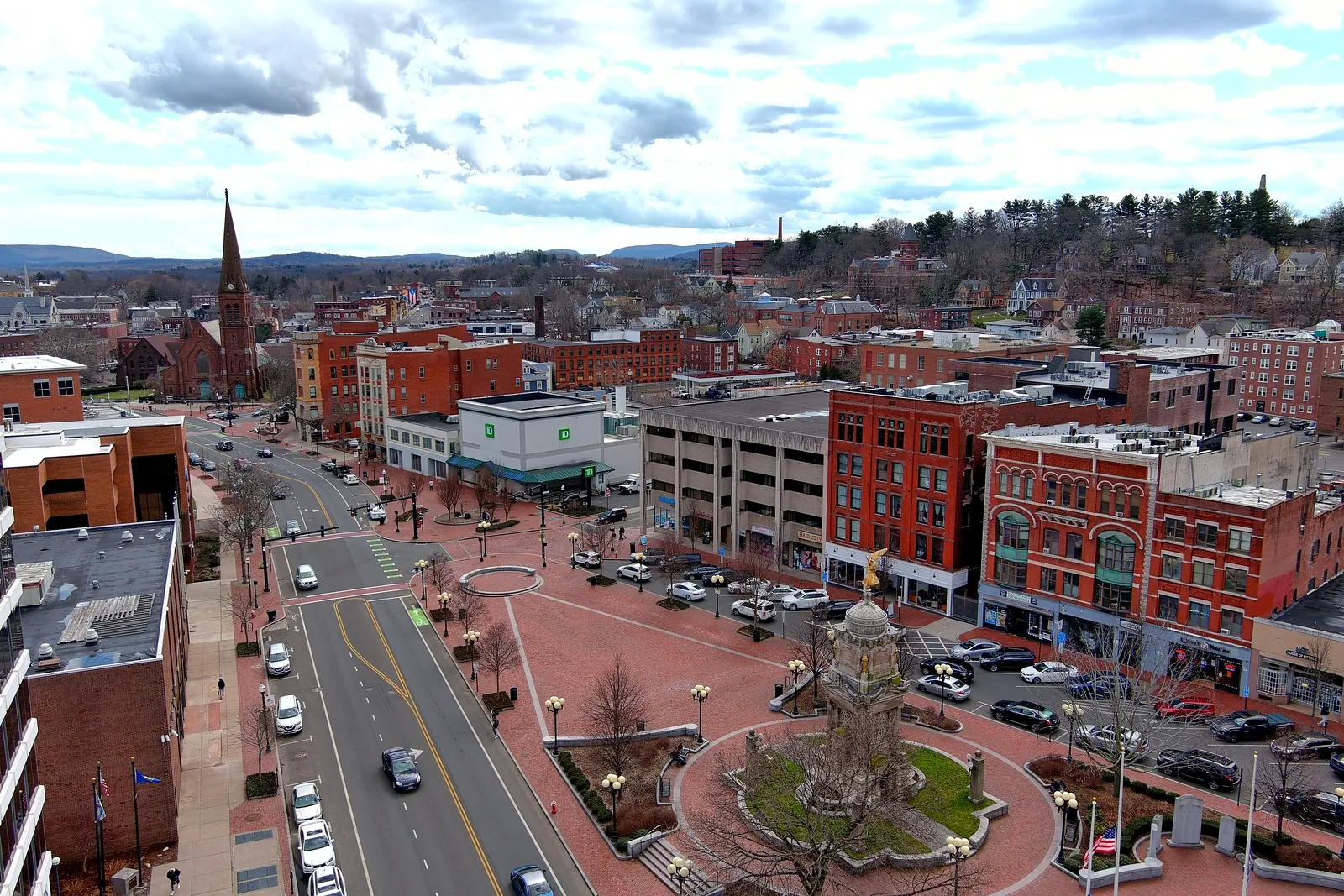
Follow the water path across each roof zone
For winter planning, we examine Woodbridge drains, low seams, and wall transitions before work is scheduled. The roof walk records standing water, a restricted strainer, or an open lap where it is observed.
We compare the reported interior leak with roof elevations and drainage routes. Water can enter at a flashing while a low area slows runoff nearby, so the scope separates each condition. If the drain or scupper needs correction, that quantity should not disappear inside a membrane repair. A drainage and scupper review can establish the outlet condition, while photos show where runoff reaches it and where it pauses.
During replacement, added insulation can raise the roof surface relative to an existing drain or adjoining zone. We note the present elevations and describe the planned tie-in. If a change in slope or outlet is required, it belongs in the design discussion before material is ordered. That avoids closing a new membrane around an unresolved transition.
Check terminations and exposed details
Sandy brought a wind gust measured at 85 mph in Madison on October 29, 2012. After severe weather, we inspect Woodbridge perimeters for loose coping, displaced metal, open terminations, and membrane movement. Photos show the specific component and enough surrounding roof for the project team to find it. A perimeter condition and a field seam require separate repair details.
At parapets, we follow the membrane up the wall and beneath counterflashing where accessible. At corners, we check metal attachment and the sheet termination. If a detail cannot be reached safely, we record that limit and identify the next step. A perimeter metal review can align coping and gutter work with the membrane scope, including the substrate and attachment assumptions.
Suburban office and healthcare properties may coordinate roof access with other activity around the building. The project team confirms staging, delivery paths, and areas that need protection. We keep those directions with the repair map so an edge or flashing crew can reach the designated zone without crossing a protected area or interrupting an unrelated operation.
Compare options against the observed condition
An isolated seam or flashing failure may support a repair when nearby material remains serviceable. Repeated leaks, moisture below the sheet, or deck movement can justify a wider investigation. We compare current observations with prior repairs and state what additional test would change the recommendation. If an opening is needed, its location and purpose should be agreed before the roof is disturbed.
Price and timing reflect removal depth, substrate, insulation, cover board, metal, drains, disposal, equipment handling, and access. We list measured quantities apart from allowances for concealed work. A commercial repair scope can define an isolated detail. A replacement option can include broader removal and new layers when the evidence supports that choice. Bid comparison works only when both proposals use the same roof zones and protection assumptions.
If the roof remains serviceable, the maintenance record can track drain condition, patches, new penetrations, and changes in edge metal. That history helps schedule future capital work and avoid repeating an inspection from the beginning. If water is entering now, however, routine maintenance does not substitute for temporary protection and a repair decision. At a metal edge or wall, we identify the surface preparation and attachment before existing flashing is cut. That keeps the transition clear and states who closes it if work spans more than one shift.
Set the work boundary and daily close
Woodbridge is connected to regional motor-carrier routes, but the site determines how material reaches the roof. We confirm loading rules, lift placement, roof entry, staging, and debris removal with the general contractor. A project beside active office or healthcare space may need a narrow access period. The schedule names the work zone, protected areas below, and equipment that stays in service.
Each phase should close watertight before the crew leaves. We set the daily stop line, temporary tie-in, inspection point, and contact who can release the next area. If weather interrupts a shift, those directions show how the open assembly will be protected and where water can move. A phased occupied-building plan can coordinate that sequence with other trades and the property's operating calendar.
Closeout includes photos by roof zone, materials installed, work completed, and any area reserved for later testing. Keep the original inspection notes beside invoices and later service records. A commercial roof project in Orange may use a similar reporting process, but the Woodbridge file remains the basis for this property's condition and next capital decision. When two phases meet at a wall or height change, record the tie-in and the material condition on both sides. That note helps the next crew preserve a watertight connection if later work extends beyond the initial repair.
Questions Owners Ask
What should the first roof walk in Woodbridge establish?
We identify the assembly where visible, map drains and roof zones, inspect transitions, and compare findings with available repair history. Access limits and equipment handoffs are recorded with the condition.
Are New Haven's temperature normals specific to Woodbridge?
New Haven's winter normal guides seasonal planning. We inspect the Woodbridge roof for drainage, standing water, seam condition, and details that need repair.
How are equipment-related flashings included in a bid?
At each curb or penetration, we identify the material tie-in, access, and trade responsible for disconnect or reset. The estimate names each detail so roofing and mechanical work remain coordinated.
What affects a roof project's timing?
Removal depth, access, occupied zones, material delivery, drain work, equipment coordination, and weather protection can all change the sequence. We set the phase boundary and daily closure before mobilization.