
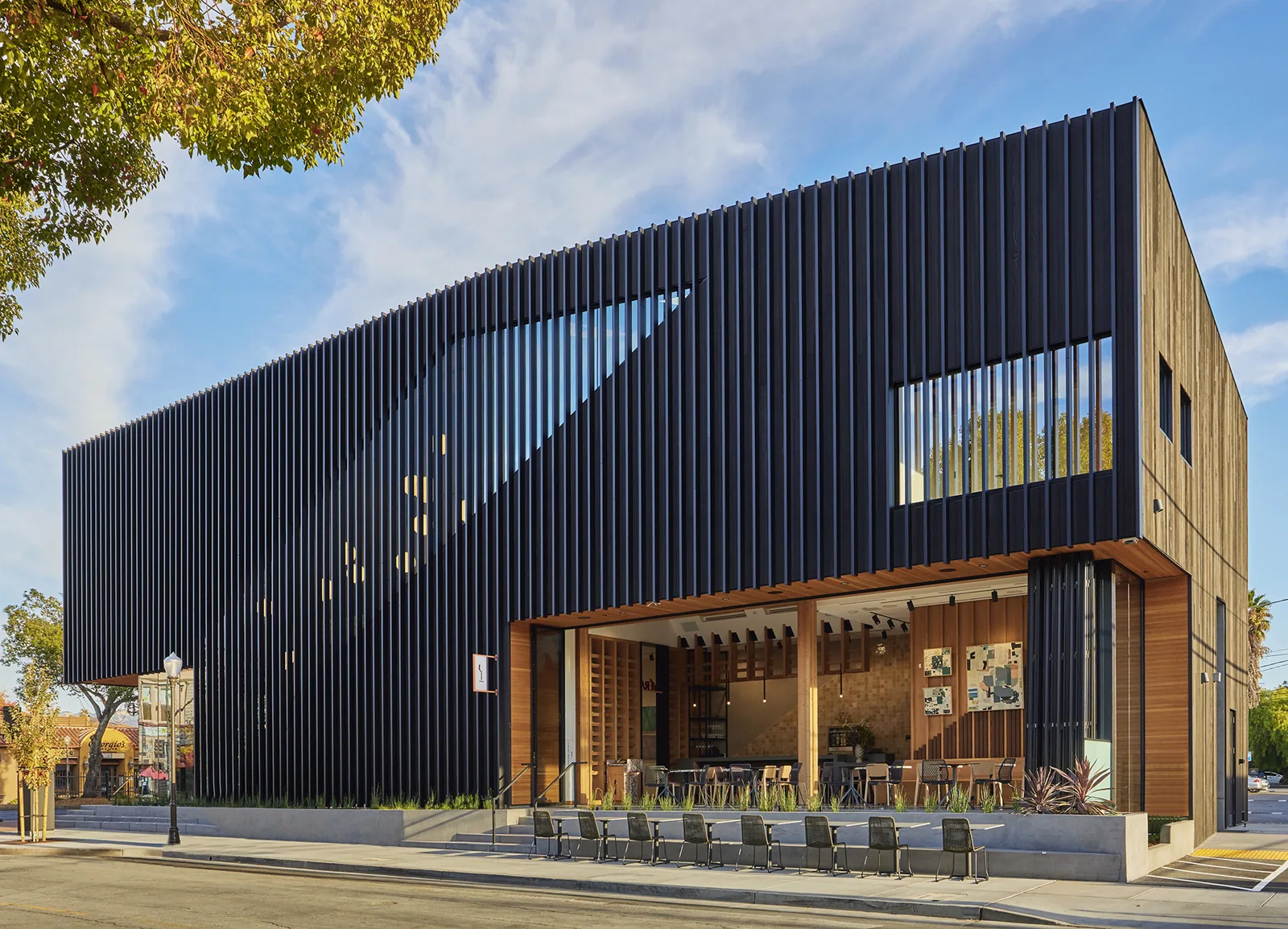
Restaurant Roofing in New Haven, CT
Restaurant Roofing
Plan restaurant roofing in New Haven around exhaust equipment, dining hours, grease-related maintenance, drainage, and interior protection.
Kitchen exhaust, rooftop make-up air, and a dining room below the work make restaurant roofing a coordination problem as much as a membrane question. New Haven's winter freezes add a reason to review drainage and flashing before a repair window is chosen. We connect the reported interior condition to the equipment and roof details above it, then define the work zone, service handoff, and protection needed during each shift.
Hamden and Branford include retail activity, while New Haven's local economy also includes business services and manufacturing. We inspect the assembly and build the proposal around the restaurant's actual operating calendar, rooftop connections, and roof history.
Exhaust curbs and service clearances
Grease exhaust and ventilation equipment can leave residue near the fan, curb, and service route. We inspect the membrane and flashing around those interfaces, then coordinate with the kitchen or mechanical contractor if a unit needs to be lifted or cleaned. The repair scope should state whether exhaust work, equipment disconnection, and rooftop access belong to roofing or another trade. Clear responsibility keeps the final detail from being disturbed after installation.
Service technicians need a safe path to motors and filters. We note crossings over seams or drains and can identify a protection walk where traffic threatens the surface. Curb flashing should rise and terminate in a way compatible with the roof assembly, while supports should not trap water or force runoff against the detail. A roof inspection can document those points before a kitchen remodel changes the equipment layout.
When a restaurant replaces an exhaust unit, the curb dimensions and duct connection may change. We compare the proposed equipment with the existing opening before closing the roof. If the new curb does not match, an adapter or curb rebuild may affect schedule and cost. Those decisions are easier to resolve before fabrication than after a roof section has been opened.

Keeping the service day predictable
Dining hours, deliveries, waste pickup, and staff arrival times can narrow the useful work window. We ask which entrances and kitchen functions must remain available, then set a roof phase that keeps the active area separate from normal routes. A lift or debris container may compete with customer access, so staging belongs in the schedule and price. If a temporary entrance change is needed, the property team should know the duration before notices go out.
Interior protection depends on what sits beneath the open roof. We identify dining, food preparation, storage, and utility areas below the work zone, then set the temporary barrier and daily closeout. No open section should be left with an undefined overnight condition. For a phased occupied-building reroof, we record the area released each day and the contact who can approve a change if concealed conditions appear.
Coatings, adhesives, and cutting may affect noise or odor. We review the sequence with management and assign disruptive tasks to an approved period when access and weather allow.
Drainage around a busy roof field
Grease residue, leaves, and service debris can collect near rooftop equipment and slow a drain. We inspect the bowl, strainer, overflow, and roof path leading to the outlet, then separate maintenance cleaning from a damaged drain or slope condition. A drainage repair should name the outlet and the area that feeds it. If ponding remains after cleaning, we review the roof profile and insulation rather than treating every low spot as a clogged bowl.
New Haven's winter freezes make standing water near a curb or wall transition a useful inspection item. We record the actual lap, seal, or membrane condition and photograph the path. The report should show whether the proposed repair addresses only the visible detail or a broader cause.
At parapets and perimeter metal, wind exposure can work on corners and laps. We inspect fasteners, coping joints, and edge transitions, then list the components included in a repair. A storm report can guide the timing of an inspection; only observed damage belongs in the priced work. This distinction helps ownership reserve immediate protection for open conditions without expanding the job beyond supported findings.
Repair limits and capital options
A small flashing opening may call for a focused repair if adjacent membrane and insulation remain sound. We compare the location with past service records and other reports from the same roof zone. A planned repair visit can group nearby items while preserving separate quantities for the owner. The estimate should identify the material and the limit of the tested area.
When leaks recur, insulation is wet beyond a patch, or several details have failed, the owner may need to compare repair with replacement. The bid should identify tear-off, substrate review, insulation, drains, curb details, perimeter metal, temporary tie-ins, and interior protection. A second-layer option requires review of existing plies, moisture, attachment, deck, outlet height, and applicable requirements. We show which assumptions are confirmed and which require an opening or test before a fixed quantity is carried.
Restaurant renovations can create a useful project window, but new equipment or ductwork can change roof details. We coordinate the sequence with the general contractor so roof penetrations are not added after the membrane is complete. If a remodel's dates move, the roof may still need a separate repair to protect active interiors. The proposal can separate urgent conditions from capital work planned with the renovation.
A roof file the operator can use
Maintenance notes should locate drains, exhaust curbs, seams, roof patches, and service routes. We add photos and state what was cleaned, repaired, tested, or left for another trade. A manager can compare the next visit with the previous roof plan instead of relying on a kitchen work order that names only an interior stain. If a detail remains under observation, the report says what change would justify follow-up.
For restaurant roofing in New Haven, bring equipment schedules, prior leak reports, dining hours, and roof access rules. A grocery roof may also need food-protection planning, while a hotel property can have different guest-access periods. We will set the scope for this operation and show the assumptions that alter crew access or interior protection.
When several service calls follow rain or a freeze, we log each location rather than combining them into a broad repair. That record helps separate a recurring curb problem from a drain obstruction or a new opening. Ownership can then decide whether to approve a focused visit, request additional testing, or place a wider project in the capital plan.
Questions Owners Ask
Does kitchen exhaust need to be removed for roof work?
The curb, duct connection, equipment age, and repair boundary decide. We inspect the existing detail and coordinate with the mechanical trade if lifting or disconnection is required. The proposal states which party handles the equipment and what flashing work follows its reset.
How do you schedule work around meal service?
We identify service hours, delivery periods, kitchen access, and the roof zone above occupied rooms. Noisy or disruptive tasks can be assigned to an approved window, with a daily boundary and protected closeout. The exact sequence depends on weather and the work required at each detail.
Can grease cause a roof leak?
Residue can collect around an exhaust fan and complicate inspection, but a leak diagnosis still follows the curb, flashing, membrane, and water path. We document the observed condition and distinguish cleaning from roof repair. If moisture is concealed, a test or opening may be needed before setting the final boundary.
What belongs in a restaurant roof replacement price?
The scope should identify removal limits, insulation, deck assumptions, drains, equipment curbs, edge details, temporary protection, and cleanup. We also list mechanical handoffs and interior areas affected by an open roof. Those assumptions let ownership compare bids against the same operating schedule.
Which nearby conditions matter for New Haven restaurant roofs?
Winter freezing makes drainage and transitions useful inspection points. Customer-facing roofs call for clear delivery, access, and maintenance windows coordinated with the property contact. Each restaurant's roof and service schedule still determine the actual scope.