
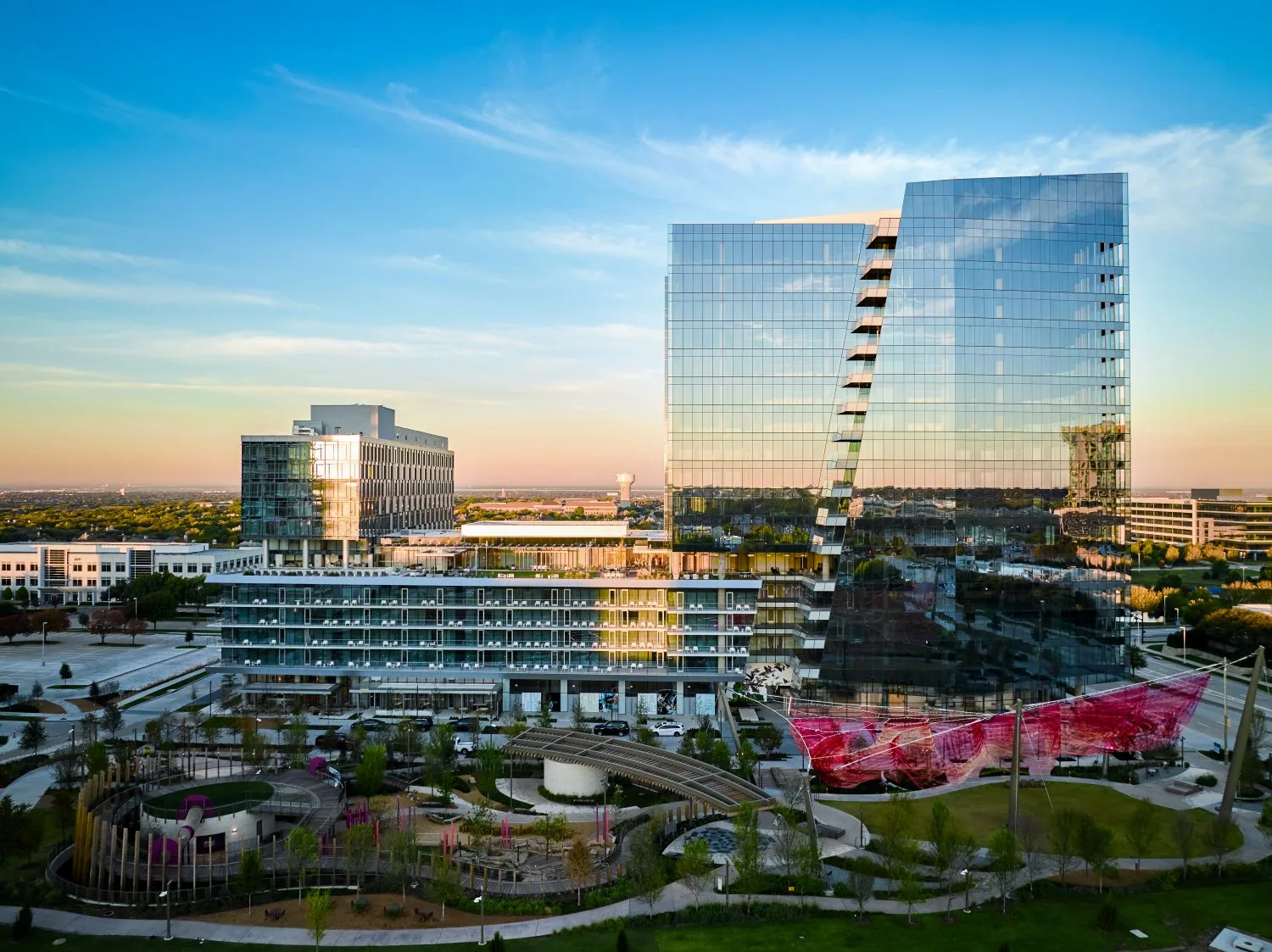
Hotel Roofing in New Haven, CT
Hotel Roofing
Plan hotel roofing in New Haven around guest access, rooftop equipment, drainage, and quiet work periods with a documented phased scope.
A hotel roof project runs beside guest arrivals, housekeeping, kitchens, and building services that cannot all pause at once. New Haven's winter freeze-thaw exposure makes drainage and flashing useful review points before a work phase is booked. We map roof observations to the rooms and service areas below, then plan access, protection, and tie-ins by zone. The proposal should show what can proceed during an occupied period and which activities need a quieter window.
Milford's commercial activity includes lodging, healthcare, finance, and distribution; New Haven's includes health, education, business services, and manufacturing. The regional range puts operating hours, deliveries, and guest access on the review list. We set the scope from the roof inspection, building history, and property's access requirements.
Guest routes and roof access
Material delivery and debris handling can intersect with porte-cochere traffic, service entrances, parking, and accessible paths. We identify the roof access point, staging location, and any lift path before selecting a phase. If an entrance or walkway needs a temporary restriction, the schedule should name an alternate route and the expected duration. That gives hotel operations a basis for notices and staff coordination.
Guest rooms below the active zone may need interior protection or a different sequence, depending on the roofing task. We discuss noisy work periods, odors from materials, and any access that maintenance staff must retain. A crew can move from one wing or roof zone to another only after the prior tie-in is closed and checked. A phased occupied-building plan helps the general contractor communicate boundaries without assuming the whole property can be vacated.
Hotels may also have event, dining, and housekeeping schedules that change by day. We review those dates with management and identify which restrictions are firm and which can move. The work plan should account for delivery and cleanup time, not just the hours spent installing roof material. If a weather shift interrupts a phase, the team needs a clear decision contact and a record of the secured area.
Equipment, penetrations, and transitions
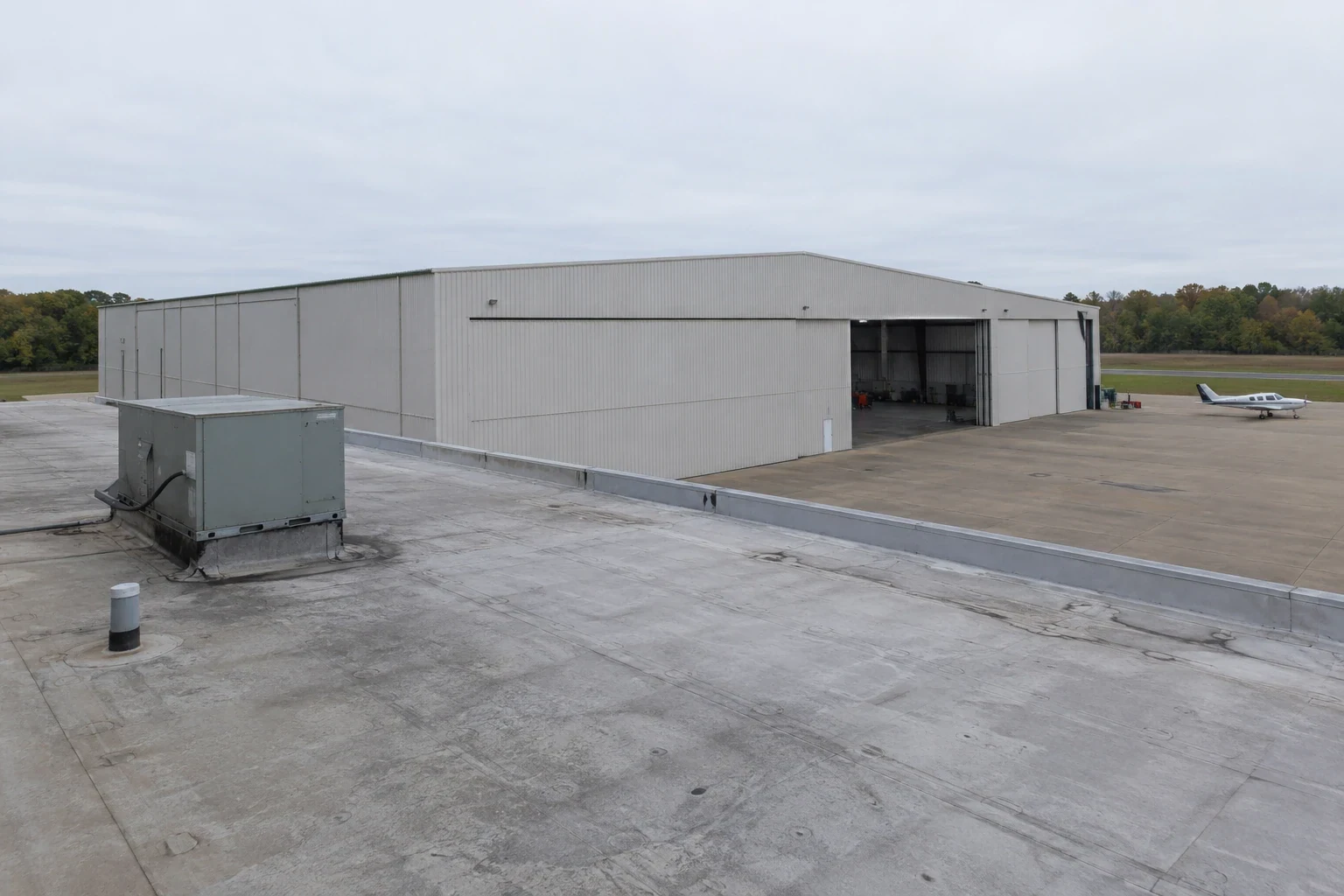
Mechanical equipment, exhausts, plumbing vents, and communications lines create multiple roof interfaces. We inspect each curb and penetration for loose metal, separated flashing, movement, or prior patching. If another trade needs to relocate a unit or cable, that work must be coordinated before the new flashing is closed. The bid should show who owns each adjustment and when the roofing crew can finish the detail.
Service walks can wear the membrane where technicians repeatedly reach units. We note the path and can include protection where it is compatible with the assembly and drainage plan. Supports should keep pipes and lines clear of the roof surface without blocking water movement. A curb and equipment detail review can separate roofing work from mechanical service responsibilities.
At roof-to-wall changes, we inspect terminations, coping, metal laps, corners, and transitions over entrances or shared spaces. A weather event can prompt a review, but the estimate follows observed condition and testing. If the roof has several ages or repair histories, we map zones independently rather than carry one detail assumption across the property.
Drainage during freeze and thaw
A hotel may receive a leak report from a guest room long after water entered at a roof drain, curb, or wall transition. We follow the roof slope and assembly above the affected area, then record the likely path separately from the interior symptom. New Haven's cold-season freezing makes outlets, overflows, and low areas useful inspection priorities. The condition report should locate each finding on a roof plan so maintenance can compare it later.
We check bowls, strainers, scuppers, overflow routes, and discharge areas for obstruction or damage. If a drain is clear but water remains, the slope or insulation profile may need review. A drain correction should describe the outlet and the roof area feeding it. That makes the scope useful to facilities staff who will check the same locations after future storms.
Freeze-thaw exposure makes weak transitions useful inspection points. We photograph visible conditions, identify any test opening, and set the repair scope from the details confirmed at the property. Management can then compare temporary protection, a targeted repair, and further investigation.
Repair, replacement, and room planning
A localized flashing repair may be appropriate when nearby membrane and insulation remain serviceable. We state the repair boundary, material, and any follow-up observation. Where several leaks occur, a planned repair visit can group work by roof zone while retaining separate references for guest-facing areas. The owner can compare each line with the reported interruption and roof history.
Replacement pricing should account for removal, substrate condition, insulation, drains, metal edges, equipment interfaces, daily tie-ins, and interior protection. A recover can be considered only when existing layers, moisture, fastening, deck, drain height, and applicable requirements have been reviewed. The replacement scope should define what stays, what is removed, and how concealed findings receive approval before added work begins.
Hotel renovations may create a natural access period, but a planned upgrade does not resolve an active leak by itself. We compare the repair need with the renovation calendar and describe what temporary protection is warranted before a capital phase. If guest or event schedules are not final, the proposal should make its working assumptions visible so ownership can update them before mobilization.
Records across operating seasons
A useful closeout locates repairs, drains, equipment details, photos, and remaining observations. We note which area was open, what material was installed, and whether another trade owns a connected component. The hotel team can keep that record with service calls and renovation plans, giving a future manager a basis for deciding whether a new report matches an earlier roof condition.
For hotel roofing in New Haven, bring room and event calendars, prior leak notes, mechanical schedules, and roof plans to the first review. Multifamily roofing can share occupied-building access needs, while a restaurant roof has kitchen-exhaust considerations. We will distinguish shared construction questions from the specific condition and restrictions at the hotel.
Maintenance reviews can compare drain performance, edge details, penetrations, and repair areas with prior photos. We identify locations that need seasonal attention and those that have no current finding. That record helps ownership set the next access window and budget, whether work is a small repair or a separately planned replacement.
Questions Owners Ask
Can guests remain in the hotel during roof replacement?
A phased sequence can keep selected areas in service when guest routes, noise limits, protection, and daily tie-ins are planned. We work from the room and access schedule provided by management and state any temporary closure in the plan. Weather or concealed conditions can change a boundary.
How do you handle leaks reported from a guest room?
We record the room location and timing, then inspect the roof above it for drains, penetrations, seams, and transitions along the likely water path. The entry point may differ from the interior stain. Photos and a roof-plan reference let the team follow up without assuming the symptom sets the repair limit.
What hotel roof details affect a replacement schedule?
Equipment service, guest entrances, events, loading, and rooftop access can all shape the order of work. We identify those constraints and the trade responsible for moving any unit. The schedule should include closure checks and a contact who can approve a shift if a phase changes.
Should a hotel repair roof leaks before a renovation?
An active opening needs a defined protection or repair decision even when broader work is planned later. We compare the reported condition with the renovation date and explain which interim work reduces exposure. The owner can then separate urgent maintenance from capital quantities.
What local context matters for hotel roof planning?
New Haven's winter freezing makes drainage and flashing useful review points, and Milford has lodging among its commercial uses. Those regional facts frame building use and weather; the hotel's own roof records and operating calendar establish the scope.