
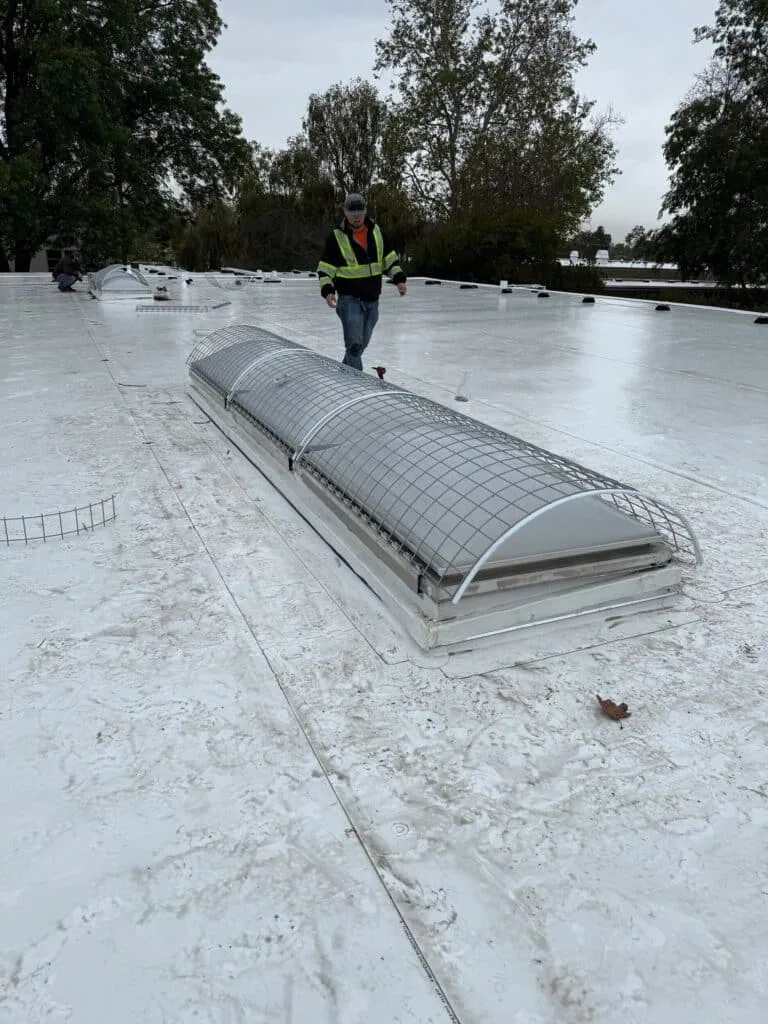
Skylight and Penetration Flashing in New Haven, CT
Skylight and Penetration Flashing
Inspect New Haven commercial skylights, curbs, and roof penetrations for flashing failures, water paths, and repair limits that fit the existing assembly.
Cold-season temperature changes put movement at skylight curbs and roof penetrations on New Haven’s inspection list. A leak at a light well or pipe does not identify the entry point. We examine the roof-side flashing, curb, membrane transition, and nearby drainage, then record which detail needs repair. That gives the general contractor a defined scope before interior finishes or operations are affected further.
New Haven’s commercial mix includes health, education, business services, and manufacturing. Skylights, vents, pipes, and equipment may sit above occupied rooms or active work areas. We coordinate roof access and interior observations with the building contact, then set the repair sequence around safe access and the building’s operating window.
Tracing a penetration leak
Water can travel along a curb, pipe, conduit, or roof deck before appearing indoors. We start at the reported location, then inspect the penetration and nearby seams, drains, and transitions. The roof record helps distinguish a new opening from a recurring detail or a prior repair. We photograph context and close views so the repair location is clear to each reviewer.
A skylight assembly includes more than the glazing. We check the curb surface, cap, perimeter flashing, fasteners, sealant, and the membrane tie-in. If the unit itself appears damaged, we document that condition separately from roof flashing. The scope can then identify which trade or material addresses each part without treating all water around a skylight as the same defect.
A roof condition examination can cover adjacent assembly issues when the entry path is not isolated. We may also use a moisture survey when the roof history and visible findings leave a question about wet insulation. Testing is selected to answer a specific scope question, not as a substitute for detail inspection.
Flashing that fits the assembly
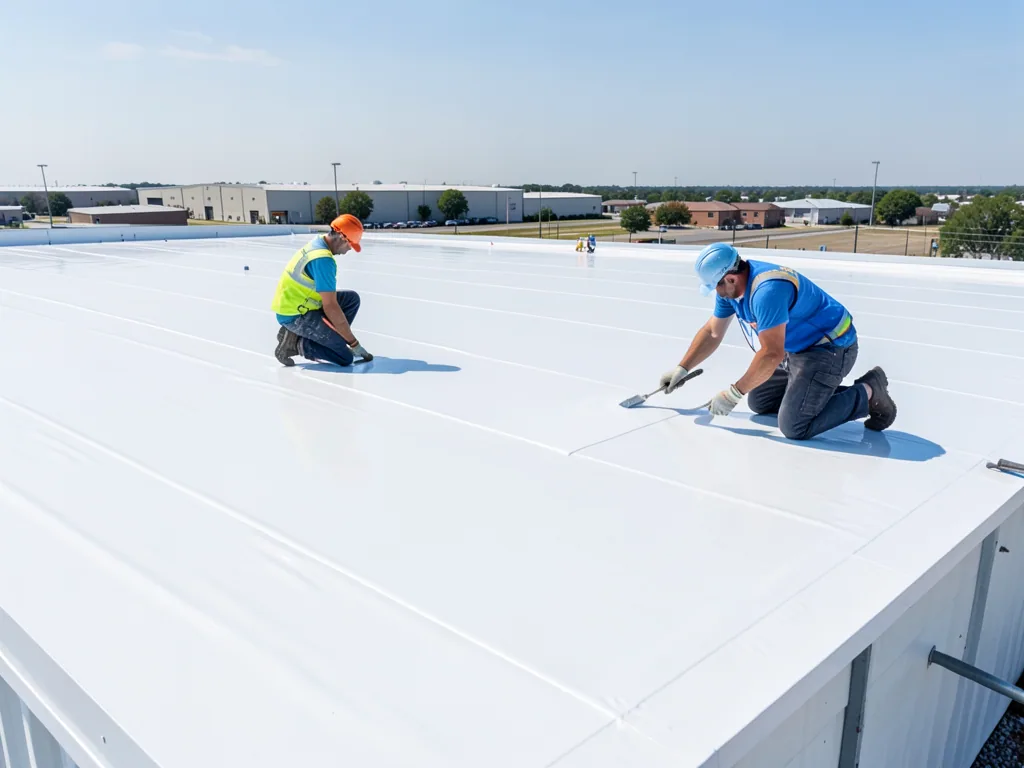
Penetration flashing must fit the curb, pipe, or roof transition it protects. We inspect curb height, glazing frame, flashing laps, membrane turn-up, and nearby drainage, then set a repair boundary for the exposed detail. The method may involve rebuilding a curb transition, renewing a pipe boot, or resetting edge components, depending on what examination shows. We document preparation, compatible materials, roof access needs, and tie-in limits so the general contractor can price and sequence the work without a generic sealant allowance.
Temperature movement and freeze-thaw exposure can stress corners, seams, and terminations. New Haven’s winter normals include repeated freezing overnight and some days below freezing throughout. That makes the curb-to-field transition worth reviewing before a repair material is selected. We also check whether runoff collects against the curb or reaches a nearby drain without a clear path.
If flashing has separated, a flashing failure repair scope can define the affected detail and adjacent material. A skylight curb may require a more specific termination or a coordinated replacement component. We mark the repair boundary and identify what remains in service so the building team knows which work is included.
Moisture, age, and repair threshold
One failed seal does not establish the condition of every curb or penetration on a roof. We compare visible wear, earlier repairs, moisture findings, and the condition of the surrounding membrane. If the detail is isolated and the substrate remains sound, a localized repair may fit. If repeated failures or trapped moisture extend beyond it, the scope may need broader evaluation.
We identify signs that can change the repair threshold: loose flashing, corrosion, split membrane, open laps, damaged curb material, or interior staining that continues after prior work. Each is recorded without assuming its cause. A photo-based condition report lets the owner compare the detail at the next review and tie follow-up work to the same roof area.
West Haven includes durable and non-durable manufacturing, textiles, medical research, and artificial-stone products among its commercial activities. Work above those varied uses may require controls for noise, debris, or sensitive areas. We coordinate restrictions with the general contractor, but the recommendation remains tied to the examined roof rather than to the building’s industry label.
Keeping the building protected
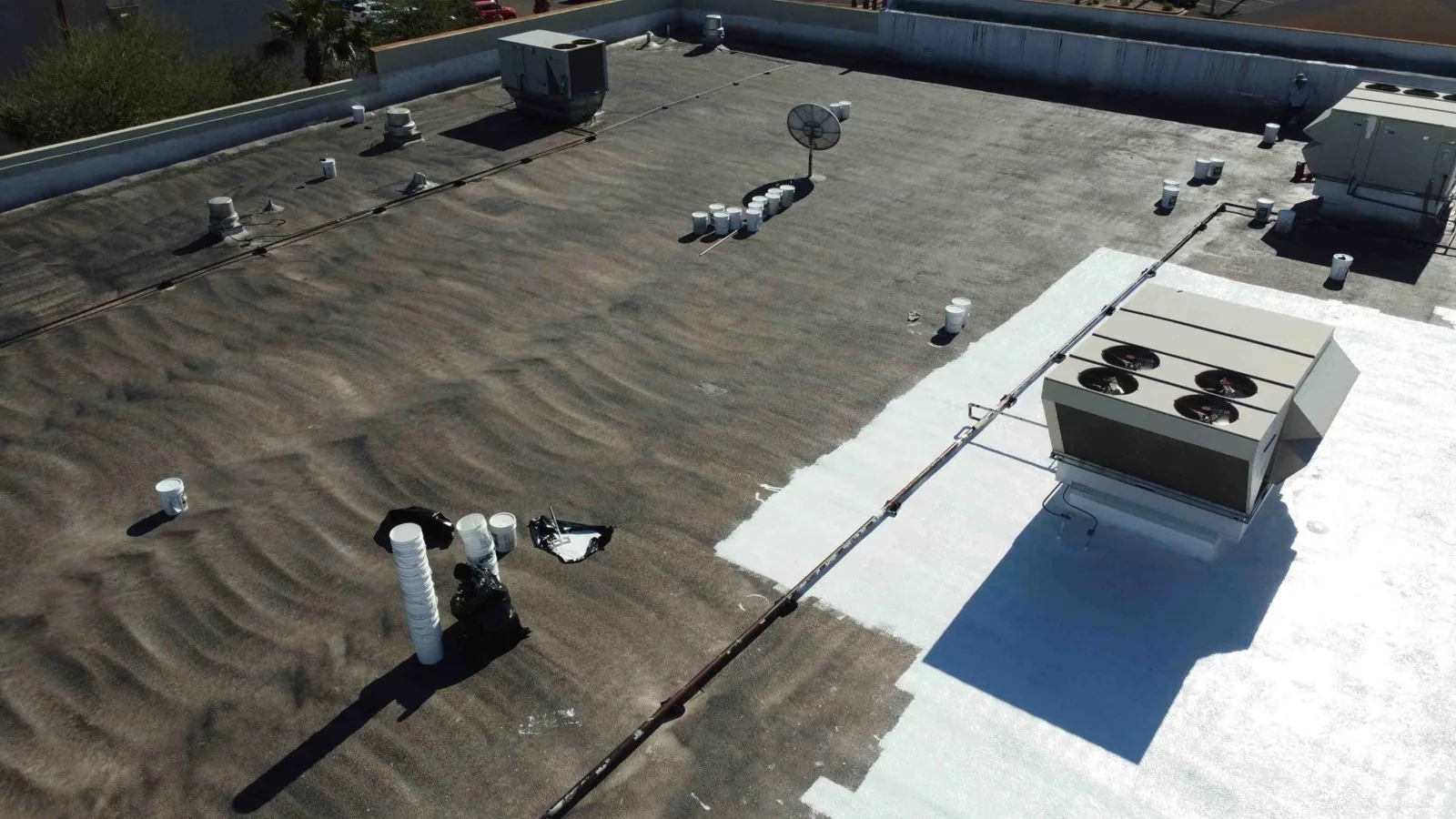
Penetration work often shares a roof area with mechanical service or electrical work. We coordinate who will disconnect or protect equipment, whether the curb can be accessed, and when the work zone can be opened. Open flashing is limited to the area that can be repaired and closed during the planned shift. Daily protection is recorded before access ends.
In an occupied building, interior notice and protection can be as important as the roof repair. We align the work window with the tenant or operations schedule and identify where tools, debris, and temporary materials will move. Emergency response remains available at any hour, including holidays, when active water entry requires a temporary measure before a permanent detail can be installed.
A coating or broader restoration may be considered only after the existing penetration details are understood. The coating review should include curbs and flashing, since coating the field alone cannot resolve an open penetration. If several details need work, we list them by location for a coordinated package.
A repeatable record for the roof history
Closeout includes photographs of the repaired curb or penetration, the surrounding membrane, and the finished transition. We note the repair materials, preparation, and any area left outside the scope. That gives maintenance staff a reference for future inspection and helps a later bidder understand whether a recurring leak comes from the same location.
Properties in Orange and New Haven can use the same reporting format while keeping each building’s details separate. A regional plan may help with crew scheduling, but it should preserve roof-specific findings, access requirements, and repair history for each property.
Bring roof history, leak photographs, inspection reports, and equipment access constraints to a penetration detail review. We will compare the observed condition with the proposed repair and identify any coordination needed before the next work window.

Questions Owners Ask
Which roof details help isolate a skylight leak?
We inspect the glazing and curb separately from the membrane transition and nearby roof details. Water paths can move away from their entry point, so the interior stain alone is not conclusive. The report identifies what was visible and which component needs repair or further evaluation.
Can sealant alone repair an open curb detail?
Sealant may be part of a compatible repair, but it cannot restore missing attachment or correct damaged flashing by itself. We check the curb, membrane overlap, and substrate, then specify preparation and tie-in work. The scope states whether any unit component remains outside the roofing repair.
Does New Haven’s winter weather change flashing work?
Freeze-thaw exposure makes movement at seams and curb corners relevant to material selection and timing. We assess the existing assembly and choose a repair method that can be installed under suitable conditions. The roof findings, not the seasonal pattern alone, establish the repair boundary.
What if a leak appears around several roof penetrations?
Each curb or pipe should be recorded by location, material, and visible condition before separate repair quantities are combined. We compare repeat details to identify whether they share a known assembly issue. A broader review may be useful when the pattern extends beyond one repair area.
What should be coordinated before repairing a rooftop curb?
Equipment shutdowns, access, electrical or mechanical trade work, tenant notice, and interior protection can affect the sequence. We align those constraints with the general contractor and identify the daily closeout point. That keeps the flashing work coordinated with active building systems.