
Roof Insurance Claim Assistance in New Haven, CT
Roof Insurance Claim Assistance
Organize New Haven roof claim documentation with dated photos, records, temporary work notes, and a repair scope that distinguishes evidence from assumptions.
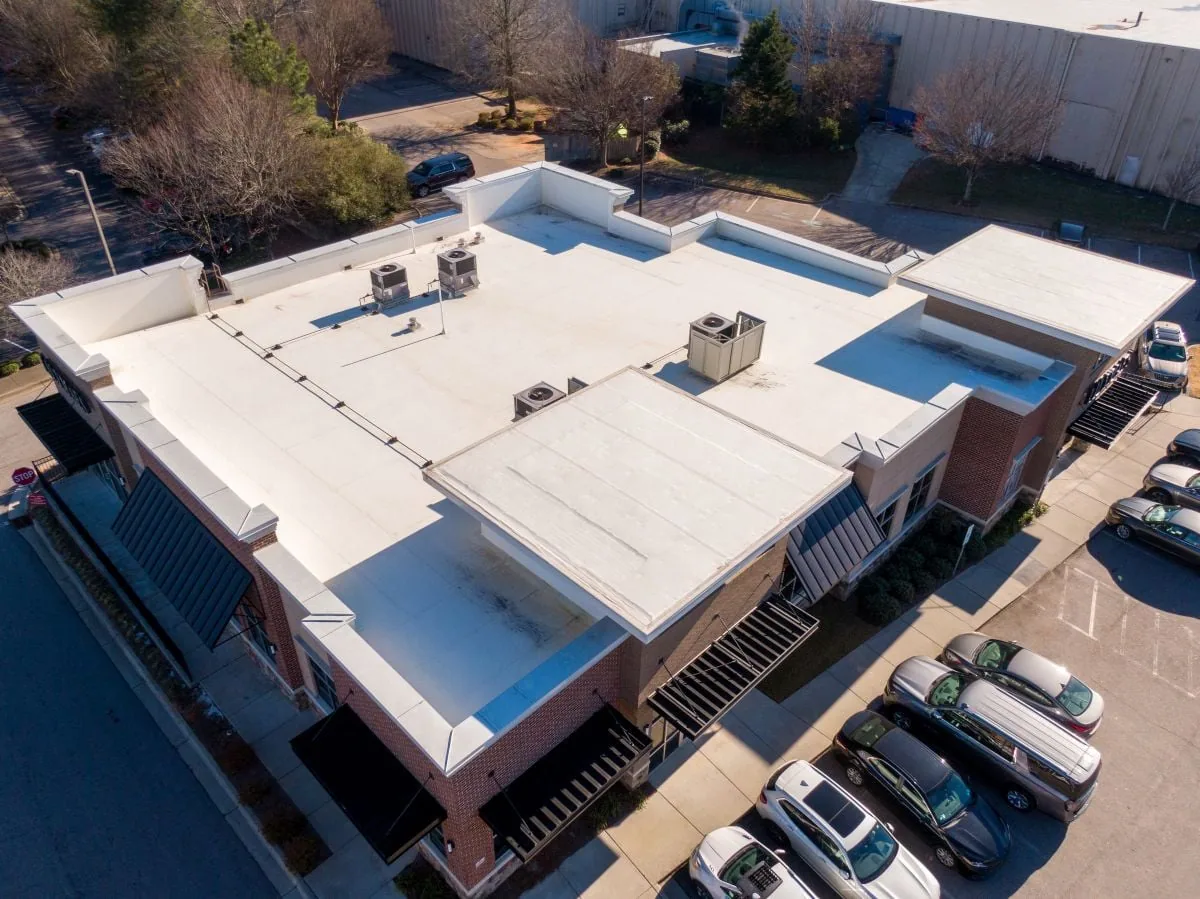
After a coastal storm, a roof claim begins with the condition record, not a conclusion about coverage. In New Haven, wind and heavy rain make prompt photographs and temporary work notes useful before conditions change. We document visible roof findings, compare them with prior records, and prepare a repair scope that separates observed damage from items needing further examination.
Health, education, business services, and manufacturing contribute to the local commercial mix. Each property has its own access, operating hours, and approval path, so claim documentation needs to fit the project record. We coordinate with the general contractor to identify roof areas, dates, materials, and repair limits without predicting an insurer’s decision.
Building the condition timeline
A useful claim file connects current roof conditions to the available history. We review inspection reports, maintenance notes, earlier repair photographs, invoices, and any known changes to the roof assembly. Current observations are dated and tied to specific areas. If records are missing, the gap is stated plainly instead of being filled with an assumed installation date or cause.
Photographs should show both context and detail. A wide view locates the roof area; a close view captures a split seam, displaced edge, puncture, or damaged flashing. We label the roof component and note weather or access limits during the inspection. The result helps another reviewer follow the same condition without turning a photo into a claim about what happened.
For a structured handoff, a photo-supported condition report can pair observations with repair recommendations. A roof inspection can also define broader assembly findings when the reported area is only one part of the review.
Event context without overstatement
New Haven’s shoreline setting makes wind-driven rain and perimeter details part of storm review. Sandy produced a severe recorded gust in Madison, within New Haven County, giving the claim review regional context for coastal exposure. We use current evidence, prior condition records, and the reported date to describe supported roof damage.
Where wind may have lifted edge metal, we examine attachment, laps, corners, and transitions to the membrane. Where rain entered, we trace the path from the interior symptom toward drains, seams, penetrations, and roof-wall details. The observed condition may have more than one contributing factor, so the report distinguishes physical findings from any cause that has not been confirmed.
A wind-damage assessment can focus the examination on displaced or loosened components. We document the area that can be inspected safely, list any obstruction, and note whether moisture testing or a follow-up visit would improve the record. That keeps the initial claim file specific and leaves room to add evidence later.
Separating protection and repair
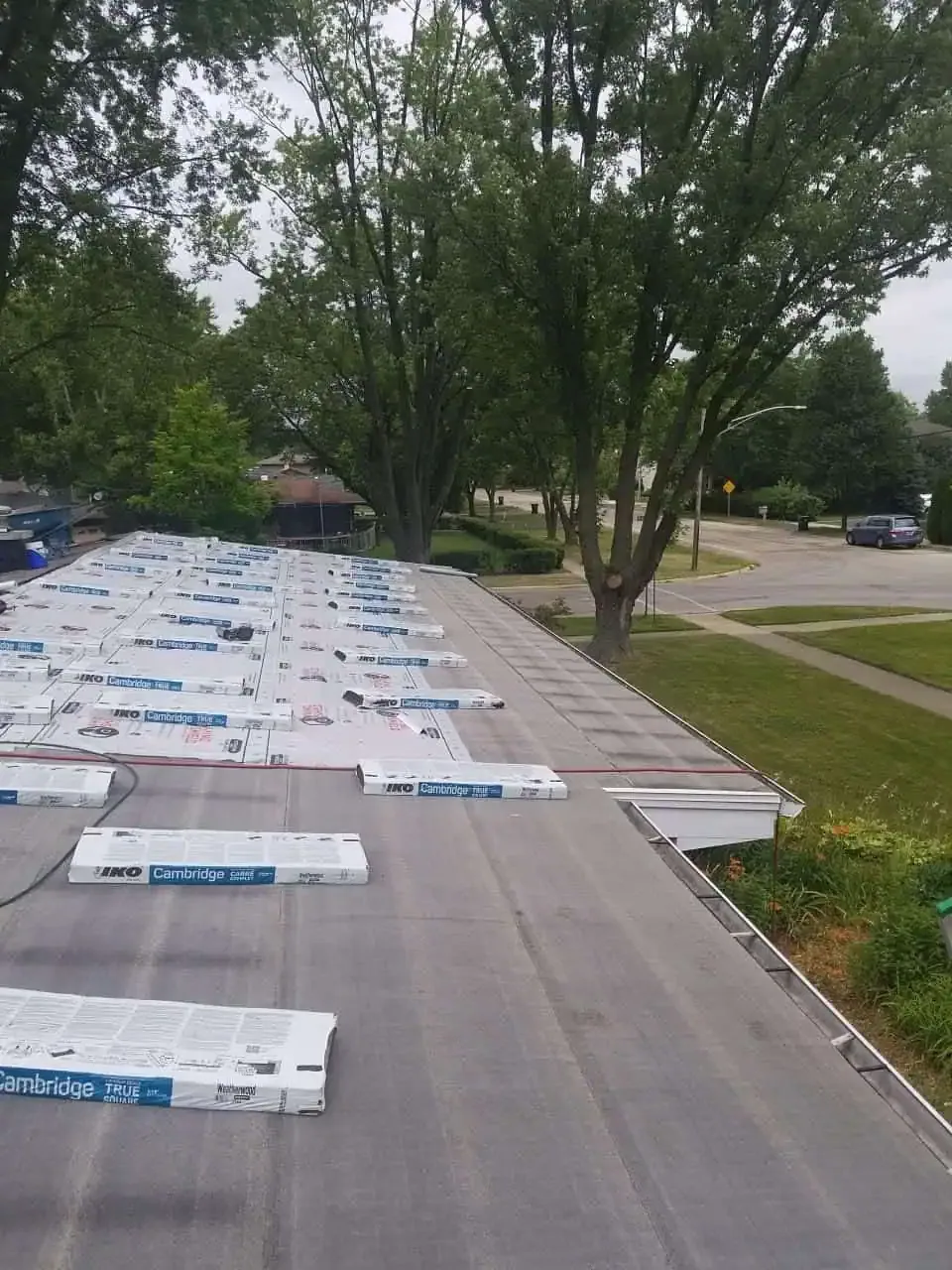
Temporary protection and permanent repair belong in separate entries. The first shows how water entry was reduced and which materials were used. The second defines removal, substrate preparation, compatible repair materials, flashing or edge corrections, and closeout photographs. This separation helps the owner and reviewer distinguish emergency stabilization from completed restoration.
Our emergency response remains available around the clock, including weekends and holidays. We record the time and area of temporary work, then return when conditions support a permanent repair. If opening the assembly reveals a concealed issue, we photograph it and provide a revised scope for approval rather than silently adding work to the original quantity.
A storm repair scope can identify the work needed to restore the affected area. If broader wear appears in the same review, we compare it separately with a defined roof repair plan so pre-existing items are not blended into a storm quantity without support.
Working with the project team
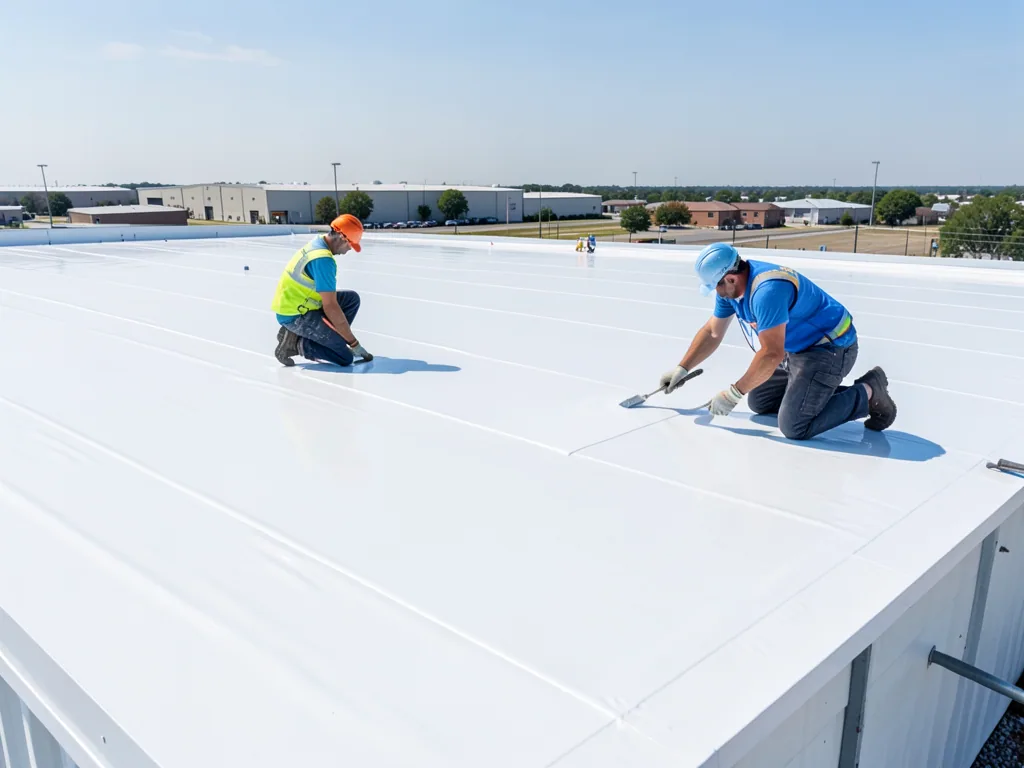
The general contractor can help keep the record consistent across roof access, interior observations, and repair sequencing. We align area labels, photographs, dates, and scope assumptions with the project file. If an adjuster or building representative requests a specific view, we can identify whether that requires roof access, an interior check, or a separate test.
Manufacturing, bioscience, healthcare, and retail contribute to Branford’s local commercial base. Across these building uses, occupant schedules and equipment clearances can shape how a roof is examined or protected. We coordinate notice, staging, loading, and restricted work periods before the visit, then note any conditions that limited the examination.
Insurance documentation should support a review, with no prediction about the result. We can explain the visible roof condition, prepare a repair estimate, and answer technical questions about the scope. Coverage terms, deductibles, and claim determinations remain matters for the policy and insurer. The contractor’s role is to make the roof evidence and proposed work legible. We separate requested documentation from the repair estimate so the owner can see how each item supports the scope.
A file that supports the next decision
Before the claim file moves forward, we check that the photo set corresponds to the written scope. Each repair line should identify the roof area, material, extent, and reason for the work. Assumptions and exclusions should be visible. If additional evidence is needed, the report can state what observation or test would resolve the open question.
For a commercial property in West Haven, roof access and operating constraints can be assembled alongside the repair record. That regional service context does not replace a building-specific examination. It makes the contractor’s schedule and protection plan easier to discuss while the owner reviews the claim and repair options.
Bring the policy contact’s requests, roof history, inspection reports, storm photographs, temporary work notes, and bid scopes to a claim documentation review. We can align the condition record with the proposed repair and identify what remains uncertain before the project team commits to a permanent sequence.

Questions Owners Ask
What roof records help with a claim review?
Prior inspection reports, maintenance logs, repair invoices, dated photographs, and notes on temporary protection establish useful context. We compare them with current observations and identify gaps in the timeline. A clear scope then ties each proposed repair to a roof area and condition. We also place estimates beside photographed conditions, marking which quantities are confirmed and which remain contingent on access or concealed-assembly review. That keeps an allowance distinct from an observed defect and gives the owner a clear item to revisit if new evidence becomes available.
Can a roofer determine whether insurance will pay?
Coverage depends on the policy and insurer’s review, not the roof repair estimate alone. We can document observed conditions, prepare a technical scope, and answer questions about materials and repair limits. We do not predict approval or substitute for the insurer’s coverage decision.
How should emergency work appear in the claim file?
Temporary protection should be identified separately from permanent repair, with the date, area, materials, and reason recorded. We photograph the condition before and after stabilization when access allows. Later repair quantities can then be compared with what the initial response addressed.
Does a local storm record prove a roof was damaged?
Regional weather history provides context for a claim review. The Madison gust documents severe wind in New Haven County, while current roof conditions and prior records support the property-specific assessment.
What if the roof is not safe to inspect immediately?
Safety and access limits should be noted before the examination proceeds. We can document visible areas from a safe position, protect active openings, and arrange a follow-up when access is appropriate. The report should identify the unobserved area and the next step needed to complete the record.