

Commercial Roofing in Fairfield, CT
Fairfield
Commercial roofing in Fairfield, CT for food, education, office, and service uses. Plan roof repairs around drainage, access, and occupied operations.
Food production, higher education, and service uses in Fairfield can put roof repairs alongside equipment schedules and occupied spaces. We document the roof assembly, drainage, penetrations, and edges before setting a repair or renewal boundary. New Haven, CT, records frequent winter freezes, making drains and transitions useful inspection points when work moves toward colder weather. A Trumbull roof review still relies on its own site record, while commercial roof inspection can establish the condition evidence for a Fairfield scope.
Coordinate roofing with occupied operations
Fairfield’s economic mix includes food production and higher education, alongside other local institutions. Those uses can make access, noise, service continuity, and protection below the roof part of the planning conversation. The roof itself still has to be inspected before its system or condition is known. We map roof zones, drains, curbs, seams, wall transitions, and prior repairs, then connect each observation to the activity below it.
If a production line, office, or classroom area must remain available, we identify entrances, service paths, and any equipment that needs a trade handoff. The occupied-building sequence can define which area is open, how it is protected, and where the crew can stop for the day. A building use never tells us where a roof leak starts, so the report connects interior records to surface evidence rather than making a guess from the room name.
Photos should show the detail in context. We record whether a seam is split, flashing is lifted, metal is loose, or a previous repair interrupts the surrounding material. If a test opening may change the removal limit, we state what it will verify and how each outcome affects the scope. That lets the general contractor compare quantities and trade responsibilities using the same roof zones. On a multi-zone roof, we label sections consistently across the plan and photo set. The owner can match an invoice to the area it covered. If two trades share a curb, the record states the roofing limit and the adjacent work that remains outside it.
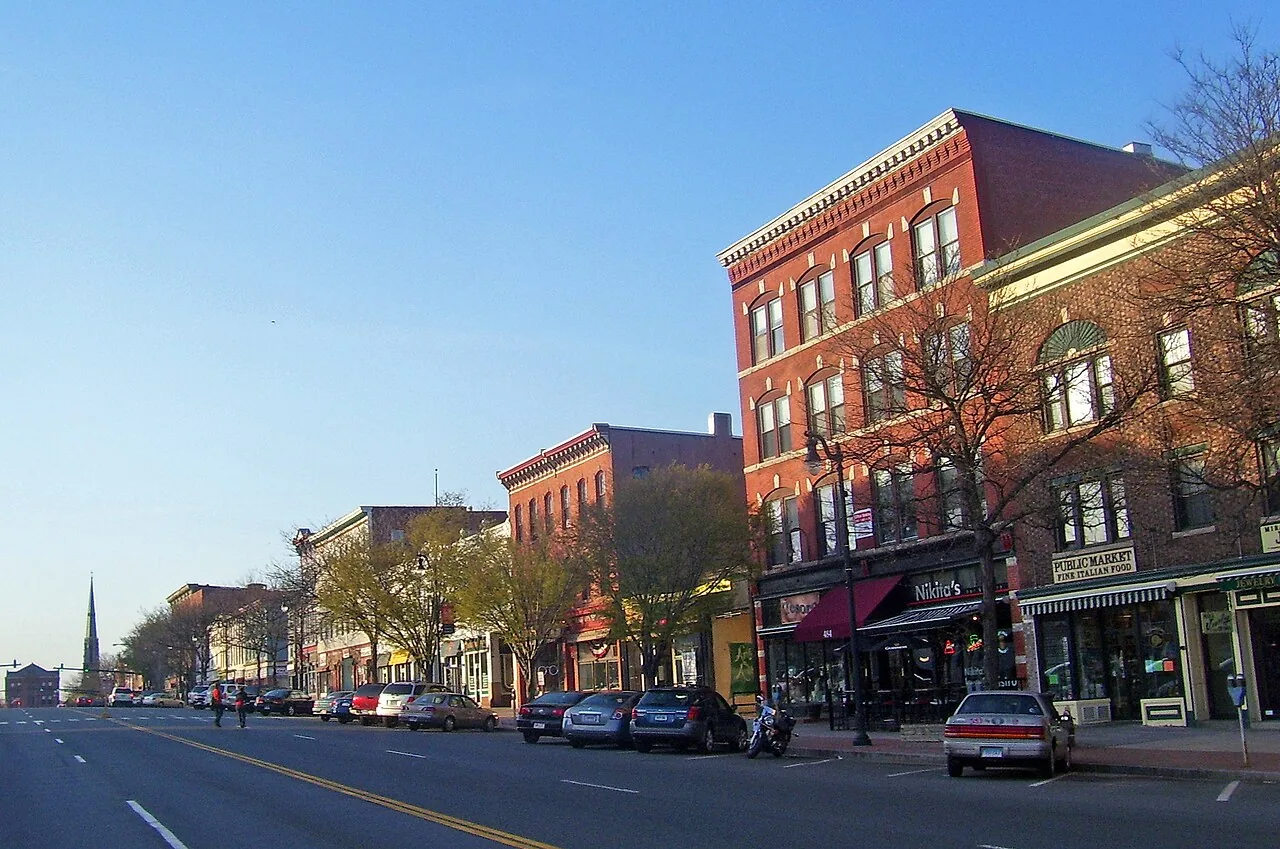
Check outlets before water reaches the interior
New Haven's climate normal records 102.3 days per year with overnight minimums at or below 32°F. We inspect Fairfield drain connections, low details, and transitions before a winter phase, tracing the flow path and documenting any observed water retention.
Water can move beneath a surface before an interior mark appears. We compare the reported area with seam direction, nearby curbs, wall details, and the route to an outlet. A drainage correction can be priced apart from any membrane work. A planned insulation increase needs a drawing of its finished elevation at each outlet and parapet, because the transition can redirect runoff if it changes the existing path.
Before a roof is opened, we set the temporary tie-in and daily close. The sequence names the area that can be worked safely, how insulation will be protected, and what must be checked before new material covers the detail. If weather shortens the work window, the crew can stop at a smaller boundary that can be secured. The owner’s record should identify the finished zone and any item that remains for the next phase.
Use the road and rail network as planning context
U.S. Route 1, the Merritt Parkway, and the Connecticut Turnpike cross Fairfield from east to west. Commuter rail, bus service, freight, and motor carriers also support movement through the town. These connections help frame delivery planning, but they do not determine how material reaches a particular roof. We confirm the truck approach, staging area, lift position, and allowed hours with the site team before setting the work sequence.
If delivery windows overlap with a shift change or a busy entrance, the schedule can divide material movement from roof removal. The project map identifies staging, debris travel, protected doors, and roof access. A Southbury roof project has separate logistics; Fairfield’s access plan should reflect its own road rules and building operations.
Lift and equipment needs affect cost and timing even when the roof repair is limited. We record the route and capacity required, then verify where the work zone can be staged without blocking a service path. If an area cannot be reached during normal hours, the proposal records the alternate window and any added protection. Clear access assumptions keep the bid comparison tied to the actual property.
A production shift or class schedule may narrow the approved work window even when deliveries reach the property easily. We record the available hours and staging contact in the same access plan so the general contractor can schedule roof work against building use.
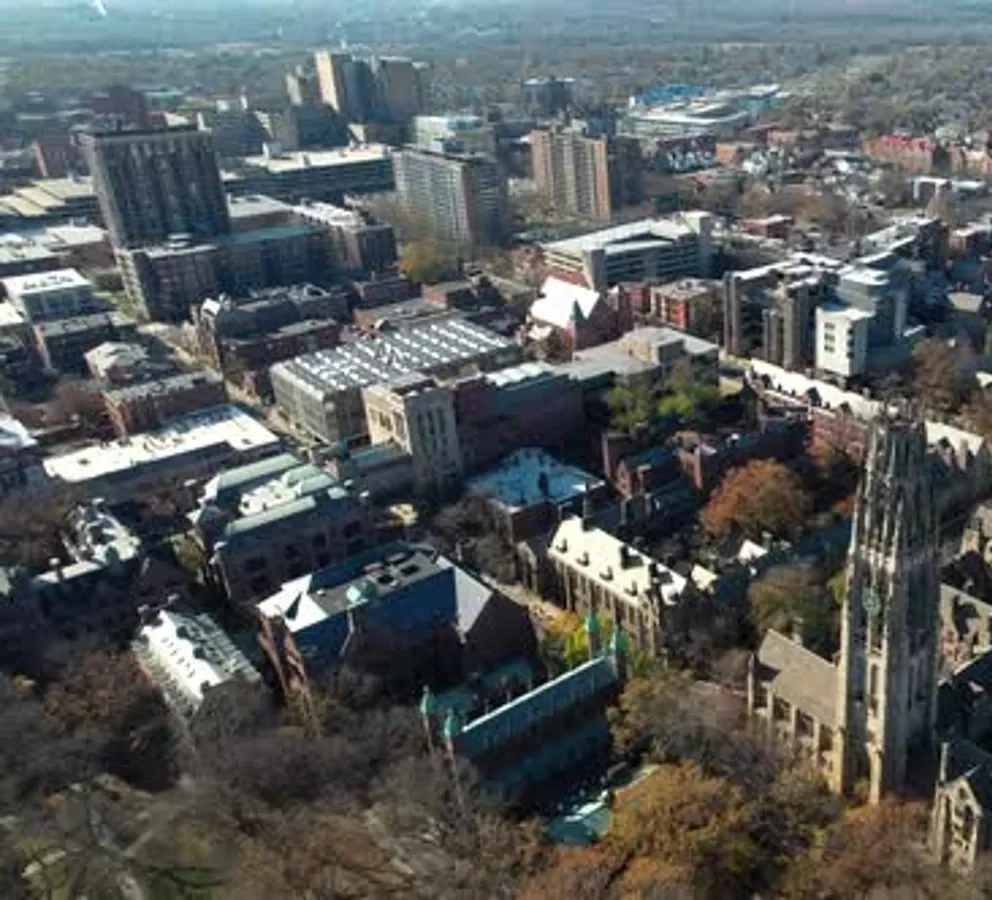
Inspect roof edges after severe weather
A gust recorded in Madison during Sandy reached 85 mph. That regional figure keeps edge attachment on the inspection list without predicting conditions in Fairfield. We follow corner seams, metal caps, and terminations for movement, lost attachment, or splitting, then mark the affected run.
After wind-driven rain, we compare the reported leak with interior observations, roof history, and visible water paths. A commercial repair scope can address a confirmed opening, while a temporary cover is listed as stabilization until the full detail is resolved. If moisture may extend beyond the visible defect, we identify whether a test opening changes the repair boundary before pricing removal.
Each exposed area needs a safe stopping point if the forecast changes. We record the cover, its secured edge, the drainage path, and the condition required for permanent material. If rain interrupts the shift, the owner receives a status showing which roof zones are closed and which need another inspection. This keeps a short-term response separate from the longer repair or renewal decision.
Compare bids using the same assembly limits
A repair is easier to compare when the proposal names its location, quantity, preparation, material, and closeout. One failed curb or seam may support a bounded correction if adjacent material is sound. Repeated openings, wet insulation, weak attachment, or a deteriorated deck may justify selective removal or a broader replacement. We document which condition supports each option and what remains concealed.
Price and duration depend on tear-off area, substrate, insulation, drainage changes, perimeter metal, equipment handling, disposal, and access time. A replacement proposal should use the same zone map and protection assumptions as a repair bid. When the assembly remains serviceable, planned maintenance can record drains, seams, and later equipment work, giving future budget reviews a dated condition record.
Food production and education uses can require separate work hours or controlled roof entry. We list those limits before mobilization and coordinate any trade who must work before the roof closes. The closeout package includes photos by zone, material information, and items deferred to another phase. Bring prior repair invoices and operating rules to the first review so the recommendation reflects both the roof record and the site's schedule.

Questions Owners Ask
How do you plan roof repairs near active food or education operations?
We confirm work hours, protected areas, equipment access, and trade handoffs before setting the roof zone. The daily plan includes a safe boundary and weather-tight close.
Does New Haven’s freeze record prove a Fairfield drainage problem?
New Haven's winter normal makes outlet performance a useful seasonal check. We inspect Fairfield outlets, low areas, and seams, then set the correction from the conditions observed on that roof.
What information helps compare two roof bids?
Use the same zone map, measured quantities, removal assumptions, access window, and closeout requirements. We separate confirmed work from allowances for concealed conditions.
Do Fairfield’s transportation routes determine delivery access?
The work plan starts with the property's vehicle route, staging area, lift position, and allowed hours, confirmed directly with the project team.