
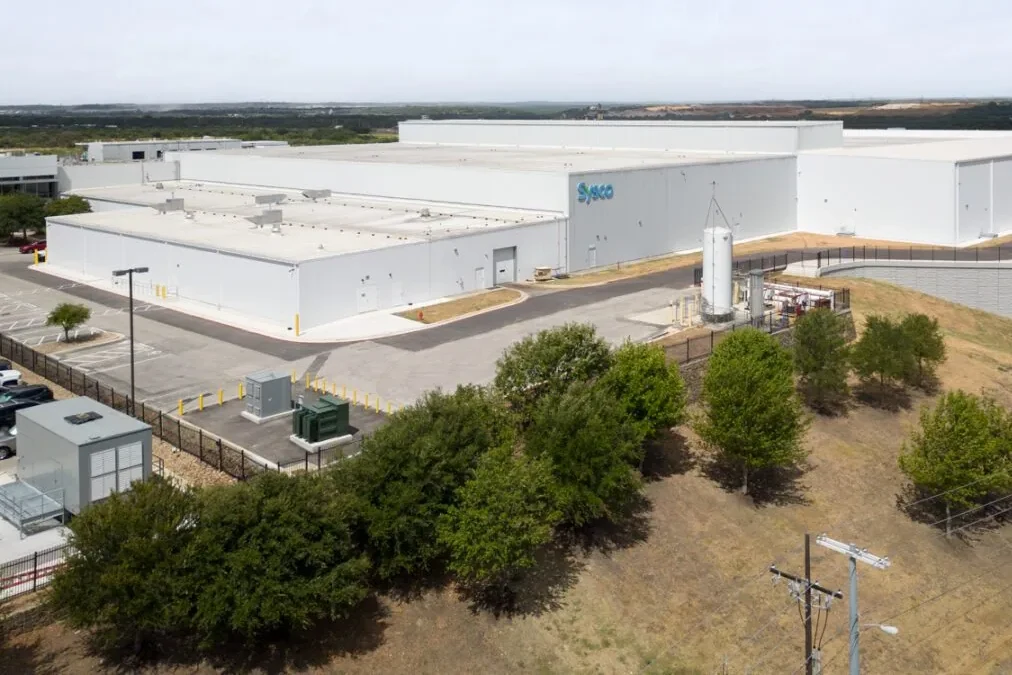
Self-Storage Roofing in New Haven, CT
Self-Storage Roofing
Plan self-storage roof repairs in New Haven around unit access, water pathways, tenant protection, phased work, and long-term maintenance.
Water at a self-storage property can threaten contents before a ceiling stain reaches the manager's office. New Haven's regular winter freeze-thaw exposure makes clear outlets, intact seams, and secure edge details worth checking before a leak period begins. We trace reports to roof conditions, photograph the findings, and define the repair area so managers can communicate a specific plan to tenants.
East Haven's commercial mix includes warehousing and wholesale distribution, while North Haven includes distribution, storage, and industrial activity. We plan staging and delivery with the property contact, then verify roof assembly, drainage, and operating limits from the building's records and site review. New Haven's health, education, manufacturing, and business-service uses also bring varied access and operating needs to the regional market.
Protecting units while tracing water
A reported wet unit is an important location, but it is not necessarily below the roof opening. Water may move across a deck, insulation, or membrane before entering the interior. We compare the report with roof slopes, seams, drains, curbs, and wall lines, then mark confirmed defects and unresolved paths. The manager receives a location-based update that is useful for tenant communication.
When multiple units report moisture after one weather event, the roof walk should look for shared details before assuming separate punctures. We inspect transitions and drainage above the affected bays, review previous repairs, and note whether water may travel along a structural member. A leak investigation can distinguish the entry point from the visible symptom, while membrane repair addresses a confirmed opening.

Keeping tenant circulation workable
Storage operations depend on vehicle lanes, loading areas, gate access, and clear paths to individual units. Before mobilization, we agree on lift placement, material staging, temporary lane restrictions, and how tenants will reach affected rows. The project sequence can move by building or roof zone, with daily closeout recorded before the next area opens.
We identify which units sit below active work and what interior protection is appropriate for the observed risk. If a repair requires ceiling access or contents movement, the facility team can notify the specific tenant. The roofing scope should not impose blanket closures when a smaller work zone will do. A phased occupied-building plan can keep more of the property accessible while the contractor maintains safe separation around the work.
Roof layout and drainage control
Long storage rows may use simple roof planes, yet repeated seams, end walls, gutters, and drainage outlets still create many places to inspect. We check slope direction, debris, outlet condition, membrane termination, and metal laps. Where water remains, the scope identifies whether cleaning, local repair, or correction to a larger drainage detail is supported by field evidence.
New Haven's winter normal puts drainage on the seasonal review list. At the property, we document low areas and check for membrane stress, open laps, or deterioration around drains. A drain and scupper review can isolate outlet work, while an inspection captures the assembly before a repair allowance is set.
The repair estimate should separate cleaning from roofing work. Removing debris may restore flow, but it will not correct a broken drain ring, loose flashing, crushed leader, or low area that holds water. We state which component is included and whether the property manager should coordinate a plumbing or site contractor. Clear division prevents an outlet from being marked complete when only its surface was cleared.
Long uninterrupted roof rows can make a photo location difficult to find. We identify a grid, bay, or measured distance from a fixed edge and keep the reference consistent across inspection and repair records. That small step is useful when a crew returns after tenant access has been coordinated or when the owner compares a later moisture report with today's observations.
Setting repair and replacement limits
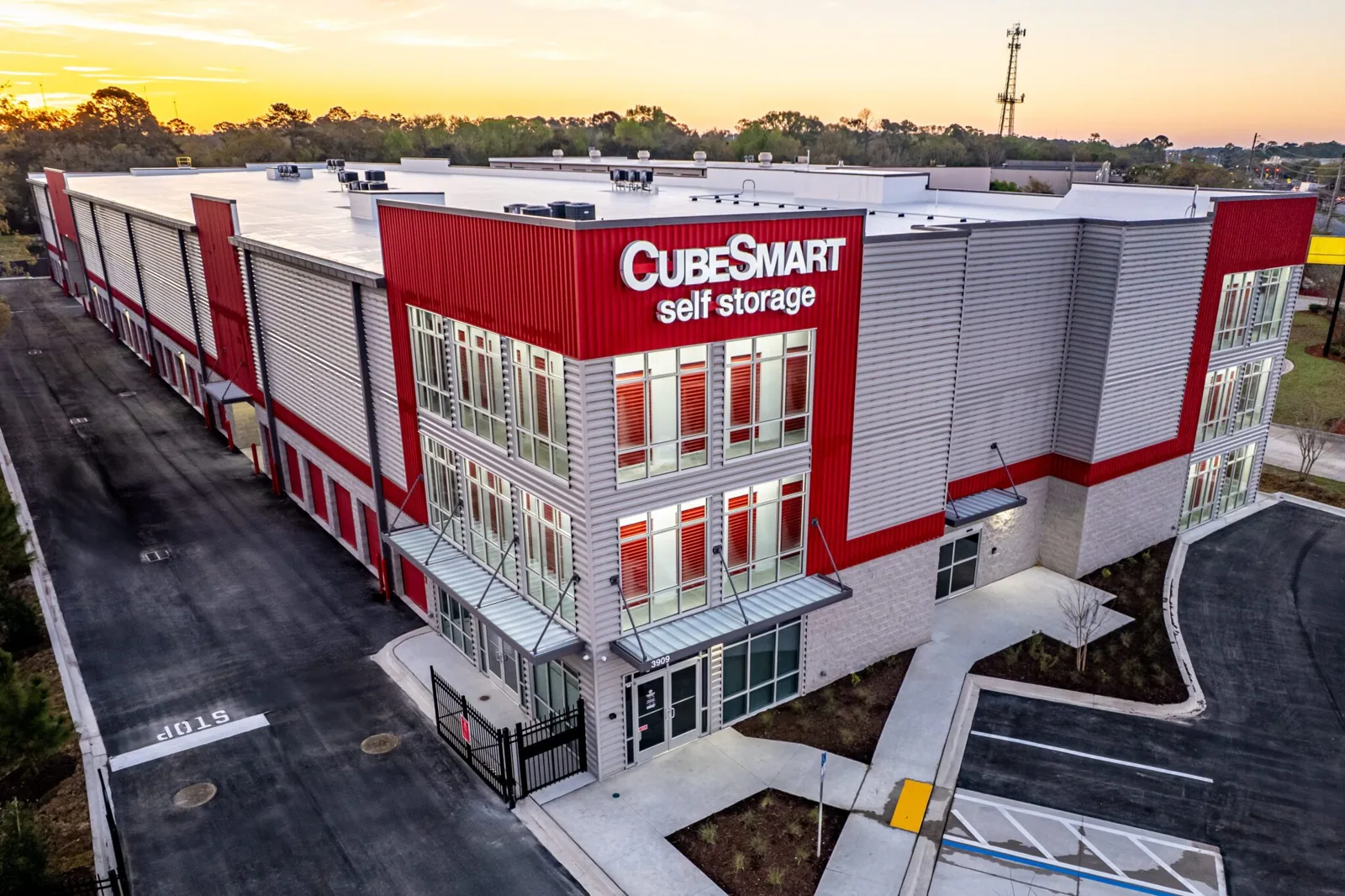
A small puncture or separated seam may support a targeted repair when nearby material is stable. Repeated failures across several rows, widespread moisture, or poor attachment can move the decision toward broader restoration or replacement. We compare each observation with the roof history and state what testing would change the boundary.
Proposals should identify roof area, material preparation, patch limits, edge work, and exclusions. For an older membrane, a recover option may be compared with full replacement if assembly conditions allow. The difference affects tenant notice, debris handling, access lanes, and how much of the property can remain active. We show those factors beside the roof work instead of leaving the manager to infer them from a line-item total.
A useful record for facility managers
Keep leak dates, unit locations, repair photos, invoices, and maintenance notes together. We can mark each roof observation with its relation to a row, drain, wall, or equipment area, then note whether the condition was repaired, monitored, or left for testing. That record helps managers answer recurring reports without overstating what the roof inspection confirmed.
Nearby North Haven's industrial and distribution uses and East Haven's warehousing provide regional context for commercial activity, while the site's own traffic plan governs roof access. A photo condition report can guide maintenance and capital timing. For a different roof occupancy pattern, compare a dealer facility scope, where customer display and service circulation create their own phasing needs. A warehouse roofing plan may have different loading patterns. Branford's commercial mix adds another regional example, but each site plan sets its own access limits. Bring site plans, reported unit locations, repair history, and tenant-access limits for review.
For a capital review, we group work by roof condition and urgency instead of by tenant complaint volume. A single active leak may need immediate protection even when other areas remain serviceable; repeated issues can justify a wider survey. We state the evidence for each path, the expected access needs, and any record that would clarify the remaining decision.
Managers can share the marked roof file with ownership and the project team at budget time. A clear status for repaired, monitored, and unverified areas helps prevent an old report from being mistaken for an open defect. It also gives the next inspection a practical starting point for checking whether the roof changed.
Questions Owners Ask
Can you locate a roof leak from the affected storage unit?
The unit report narrows the search, while roof geometry and assembly details help trace the water route. We compare the reported bay with seams, curbs, drains, and prior repairs, then mark confirmed defects and any need for further testing. This gives the manager a defensible repair location.
How do you keep drive aisles open during roofing work?
We plan the lift, delivery, staging, and temporary closure by roof zone. The facility team can notify tenants who need another route, while the scope identifies when lanes reopen. If a leak requires immediate attention, temporary protection can be installed and the permanent work scheduled around site circulation.
What makes storage roof repairs repeat in one area?
A recurring report may reflect a repair boundary that missed adjacent material, a shared drainage problem, or water traveling below the membrane. We compare the location with past photos and inspect nearby transitions. Additional moisture testing can help decide whether the problem is local or extends into a broader roof section.
Can the property stay open during replacement?
Work can often be divided by building or row, but access, fire lanes, staging space, weather, and the amount of interior protection determine the sequence. We define each work zone and its daily closeout so managers can coordinate tenant access with a known schedule.
What records help price a repair accurately?
Provide a roof plan, unit numbers or row map, leak dates, repair invoices, and any previous condition report. We match those records to the roof walk and identify unknown assembly details. That helps keep the proposal tied to a defined location and avoids pricing unrelated areas as if they were confirmed defects.